
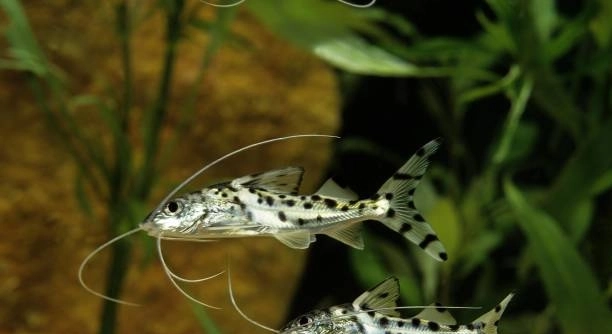
Do you ever notice your pictus catfish staying hidden for most of the day? These fish are known for their shy and secretive nature. It can be puzzling when they spend hours out of sight, even in a lively tank environment.
Pictus catfish often hide all day due to stress, water conditions, or their natural nocturnal habits. Poor water quality, loud noises, or aggressive tank mates can cause them to seek shelter frequently. Their instinct to avoid danger leads to extended hiding.
Knowing the reasons behind their behavior helps you create a calm environment where your pictus feels safe and comfortable. This article will help you understand what makes your fish hide and how to support their well-being.
Stress and Tank Environment
Stress is one of the main reasons your pictus might hide all day. These fish are sensitive to sudden changes in their environment. Loud noises, frequent tapping on the glass, or aggressive tank mates can make them feel unsafe. When stressed, pictus catfish prefer to retreat to hiding spots to feel protected. A tank with too many fish or poor layout can also increase their anxiety. Providing plenty of plants, caves, or decorations for shelter helps reduce their stress. Keeping the water clean and stable is essential because fluctuations in temperature or chemistry can add to their discomfort. Watching for signs of stress and making small changes in the tank can encourage your pictus to be more active. Their hiding is a way to cope, but improving their environment will help them feel secure.
Stress causes pictus catfish to stay hidden as a survival instinct, helping them avoid threats in the tank.
Creating a calm and stable environment can reduce stress and encourage your pictus to explore more openly. Small adjustments in tank setup can make a big difference in their behavior.
Natural Behavior and Nocturnal Activity
Pictus catfish are naturally nocturnal, meaning they are most active during the night. During the day, they tend to rest and hide to avoid predators. This behavior is normal and should be expected when keeping pictus in an aquarium. In the wild, they use the darkness to search for food and explore. In a home tank, they may come out more when the lights are off or dimmed. Understanding this helps manage expectations about their daily activity. Providing hiding spots where they can retreat during daylight hours allows them to feel safe. It’s important not to disturb them too much during the day, as this can increase stress and make them hide more. Watching them during low light hours can reveal their natural behavior and active side.
Their nocturnal habits mean your pictus may spend much of the day hidden, only becoming lively when the tank is darker.
Adjusting lighting and tank setup to respect their natural rhythms helps your pictus live comfortably and reduces constant hiding. They will feel less threatened and more confident in their space when allowed to follow their natural schedule.
Water Quality Issues
Poor water quality is a common reason pictus catfish hide all day. They need clean, well-oxygenated water to feel comfortable and healthy.
High levels of ammonia, nitrites, or nitrates can stress your pictus and cause them to retreat to hiding spots. Sudden changes in water temperature or pH can also be unsettling. Regular water testing and partial water changes keep conditions stable and safe. Using a good filtration system and avoiding overcrowding help maintain water quality. If your pictus is hiding more than usual, checking water parameters should be a top priority. Clean water encourages them to be more active and healthy.
Maintaining stable water quality prevents stress and supports your pictus’s natural behavior. Clean water helps them feel safe enough to explore the tank instead of hiding.
Tank Mates and Social Stress
Some tank mates can cause pictus catfish to hide more often. Aggressive or overly active fish may intimidate them, making hiding the best option for safety. Pictus prefer peaceful companions that don’t compete for space or food. Avoid keeping them with large, aggressive species or overly territorial fish. Tank mates that nip fins or chase others will increase your pictus’s stress levels. Providing plenty of hiding places can reduce conflicts, but choosing compatible fish is crucial. When pictus feel threatened, they retreat to protect themselves.
Selecting calm, compatible fish helps pictus catfish feel secure and reduces hiding behavior. Peaceful tank mates create a more balanced environment, encouraging pictus to swim freely without fear. This improves their overall well-being and social comfort in the aquarium.
Lighting Conditions
Bright lighting can make pictus catfish feel exposed and unsafe. They naturally prefer dim or shaded areas to avoid predators. Too much light often leads them to hide more during the day.
Using adjustable lighting or providing shaded spots helps pictus feel secure. Dimmer light encourages them to swim out and explore comfortably.
Illness or Injury
When pictus catfish feel unwell or injured, they tend to hide more than usual. Hiding is a way to protect themselves while they recover.
Watch for signs like clamped fins, loss of appetite, or unusual swimming. If illness is suspected, address it quickly with proper treatment to help your pictus feel better and return to normal behavior.
Age and Temperament
Older pictus catfish or naturally shy individuals may spend more time hiding. Their energy levels change, and they might prefer resting in secure spots.
Recognizing your fish’s personality and age helps you understand their need for frequent hiding without worry.
FAQ
Why does my pictus catfish hide all day and only come out at night?
Pictus catfish are naturally nocturnal. They feel safest in low light or darkness, which mimics their natural habitat. During the day, they prefer to stay hidden to avoid perceived threats. This behavior is normal and helps them feel secure. Providing plenty of hiding spots and dim lighting during the day can make them more comfortable. If your pictus is healthy and water conditions are good, there’s usually no need to worry about this pattern.
Can poor water quality make my pictus catfish hide more?
Yes, poor water quality is a major cause of hiding behavior. High levels of toxins like ammonia, nitrites, or nitrates stress the fish and cause them to seek shelter. Sudden temperature or pH changes can also trigger hiding. Regular water tests and routine partial water changes keep the tank environment stable and healthy, encouraging your pictus to be more active and visible.
Is it normal for pictus catfish to be shy around other fish?
Pictus catfish are generally peaceful but can be shy around aggressive or fast-moving tank mates. When they feel threatened or crowded, they hide more often. Choosing calm, compatible species helps reduce stress. Providing plenty of hiding spaces allows your pictus to feel safe, which can improve their confidence and reduce hiding.
How can I encourage my pictus catfish to come out more during the day?
To encourage daytime activity, keep tank lighting dim or use floating plants to create shaded areas. Maintain good water quality and reduce stressors like loud noises or aggressive tank mates. Feeding at regular times can also help them associate daytime with food and comfort. However, respect their natural nocturnal habits and don’t expect them to be fully active during bright hours.
Could illness cause my pictus catfish to hide more?
Yes, illness or injury often leads to increased hiding. When sick, pictus catfish retreat to avoid predators and conserve energy. Look for other signs like loss of appetite, changes in swimming, or unusual spots on their body. Prompt treatment improves their chances of recovery and helps them return to normal behavior.
Do pictus catfish need special hiding places?
Yes, providing caves, plants, or decorations that create safe spaces helps pictus feel secure. These spots mimic their natural environment and give them refuge from stress or aggressive fish. Without proper hiding places, pictus may hide more simply because they don’t feel safe in the open.
Can too bright lighting harm my pictus catfish?
Bright lighting can cause stress and make pictus catfish hide excessively. These fish prefer dim conditions, so harsh lights can trigger fear and discomfort. Using adjustable lights or adding floating plants helps create softer, more natural lighting that encourages them to explore.
What tank conditions best support pictus catfish?
Pictus catfish thrive in clean, well-oxygenated water with stable temperature and pH. They prefer a tank with plenty of hiding spots, gentle water flow, and peaceful tank mates. Regular maintenance and water testing keep conditions ideal and reduce stress that causes hiding behavior.
Is hiding always a sign of a problem?
Not always. Some hiding is natural, especially because pictus catfish are nocturnal and shy by nature. However, excessive or sudden changes in hiding behavior can indicate stress, poor water quality, illness, or incompatible tank mates. Observing your fish’s overall health and environment helps determine if action is needed.
How long can pictus catfish safely stay hidden?
Pictus catfish can hide for hours or even most of the day without harm if conditions are right. Prolonged hiding due to stress or illness requires attention, but occasional long rest periods are normal. Ensuring a safe, comfortable tank encourages healthy behavior and balanced activity.
Final Thoughts
Pictus catfish are naturally shy and nocturnal fish. It is normal for them to spend a lot of time hiding during the day. They feel safer when they have places to retreat to, and hiding helps them avoid stress and danger. Understanding this behavior helps you accept their quiet nature without worry. It’s important to provide an environment that meets their needs, so they feel comfortable enough to come out and explore. Having patience and giving them time to adjust to their tank can improve their activity and reduce hiding.
Keeping the tank clean and stable is key to supporting your pictus catfish’s health. Poor water quality is one of the main reasons they hide excessively. Regular water changes, good filtration, and monitoring water parameters help keep the tank safe. Stress from sudden changes or aggressive tank mates can also make them hide more. Choosing peaceful fish and creating plenty of hiding spaces reduces stress and encourages your pictus to be more active. Small changes in tank care and setup often have a big impact on their comfort and behavior.
Watching your pictus catfish carefully helps you notice when something is wrong. If hiding becomes extreme or your fish shows signs of illness, take action quickly. Addressing health problems early improves their chance of recovery. Remember that some hiding is normal, but it should not be constant or caused by poor conditions. By providing a calm, clean, and safe environment, your pictus catfish can live happily and show more of their natural personality. Meeting their needs creates a better experience for both you and your fish.

Hello,
If you enjoy the content that we create, please consider saying a "Thank You!" by leaving a tip.
Every little bit helps us continue crafting quality advice that supports the health, happiness, and well-being of pets around the world, for pets of all shapes, sizes, and species.
We really appreciate the kindness and support that you show us!