
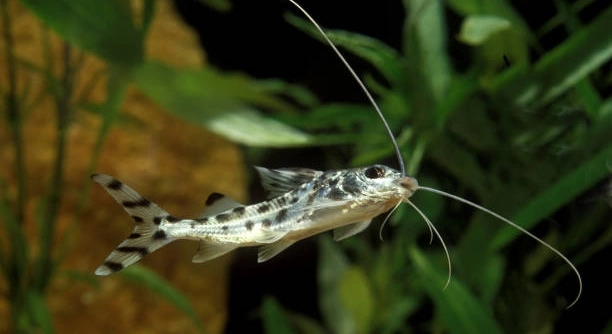
Are your pictus catfish showing hesitation toward new hides in their tank? It’s common for these fish to avoid unfamiliar shelters, which can leave their owners puzzled about how to help them feel comfortable in their environment.
Pictus catfish may avoid new hides due to factors such as unfamiliarity, improper placement, water quality, stress, size or shape of the hide, lack of cover, and the fish’s individual temperament. These factors influence their sense of security and willingness to explore.
Understanding why your pictus act this way can improve their well-being and tank setup. The following reasons will clarify what might be causing their avoidance and how to address it effectively.
Unfamiliarity With the New Hide
Pictus catfish are naturally cautious creatures. When a new hide is introduced, they may not immediately recognize it as a safe space. This unfamiliar object can cause hesitation or avoidance until they feel confident that it poses no threat. The material, color, or shape of the hide might differ significantly from what they are used to, making it harder for them to accept. Sometimes, the scent or the way the hide interacts with the water can also affect their comfort level. To help your pictus adjust, placing the new hide gradually or near their existing shelters can make the transition smoother. Over time, they usually become more curious and begin to explore it as part of their environment. Patience is important because forcing or moving the fish around the hide too much may increase their stress instead of helping them feel secure.
Introducing new hides slowly allows the fish to explore at their own pace without feeling threatened.
Giving your pictus space and time to get used to the new object reduces stress and encourages natural behavior. Keeping the hide in a familiar area can support this adjustment and help them feel safe. Consistency in tank conditions will also make acceptance easier, as sudden changes can cause further avoidance.
Placement of the Hide
Proper placement of the hide can make all the difference in whether pictus catfish use it. They prefer spots that offer cover but are still accessible for them to enter and exit comfortably. Placing a hide too close to strong currents or in a highly exposed area may discourage them from approaching. Ideally, hides should be positioned where the fish can quickly retreat if they sense danger but still have clear access to the rest of the tank. This balance helps them feel secure without feeling trapped. Lighting near the hide can also affect its appeal; dimmer areas tend to be preferred since pictus are more active during low light periods. Observing their behavior and adjusting the hide placement accordingly can increase the likelihood they will use it as intended.
The location of the hide influences your pictus catfish’s sense of safety and willingness to explore.
Finding the right spot requires watching how your fish move around the tank and identifying areas they frequent. It might take a few tries to discover the optimal location, but the effort is worth it. A well-placed hide provides essential refuge and comfort, supporting your pictus’ natural instincts and reducing stress. Avoiding busy or brightly lit sections helps them feel less exposed. Once the hide is positioned correctly, your pictus will be more likely to make it their regular resting place.
Stress and Water Quality
Stress can cause pictus catfish to avoid new hides. Changes in water quality or tank conditions make them feel insecure, leading to cautious behavior around unfamiliar objects. Maintaining stable parameters is key for their comfort.
Poor water conditions can increase stress levels in pictus catfish, causing them to hide less or avoid new shelters entirely. Ammonia, nitrites, and nitrates must be monitored closely, as any imbalance can make fish uncomfortable or sick. Regular water changes and proper filtration help maintain a healthy environment, encouraging natural behaviors. Stress from water quality issues can also weaken their immune system, making them less active and less likely to explore new hides. Keeping the water clean and consistent reassures your fish and supports their well-being.
Stress reduction is essential when introducing anything new in the tank. Gradual changes and good water maintenance help your pictus feel safe and more willing to accept new hides. Avoid sudden shifts in temperature or chemical levels to prevent additional stress. Observing your fish’s behavior closely during changes can help you catch problems early and adjust accordingly.
Size and Shape of the Hide
The size and shape of a hide directly impact whether pictus catfish will use it. Too small or oddly shaped hides may feel cramped or unnatural, discouraging use. The hide should match their size comfortably.
Pictus catfish need hides large enough to enter easily and turn around inside. A hide that’s too tight can cause discomfort or fear, leading them to avoid it altogether. Shapes that mimic natural shelters, such as caves or crevices with smooth edges, tend to be more appealing. Sharp corners or awkward openings can deter use and increase stress. Ensuring the hide fits the fish well supports their natural instincts for shelter and protection.
Choosing hides that reflect the natural environment of pictus catfish makes a big difference. Rounded edges and enough space to move inside promote trust and comfort. Experimenting with different hide styles may help you find the best option. The right size and shape contribute to your fish feeling secure and supported, encouraging regular use and reducing hiding elsewhere in the tank.
Lack of Cover Inside the Hide
If a hide lacks enough cover or darkness, pictus catfish may avoid it. They prefer shelters that feel secure and offer protection from light and movement.
A hide that is too open or brightly lit does not provide the sense of safety pictus need. They rely on shaded, enclosed spaces to feel protected from perceived threats.
Individual Temperament Differences
Each pictus catfish has a unique personality that affects how it reacts to new hides. Some are naturally shy and cautious, while others are more curious and bold.
These temperament differences mean not all pictus will accept new hides at the same rate. Some may take longer to explore or may never fully use certain shelters depending on their comfort level and experience.
Presence of Other Tank Inhabitants
The behavior of other fish in the tank can influence your pictus catfish’s willingness to use new hides. Aggressive or territorial tankmates can create stress or competition for shelters.
Ensuring peaceful coexistence and enough hiding spots for all species helps your pictus feel safe and reduces avoidance of new hides.
FAQ
Why does my pictus catfish avoid all hides, even old ones?
Pictus catfish may avoid hides if they feel stressed or unsafe in their environment. Changes in water quality, tank mates, or lighting can affect their behavior. Sometimes, illness or discomfort causes them to hide less or stay in open areas. Ensuring stable water conditions and providing multiple hiding spots can help them feel secure again.
How long does it take for pictus to accept a new hide?
Acceptance time varies by individual fish, but it usually takes several days to a few weeks. Gradually introducing the hide near familiar shelters speeds up adjustment. Patience is important because forcing fish near the hide may increase stress and delay acceptance.
Can the material of the hide affect pictus behavior?
Yes, materials like plastic, ceramic, or natural wood can feel different to your fish. Some pictus prefer natural textures that mimic their wild environment. Smooth surfaces are generally safer, while rough or sharp edges can discourage use. Testing different materials can identify what your fish prefers.
Is lighting around the hide important?
Lighting greatly impacts pictus comfort. These fish prefer dim or shaded areas for hiding, as bright light makes them feel exposed. Placing hides in darker corners or behind plants can increase their use. Adjusting tank lighting to create low-light zones benefits their natural behavior.
Should I rearrange the tank to encourage pictus to use new hides?
Rearranging can help if done carefully. Moving hides closer to areas where pictus already spend time can encourage exploration. Avoid frequent or drastic changes, as they can increase stress. A gradual approach with small adjustments is best to help fish adapt.
Do pictus catfish need multiple hides?
Providing several hides is beneficial, especially in tanks with multiple fish. It reduces competition and stress by offering choices. Different shapes, sizes, and locations of hides allow pictus to select spots that feel safest to them throughout the day.
How does tank size affect pictus hiding behavior?
In smaller tanks, limited space can reduce hide options, making fish feel exposed. Larger tanks allow for more hiding spots and better territory distribution. Ensuring your tank is large enough and well-decorated with hides supports natural behaviors and reduces avoidance.
Can other fish discourage pictus from using hides?
Yes, aggressive or territorial tankmates may dominate hides, preventing pictus from accessing them. This causes stress and avoidance. Providing multiple hides and monitoring fish interactions helps maintain peace and allows pictus to feel secure in their space.
Are pictus catfish nocturnal or diurnal, and how does this affect their hiding?
Pictus catfish are mostly nocturnal, meaning they are more active during low light or nighttime. They prefer hiding during the day and exploring at night. Providing dark hides and dim lighting during the day matches their natural behavior and encourages hiding when needed.
What signs show that a pictus catfish is stressed?
Signs include reduced activity, loss of appetite, hiding excessively, or erratic swimming. Stress often causes fish to avoid new hides or familiar shelters. Monitoring behavior and maintaining good water quality can reduce stress and improve their willingness to use hides.
Can temperature changes impact hide usage?
Sudden or extreme temperature changes cause discomfort and stress, affecting fish behavior. Pictus catfish prefer stable temperatures between 75–82°F (24–28°C). Keeping temperature consistent encourages normal activity and comfort with hiding spots.
Is it necessary to clean hides regularly?
Yes, regular cleaning prevents algae buildup and harmful bacteria. However, avoid harsh chemicals or excessive cleaning that disrupt beneficial bacteria. Gentle rinsing in tank water during water changes keeps hides safe and attractive to your fish.
Do pictus catfish prefer natural or artificial hides?
Many pictus favor natural hides such as driftwood or rocks because they resemble their wild habitats. Artificial hides are acceptable if they are safe and comfortable. Offering a mix allows your fish to choose what feels best.
How can I tell if a hide is too small?
If your pictus tries to enter but quickly backs out or avoids it entirely, the hide may be too tight. Fish need enough room to turn around comfortably inside. A hide roughly 1.5 times the size of the fish’s length is usually suitable.
What should I do if my pictus refuses all hides?
Check tank conditions first—water quality, temperature, lighting, and tankmates. Provide multiple hiding spots and give your fish time to adjust. If refusal continues, consider consulting a vet to rule out illness.
Can hiding behavior change with age?
Yes, younger pictus may be more cautious and hide more often. As they mature, they can become bolder and explore more freely. Changes in hiding habits may reflect their growing comfort and adaptation to the tank environment.
Is it normal for pictus to change hides frequently?
It is normal for pictus catfish to move between hides. This behavior can reflect their search for the safest or most comfortable spot. Providing variety supports their natural instincts and keeps them active.
Does feeding near the hide encourage use?
Feeding near or inside hides can build positive associations, encouraging fish to explore and use the shelter. However, avoid overfeeding or leaving food to rot inside hides, as this affects water quality and fish health.
Are there signs that a hide is causing stress?
If fish avoid a hide completely, show signs of stress nearby, or if tankmates fight over it aggressively, it might not be suitable. Observing your pictus’ reactions helps identify if a hide is causing discomfort.
How often should I introduce new hides?
Introducing new hides every few months can refresh your tank environment and stimulate exploration. Avoid frequent changes to prevent stress. Gradual introduction helps fish adjust comfortably.
Can plants near hides affect pictus behavior?
Yes, plants can add cover and security, making hides more attractive. They also reduce light intensity around the shelter. Live plants improve water quality, contributing to a healthier environment for your pictus catfish.
When pictus catfish avoid new hides, it often reflects their need for safety and comfort. These fish are naturally cautious, and unfamiliar objects can make them feel uneasy. Factors such as the size, shape, placement, and material of the hide all influence whether your pictus will accept it. In addition, water quality, tank conditions, and interactions with other fish play important roles in their behavior. Taking time to observe your fish and adjust their environment accordingly helps create a space where they feel secure and willing to explore new additions.
Maintaining stable water conditions is essential for your pictus catfish’s well-being. Stress from poor water quality or sudden changes can make them avoid hides or act differently. Regular water testing and care, along with thoughtful tank arrangements, reduce stress and promote natural behaviors. When introducing new hides, gradual placement near familiar areas encourages curiosity without overwhelming your fish. Also, providing several hides throughout the tank allows pictus to choose the spots where they feel safest, reducing competition and tension among tankmates.
Every pictus catfish has its own personality, which means their reactions to new hides will vary. Some may quickly accept new shelters, while others take more time or prefer only certain types. Patience and careful observation are key when helping your fish adjust. Understanding their needs and preferences lets you create a comfortable environment that supports their natural instincts. With proper care and attention, your pictus catfish will feel more at ease and make good use of the hides you provide.

Hello,
If you enjoy the content that we create, please consider saying a "Thank You!" by leaving a tip.
Every little bit helps us continue crafting quality advice that supports the health, happiness, and well-being of pets around the world, for pets of all shapes, sizes, and species.
We really appreciate the kindness and support that you show us!