
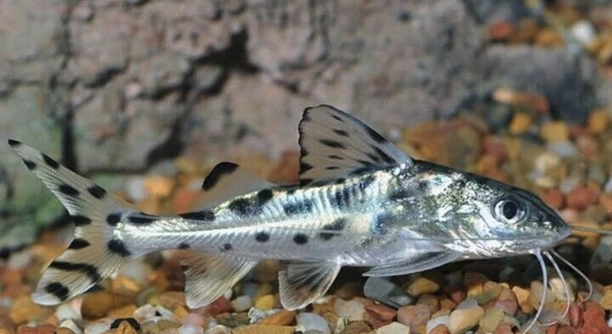
Are your pictus catfish looking dull or pale despite your efforts to care for them? This can be frustrating when you expect vibrant colors from your aquarium. Many factors can affect their appearance beyond just water quality.
Pictus catfish may lose their vivid color due to stress, poor diet, inadequate lighting, or unsuitable water conditions. Additionally, illness or aging can contribute to a dull or pale look, impacting their natural vibrancy and overall health.
Understanding these reasons will help you improve your pictus’ appearance and ensure they thrive in your tank. The following points explain what to watch for and how to help.
Stress and Environment
Pictus catfish are sensitive to their environment, and stress is a common reason their colors fade. Changes such as sudden water temperature shifts, overcrowding, or aggressive tank mates can make them feel unsafe. Stress weakens their immune system and causes their colors to dull. Keeping your tank stable with proper water parameters and a calm atmosphere is essential. Regular water changes and avoiding loud noises around the aquarium can also reduce stress. Creating hiding places with plants or decorations helps them feel secure. When pictus feel comfortable, their natural colors are more likely to shine through, reflecting good health and proper care.
Maintaining a stable environment with minimal stress will support your pictus’ color and overall well-being. Stress reduction is one of the simplest ways to keep their appearance vibrant.
Providing a calm, stable tank environment ensures your pictus remain colorful. Avoid rapid changes, overcrowding, and aggressive fish to keep stress low and colors bright.
Poor Diet and Nutrition
A poor diet can quickly affect a pictus catfish’s appearance. These fish need a varied diet rich in proteins and nutrients to maintain their vibrant color. Feeding only flakes or pellets may not meet their nutritional needs. Including live or frozen foods like bloodworms, brine shrimp, or daphnia helps supply essential vitamins and minerals. A balanced diet supports healthy skin and scales, preventing dullness or paleness. Overfeeding or feeding low-quality food can also harm their health and coloration. Monitoring what and how much you feed your pictus plays a key role in their overall brightness and vitality. Consistent, nutritious meals contribute to long-lasting, vibrant colors.
Inadequate Lighting
Proper lighting is important for pictus catfish to show their best colors. Too little light can make their colors fade, while too much light can stress them. A balanced light schedule of around 8 to 10 hours daily works well.
Pictus catfish prefer dimmer lighting because they are nocturnal and often hide during bright daylight. Bright aquarium lights can cause them to retreat, making their colors appear dull. Using subdued or adjustable lighting allows them to come out more often, displaying natural color. Providing shaded areas or floating plants helps filter light, creating a comfortable environment. Consistent light cycles also help regulate their behavior and health.
Adjusting lighting to mimic their natural habitat encourages pictus catfish to be more active and colorful. Observing how they respond to different lighting setups can guide you to the best balance for your tank.
Water Quality Issues
Poor water quality is a leading factor that impacts pictus coloration. Ammonia, nitrite, or nitrate buildup harms fish health and weakens their color. Regular water testing and maintenance are essential to avoid these problems.
Water parameters such as pH, hardness, and temperature need to stay within ideal ranges for pictus catfish. Sudden changes or toxic conditions cause stress and reduce vibrancy. Keeping ammonia and nitrite at zero and nitrates low with frequent water changes protects their wellbeing. Using a reliable filtration system and avoiding overcrowding helps maintain good water quality. Clean water supports healthy skin and brighter colors. Poor water quality often hides other health issues that can worsen color fading if left unchecked.
Regular testing and maintenance prevent water quality problems that dull pictus catfish colors. Taking time to monitor and care for the tank ensures your fish stay healthy and colorful.
Aging and Natural Fading
As pictus catfish get older, their colors naturally become less vibrant. This is a normal part of their life cycle. Aging fish may look paler even when healthy.
Older pictus often show duller colors because their metabolism slows down. While they still need good care, their brightness won’t be as intense as when they were younger. This change is gradual and expected.
Illness and Disease
Illness can quickly cause your pictus to lose color. Parasites, infections, or poor immune response affect their skin and scales, resulting in a pale appearance. Treating health issues early is important to prevent permanent damage.
Genetics and Breeding
Some pictus catfish are naturally less colorful due to their genetic makeup. Breeding lines vary, so not all individuals have bright markings or strong contrast. This is normal and doesn’t usually indicate a problem.
FAQ
Why is my pictus catfish suddenly looking pale?
Sudden paleness in pictus catfish usually points to stress or poor water quality. Changes in water temperature, high ammonia, nitrite, or nitrate levels can affect their color quickly. Stress from new tank mates or overcrowding can also cause their colors to fade. Checking water parameters and tank conditions is the first step to finding the cause.
How often should I feed my pictus catfish to keep their colors bright?
Feeding your pictus catfish once or twice daily with a balanced diet is ideal. Include protein-rich foods like bloodworms, brine shrimp, or quality pellets. Avoid overfeeding, as excess food can pollute the tank and harm water quality, which in turn affects their coloration.
Can lighting affect my pictus catfish’s color?
Yes, lighting plays a significant role. Pictus catfish prefer dimmer light since they are nocturnal. Bright or harsh lighting can stress them and cause them to hide, leading to dull colors. Using subdued lighting or providing shaded areas can help them feel safe and display their natural vibrancy.
Is it normal for pictus colors to fade with age?
It is normal for pictus catfish colors to become less intense as they age. Their metabolism slows, and natural fading happens gradually. This doesn’t necessarily indicate illness, but keeping good care and a healthy environment can help maintain their appearance as best as possible.
What water conditions are best for pictus catfish?
Pictus catfish thrive in clean, well-filtered water with a pH between 6.5 and 7.5. The temperature should stay around 72–78°F (22–26°C). Regular water changes and avoiding overcrowding help maintain low ammonia, nitrite, and nitrate levels, supporting both health and color vibrancy.
Can illness cause my pictus to look pale?
Yes, diseases such as parasites, bacterial infections, or fungal problems can cause paleness. Ill fish often show other signs like lethargy, clamped fins, or loss of appetite. Early diagnosis and treatment are important to restore health and prevent color loss.
How can I reduce stress for my pictus catfish?
Maintaining stable water parameters, avoiding sudden changes, and providing plenty of hiding spots reduce stress. Keep compatible tank mates and avoid overcrowding. A calm environment with minimal disturbances supports their well-being and helps their colors stay bright.
Is diet alone enough to keep my pictus colorful?
Diet is crucial but not the only factor. Even the best food won’t maintain bright colors if water quality is poor or the fish are stressed. Balanced nutrition combined with good tank conditions and proper lighting is key to keeping your pictus looking vibrant.
Should I use supplements or color-enhancing foods?
Some commercial color-enhancing foods contain carotenoids or other pigments that may improve color intensity. These can be used occasionally but should not replace a varied, nutritious diet. Relying only on supplements without proper care won’t solve fading issues.
Can breeding affect the color of my pictus catfish?
Yes, genetics influence coloration. Some pictus strains naturally have less contrast or paler markings. If your fish come from a line with subdued colors, this is normal. It’s important to focus on health and care rather than just appearance.
Taking care of pictus catfish requires attention to several key factors that affect their color and health. Their dull or pale appearance is often a sign that something in their environment needs adjustment. By paying close attention to water quality, diet, lighting, and stress levels, you can help your pictus regain their natural vibrancy. These fish respond well to stable and clean conditions, so regular maintenance and monitoring are important for their well-being. When their environment is right, their colors usually improve, reflecting a healthy and happy fish.
It is also important to understand that some changes in appearance are natural. Aging pictus catfish often show less intense colors, which is normal and not necessarily a sign of illness. Genetics also play a role in how bright their colors can be. Not every pictus catfish will have the same pattern or vibrancy, even with perfect care. Recognizing what is normal for your fish will help you avoid unnecessary worry and focus on what you can control, such as maintaining good water conditions and providing a nutritious diet.
If you notice your pictus catfish looking dull or pale, taking quick action is key. Test the water, review their diet, check the lighting, and observe their behavior to spot any signs of stress or illness. Small changes can make a big difference in their appearance and overall health. Keeping a pictus catfish tank well-maintained and balanced creates an environment where these beautiful fish can thrive and show their best colors over time. Consistency in care is the best way to support your fish’s natural beauty and longevity.

Hello,
If you enjoy the content that we create, please consider saying a "Thank You!" by leaving a tip.
Every little bit helps us continue crafting quality advice that supports the health, happiness, and well-being of pets around the world, for pets of all shapes, sizes, and species.
We really appreciate the kindness and support that you show us!