
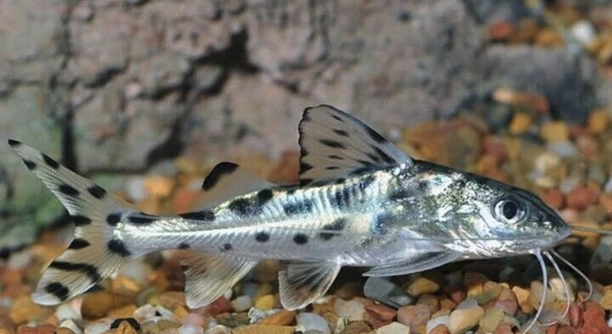
Are your Pictus catfish often getting sick despite your care? Keeping these fish healthy can sometimes be tricky, even for experienced aquarists. Many factors in their environment and diet affect their well-being.
Pictus catfish commonly get sick due to poor water quality, improper diet, stress, overcrowding, inadequate tank conditions, infections, and lack of proper care. Each of these factors can weaken their immune system and lead to frequent illness.
Understanding these common causes will help you take better care of your fish and improve their overall health and happiness in your aquarium.
Poor Water Quality
Maintaining good water quality is crucial for the health of your Pictus catfish. Dirty or polluted water stresses the fish and makes them more prone to illness. High levels of ammonia, nitrites, or nitrates can damage their gills and weaken their immune system. Even changes in pH or temperature outside their comfort zone can cause stress. Regular water testing and partial water changes help keep the environment stable and clean. Avoid overcrowding the tank, as this can quickly lead to poor water conditions. Using a good filtration system also plays a key role in removing waste and toxins. Remember, a clean tank means healthier fish. Ignoring water quality often leads to repeated health problems and shorter lifespans for your catfish.
Regular water changes, testing, and proper filtration can significantly reduce sickness in your fish.
Besides maintaining water quality, it’s important to know how often to change the water and how to do it safely. A weekly change of about 20-30% of the tank water usually works well. Make sure to use a water conditioner to remove chlorine and other harmful chemicals from tap water before adding it back. Also, keep the water temperature steady between 74°F and 79°F (23°C-26°C). Sudden shifts can shock your Pictus catfish. Avoid overfeeding, as leftover food can pollute the water. Finally, clean the tank decorations and substrate regularly to prevent harmful bacteria buildup. All these steps will help keep your fish healthy and happy.
Improper Diet
Feeding your Pictus catfish the wrong diet can cause health issues. They need a balanced diet with enough protein and variety.
A poor diet weakens their immune system and can cause digestive problems, making them sick more often.
Pictus catfish are omnivores and benefit from a mix of sinking pellets, live or frozen foods like bloodworms or brine shrimp, and occasional vegetables. Avoid feeding only flakes or dry food, as they may not provide all necessary nutrients. Overfeeding can lead to obesity and water pollution, both harmful to your fish. Feeding small amounts twice a day is better than a large meal once a day. Watch how your fish reacts to new foods to ensure they are eating well and showing no signs of distress. A good diet supports their energy levels, coloration, and overall health. Adjusting their diet can often improve their condition quickly.
Stress and Overcrowding
Stress is a major factor that makes Pictus catfish sick. Overcrowding the tank causes competition for space and food, increasing stress levels.
Stress weakens the immune system and makes fish more vulnerable to infections. Pictus catfish prefer to have enough room to swim freely and hide. Too many fish in a small tank can cause constant stress, leading to frequent illness. Providing adequate space, hiding spots, and keeping the tank population appropriate reduces stress. Monitoring fish behavior can help detect stress early, such as hiding or erratic swimming.
Overcrowding not only stresses the fish but also worsens water quality. More fish produce more waste, which can increase ammonia and nitrite levels quickly. This creates a harmful environment. A tank of at least 30 gallons is recommended for Pictus catfish, with fewer fish for smaller tanks. Regularly checking the number of fish and maintaining proper conditions helps prevent overcrowding and its related problems.
Infections and Parasites
Infections and parasites are common reasons for your Pictus catfish’s poor health. These problems often come from contaminated water or new tank mates.
Bacterial infections cause symptoms like cloudy eyes, sores, or redness. Parasites, such as ich or flukes, result in white spots, scratching, or lethargy. Quarantining new fish and plants before adding them to the tank lowers the risk of spreading infections. Using medication early when symptoms appear increases the chances of recovery. Proper tank maintenance and hygiene are essential to prevent these health issues from becoming serious.
Inadequate Tank Conditions
Poor tank setup harms Pictus catfish health. Lack of hiding spots and incorrect substrate cause stress.
These fish need a soft substrate like sand and plenty of hiding places, such as plants or caves. Hard or rough surfaces can injure their barbels, making infections more likely.
Temperature Fluctuations
Sudden changes in water temperature stress Pictus catfish. They thrive best between 74°F and 79°F (23°C-26°C). Frequent shifts can weaken their immune system and cause illness. Using a reliable heater and thermometer helps maintain steady conditions.
Lack of Proper Care
Neglecting routine tank cleaning and monitoring can lead to sick fish. Regular maintenance prevents buildup of harmful substances and detects health problems early. Consistency in care supports their long-term well-being.
FAQ
How often should I change the water for my Pictus catfish?
Changing about 20-30% of the water weekly is ideal. This helps keep the water clean and free from harmful chemicals. Always use a water conditioner to remove chlorine or chloramine from tap water. Regular changes prevent the buildup of toxins that can stress and harm your fish.
What is the best diet for a Pictus catfish?
A balanced diet includes sinking pellets, live or frozen foods like bloodworms or brine shrimp, and occasional vegetables. Avoid feeding only flakes or dry food. Overfeeding should be avoided as leftover food pollutes the tank and causes health problems. Feeding small amounts twice a day usually works well.
Why does my Pictus catfish hide a lot?
Hiding can be normal behavior, but constant hiding often indicates stress. Poor water quality, overcrowding, or lack of hiding spots might be the cause. Make sure the tank is clean, not overcrowded, and includes caves or plants for shelter.
Can tank mates cause illness in Pictus catfish?
Yes, aggressive or incompatible tank mates can stress your catfish, leading to illness. New fish may also introduce infections or parasites. Quarantining new fish before adding them helps protect your existing fish.
How do I know if my Pictus catfish is sick?
Signs include loss of appetite, sluggish swimming, clamped fins, white spots, redness, or sores. Cloudy eyes or difficulty breathing can also be symptoms. Early detection and treatment improve the chance of recovery.
What water parameters are best for Pictus catfish?
Pictus catfish prefer water with a pH between 6.5 and 7.5, temperature between 74°F and 79°F (23°C-26°C), and soft to moderately hard water. Stable conditions reduce stress and prevent illness.
How can I prevent infections and parasites?
Keep the tank clean and quarantine new fish or plants before adding them. Avoid overcrowding and maintain good water quality. Using medication at the first sign of infection helps stop it from spreading.
Is it normal for Pictus catfish to lose color?
Loss of color can be a sign of stress or poor health. Check water quality, diet, and tank conditions. Improving these factors often helps fish regain their natural color.
Can overfeeding cause sickness?
Yes, overfeeding leads to poor water quality and obesity in fish. Leftover food decays and releases harmful chemicals. Feed small amounts twice daily and remove uneaten food after a few minutes.
What should I do if my fish gets sick?
Isolate the sick fish in a quarantine tank if possible. Test water quality and correct any issues. Use appropriate medication based on symptoms and follow the instructions carefully. Consult an expert if unsure about treatment.
Taking care of Pictus catfish can sometimes be challenging, especially when they keep getting sick. It is important to remember that these fish need a clean and stable environment to stay healthy. Paying attention to water quality, feeding the right diet, and providing enough space are some of the basic steps to prevent illness. When these needs are met, Pictus catfish can live longer and be more active in your aquarium.
Another key point is to watch for signs of stress or sickness early. Changes in behavior, color, or appetite can show that something is wrong. Acting quickly by testing the water, adjusting tank conditions, or treating infections can help your fish recover faster. Ignoring these signs can lead to worse health problems. Keeping your tank clean and stable, along with regular care, is the best way to avoid these issues.
Overall, maintaining a proper environment and routine care are essential to your Pictus catfish’s health. By understanding their needs and the common reasons they get sick, you can prevent many problems. Taking simple steps like regular water changes, balanced feeding, and avoiding overcrowding makes a big difference. Your attention to these details will help your fish stay strong and happy for a long time.

Hello,
If you enjoy the content that we create, please consider saying a "Thank You!" by leaving a tip.
Every little bit helps us continue crafting quality advice that supports the health, happiness, and well-being of pets around the world, for pets of all shapes, sizes, and species.
We really appreciate the kindness and support that you show us!