
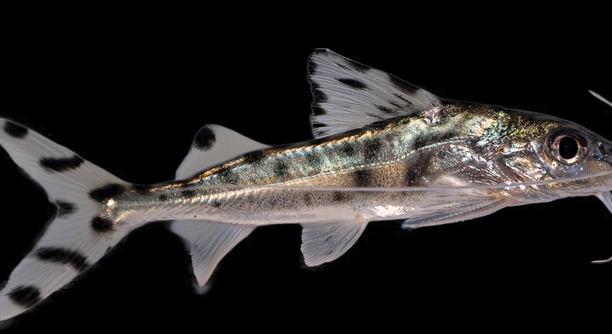
Is your Pictus catfish showing signs of loneliness or unusual behavior in your aquarium? Many fish owners notice their Pictus catfish acting differently, especially when they seem isolated or inactive. Understanding why this happens can help improve their well-being.
Pictus catfish often act lonely due to environmental stress, lack of companionship, improper tank conditions, or health issues. Addressing these factors through habitat adjustments and social interaction can significantly improve their behavior and overall health.
Learning the reasons behind your catfish’s behavior will help you create a happier and healthier home for your aquatic friend. The following explanations and fixes can guide you toward better care.
Lack of Social Companionship
Pictus catfish are naturally social fish that thrive better when they have companions. In the wild, they live in groups and rely on the presence of others for comfort and security. When kept alone in a tank, they may feel isolated, which can lead to signs of loneliness such as hiding, reduced activity, or lack of interest in food. If your catfish is the only one in the tank, it might be feeling the effects of solitude. Adding a few more Pictus catfish or other compatible species can help provide the social interaction it needs. This change can make a big difference in their mood and behavior.
A single Pictus catfish often shows less activity and more stress compared to those kept in groups. Grouping them encourages natural behavior and reduces loneliness.
Introducing at least three catfish to the tank can improve social stimulation. Make sure your tank is large enough to support multiple fish, with plenty of hiding spaces and clean water. This setup mimics their natural environment and encourages healthy interaction.
Improper Tank Size and Setup
A tank that is too small or poorly arranged can cause stress and loneliness in Pictus catfish. These fish like to swim freely and explore, so cramped spaces limit their movement and comfort. When the tank lacks proper hiding spots like caves, plants, or decorations, the fish may feel exposed and vulnerable. This can make them withdraw or act lonely. A minimum tank size of 30 gallons is recommended for a small group of Pictus catfish. Adding natural elements and hiding places helps them feel secure and encourages natural behavior. Regular maintenance of water quality is also critical to keep them healthy and active. A well-set tank promotes a lively and content fish.
Stress from Poor Water Conditions
Poor water quality can make Pictus catfish stressed and withdrawn. High ammonia, nitrite, or nitrate levels harm their health and cause them to act lonely or hide more often.
Maintaining clean water is essential for your catfish’s well-being. Regular water changes and testing the water parameters help keep ammonia, nitrites, and nitrates at safe levels. Using a good filtration system ensures the water stays clear and free of toxins. When water quality drops, fish can become lethargic and less social, showing signs of stress that look like loneliness. Checking temperature and pH regularly is also important since Pictus catfish prefer a stable environment with a temperature between 72–79°F and a neutral to slightly acidic pH.
If water conditions are poor, even small improvements can boost your catfish’s mood and activity. Consistent care and monitoring prevent stress and help them behave naturally, enjoying their environment.
Lack of Proper Diet
An unbalanced diet can lead to boredom and lethargy in Pictus catfish. Without enough nutrition, they may lose energy and appear less active or lonely.
Pictus catfish need a diet rich in protein to stay healthy and active. Feeding them a mix of high-quality sinking pellets, frozen or live foods like bloodworms, brine shrimp, and insect larvae ensures they get necessary nutrients. Avoid feeding only flakes or dry food because they might not provide enough nutrition. Offering variety stimulates their natural hunting instincts and encourages movement. Feeding smaller amounts multiple times a day rather than one large meal also keeps them engaged.
If your catfish isn’t eating well, try changing the diet or feeding schedule. A proper diet will improve their energy, making them more social and lively in the tank.
Sudden Changes in Environment
Sudden changes like moving the tank or adding new fish can stress Pictus catfish. They need time to adjust to avoid feeling lonely or scared.
Keeping the environment stable helps reduce their stress. Gradual changes and a calm setting encourage them to stay active and social.
Illness or Parasites
Illness or parasites can make Pictus catfish weak and withdrawn. Signs include loss of appetite, spots, or unusual swimming behavior. Prompt treatment is necessary to help them recover.
Lack of Stimulation
A bare tank with little to explore can cause boredom and loneliness in Pictus catfish. Adding plants, caves, and decorations provides mental stimulation and encourages natural behavior.
Why is my Pictus catfish hiding all the time?
Hiding is a natural behavior for Pictus catfish, especially when they feel stressed or unsafe. If your catfish is hiding frequently, it may be due to poor water quality, lack of hiding places, or sudden changes in the tank. Providing enough plants, caves, or decorations helps them feel secure. Also, check the water parameters to ensure the tank environment is healthy. A stressed or lonely catfish tends to stay hidden, so addressing these factors can encourage more active behavior.
Can Pictus catfish live alone?
Pictus catfish prefer to live in groups because they are social by nature. Keeping just one can lead to loneliness, which may cause them to act withdrawn or less active. It’s best to keep at least three together in a tank to allow natural interaction and reduce stress. If your tank size is too small for a group, consider adding other peaceful species that can coexist, but remember that Pictus catfish mainly thrive with companions of their own kind.
How often should I feed my Pictus catfish?
Feeding small amounts two to three times a day is ideal for Pictus catfish. This helps keep them active and interested in food throughout the day. Avoid overfeeding because leftover food can pollute the water and cause health issues. A varied diet of sinking pellets, frozen or live foods like bloodworms or brine shrimp works best to meet their nutritional needs and keep them stimulated.
What tank size is best for Pictus catfish?
A minimum of 30 gallons is recommended for a small group of Pictus catfish. They are active swimmers and need enough space to move around comfortably. Larger tanks allow for better water quality and more room to add hiding spots and decorations, which help reduce stress and loneliness. Always consider the number of fish and their adult size when choosing a tank to maintain a healthy environment.
How can I tell if my Pictus catfish is sick?
Signs of illness in Pictus catfish include loss of appetite, unusual swimming patterns, faded colors, or spots on their body. They might also hide more or seem lethargic. Regularly observe your fish’s behavior and appearance. If you notice any symptoms, test the water quality immediately and consult with a veterinarian or an experienced aquarist for proper diagnosis and treatment.
Is it normal for Pictus catfish to be shy?
Yes, Pictus catfish can be shy, especially when first introduced to a new tank. They are nocturnal and often more active during the night or when the tank lights are off. Providing plenty of hiding spots helps them feel safe and reduces stress. Over time, as they get comfortable, you may notice more curious and active behavior.
What decorations help reduce loneliness in Pictus catfish?
Plants, caves, driftwood, and rock formations are great decorations to provide shelter and stimulation for Pictus catfish. These create hiding spots where the fish can feel safe and encourage natural exploration. A well-decorated tank mimics their natural habitat and helps reduce boredom and stress, leading to healthier and more social behavior.
Can stress cause my Pictus catfish to act lonely?
Stress is a major factor that affects Pictus catfish behavior. Stressors include poor water quality, loud noises, sudden movements, overcrowding, or incompatible tank mates. When stressed, they may hide more, lose appetite, or become inactive, which looks like loneliness. Minimizing these stressors by maintaining a stable environment and proper care can improve their mood and activity.
Should I add other fish to keep my Pictus catfish company?
Adding other fish can help if chosen carefully. Pictus catfish do best with other peaceful, similarly sized species. Avoid aggressive or overly territorial fish, which can increase stress. While they prefer their own kind, compatible tank mates can provide additional stimulation and reduce loneliness if the tank is large enough and well-maintained.
How long does it take for Pictus catfish to adjust to a new tank?
Adjustment time varies but generally takes one to two weeks. During this period, they may hide or act shy as they get used to the new environment. Providing a calm, stable tank with proper water conditions and hiding spots helps speed up this process. Avoid sudden changes or overcrowding to make their transition smoother.
When caring for Pictus catfish, understanding their needs is key to keeping them happy and healthy. These fish are social creatures that do best when they have companions and a well-set environment. Many of the behaviors that seem like loneliness, such as hiding or inactivity, are often signs of stress caused by factors like poor water quality, lack of space, or sudden changes. By paying attention to their living conditions and making sure the tank meets their needs, you can help your catfish feel more comfortable and active.
It is important to provide a proper tank setup that includes enough space, hiding spots, and clean water. Regular maintenance such as water testing, changing water, and cleaning the tank reduces harmful substances that can stress your fish. Feeding them a balanced diet with a variety of foods also keeps them healthy and engaged. Social interaction is another essential part of their well-being. Pictus catfish usually do not thrive alone, so having a small group of catfish or compatible tank mates can improve their behavior and reduce signs of loneliness.
Keeping Pictus catfish means watching for signs of stress or illness and acting quickly when something seems wrong. Changes in their behavior, appetite, or appearance often indicate a problem. Simple steps like improving water quality, adjusting the tank layout, or adding companions can make a big difference. Being patient and consistent with care helps your catfish adapt and enjoy their environment. In the end, thoughtful care creates a better home where your Pictus catfish can thrive and show their natural, lively behavior.

Hello,
If you enjoy the content that we create, please consider saying a "Thank You!" by leaving a tip.
Every little bit helps us continue crafting quality advice that supports the health, happiness, and well-being of pets around the world, for pets of all shapes, sizes, and species.
We really appreciate the kindness and support that you show us!