
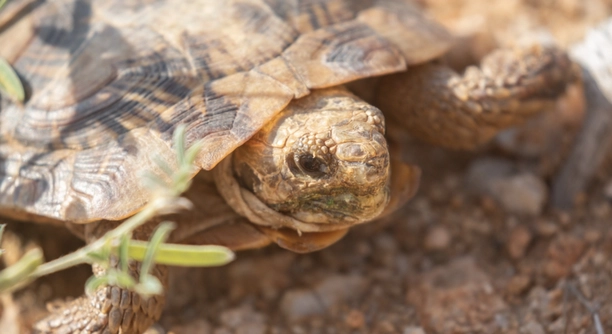
Losing weight rapidly can be concerning for any pet, especially when it comes to your pancake tortoise. If you’ve noticed unexpected weight loss in your tortoise, there could be several underlying reasons behind it.
Pancake tortoises may lose weight rapidly due to a variety of factors, such as improper diet, stress, illness, or environmental issues. Inadequate nutrition, dehydration, or a lack of proper basking spots can also contribute to weight loss.
Understanding the causes behind your tortoise’s weight loss will help you take action to restore their health. Identifying the right steps now can ensure a healthier and happier tortoise for the long term.
Diet and Nutrition Deficiencies
One of the most common reasons for weight loss in pancake tortoises is improper diet. These reptiles require a diet that is high in fiber, with a mix of leafy greens, grasses, and some fruits. If they are fed an unbalanced diet, they might not get the nutrients needed for proper growth and energy. Overfeeding or underfeeding can also cause health problems. Overfeeding may lead to obesity, while underfeeding can result in weight loss, making it important to monitor the amount and type of food provided. Inadequate calcium intake is another issue, as it plays a crucial role in the health of their bones and shell.
Ensuring a proper diet means offering a variety of plant-based foods and providing supplements like calcium when needed. This balanced diet helps keep them in good health and weight.
To maintain a healthy weight, monitor their feeding habits carefully. Regularly check if they are eating well and adjust portions to prevent issues. A varied, nutritious diet is key to their overall well-being.
Stress and Environmental Factors
Stress plays a significant role in a pancake tortoise’s weight loss. Changes in their environment, such as temperature fluctuations, excessive noise, or the presence of other animals, can make them anxious. A stressful living situation leads to a lack of appetite and can cause rapid weight loss. These animals thrive in stable conditions, where they feel safe and secure.
The temperature of their habitat is essential. Pancake tortoises are cold-blooded and need consistent heat to regulate their body temperature. If they are too cold, they may stop eating, leading to weight loss. Proper lighting and humidity levels are just as important for creating a suitable environment. Inconsistent lighting or overly dry conditions can cause dehydration, which can contribute to weight loss.
To keep your pancake tortoise healthy, create a comfortable habitat with stable temperature and humidity. Limit exposure to loud noises or other pets, which could add unnecessary stress. A well-maintained environment encourages healthy feeding and weight gain.
Illness or Infections
Weight loss can often signal an underlying illness or infection in your pancake tortoise. Common issues include respiratory infections, parasites, or gastrointestinal problems. These conditions can cause lethargy, lack of appetite, and rapid weight loss. If your tortoise shows signs of a runny nose, watery eyes, or abnormal stool, it could indicate an infection.
Taking immediate action is important. A visit to a reptile vet is necessary to diagnose the issue. Depending on the diagnosis, your vet may recommend antibiotics, deworming treatments, or other medications. Left untreated, infections can cause serious harm, leading to long-term health problems for your tortoise.
Once treated, your tortoise’s appetite should improve, and weight gain will follow. Be sure to follow the vet’s advice for long-term care. Regular health check-ups can help prevent future health issues and keep your tortoise thriving.
Improper Basking Conditions
If your pancake tortoise is losing weight, improper basking conditions may be to blame. These reptiles need a consistent heat source to properly digest food and maintain metabolism. If their basking area is too cool, they may not eat enough, leading to weight loss. Temperature gradients are necessary to allow your tortoise to regulate body heat.
Ensure your basking area is at the proper temperature. The hotspot should range between 90-100°F, and the cooler area should be around 75°F. With proper basking conditions, your tortoise will be able to digest food more efficiently. Without this, they may appear lethargic and refuse to eat, which can result in weight loss.
Monitoring the temperature regularly is crucial to maintaining a healthy environment. A thermometer and a heat source with UVB lighting will help replicate natural sunlight.
Dehydration
Dehydration is another major factor contributing to weight loss in pancake tortoises. These reptiles need consistent access to fresh water to stay hydrated. If they aren’t drinking enough, it can result in a loss of appetite, reduced energy levels, and rapid weight loss.
Make sure your tortoise has access to clean, fresh water at all times. Some tortoises prefer to soak in water, so you can also offer shallow water baths to encourage drinking. Dehydration can cause serious health issues, so monitoring water intake is essential for their well-being.
Lack of Exercise
Like all reptiles, pancake tortoises need regular exercise to stay healthy. A lack of space to move around can result in weight loss and overall poor health. If they are kept in too small of a enclosure or aren’t allowed to roam, they can become lethargic.
Ensure that your tortoise has enough space to roam freely. A larger enclosure with plenty of hiding spots and opportunities for movement helps keep them physically active and prevents weight loss. Regular exercise also promotes healthy digestion and encourages feeding.
Overcrowding in Enclosure
If your pancake tortoise is housed with other animals, overcrowding can be a hidden issue. Too many animals in one space can lead to stress, territorial behavior, and reduced access to food and water. This environment can cause rapid weight loss.
Monitor the number of animals in your tortoise’s enclosure. It’s important to ensure there’s enough space for each animal to eat, drink, and bask without competition. A stressed tortoise may avoid eating, leading to weight loss. Keep your tortoise in a peaceful and comfortable space for better health.
FAQ
What should I do if my pancake tortoise isn’t eating?
If your pancake tortoise isn’t eating, the first thing to check is their environment. Ensure the temperature and humidity levels are correct. A lack of proper basking or cooling areas can affect their appetite. Also, check their diet to make sure they’re getting a variety of fresh, nutritious food. If they continue to refuse food, it could be a sign of illness or stress, so a visit to the vet may be necessary to rule out any health problems.
How can I tell if my pancake tortoise is stressed?
Stressed pancake tortoises might exhibit a few different behaviors, including hiding more than usual, reduced activity, or a lack of appetite. They might also become more defensive or aggressive when handled. Environmental stressors such as loud noises, overcrowding, or even a sudden change in habitat can cause these reactions. Keeping their environment stable and quiet can help reduce stress.
What are the signs of dehydration in my pancake tortoise?
Signs of dehydration include a dry, sunken appearance in their eyes, lethargy, and a lack of interest in food. They may also show signs of difficulty moving or be reluctant to bask. Dehydration can be dangerous, so always make sure your tortoise has access to clean water, and offer them a shallow bath if necessary to encourage drinking.
How do I provide a proper diet for my pancake tortoise?
A healthy diet for a pancake tortoise includes leafy greens like dandelion, kale, and collard greens, as well as grasses and small amounts of fruit like melon or berries. Offering variety is key. Avoid feeding them too much fruit or high-protein foods, as this can lead to health issues. Supplementing their diet with calcium powder or cuttlebone will help maintain strong bones and a healthy shell.
Can my pancake tortoise eat fruit every day?
While pancake tortoises enjoy fruit, it should not be a daily part of their diet. Fruit is high in sugar and can cause digestive issues if fed too often. Offer fruit as an occasional treat, and focus on providing leafy greens and grasses for their main meals. This will help maintain a balanced diet.
How do I know if my pancake tortoise is sick?
Signs of illness include lethargy, lack of appetite, abnormal stool, wheezing, runny nose, or swollen eyes. If you notice these symptoms, it’s crucial to take your tortoise to a reptile vet for an evaluation. Timely medical attention is important to avoid long-term health issues.
Is it normal for my pancake tortoise to hide a lot?
Yes, it’s normal for pancake tortoises to hide occasionally. In the wild, they often seek shelter to stay safe from predators or extreme weather conditions. However, if they’re hiding excessively or for long periods, it could be a sign of stress or illness. Ensure their habitat is comfortable and safe to encourage normal behavior.
How can I make sure my pancake tortoise gets enough calcium?
Calcium is essential for your pancake tortoise’s bone and shell health. Offer calcium supplements in the form of a powder sprinkled over their food or provide cuttlebone in their enclosure. Be sure to offer calcium about 2-3 times a week. If you’re concerned about their intake, consult a vet for additional guidance.
What is the ideal temperature for a pancake tortoise’s habitat?
Pancake tortoises need a temperature gradient in their enclosure. The basking area should be around 90-100°F, while the cooler area should be about 75°F. This temperature range helps regulate their metabolism and encourages healthy digestion. Use a thermometer to monitor these temperatures and adjust the heat source as needed.
Can I house multiple pancake tortoises together?
While pancake tortoises can live together in the wild, housing multiple tortoises in captivity can be tricky. Overcrowding may lead to stress, fighting, and competition for food. If you choose to keep more than one, ensure that their enclosure is large enough and that each tortoise has enough space to bask, eat, and hide. Separate housing may be necessary if there is aggression.
How can I prevent my pancake tortoise from losing weight?
Preventing weight loss starts with ensuring a balanced diet and a healthy environment. Keep their enclosure clean, provide proper basking conditions, and monitor their food intake. Also, check for any signs of illness or stress. Regular vet check-ups can help catch any health issues early, preventing long-term weight loss.
Can pancake tortoises eat commercial pellets?
Commercial pellets can be used occasionally, but they should not make up the majority of your tortoise’s diet. These pellets are often too high in protein and lack the variety of nutrients found in fresh vegetables and grasses. It’s best to offer pellets as a supplement rather than a main food source.
How often should I feed my pancake tortoise?
Young pancake tortoises need to be fed daily, while adult tortoises can be fed every other day. Offer a variety of foods in small amounts to ensure they receive the nutrients they need. Overfeeding can lead to obesity, so it’s important to monitor portion sizes. Always remove any uneaten food after a few hours to avoid mold growth.
When your pancake tortoise begins losing weight rapidly, it’s important to take action quickly. Several factors can contribute to weight loss, including diet, environmental stress, illness, and dehydration. Ensuring a balanced diet with plenty of leafy greens and occasional fruit, along with proper calcium supplementation, is key to keeping them healthy. The temperature and humidity of their environment also play a crucial role in their overall health. A proper basking area, along with a cool zone, helps regulate their metabolism, promoting better digestion and appetite. Without these essential factors, your tortoise might struggle to maintain a healthy weight.
Pay close attention to your tortoise’s behavior, as signs of stress or illness may also indicate why they are losing weight. If they’re hiding more than usual, refusing to eat, or showing signs of illness, it’s crucial to assess their living conditions. Excessive noise, overcrowding, or an unstable habitat can all stress out a pancake tortoise, leading to a loss of appetite and weight. Additionally, health issues such as infections or parasites can cause them to stop eating and become lethargic. If you notice any concerning symptoms, a visit to a reptile vet is necessary for proper diagnosis and treatment.
Lastly, regular monitoring and creating a stable environment for your pancake tortoise is essential. Ensuring they have a clean, spacious enclosure with access to fresh water, a balanced diet, and the proper environmental conditions will help prevent many health problems, including weight loss. Keeping a consistent schedule for feeding and maintaining their habitat will provide your tortoise with the best chance to thrive. If weight loss persists despite your efforts, seeking veterinary advice should always be the next step to ensure their well-being. Taking these measures will help your pancake tortoise regain their health and stay strong for years to come.

Hello,
If you enjoy the content that we create, please consider saying a "Thank You!" by leaving a tip.
Every little bit helps us continue crafting quality advice that supports the health, happiness, and well-being of pets around the world, for pets of all shapes, sizes, and species.
We really appreciate the kindness and support that you show us!