
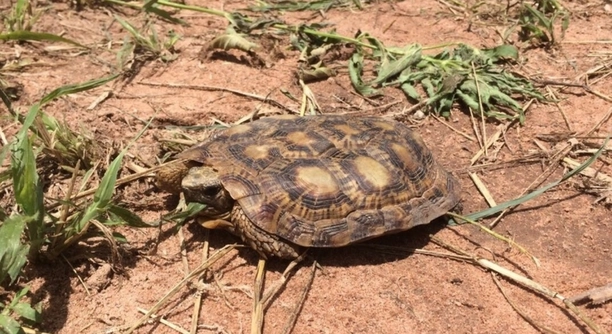
Pancake tortoises are unique pets with distinct behaviors. If you’ve noticed your pancake tortoise scratching its shell, it’s important to understand the potential reasons behind this action. Shell scratching can indicate various factors affecting their health.
The main reason for scratching is discomfort, often caused by shell growth, shedding, or environmental factors. Stress, improper humidity, or poor diet can also contribute. Regular monitoring and proper care can help address the issue and prevent further complications.
Understanding these causes allows you to improve your pancake tortoise’s environment and ensure their well-being for a happy, healthy life.
Shell Growth and Shedding
Pancake tortoises go through natural shell growth and shedding processes, which can sometimes cause discomfort. As they grow, their shells need to expand, which might lead to scratching. If the shell is shedding, it can cause irritation as the old layer loosens. This is especially noticeable during the molting period when the tortoise tries to remove the old shell covering. Scratching is simply part of the process, but it should be monitored.
It’s important to ensure your tortoise has an appropriate environment to support healthy growth. This includes adequate humidity, temperature, and a balanced diet. Proper care during shedding can reduce excessive scratching.
If the scratching persists or becomes excessive, check the shell for signs of damage. Ensure that the habitat is stress-free, with enough space for movement. If the scratching appears abnormal, consult a reptile veterinarian to ensure there are no underlying health concerns.
Stress from Environmental Factors
Environmental stressors can cause a pancake tortoise to scratch its shell as a way to cope. Improper living conditions, such as inadequate humidity, lighting, or overcrowding, can lead to discomfort. When your tortoise feels stressed, it might scratch to relieve tension or simply because it is trying to adjust to its surroundings.
To minimize stress, ensure that your tortoise’s habitat replicates its natural environment as closely as possible. This includes providing ample hiding spots, maintaining the right temperature, and offering a balanced diet. When these factors are in place, your tortoise is likely to feel more secure and calm.
Poor Diet
A poor diet can lead to scratching behavior in pancake tortoises. Inadequate nutrients, particularly calcium, can affect shell growth and overall health, causing discomfort. If the diet lacks variety or is not rich enough in the right vitamins and minerals, your tortoise might start scratching more frequently.
Calcium is essential for the development of a strong, healthy shell. Ensure your tortoise is provided with high-quality greens and supplements to support their nutritional needs. Without proper nutrition, their shell may not grow properly, leading to stress and scratching. Regularly adjust their diet to prevent deficiencies.
A varied diet that includes leafy greens, vegetables, and occasional fruit will help balance nutrition. Dusting their food with a calcium supplement can also be helpful. Keeping track of their food intake will help you understand whether their diet is contributing to the scratching behavior. A well-rounded diet leads to healthier growth and fewer issues with scratching.
Shell Damage
Scratching can also indicate damage to the shell. Pancake tortoises have delicate shells, and any cracks or abrasions can cause them to scratch in an attempt to soothe the discomfort. Check for signs of external injury or stress marks. If there’s visible damage, it could be the reason behind the scratching.
To prevent further damage, make sure the habitat is free from sharp objects or anything that could cause trauma. If you find a crack or break, immediate veterinary care is necessary to ensure proper healing. Shell damage can also be a sign of stress, so ensuring a safe and secure environment is important.
Inadequate Habitat
An inadequate habitat can lead to increased scratching in pancake tortoises. Poor conditions such as incorrect temperature or humidity levels can cause discomfort and stress, making them scratch their shells more. It’s important to maintain the right environment to prevent this behavior.
Ensure your tortoise’s enclosure is spacious, with proper heating, UVB lighting, and humidity levels. A dry or too-warm environment can lead to dehydration, causing irritation. Proper substrate, hiding spots, and areas for basking will allow them to feel secure and reduce the urge to scratch.
Boredom and Lack of Stimulation
Boredom can also cause your pancake tortoise to scratch. Tortoises need environmental enrichment to stay engaged. Without proper stimulation, they may resort to scratching or repetitive behaviors. Providing toys, hiding places, or new objects to explore can help distract them and reduce stress.
Parasites
Parasites, such as mites or fungal infections, could be behind excessive scratching. If your tortoise’s scratching seems abnormal or persistent, check for signs of parasites. They can irritate the skin and cause discomfort, leading to scratching.
Make sure to regularly clean the enclosure and monitor for any signs of parasites, such as small insects or lesions on the skin. If you suspect an infestation, consult with a veterinarian to treat the issue promptly and prevent further irritation.
FAQ
Why is my pancake tortoise scratching its shell?
Scratching is often a sign of discomfort or irritation. It could be related to natural shell growth, shedding, or environmental factors like temperature or humidity. Stress, a poor diet, or even shell damage can also trigger scratching. Keeping an eye on their surroundings and overall health is important to identify the root cause.
How can I stop my pancake tortoise from scratching?
First, ensure your tortoise’s habitat is suitable, with proper humidity, temperature, and UVB lighting. A varied and nutritious diet can help prevent issues with growth. If scratching persists, check for shell damage or parasites. Regular health checks can also help address any underlying problems early.
How do I know if my tortoise’s shell is shedding?
During shedding, you may notice the shell becoming flaky or dry, often with patches of old skin that your tortoise may scratch to remove. It’s a natural process, but it can be uncomfortable. If you notice this, make sure the environment is humid enough to help the shedding process go smoothly.
Can poor diet cause scratching in pancake tortoises?
Yes, a poor diet can lead to scratching. If your tortoise is not getting enough calcium or other essential nutrients, their shell may not grow properly, leading to discomfort. Ensure they’re eating a variety of nutritious foods, including leafy greens and occasional fruits, along with calcium supplements.
What should I do if my tortoise’s shell is damaged?
If your tortoise’s shell has cracks or damage, it’s important to consult a veterinarian. Shell damage can cause significant pain and lead to infections if not treated properly. Until then, ensure the tortoise is in a stress-free, safe environment to avoid further injury.
Can stress cause my pancake tortoise to scratch?
Yes, stress is another common reason for scratching. Changes in the environment, overcrowding, or even a lack of hiding spots can make your tortoise anxious, leading them to scratch their shell as a coping mechanism. Make sure your tortoise has enough space and environmental comfort to reduce stress.
How often should I clean my pancake tortoise’s enclosure?
Cleaning the enclosure regularly is important for maintaining a healthy environment. Remove waste daily, and do a thorough cleaning once a week. This prevents the buildup of bacteria and parasites that could lead to irritation or scratching. Keep the habitat dry and fresh.
What are the signs of parasites in my tortoise?
Signs of parasites include visible lesions on the skin, unusual scratching, or a lack of appetite. You might also notice tiny insects on the tortoise’s shell or body. If you suspect an infestation, take your tortoise to the vet for a proper diagnosis and treatment.
How can I provide proper humidity for my pancake tortoise?
To maintain the right humidity, use a humidity gauge to monitor the levels in the tortoise’s enclosure. The ideal range is between 50-70%. You can achieve this by misting the enclosure daily, adding a water dish, or using a humidifier if needed. Proper humidity helps prevent skin and shell dryness.
Can my pancake tortoise’s scratching lead to injury?
Yes, excessive scratching can lead to injury, especially if your tortoise is scratching at a rough surface or sharp objects. It’s essential to check the habitat regularly for anything that could cause harm. If scratching seems aggressive or results in bleeding, consult a veterinarian immediately.
Should I be concerned if my pancake tortoise is scratching constantly?
If the scratching is constant and doesn’t seem to be related to natural shell growth, it’s worth investigating further. Consistent scratching could indicate stress, discomfort, or an underlying health issue. Make sure their diet, habitat, and general care are appropriate. If the behavior continues, consult a reptile vet.
What type of substrate is best for a pancake tortoise’s enclosure?
Pancake tortoises prefer a dry, easy-to-clean substrate. Coconut coir, aspen shavings, or cypress mulch are great options. Avoid using sand or gravel as they can irritate the skin and make cleaning harder. The right substrate helps maintain the right humidity and keeps the environment comfortable.
How can I prevent my pancake tortoise from getting bored?
To prevent boredom, provide enrichment in the form of new objects, climbing structures, or hiding spots. Tortoises enjoy exploring their surroundings, so creating a stimulating environment with varying textures and shapes can keep them engaged. Rotate toys and objects regularly to keep their interest piqued.
How can I tell if my tortoise is dehydrated?
Signs of dehydration include lethargy, dry or cracked skin, and sunken eyes. If your tortoise isn’t drinking enough water, it might start scratching more due to skin irritation. To prevent dehydration, ensure your tortoise has access to fresh water daily and keep the humidity in their enclosure stable.
Can I use topical creams to treat scratching on my tortoise’s shell?
Topical creams are not recommended unless advised by a veterinarian. Some creams might irritate your tortoise’s skin or be toxic if ingested. It’s better to address the root cause of the scratching, such as habitat issues, diet, or parasites, to prevent further problems.
What are some common mistakes people make with pancake tortoises?
One common mistake is providing inadequate humidity, which can lead to shell and skin problems. Overcrowding and not offering enough hiding spaces can also cause stress, leading to scratching. Additionally, feeding a limited diet without essential nutrients can affect shell health. Make sure to provide a balanced environment for your tortoise.
Final Thoughts
Scratching is a common behavior among pancake tortoises, and while it may seem concerning, it’s often tied to environmental factors or natural processes. It’s important to observe their behavior and ensure their habitat is comfortable. If the scratching is due to stress, inadequate space, or improper temperature, addressing these issues can make a significant difference in their well-being. Keeping your tortoise’s enclosure clean and enriched with objects to explore can also help prevent excessive scratching.
In some cases, scratching could be a sign of health concerns such as parasites or shell damage. If the scratching persists and doesn’t improve with environmental changes, a visit to the vet might be necessary. A vet can help diagnose any underlying issues like fungal infections, mites, or nutritional deficiencies. The sooner any potential health problems are addressed, the better the chances for a quick recovery and continued health for your pancake tortoise.
Lastly, maintaining a proper diet, humidity, and overall care for your tortoise will help minimize unnecessary scratching. Providing a variety of food, ensuring they have enough space to roam, and offering plenty of opportunities for hiding or basking will create a balanced and healthy environment. By staying attentive to your tortoise’s needs, you’ll be able to keep them comfortable and happy, reducing the chances of scratching and other behavioral issues.

Hello,
If you enjoy the content that we create, please consider saying a "Thank You!" by leaving a tip.
Every little bit helps us continue crafting quality advice that supports the health, happiness, and well-being of pets around the world, for pets of all shapes, sizes, and species.
We really appreciate the kindness and support that you show us!