
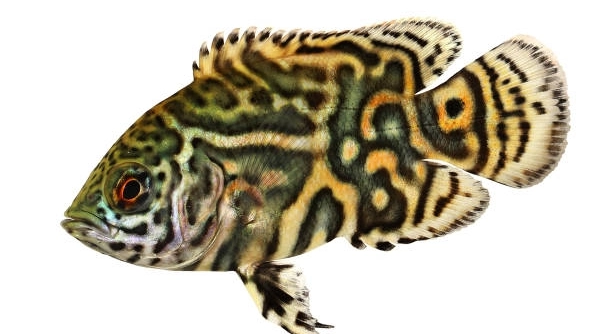
Is your Oscar fish sitting at the bottom of the tank, barely moving, and making you worry something might be wrong with it?
The most common reason your Oscar fish may appear completely still is stress, often triggered by changes in water quality, sudden movements, or environmental shifts. This behavior helps them conserve energy and avoid perceived threats.
Understanding what causes this stillness can help you make the right changes in your tank and improve your Oscar’s overall health and behavior.
Poor Water Quality
Oscar fish are sensitive to changes in water conditions. If the ammonia, nitrite, or nitrate levels are off, they may stay still to avoid added stress. Tap water often contains chlorine, which is harmful to them. A tank that hasn’t been cycled properly or cleaned regularly can make your Oscar feel uncomfortable and cause it to stay at the bottom. Even small shifts in temperature can affect its mood. Oscars prefer warm water, ideally between 74–81°F. When the tank isn’t in that range, they may become inactive. Using a reliable water testing kit helps you catch issues early. Also, make sure you’re doing regular partial water changes every week. Replacing around 25% of the water helps keep things balanced. Good water quality supports better behavior, eating habits, and overall energy levels in Oscars. Once the environment improves, they tend to become more active and alert.
Even if the tank looks clean, unseen problems with the water can still affect your Oscar’s behavior.
Improving water quality can sometimes take a few days, but staying consistent with testing and maintenance is what brings long-term stability. Make sure your filter is working properly, and avoid overfeeding, as that adds to waste buildup. Balanced water makes a big difference.
Stress from Sudden Changes
Stress makes Oscars stop moving to avoid drawing attention to themselves.
Moving decorations around, adding new fish, or even turning lights on and off too quickly can disturb them. Oscars notice sudden shifts, and these things can feel like threats. If a tank mate is aggressive, that can also cause your Oscar to freeze. Noise and activity around the tank, such as people walking past or tapping on the glass, may add more stress. Oscars need time to adjust to changes. Always introduce new fish slowly and keep their environment as stable as possible. A consistent light schedule helps. Keep the tank in a quiet area where loud noises are rare. Sometimes, just covering part of the tank with a towel can help them feel safe again. When you reduce outside stressors and keep things steady, Oscars usually start moving again within a day or two. They may even become more interactive once they feel secure again.
Illness or Injury
Oscar fish may stay still when they’re feeling unwell. Common signs include clamped fins, pale color, or loss of appetite. Parasites, bacterial infections, and internal injuries can all lead to this change in behavior.
It’s important to look closely for other symptoms. White spots might point to ich, while bloating could mean a swim bladder issue. If your Oscar is hiding more than usual or breathing heavily, that’s also a sign something’s wrong. Isolate the fish if needed, and avoid using medication unless you’re sure what the issue is. Some medications can do more harm than good. Clean water and steady tank conditions often help mild problems go away. If things don’t improve after a few days, reaching out to a vet with experience in fish care may be necessary. Catching illness early can make a big difference in your Oscar’s recovery and prevent further stress.
Sometimes, the stillness is due to an injury, like bumping into decorations or jumping and landing awkwardly. Oscars are large, strong fish and can hurt themselves without meaning to. If you suspect an injury, make sure the tank layout is safe and free of sharp edges. Give them time to heal in a quiet, clean environment. Watch for swelling or cuts.
Sleep or Rest Periods
Oscar fish do rest, especially during the night or when lights are dim. They may stay at the bottom or float still near decorations. This type of stillness is normal and shouldn’t cause concern if the fish appears healthy otherwise.
Oscars follow a daily rhythm. When the tank lights go off, their activity drops. They tend to sleep more deeply if the room is dark and quiet. If your Oscar is still during these times but resumes swimming during the day, it’s likely just resting. Avoid disturbing them with sudden movements or bright lights. Give them 8–12 hours of darkness every night. Try not to confuse rest with illness—healthy Oscars will still eat, react to you, and swim normally when awake. Keep an eye on patterns and note any major changes, but in most cases, rest is just a normal part of your Oscar’s routine.
Boredom or Lack of Stimulation
Oscars are intelligent and can get bored if their tank lacks variety. A dull environment may lead to them sitting still for long periods. They enjoy exploring, so empty or unchanging spaces can lower their activity levels.
Adding rocks, plants, and rearranging decorations occasionally can help. You can also try floating toys or introducing safe tank mates for stimulation.
Incompatible Tank Mates
Some Oscars stop moving to avoid confrontation with aggressive or overly active tank mates. If another fish constantly chases or nips, your Oscar may stay still to avoid drawing attention.
Always research compatibility before adding new fish. Oscars do best with calm, similar-sized species.
Aging and Natural Behavior
Older Oscars tend to slow down. As they age, their energy drops, and they may spend more time resting at the bottom of the tank. This is usually normal if they still eat and respond to you.
Overfeeding
Too much food can make an Oscar sluggish. They may become bloated or uncomfortable and stay still until they digest. Stick to a set feeding schedule with small portions.
FAQ
Why is my Oscar just sitting at the bottom of the tank?
Oscars often sit at the bottom when they feel stressed, unwell, or tired. It can also happen if the water quality is off or if there are sudden changes in their environment. Sometimes they’re just resting. If it continues for more than a couple of days or if they show signs like clamped fins, pale color, or not eating, it may be time to check water conditions and consider other possible health concerns.
Can Oscars get depressed or bored?
Yes, Oscars can show signs of boredom or lack of stimulation. They are intelligent fish and need a tank that offers variety and engagement. A bare tank with no plants, hiding spots, or changing elements can make them feel dull and inactive. Giving them space to explore, adding toys like floating ping pong balls, or occasionally shifting the layout of the tank helps keep them mentally engaged.
What does a sick Oscar fish look like?
A sick Oscar may become pale, lose appetite, have clamped fins, or display rapid gill movement. Other signs include swimming sideways, bloating, or white spots on their body. They may also isolate themselves or stay motionless for long periods. Noticing small changes early can help avoid more serious issues later. If your Oscar looks off for more than two days, test the water, observe closely, and isolate if needed.
Is it normal for my Oscar to be inactive during the day?
Oscars usually follow a day-night pattern. They are most active when the lights are on and tend to slow down when it’s dark. If your Oscar is inactive during the day but wakes up at night or still eats well, it might just be adjusting to a reversed light schedule. Try keeping the light on for 8–12 hours during the day and making sure the tank is dark at night.
How do I know if the water is stressing my Oscar?
Unstable water conditions often make Oscars stay still. If you notice your Oscar gasping at the surface, avoiding movement, or showing dull colors, water might be the issue. Use a test kit to check for ammonia, nitrite, and nitrate. Even if the tank looks clean, these levels can be off. Also, sudden temperature changes can cause stress. Oscars prefer a steady 74–81°F.
Should I feed my Oscar when it’s acting still?
Only feed if your Oscar is still showing interest in food. If it’s not eating, take a break for a day or two. Overfeeding can lead to bloating or digestion issues, which makes them more likely to stay still. Once your Oscar starts acting normal again, go back to small, scheduled feedings once or twice a day.
Can lighting affect my Oscar’s behavior?
Yes, sudden changes in lighting or too much light can stress your Oscar. Bright lights turned on or off suddenly can make them freeze in place or hide. Try using a timer to provide consistent lighting, and avoid direct sunlight on the tank. Dimming the lights slowly also helps reduce stress.
What if my Oscar is still not moving after trying everything?
If you’ve checked the water, made the environment comfortable, ruled out tank mates, and nothing changes, it may be time to speak with a vet who handles fish. Long-term stillness is not normal and usually means there’s an underlying issue. Keeping a log of your tank’s readings, changes, and feeding habits can be useful when seeking help.
Final Thoughts
Taking care of an Oscar fish means paying close attention to how it acts. When an Oscar stays still, it’s not always a sign that something is wrong, but it should make you take a closer look. Water quality, stress, health, age, and even boredom can all play a role in why they stop moving. Oscars are not like other fish that swim around constantly. They sometimes stay still to rest or because they feel unsure about something in their environment. The key is to learn what is normal for your Oscar so you can tell when something changes.
If you notice that your Oscar is still more than usual, it’s a good idea to check the basics first. Make sure the water is clean, the temperature is steady, and the tank is quiet. Watch how it reacts to food and light. These small things can tell you a lot about how your Oscar is feeling. If it’s still eating, swimming at times, or reacting to you, the stillness may not be serious. But if it’s ignoring food or hiding all day, that could be a sign something more is going on. Acting early and making small changes often helps before things get worse.
Caring for an Oscar takes patience and consistency. Their behavior can shift based on how you care for their space. Try not to make sudden changes, and always give your Oscar time to adjust. A balanced routine helps them feel safe and stay active. If your Oscar does act still, don’t panic. Start with the basics, stay calm, and work through the possible reasons one step at a time. Watching your Oscar return to its normal behavior can be a good sign that things are improving. Keep learning about their needs and habits so you feel more confident each time something changes.

Hello,
If you enjoy the content that we create, please consider saying a "Thank You!" by leaving a tip.
Every little bit helps us continue crafting quality advice that supports the health, happiness, and well-being of pets around the world, for pets of all shapes, sizes, and species.
We really appreciate the kindness and support that you show us!