
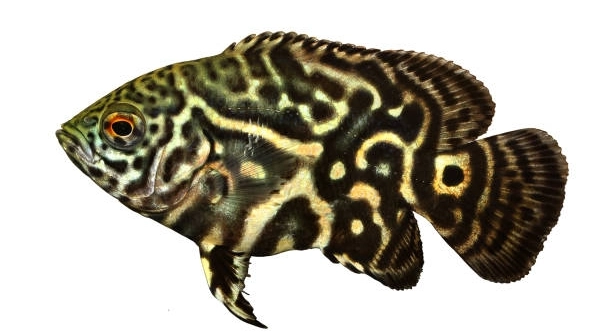
Oscar fish are known for their unique personalities, and sometimes they may refuse to share their space with companions. Understanding the reasons behind this behavior is key to improving their social lives and ensuring they thrive in their tank.
There are various factors that can contribute to an Oscar fish rejecting companions. These include territorial instincts, size differences, aggression levels, or even stress caused by environmental changes. It is important to consider these factors when introducing new tank mates.
By understanding the root causes, you can take the necessary steps to help your Oscar fish adapt and possibly welcome new companions.
Territorial Behavior
Oscar fish are naturally territorial creatures, and this can be one of the main reasons they refuse to accept companions. In the wild, they protect their space fiercely, and this instinct often carries over into their tank life. If your Oscar fish feels that another fish is encroaching on its territory, it may respond with aggression or stress. When introducing a new fish, it’s important to observe how your Oscar reacts. If it displays defensive behaviors, such as chasing or flaring its gills, it may be a sign that it’s trying to defend its space.
To reduce territorial issues, consider rearranging the tank before introducing a new companion. This can help disrupt your Oscar’s sense of ownership over the space. Additionally, providing plenty of hiding spots and ensuring that the tank is large enough for both fish to coexist can make a big difference.
With a little patience and observation, your Oscar might eventually accept new companions. However, there may still be other factors at play that need attention.
Size Differences
Oscar fish are known to be large and aggressive, especially when they feel threatened. If a new companion is too small, your Oscar might see it as prey. Larger fish are often more accepted by Oscars because they pose less of a threat.
Before introducing a new fish, make sure its size is compatible with your Oscar’s. Opt for companions that are similar in size or slightly larger than your Oscar to minimize the chances of aggression.
When the size difference is too great, it’s not only about territorial instincts; it’s also about safety. A smaller fish is more vulnerable and may become stressed by the presence of a larger Oscar. This could result in a tense environment, which may eventually lead to the rejection of the new companion.
Aggression Levels
Oscar fish can be highly aggressive, particularly during feeding or when they’re not used to tank mates. Their aggression is often displayed through chasing, nipping, or even outright attacking new companions. These behaviors are not uncommon, as Oscar fish are known to be solitary in nature. If your Oscar has shown signs of aggression towards other fish, it might be due to its instinctual behavior or previous experiences with tank mates.
If aggression is an issue, it’s crucial to carefully select potential tank mates that can handle stress and defend themselves if needed. Opt for species that are known to be more robust and can hold their own in the tank. Introducing more peaceful fish can sometimes calm the Oscar’s temperament, but in some cases, the fish may still struggle to adjust. In these situations, separating aggressive Oscars might be necessary to prevent harm.
Stress
Stress can significantly impact your Oscar fish’s behavior, causing it to become more territorial or aggressive towards others. Stress factors, such as poor water quality, overcrowded tanks, or sudden changes in the environment, can make an Oscar feel insecure. When an Oscar is stressed, it’s less likely to accept new companions and may even act out.
Maintaining stable water conditions is key to preventing stress in your Oscar. Ensure that the water temperature, pH, and filtration systems are consistent and healthy. Reducing external stressors like loud noises or sudden movements around the tank can also help your Oscar feel more at ease. Healthy fish are far more likely to accept a companion than stressed ones. In addition to water quality, stress can also come from improper tank size or overcrowding, which can limit the Oscar’s space and trigger defensive behaviors.
Tank Size
A small tank can contribute to your Oscar fish rejecting companions. Oscar fish require plenty of space to thrive, and overcrowding can lead to stress and territorial behavior. If the tank is too small, your Oscar may feel threatened and may not tolerate other fish.
Providing a tank that is large enough for your Oscar and any potential companions is essential. A 75-gallon tank or larger is recommended for a single Oscar fish, with additional space for tank mates. Without enough space, your Oscar may become aggressive and territorial. More space reduces stress and provides a more peaceful environment.
Water Quality
Oscar fish are sensitive to poor water quality, which can cause health problems and worsen their aggression. Regular water changes, proper filtration, and monitoring of pH and ammonia levels are essential for keeping your Oscar healthy and reducing stress.
If the water conditions are not optimal, the Oscar may become more irritable and less likely to accept new companions. Clean, well-maintained water also promotes overall health and helps keep your Oscar calm. A stable environment is crucial to their well-being, which includes both their physical and behavioral health.
Compatibility of Species
When introducing companions, it’s important to consider the compatibility of different species. Some fish species naturally get along with Oscars, while others may not. Species that are similar in size or have similar temperament are more likely to coexist peacefully.
Researching potential tank mates is key to ensuring harmony. Some fish, like large tetras or cichlids, tend to be better matches for Oscars. Incompatible species may trigger aggression, causing your Oscar to resist companionship. Pay close attention to any signs of tension and be prepared to separate fish if necessary.
FAQ
Why is my Oscar fish so aggressive towards tank mates?
Oscar fish are naturally territorial and can become very aggressive, especially when they feel their space is being threatened. They are also known to be dominant fish and may not tolerate others in their territory. Aggression is a defense mechanism to maintain their space, and it’s common for Oscars to act out when introduced to new tank mates. This aggression can increase if they feel stressed, threatened, or hungry.
How can I reduce aggression in my Oscar fish?
To reduce aggression, ensure that your Oscar has enough space to swim freely. A larger tank with hiding spots and decorations can help. Introducing tank mates that are similar in size and temperament can also reduce tension. If the aggression persists, you may need to separate the fish to prevent injury or stress. Maintaining stable water quality and temperature is also crucial to keep your Oscar calm.
Is it better to introduce a new fish when my Oscar is young?
Introducing a new fish while your Oscar is still young may help, as they might be more adaptable and open to companionship. However, even young Oscars can show aggression, especially if they feel threatened or stressed. The key is to choose compatible tank mates and make gradual introductions.
How do I know if my Oscar fish is stressed?
Stress in Oscar fish can show up as changes in behavior, such as erratic swimming, hiding, or reduced activity. A stressed Oscar might also refuse to eat, display excessive aggression, or develop unusual marks on its body. Keep an eye on its behavior and look for signs like rapid gill movement or a lack of appetite.
What type of tank mates are best for my Oscar?
Large, peaceful fish are often the best companions for Oscar fish. Some good tank mate options include large catfish, other cichlids, and certain types of large tetras. Avoid small fish that may be seen as prey. Additionally, fish that can hold their own and don’t easily back down will likely be better suited to live with an Oscar.
Can Oscar fish live with other Oscars?
Oscar fish can live with other Oscars, but it depends on their individual personalities. Two Oscars may get along if there is enough space and resources in the tank. However, two males, in particular, can become territorial and aggressive, especially if the tank is not large enough. Adding more females may help balance the aggression.
What are some signs that my Oscar fish doesn’t want a companion?
If your Oscar consistently displays aggressive behaviors like chasing, fin nipping, or blocking other fish from feeding, it might not be ready for companionship. Constantly chasing tank mates or hiding in a corner of the tank can also indicate that your Oscar prefers to be alone.
How can I introduce a new fish to my Oscar’s tank?
Start by placing the new fish in a separate tank or quarantine tank for a few days to ensure it’s healthy. Then, after a short period, rearrange the tank’s decor to disrupt territorial boundaries. This makes the Oscar feel like it has to reassess its space. Gradually introduce the new fish during feeding time or when the Oscar is distracted.
Do Oscars need to be the only fish in the tank?
No, Oscars don’t have to be the only fish in the tank, but they do require a large, well-maintained tank to share space with other fish. They thrive in a setup where they have enough space and companions that can handle their temperament. If you plan to keep other fish, make sure they are compatible in terms of size and behavior.
How can I prevent my Oscar from becoming too territorial?
One of the best ways to reduce territoriality is to provide a large, spacious tank with plenty of hiding places and visual barriers. Rearranging tank decorations periodically can also disrupt territorial behaviors and allow all fish to feel like they have their own space. Regular water changes and a calm environment can further reduce territorial aggression.
Should I worry if my Oscar refuses to eat when I introduce a new fish?
Refusal to eat when a new fish is introduced is fairly common as Oscars adjust to the change. They may be stressed by the new addition or feel threatened. Keep an eye on your Oscar and try offering food at different times of the day. If the behavior persists for a long period, it may indicate that the stress levels are too high and you need to separate the fish.
Can I keep other species of fish with my Oscar in a smaller tank?
In a smaller tank, it’s not ideal to keep multiple species of fish with your Oscar. A cramped environment can increase stress and lead to more aggression. If your Oscar is in a tank smaller than 75 gallons, it may be better to keep it alone or with very few companions, making sure the tank mates can withstand the Oscar’s behavior.
Are Oscars solitary by nature?
Yes, Oscars tend to be solitary fish by nature, especially as they mature. They often prefer having their own space and can become territorial as they grow older. While some Oscars may tolerate tank mates, many do better on their own unless there is enough space and compatible companions.
Final Thoughts
Oscar fish are known for their bold and sometimes aggressive personalities, which can make tank mate compatibility challenging. They are territorial creatures that require plenty of space to feel comfortable and thrive. When introducing other fish into an Oscar’s tank, it’s important to carefully consider factors like tank size, water quality, and the temperament of potential companions. If the environment is too small or the water conditions are poor, your Oscar may refuse to share its space, leading to stress and aggression. Creating a balanced tank environment with plenty of hiding spots and enough room for each fish is key to minimizing conflict.
Finding the right tank mates for an Oscar fish requires understanding their behavior and needs. Some fish are simply not compatible with Oscars due to differences in size, temperament, or behavior. However, larger and more peaceful species, such as catfish or large cichlids, can often live harmoniously with them. The key is to choose companions that can handle the Oscar’s assertiveness and are not easily intimidated. It’s also important to introduce new fish slowly and ensure they are healthy before adding them to the tank. Gradual introductions help reduce stress and give the Oscar time to adjust.
Ultimately, whether or not your Oscar will accept companions depends on a variety of factors, including its individual personality. While some Oscars are more tolerant and can share their space, others may prefer solitude. Monitoring their behavior closely after introducing new fish is essential for preventing any signs of aggression. If issues arise, it may be necessary to separate the fish to ensure the well-being of everyone in the tank. Keeping an Oscar happy and healthy requires providing the right environment, maintaining good water quality, and selecting the right tank mates. By taking these steps, you can increase the chances of a peaceful and thriving aquarium.

Hello,
If you enjoy the content that we create, please consider saying a "Thank You!" by leaving a tip.
Every little bit helps us continue crafting quality advice that supports the health, happiness, and well-being of pets around the world, for pets of all shapes, sizes, and species.
We really appreciate the kindness and support that you show us!