
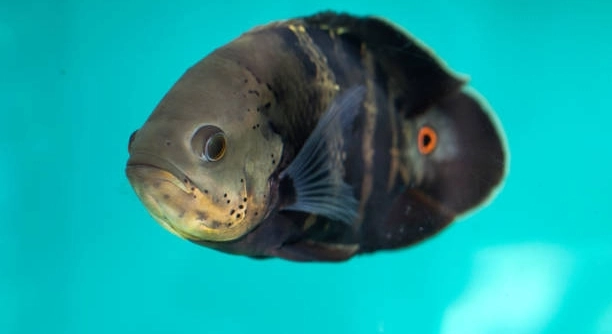
Oscar fish are popular pets known for their unique personalities. However, when they stop eating, it can be concerning. Understanding the causes behind this behavior can help ensure the health and happiness of your fish.
The main reasons your Oscar fish may not be eating include stress, poor water quality, illness, or an inappropriate diet. Identifying the underlying cause is crucial in addressing the issue and restoring your fish’s appetite.
Exploring the causes behind your Oscar fish’s lack of appetite will help you make the right changes. By fixing the problem, your fish can return to its healthy eating habits.
Stress from a New Environment
When you bring a new Oscar fish into your tank, it can feel stressed and uneasy. This is especially true if the tank is too small, has strong currents, or is filled with aggressive tank mates. Stress often causes Oscar fish to lose their appetite, making them hesitant to eat. Moving to a new environment means they need time to adjust. They may also be overwhelmed by sudden changes in water temperature, lighting, or even noise levels from their surroundings. If you suspect stress is the cause, giving your Oscar fish time to acclimate can help it settle in.
Changing its environment or introducing new fish too quickly can also add to the stress. You can avoid this by ensuring the tank is peaceful and offering some hiding spots for your fish. Stability is key. Avoid rearranging the tank too often, and monitor your fish closely.
An Oscar fish’s lack of eating can also stem from changes in feeding routines or water conditions. Adjusting the environment gradually and observing your fish’s behavior will give you better insight into the problem.
Poor Water Quality
Oscar fish are sensitive to poor water quality, and this can make them stop eating. High levels of ammonia, nitrites, or nitrates can harm your fish’s health and reduce its appetite. Regular water changes and testing the water’s parameters can prevent these issues from escalating. Proper filtration and maintaining clean water will create a healthier environment for your fish.
Water quality can often go unnoticed, but poor conditions are a leading cause of reduced appetite. When your fish is in a clean tank with stable water conditions, it is much more likely to eat. Testing for ammonia, nitrites, and nitrates can help ensure your tank is in optimal condition.
Illness or Injury
Oscar fish, like any other pet, can refuse food when they’re not feeling well. Injuries or diseases such as parasites, swim bladder issues, or internal infections can make them too uncomfortable to eat. It’s important to check for physical signs of illness, like abnormal swimming or visible wounds.
A sick Oscar may exhibit symptoms such as lethargy, clamped fins, or unusual behavior. If your fish is showing these signs, a trip to the vet might be necessary to determine the specific cause. Treatment often depends on the illness but may include medications or changes to the tank environment.
When sick, your Oscar fish’s appetite will drop, and they may not eat for days. In many cases, fixing the problem with proper care can get them back on track.
Incorrect Diet
If your Oscar fish isn’t eating, it could be because of an improper diet. Oscars are carnivorous and require a diet that’s high in protein. Offering foods that are not suited to their needs, like vegetables or overly processed flakes, may cause them to refuse meals.
Ensuring the food you offer is suitable and fresh is essential. A varied diet that includes live foods, like feeder fish or worms, can help stimulate their appetite. Sometimes, even frozen food or pellets designed for carnivores will encourage them to eat. Always ensure your fish is getting the right balance of nutrients.
A change in diet or a food type they don’t recognize may cause them to turn away. Over time, you may need to experiment with different food sources until you find what your Oscar enjoys the most.
Overfeeding or Underfeeding
Overfeeding or underfeeding your Oscar fish can lead to a lack of interest in food. If your fish is given too much food, it may become disinterested, as it won’t be hungry. On the other hand, underfeeding can also cause stress, leading to a loss of appetite.
To avoid this, feed your fish the right amount. Typically, an Oscar should be fed once or twice a day, with only what it can eat in 2-3 minutes. Adjust the portion sizes to avoid waste and ensure your fish is getting enough food to thrive.
Tank Mates
Aggressive tank mates can cause stress, leading to a decrease in appetite for your Oscar fish. If other fish are constantly chasing or bullying it, the Oscar may not feel comfortable enough to eat.
Having peaceful tank mates or providing hiding spots can reduce the stress. Ensure your Oscar is not being threatened by other fish, which may result in it avoiding food. Reducing competition for food and creating a calm environment will encourage healthy eating habits.
Poor Tank Conditions
Poor tank conditions, such as incorrect water temperature, can make your Oscar fish less inclined to eat. Oscars thrive in warm water, ideally between 75-80°F. Any deviation from this range can lead to stress and loss of appetite.
To keep your fish healthy and eating, maintain stable water temperatures using a reliable heater. Regularly check the water temperature and ensure it’s within the proper range. A sudden temperature change can lead to more serious health problems, so consistency is important.
FAQ
Why is my Oscar fish not eating?
There are several reasons why your Oscar fish might not be eating. Stress, poor water quality, illness, or an inappropriate diet are the most common causes. Stress can occur due to changes in the environment, new tank mates, or sudden shifts in water conditions. Poor water quality is another major factor; high levels of ammonia or low oxygen levels can make your fish feel unwell. If your fish is sick or injured, it may lose its appetite as well. Lastly, an improper diet can cause refusal of food if it’s not suitable for the fish’s needs.
How long can an Oscar fish go without eating?
An Oscar fish can typically survive without food for up to 1-2 weeks, although this varies based on its health and environment. If your fish has stopped eating, it’s important to monitor its behavior and check for signs of stress or illness. Prolonged refusal to eat can lead to malnutrition, so it’s essential to figure out the cause and address it quickly. If you notice any changes in behavior or physical signs of illness, consult a vet to rule out any serious issues.
Can I feed my Oscar fish live food?
Yes, Oscars are carnivores and thrive on a diet that includes live food. They enjoy eating feeder fish, worms, and other live prey. This can help stimulate their appetite, especially if they are refusing other types of food. However, it’s important to ensure that live food is safe and free from parasites. Overfeeding live food can also result in obesity or nutritional imbalances, so it’s essential to maintain a balanced diet.
What are the best foods for Oscar fish?
Oscar fish require a high-protein diet. The best foods include high-quality pellets designed for carnivorous fish, live or frozen feeder fish, and worms. Some owners also feed them shrimp, crickets, or even small pieces of meat. It’s important to vary their diet to ensure they get all the necessary nutrients. Avoid feeding them too much vegetable matter, as they do not digest it well.
How can I tell if my Oscar fish is sick?
Signs of illness in Oscar fish can include changes in swimming behavior, such as difficulty swimming or swimming upside down, visible wounds, clamped fins, or unusual resting habits. You might also notice a decrease in appetite, bloating, or abnormal coloring. If your fish shows any of these symptoms, it’s important to test the water quality and, if necessary, consult with a vet who specializes in fish.
Can poor water quality affect my Oscar fish’s appetite?
Yes, poor water quality is one of the leading reasons for a loss of appetite in Oscar fish. High levels of ammonia, nitrites, or nitrates in the water can make your fish feel uncomfortable and stressed. It can also lead to diseases that affect their ability to eat. Regular water changes and proper filtration can help maintain water quality, which in turn supports your Oscar’s health and appetite.
Is it normal for my Oscar fish to stop eating after a water change?
Yes, it’s normal for an Oscar fish to temporarily lose its appetite after a water change. This is usually due to the stress of a change in its environment, such as a shift in water temperature, pH levels, or the presence of new chemicals in the water. Give your fish a few days to adjust to the new conditions. If the lack of eating continues, you may need to check the water quality and make sure the parameters are within a healthy range.
How often should I feed my Oscar fish?
Oscar fish should be fed once or twice a day, with the amount of food that they can consume in 2-3 minutes. Overfeeding can lead to water quality issues and obesity, while underfeeding may result in malnutrition. Feed them a balanced diet that includes protein-rich foods and avoid overfeeding them with food that’s not part of their natural diet.
Can tank mates affect my Oscar fish’s eating habits?
Yes, aggressive or overly active tank mates can affect your Oscar fish’s eating habits. Oscars can be territorial and may not feel comfortable eating if they’re constantly being chased or harassed. It’s important to choose tank mates carefully, ensuring they are compatible with your Oscar. Peaceful tank mates and ample hiding spaces can reduce stress and encourage your fish to eat.
What temperature is best for Oscar fish?
Oscar fish thrive in warm water with temperatures between 75-80°F (24-27°C). If the water is too cold, it can lower their metabolism, making them less likely to eat. On the other hand, water that is too hot can stress them out and lead to health problems. A stable water temperature is crucial for their well-being.
How do I prevent my Oscar fish from getting sick?
To prevent illness, it’s important to maintain clean water conditions, feed a balanced diet, and avoid overcrowding the tank. Regular water testing, including monitoring ammonia, nitrites, and nitrates, will help ensure the water remains healthy. Additionally, avoid introducing sick fish into the tank, as this can spread diseases to your Oscar.
What should I do if my Oscar fish stops eating for several days?
If your Oscar fish stops eating for several days, the first step is to check the water quality and ensure it’s within the correct parameters. Stress, poor water quality, or an improper diet are often the main causes of a fish refusing food. If your fish still refuses to eat after addressing these issues, it may be time to consult a vet.
Final Thoughts
Understanding why your Oscar fish may not be eating is essential for ensuring its health and well-being. There are several reasons for this, from stress and water quality issues to the type of food being offered. It’s important to carefully observe the fish and monitor the environment, as small changes in water conditions or diet can significantly affect their appetite. By addressing these issues, you can help your Oscar fish return to its normal feeding habits.
Maintaining proper tank conditions, including water temperature, filtration, and overall cleanliness, plays a key role in your fish’s ability to eat. Oscars thrive in a stable, clean environment with water temperatures between 75-80°F. A well-maintained tank encourages a healthy and active fish that is more likely to feed regularly. Regular water changes, checking for toxins, and ensuring proper filtration will prevent many of the issues that lead to a decrease in appetite. Additionally, keeping the tank free of overcrowding and aggressive tank mates will minimize stress.
Lastly, feeding your Oscar fish the right type and amount of food is crucial. Oscars are carnivores, so they need a diet that is high in protein, such as pellets, live food, and frozen options. It’s essential to feed them the right amount, as overfeeding or underfeeding can cause problems. Oscars are known to be picky eaters, so it may take time to find the foods that work best for them. Offering a variety of foods and ensuring the tank conditions remain optimal will promote a healthy, thriving Oscar fish that enjoys eating and stays active.

Hello,
If you enjoy the content that we create, please consider saying a "Thank You!" by leaving a tip.
Every little bit helps us continue crafting quality advice that supports the health, happiness, and well-being of pets around the world, for pets of all shapes, sizes, and species.
We really appreciate the kindness and support that you show us!