
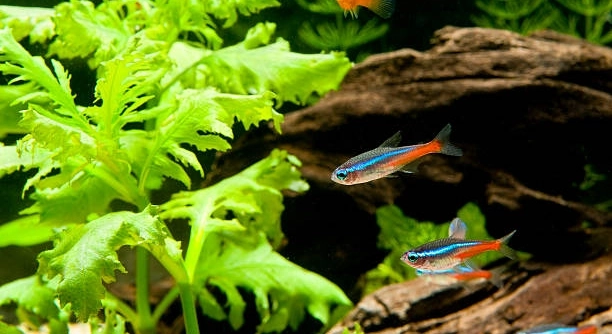
Neon Tetras are popular freshwater fish, known for their vibrant colors and peaceful nature. However, when their tank starts to smell bad, it can be a source of concern. Understanding the reasons behind the odor is crucial.
The main reasons for a bad-smelling neon tetra tank include poor water quality, decaying food, excessive waste buildup, and overstocking. These factors lead to a higher concentration of harmful bacteria, causing unpleasant odors and unhealthy conditions for the fish.
Taking action to clean your tank, regulate feeding, and improve filtration can reduce the smell and provide a healthier environment for your fish.
Poor Water Quality and Lack of Maintenance
The most common reason your Neon Tetra tank smells bad is poor water quality. Without regular water changes, toxins like ammonia, nitrates, and nitrites build up, creating an environment ripe for harmful bacteria. These bacteria produce the unpleasant odors that linger in your tank. The key to maintaining a clean tank is proper filtration and frequent water changes. Without these, the water becomes stagnant and unhealthy, affecting your fish and creating an unpleasant smell.
Water quality impacts your Neon Tetras more than you may realize. Poor water conditions stress fish and lower their immune systems, making them more susceptible to diseases. Without cleaning, dead plants, uneaten food, and fish waste contribute to the odor.
To fix the issue, perform regular water changes every 1-2 weeks, remove excess waste, and ensure the filter is working efficiently. These actions will reduce harmful toxins and maintain a clean environment for your fish.
Overfeeding Your Neon Tetras
Overfeeding can lead to food decaying in the tank, causing foul odors. Neon Tetras have small appetites, and excess food will often sink to the bottom, where it decomposes and releases ammonia into the water.
It’s important to feed your Neon Tetras only what they can consume in 2-3 minutes. Leftover food can lead to water quality issues and attract harmful bacteria. Ensuring your fish only eat what they need will help prevent this problem.
Adjusting your feeding schedule to match the needs of your Neon Tetras will maintain a cleaner tank. Avoid offering food multiple times a day and keep track of how much food is left after feeding.
Overstocking Your Tank
When your tank is overstocked, waste builds up faster than the filtration system can handle. With too many fish, there is more food and waste, causing the water to become contaminated quickly. This leads to foul odors.
Stock your tank with a proper fish-to-water ratio. A general rule is one inch of fish per gallon of water, but you may need more filtration for higher bioloads. Overstocking doesn’t just affect the smell but the overall health of your fish. Keeping your tank properly stocked will keep it clean and healthier for your fish.
Consider upgrading the tank size or rehoming some fish if you find the tank too crowded. Adding a stronger filter can also help, but it’s still important to not overstock. A balanced environment ensures your fish stay healthy and the water remains fresh.
Decaying Plant Matter
Decaying plant matter in your tank can also contribute to bad smells. Dead or decaying plants release ammonia and other chemicals that worsen water quality and create unpleasant odors. Plants may die from poor lighting or neglect, leading to these issues.
Keep an eye on your plants and remove any dead or rotting leaves immediately. If plants are not thriving, it could be a sign that they need more care, such as adjusting the lighting or replacing them with hardier species. The longer decaying plants stay in the tank, the worse the odor gets.
Regularly inspect your plants and trim back any dead sections. Not only does this help with odor, but it also ensures that your plants continue to thrive and contribute to the overall health of your aquarium.
Inefficient Filtration System
If your filtration system is not strong enough for your tank, it won’t properly clean the water. A weak filter leads to excess waste buildup, which causes unpleasant smells. Check if your filter is appropriate for the size of your tank and the number of fish.
Upgrade your filter if it’s too small or old. Filters should be cleaned regularly to maintain their efficiency, as debris can clog them over time. If your current filter isn’t doing the job, consider a more powerful one designed for your tank’s size. A well-maintained filter helps keep water clean.
Infrequent Water Changes
Not changing the water regularly can result in the buildup of harmful substances. Ammonia, nitrates, and other toxins accumulate, leading to smelly water. It’s important to perform water changes every 1-2 weeks, or more frequently depending on the size of the tank.
Frequent water changes help to reset the water conditions and remove toxins. Simply removing 20-30% of the water at regular intervals can make a significant difference in smell and the overall health of your fish. Make sure to use a water conditioner to remove chlorine or chloramine from tap water.
Tank Decorations and Substrate
Tank decorations and substrates like gravel or sand can trap fish waste, uneaten food, and organic matter, leading to odor. These elements need regular cleaning to prevent any buildup from contributing to bad smells.
Removing decorations and vacuuming the substrate during water changes will help prevent odors from forming. Be mindful of decorations with lots of crevices, as they can trap debris. Regularly clean them to avoid smell and ensure they don’t affect the tank’s overall appearance.
FAQ
Why does my Neon Tetra tank smell like rotten eggs?
A rotten egg smell is often caused by hydrogen sulfide, which can form in a tank with low oxygen levels. This typically occurs in areas where waste has built up, especially in the substrate or decaying plant matter. To fix this, perform a water change, clean the substrate, and ensure proper aeration in your tank. Check if your filter is working correctly and consider adding an air pump to improve water circulation and oxygen levels.
How often should I change the water in my Neon Tetra tank?
You should change 20-30% of your tank water every 1-2 weeks. If you have a heavily stocked tank or if the water quality is poor, you may need to change it more often. Regular water changes help remove toxins like ammonia and nitrates, which can cause bad odors and harm your fish. Use a gravel vacuum to clean the substrate during water changes.
Can overfeeding cause a bad smell in my Neon Tetra tank?
Yes, overfeeding is one of the main causes of foul odors. Excess food decomposes in the water, releasing ammonia and other harmful substances. It’s important to feed your Neon Tetras only what they can consume in 2-3 minutes. Remove any uneaten food to prevent decay, and consider reducing the frequency of feeding if necessary. Keeping a strict feeding routine helps maintain water quality and reduces bad smells.
Why does my tank smell like fish and how can I fix it?
A fishy smell typically occurs when there’s an excess of organic waste in the tank, like fish waste or decaying plants. This can happen if your filtration system isn’t working well or if you’re not performing regular water changes. To fix this, clean your tank, check your filter, and improve water circulation. Ensure you remove any dead plants and waste from the substrate regularly. Adding live plants can also help absorb excess nutrients and improve water quality.
How can I tell if my filtration system is working properly?
To check if your filtration system is working well, observe the water clarity and smell. If the water looks cloudy or smells bad, your filter might not be doing its job. Check if the filter is producing water flow and clean it regularly. A properly working filter should be able to remove waste, debris, and harmful chemicals from the water. If your filter is outdated or undersized for your tank, consider upgrading to a more efficient model.
Is it normal for my Neon Tetra tank to smell after I add new fish?
When introducing new fish, it’s common to see an initial spike in waste and uneaten food, which can lead to a temporary bad smell. However, if the smell persists, it could indicate a problem with water quality or overfeeding. Ensure your new fish are acclimated properly and monitor their feeding habits. Perform a water change after introducing new fish and ensure that your filter can handle the increased load. Regular maintenance and monitoring will help avoid prolonged odors.
How can I prevent bad smells in the future?
To prevent bad smells, maintain a consistent cleaning schedule, feed your fish appropriately, and ensure proper filtration. Perform regular water changes, clean the substrate, and remove any decaying plants or organic matter. Monitor the water quality closely and invest in an efficient filter if necessary. Additionally, avoid overstocking your tank to reduce the buildup of waste and harmful substances.
Can the type of substrate affect the smell in my tank?
Yes, the type of substrate can play a role in the smell of your tank. Some substrates, especially gravel, can trap fish waste and uneaten food, which may decompose and release foul odors. To minimize odors, vacuum the substrate regularly during water changes. Consider using a sand substrate, as it allows waste to be removed more easily and doesn’t trap as much debris. You can also add live plants, which will help absorb excess nutrients and improve water quality.
Are live plants in my tank contributing to the bad smell?
Dead or decaying plants are a common source of bad smells. When plants die or are neglected, they release ammonia and other chemicals that can negatively affect water quality. To avoid this, remove dead or decaying plant matter regularly and replace any unhealthy plants with new ones. Make sure your plants are getting enough light and nutrients to thrive in your tank. Healthy plants help improve water quality and oxygen levels, making the tank more stable for your Neon Tetras.
How can I keep my tank clean without disturbing my Neon Tetras too much?
You can keep your tank clean by performing small, frequent tasks that don’t disturb your Neon Tetras. Use a gentle siphon to vacuum the substrate and remove debris during water changes. Clean your filter and check the water quality regularly. Avoid making drastic changes all at once, as this can stress your fish. Regular monitoring and small adjustments will keep the tank clean without negatively impacting your Neon Tetras’ health.
Does using a tank air pump help with bad smells?
Yes, using an air pump can help improve the oxygen levels in your tank, which can reduce the risk of bad smells caused by stagnant water. Air pumps increase water circulation, ensuring that the filter works more efficiently and waste is removed more effectively. It also helps prevent the growth of anaerobic bacteria that thrive in low-oxygen conditions and produce foul odors. Adding an air pump can help maintain water quality and reduce unpleasant smells in your tank.
Can bad smells indicate a problem with my Neon Tetras’ health?
Sometimes, bad smells in the tank can indicate that your Neon Tetras are stressed or sick. Poor water quality, caused by inadequate filtration, overfeeding, or overstocking, can weaken your fish’s immune system and lead to health issues. If you notice that your fish are exhibiting unusual behavior, such as lethargy or discoloration, it may be time to check your water quality and address any underlying problems. Regular maintenance and water monitoring are key to keeping your fish healthy and the tank smelling fresh.
Final Thoughts
Maintaining a healthy and clean environment for your Neon Tetras is crucial to ensuring they thrive in their tank. Bad smells can be a sign of underlying issues, such as poor filtration, overfeeding, or dirty substrates. It is essential to address these problems early on to prevent further damage to the water quality and your fish’s health. Regular water changes, proper feeding habits, and effective filtration systems are key to keeping the tank clean and odor-free.
One of the best ways to manage odors is by staying on top of routine maintenance. A strong filtration system, along with proper aeration, ensures that the water stays oxygenated and free of harmful waste. Consistent water changes will help to remove excess nutrients and toxins that could build up, leading to unpleasant smells. Additionally, removing decaying plants and uneaten food will prevent organic material from decomposing and affecting the water quality.
Lastly, remember that the health of your Neon Tetras is directly linked to the overall condition of their environment. Keeping the tank clean, monitoring the water parameters, and providing proper care for both the fish and the tank’s ecosystem will reduce the likelihood of bad smells. By following these guidelines and making necessary adjustments, you will create a stable, clean habitat for your Neon Tetras, leading to happy, healthy fish and a pleasant-smelling tank.

Hello,
If you enjoy the content that we create, please consider saying a "Thank You!" by leaving a tip.
Every little bit helps us continue crafting quality advice that supports the health, happiness, and well-being of pets around the world, for pets of all shapes, sizes, and species.
We really appreciate the kindness and support that you show us!