
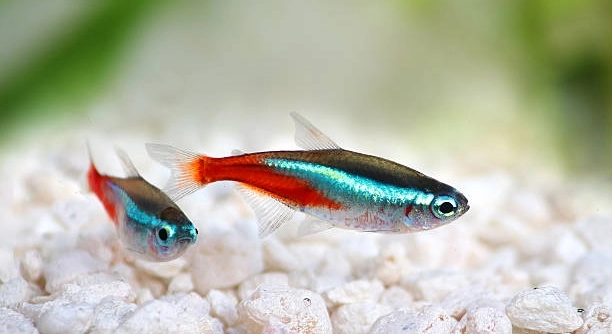
Algae growth in a Neon Tetra tank can be frustrating for aquarium owners. It can cloud the water and affect the overall health of your fish, leaving you wondering why it’s happening in the first place.
Algae buildup is typically caused by excess nutrients, improper lighting, poor filtration, or overfeeding. These factors create an environment where algae thrive, leading to rapid growth. Identifying and addressing these factors can help reduce algae in your tank.
Knowing the causes behind algae growth in your tank will allow you to make informed decisions about care. With a few adjustments, your aquarium can return to its clear and healthy state.
Excessive Lighting in Your Tank
Algae thrive on light, especially when your tank receives too much of it. If your Neon Tetra tank is exposed to long hours of light or too bright a setup, it provides an ideal environment for algae to grow. Many aquarists may unknowingly leave their tank lights on too long, or position them too brightly, which encourages algae blooms. It’s essential to ensure that your tank is lit properly and not excessively. The goal is to simulate natural daylight, with periods of darkness at night. Proper light duration, typically 8 to 10 hours per day, will help maintain balance in your aquarium’s ecosystem.
Reducing lighting duration and adjusting the light’s intensity can prevent algae from taking over.
The best solution for this issue is to use a timer for the lights. A timer will ensure your tank gets a consistent, optimal amount of light each day, mimicking a natural day-night cycle. A simple 8-10 hour lighting schedule prevents algae from growing unchecked. Additionally, avoid placing the tank near windows where natural sunlight can extend the exposure to light longer than needed. It’s essential to understand that lighting plays a significant role in algae control, and small adjustments can make a noticeable difference in water clarity.
Overfeeding Your Fish
Feeding your Neon Tetras too much can quickly lead to algae problems.
Overfeeding introduces excess nutrients into the water, particularly nitrates and phosphates, which feed algae. It’s tempting to give your fish extra food, but uneaten food decays and creates a perfect algae-friendly environment. Stick to the recommended portion sizes and monitor how much your fish actually consume.
To avoid excess nutrients, feed your Neon Tetras only what they can finish in 2-3 minutes. This will prevent uneaten food from sinking to the bottom and causing water quality issues. It’s also essential to vacuum the substrate regularly to remove any leftover food particles. You can switch to a more controlled feeding schedule, such as offering small meals throughout the day, which helps keep the tank cleaner. By feeding responsibly, you’ll maintain healthier water conditions and reduce the chances of algae overgrowth.
Poor Filtration
Your tank’s filtration system is crucial for maintaining a healthy environment. If it’s inadequate, it can lead to nutrient buildup, which fuels algae growth. Algae thrive in stagnant water, so a weak or old filter might not be removing waste and excess nutrients efficiently.
A proper filtration system helps to maintain clear water by removing debris, uneaten food, and waste. Without it, harmful substances accumulate in the tank, creating ideal conditions for algae. A filter should be cleaned and checked regularly to ensure it’s working effectively.
When choosing a filter, ensure it’s the right size for your tank. Filters come in different strengths, so be sure your filter is powerful enough to handle the size of your aquarium. Additionally, replacing filter media regularly helps keep the tank’s water clean and prevents nutrient overload, reducing algae growth significantly. A well-maintained filter is a key element in keeping algae under control.
Excess Nutrients in the Water
The buildup of excess nutrients like nitrates and phosphates in your tank is a major contributor to algae problems.
These nutrients are introduced through fish waste, decaying food, and uneaten flakes. If these nutrients aren’t removed, algae use them as food, causing them to grow rapidly. The key is to keep nutrient levels in check.
You can reduce nutrient levels by doing regular water changes, cleaning the substrate, and removing any leftover food. Additionally, adding live plants can help absorb excess nutrients. They compete with algae for nutrients, helping to limit algae growth. It’s also important to test your water regularly for nitrate and phosphate levels to catch any imbalances early before algae becomes an issue.
Inconsistent Water Changes
Water changes are essential for maintaining a clean environment in your tank. Without regular changes, waste builds up and creates an ideal setting for algae. Inconsistent or infrequent water changes can cause nutrient levels to rise, leading to algae growth.
Performing water changes weekly or biweekly helps to remove excess nutrients and waste. Aim to change 20-30% of the water at each interval, depending on your tank size and conditions.
It’s crucial to monitor water quality regularly, testing for nitrates, ammonia, and phosphate levels. If these levels are too high, algae will flourish. Regular water changes will keep the water clear and minimize algae growth.
Old or Decaying Plants
Dead or decaying plants release excess nutrients into the water.
These nutrients serve as food for algae, promoting its growth. Regularly prune dead or dying plants to reduce the nutrient load in your tank.
Removing decaying plant matter is an easy way to keep your tank clean and algae-free. Make sure to replace plants as needed to maintain a healthy balance in your aquarium.
Improper Tank Placement
Placing your tank in the wrong spot can contribute to algae problems.
If your tank is near a window, it will get more natural light, leading to higher algae growth. Consider relocating your tank away from direct sunlight.
FAQ
Why is my Neon Tetra tank so prone to algae?
Your Neon Tetra tank could be experiencing algae growth due to a combination of factors, including excess nutrients, improper lighting, overfeeding, and inadequate filtration. Algae thrive when there’s too much light, too many nutrients from leftover food or waste, and when the water isn’t being filtered properly. Ensuring you have proper lighting schedules, avoid overfeeding, and maintain good filtration will help reduce algae growth.
How often should I change the water in my Neon Tetra tank?
Water changes should be done regularly to maintain a healthy environment for your Neon Tetras. A general guideline is to change 20-30% of the water every one to two weeks. This helps to remove any excess nutrients, waste, or toxins in the water, which could contribute to algae growth. Adjust the frequency depending on your tank’s size, the number of fish, and your filtration system.
Can I prevent algae without using chemicals?
Yes, there are several ways to control algae without resorting to chemicals. First, manage your lighting by limiting the hours your aquarium lights are on, ideally around 8-10 hours per day. Second, feed your fish only what they can consume in a few minutes to avoid leftover food. Third, maintain good filtration and perform regular water changes. Adding live plants can also help by competing with algae for nutrients. Using these natural methods can help keep your tank algae-free.
How do I know if my tank has too much light?
If your tank gets excessive light, you might notice the water turning cloudy or green, a sign of algae growth. A clear indicator is when algae start to appear on the surfaces of your decorations, plants, or glass. Ideally, your tank should have about 8-10 hours of light per day, with a period of darkness at night. Too much light can fuel algae growth, so it’s important to manage the lighting duration and intensity.
What are the signs that my filter is too weak?
If your filter is too weak, you may notice poor water circulation, debris settling on the tank’s bottom, or an increase in algae growth. A weak filter will not be able to remove organic waste, uneaten food, or debris from the water efficiently, which encourages algae growth. Regularly check your filter’s performance and ensure it is rated for the size of your tank. If necessary, upgrade to a stronger filter for better water quality.
How can I balance the water parameters in my tank?
To balance your tank’s water parameters, you should test the water regularly for levels of ammonia, nitrates, phosphates, and pH. The ideal range for Neon Tetras is a pH between 6.0 and 7.5, nitrates below 20 ppm, and phosphates under 1 ppm. If any of these levels are off, perform water changes or use specific water treatments to adjust them. Reducing nutrient overload from overfeeding and decaying plants is also crucial to keeping water parameters balanced.
Should I get rid of the algae manually?
Yes, removing algae manually is a good way to control it in the short term. Use an algae scraper to clean the tank’s glass, decorations, and plants. This method won’t eliminate the underlying cause of the algae, but it will help keep the tank looking clean. Keep in mind that removing algae doesn’t solve the root problem, so it’s important to adjust lighting, feeding, and filtration as well.
Are algae eaters helpful in controlling algae growth?
Algae eaters, like snails or certain fish species, can help reduce algae growth by consuming it directly. While they won’t completely eliminate algae, they can be a good addition to your tank for controlling minor growth. However, relying solely on algae eaters won’t address the root causes of the algae problem, so it’s important to maintain a balanced environment through proper water changes, lighting control, and feeding practices.
Can I reduce algae with live plants in my tank?
Yes, live plants can help reduce algae growth. Plants compete with algae for nutrients like nitrates and phosphates. When you have a well-planted tank, your plants absorb the excess nutrients that would otherwise feed the algae. This makes it more difficult for algae to grow. Plus, live plants provide an extra benefit by creating a more natural and healthy environment for your Neon Tetras.
Why do my plants seem to be dying off in the tank?
Dead or decaying plants can release nutrients back into the water, which can lead to increased algae growth. If your plants aren’t doing well, it could be due to improper lighting, lack of nutrients, or poor water quality. To prevent this, check your lighting levels, ensure your plants are getting the right nutrients, and prune any dead or decaying parts. Healthy plants will help maintain a balanced environment for your fish and reduce algae problems.
Can algae harm my Neon Tetras?
While algae itself isn’t directly harmful to Neon Tetras, excessive algae can lead to poor water quality by using up oxygen and releasing toxins. Algae blooms can also cloud the water, making it harder for your fish to thrive. In some cases, harmful algae, like blue-green algae, can release toxins that may negatively impact your fish. Therefore, controlling algae growth is crucial for maintaining a healthy tank environment for your Neon Tetras.
Final Thoughts
Algae growth in your Neon Tetra tank can be frustrating, but it’s usually caused by a few key factors that can be controlled. Excess nutrients from overfeeding, poor water quality, and improper lighting are the main culprits. By making some simple adjustments to your tank setup, you can reduce the likelihood of algae growth and maintain a healthy environment for your fish. Regular maintenance, including proper filtration, consistent water changes, and appropriate lighting, plays a significant role in keeping your tank clear and your fish healthy.
Another important step is balancing your tank’s ecosystem. Adding live plants can help absorb excess nutrients, making it harder for algae to thrive. Plants also contribute to a healthier environment by providing oxygen and creating a more natural habitat for your Neon Tetras. Along with keeping your tank clean and well-maintained, the right balance of plants, fish, and equipment can prevent many algae-related problems. Even though algae may still appear from time to time, addressing the root causes will ensure it doesn’t become a persistent issue.
Lastly, patience is key when dealing with algae. It’s not always about quick fixes or harsh chemicals, but about maintaining a stable and balanced tank over time. Adjusting feeding habits, ensuring the right water conditions, and sticking to a regular cleaning routine will all help improve your aquarium’s overall health. Keeping your tank algae-free requires attention and consistency, but with the right approach, your Neon Tetras will thrive in a clean, healthy, and algae-controlled environment.

Hello,
If you enjoy the content that we create, please consider saying a "Thank You!" by leaving a tip.
Every little bit helps us continue crafting quality advice that supports the health, happiness, and well-being of pets around the world, for pets of all shapes, sizes, and species.
We really appreciate the kindness and support that you show us!