
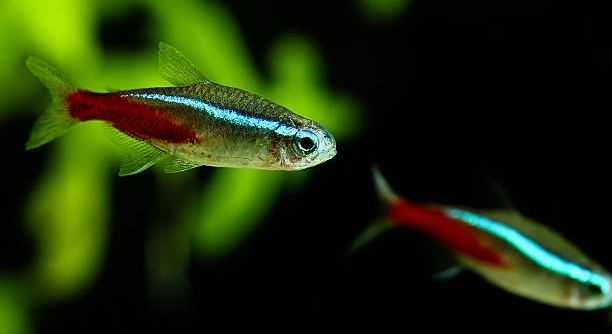
Neon Tetras are popular in home aquariums, known for their vibrant colors and peaceful nature. However, if you’ve noticed them nipping at each other, you might be wondering what could be causing this unusual behavior.
The main reason why your Neon Tetras may be nipping at each other is territorial behavior. In some cases, stress, overcrowding, or an unbalanced environment may lead to aggression among the fish. Understanding these factors can help resolve the issue.
Addressing these factors will help create a healthier, more peaceful environment for your Neon Tetras. Keep reading to learn how you can improve their living conditions and prevent future nipping.
Stress and Overcrowding
Stress is one of the most common causes of aggression in fish. When Neon Tetras feel crowded, they may become agitated and territorial, leading to nipping at each other. In a tank that is too small or has too many fish, the Neon Tetras may not have enough space to feel secure. It’s essential to ensure that each fish has room to swim and establish their own territory. Additionally, when water conditions are not ideal, such as improper temperature or pH levels, it can also lead to stress and cause the fish to act out.
A crowded aquarium can cause your Neon Tetras to fight for space, food, and attention. The best way to reduce stress is by maintaining a spacious tank and keeping the fish population in check. If the fish are cramped, they may turn to nipping as a way to defend themselves.
Regular water changes and monitoring the tank’s water conditions are essential for maintaining a peaceful environment. By providing ample space and the right conditions, your Neon Tetras can thrive without the need to resort to nipping.
Social Hierarchy
Neon Tetras, like many fish species, establish a social hierarchy within their group. The dominant fish in the tank may display aggressive behavior to assert its position, while others may react by nipping or darting away. This is often seen in smaller, more stressed groups, where individuals feel the need to compete for resources. While this behavior is natural, it can lead to excessive aggression if the tank environment is not conducive to peaceful living.
Establishing a balanced group size and maintaining proper tank conditions can help reduce the frequency of these displays. A tank that is too small or lacks hiding spots can prevent the fish from establishing their social roles comfortably. Adding plants or decorations where fish can retreat to reduce aggression can be beneficial in these situations.
By understanding these social dynamics, you can better manage your Neon Tetras’ environment to ensure they live harmoniously. When kept in the right conditions, the fish can interact peacefully and display less aggressive behavior.
Tank Mates and Compatibility
The fish you keep with your Neon Tetras play a major role in their behavior. Some species may be more aggressive, leading to tension and nipping. It’s crucial to choose tank mates that are peaceful and not too large or fast.
Neon Tetras are peaceful by nature, but they can become territorial if threatened by more aggressive species. Fish like bettas or larger cichlids may not be suitable due to their tendency to bully smaller fish. When selecting tank mates, look for species that have similar temperaments and size to avoid any aggressive interactions. It’s also important to ensure that the other fish won’t compete with the Neon Tetras for food or space.
If you want to avoid unnecessary aggression, consider adding more Neon Tetras to the tank. A small school can help create a more natural and balanced social environment. By having enough of their own species, your Neon Tetras will feel more secure, reducing stress and the need for nipping.
Feeding and Competition
Overfeeding or inadequate feeding can lead to competition among your Neon Tetras. When food is scarce or not distributed evenly, they may start to nip at each other in a fight for resources. It’s essential to feed your fish the right amount of food at regular intervals to avoid this problem.
To prevent food-related aggression, use a feeding strategy that ensures every fish has access to the food. Floating pellets or small portions given throughout the day can ensure that all the fish in your tank are well-fed without competing for the same resources. Proper distribution of food helps in reducing aggressive behaviors, particularly nipping.
Some fish species may become more aggressive if they feel food is limited. Monitoring how much and how often you feed your Neon Tetras can help them feel secure and prevent any behavior stemming from hunger or competition.
Water Conditions and Quality
Water quality is crucial for the well-being of your Neon Tetras. Poor water conditions can cause stress, leading to aggression and nipping. Regular water changes and maintaining proper filtration are key to ensuring the tank remains clean and healthy.
Neon Tetras thrive in stable water conditions. Water that is too warm, too cold, or has imbalanced pH levels can cause your fish to become stressed. Test the water regularly and keep the temperature between 72-78°F (22-26°C) with a pH of around 6.0-7.0 for optimal health. Maintaining these conditions will reduce stress and help prevent nipping.
Overactive or Unhealthy Fish
Fish that are too active or unhealthy may exhibit aggressive behaviors like nipping. Sick or injured fish may lash out in an attempt to defend themselves or due to frustration. This behavior can quickly affect other fish in the tank.
Sick fish often exhibit changes in their behavior, including increased aggression. If you notice any of your Neon Tetras looking lethargic or showing physical signs of illness, it’s important to isolate them from the others to prevent spreading any potential infection. Stress and poor health are strong contributors to nipping behavior in aquariums.
Tank Size
A small tank can cause stress for Neon Tetras, pushing them to fight over limited space. A cramped tank often leads to territorial disputes and more nipping.
Ensure the tank size is large enough to accommodate the number of fish you have. A tank size of at least 10 gallons is ideal for a small school of Neon Tetras. Providing enough space for the fish to swim freely reduces the likelihood of territorial conflicts and aggression.
FAQ
Why are my Neon Tetras nipping at each other?
Neon Tetras may nip at each other due to stress, overcrowding, or territorial behavior. In smaller or overly crowded tanks, they might feel threatened or lack space to move comfortably. Nipping is a way for them to establish dominance or defend their area. Additionally, poor water conditions or incompatible tank mates can increase aggression. Regularly check the water quality and ensure there is enough space for the fish to swim freely. Reducing the fish population and adding hiding spots can help create a more peaceful environment.
How can I stop my Neon Tetras from nipping each other?
To stop your Neon Tetras from nipping, focus on improving their environment. Start by increasing the tank size if necessary, as this provides more space for each fish to establish their territory. Adding more plants, decorations, or hiding spots can also reduce stress and offer places for the fish to retreat. Make sure to maintain excellent water quality by performing regular water changes and monitoring the temperature and pH levels. Finally, ensure the tank mates are peaceful, as aggressive fish can trigger nipping behavior in the Tetras.
Can I keep Neon Tetras with other species of fish?
Yes, Neon Tetras are generally peaceful fish and can live well with many species. However, it’s important to choose compatible tank mates. Avoid keeping them with larger, more aggressive fish, such as bettas or cichlids. Peaceful species like small rasboras, guppies, or other Tetras are good choices. Make sure the fish in the tank are similar in size and temperament to avoid conflicts. Proper space, hiding spots, and food distribution also help maintain harmony in a mixed-species tank.
What should I do if my Neon Tetra is injured from nipping?
If a Neon Tetra has been injured from nipping, remove it from the main tank immediately to prevent further harm. Place the injured fish in a quarantine or hospital tank with clean, warm water. Keep an eye on the wound for any signs of infection, such as swelling or redness. You can use aquarium salt to help treat minor injuries and prevent infection. If the injury seems severe, consider consulting an aquatic veterinarian for further care. Once the fish has healed, you can return it to the main tank.
How often should I change the water in my Neon Tetra tank?
To keep your Neon Tetras healthy and reduce stress, water changes should be done regularly. Aim for a 25-30% water change every two weeks, depending on the size of the tank and the number of fish. In a smaller tank or heavily stocked aquarium, more frequent water changes might be needed. Always make sure the new water matches the temperature and pH level of the tank to avoid shocking the fish. Regular water changes help remove waste and toxins, improving the overall health of the tank.
What is the best temperature for Neon Tetras?
Neon Tetras prefer water temperatures between 72°F and 78°F (22°C – 26°C). Keeping the water within this range is essential for their health and comfort. Temperatures that are too high or too low can stress the fish, potentially leading to illness and aggressive behavior. Invest in a reliable aquarium heater and thermometer to maintain a stable temperature. Also, avoid sudden temperature fluctuations, as they can shock the fish and lead to health problems.
How many Neon Tetras should I keep together?
Neon Tetras are social fish and thrive in schools of at least six individuals. A small group helps reduce stress, as the fish feel more secure when surrounded by their own species. If possible, keeping 8-10 Neon Tetras is ideal for a more natural social structure. In smaller groups, one fish may feel isolated or vulnerable, leading to increased stress and potential aggression. Providing a larger school creates a more comfortable environment, helping the Tetras display their natural behaviors and reducing nipping.
Are there any signs that my Neon Tetras are stressed?
Yes, stressed Neon Tetras may exhibit several signs, including erratic swimming, hiding, or staying near the surface of the tank. They may also become less active, lose their vibrant colors, or show signs of fin damage. Poor appetite or sudden changes in behavior are also indicators of stress. Stress can be caused by various factors, such as poor water quality, overcrowding, incompatible tank mates, or temperature fluctuations. Identifying and addressing the source of stress is essential for maintaining healthy and happy Tetras.
Can Neon Tetras live with Betta fish?
Neon Tetras can generally live with Betta fish, but it depends on the individual Betta’s temperament. Bettas are known for their territorial behavior, and a Betta may become aggressive toward smaller fish, especially those with similar colors or fin shapes. If you want to keep Neon Tetras with a Betta, it’s important to monitor their interactions closely. A larger tank with plenty of hiding spots and plants will help the Tetras avoid the Betta’s aggression. If aggression persists, it may be best to separate them.
Why is my Neon Tetra swimming erratically?
Erratic swimming in Neon Tetras can be caused by several factors, including stress, illness, or poor water conditions. If the water quality is poor, the fish may swim abnormally in an attempt to find better conditions. Illnesses, such as swim bladder disease or parasites, can also cause erratic movement. In some cases, aggressive tank mates may cause the Tetras to swim nervously. Testing the water parameters and observing the fish for any signs of disease or injury is essential to identify the cause.
Final Thoughts
Neon Tetras are generally peaceful and easy-to-care-for fish, making them a popular choice for many aquariums. However, like all fish, they can exhibit behaviors that might be concerning to their owners. Nipping among Neon Tetras can happen for several reasons, including stress, overcrowding, poor water conditions, and the presence of other aggressive tank mates. Understanding the causes behind this behavior is the first step toward creating a peaceful environment for these colorful fish. By making small changes to their habitat and ensuring their well-being, you can prevent or minimize nipping and promote a healthier tank overall.
Maintaining good water quality is one of the most important factors in keeping Neon Tetras happy and healthy. Regular water changes, monitoring the temperature and pH levels, and ensuring the right filtration system are crucial steps. Stress caused by poor water conditions can lead to behavioral problems, including nipping. Another important aspect to consider is the tank size. Neon Tetras need enough space to swim and establish their own territories. A crowded tank will increase competition and stress, leading to more aggression. Adding plants, decorations, and hiding spots can also reduce stress and make the fish feel secure in their environment.
Finally, it’s essential to remember that every fish has its unique personality. While some Tetras may never show signs of aggression, others might nip as a result of stress or other environmental factors. It’s up to the aquarium owner to assess the situation and make adjustments as needed. Whether it’s reducing the number of fish, adjusting water parameters, or carefully choosing compatible tank mates, taking the time to understand and address the root causes of nipping will help ensure that your Neon Tetras live long, happy, and healthy lives.

Hello,
If you enjoy the content that we create, please consider saying a "Thank You!" by leaving a tip.
Every little bit helps us continue crafting quality advice that supports the health, happiness, and well-being of pets around the world, for pets of all shapes, sizes, and species.
We really appreciate the kindness and support that you show us!