
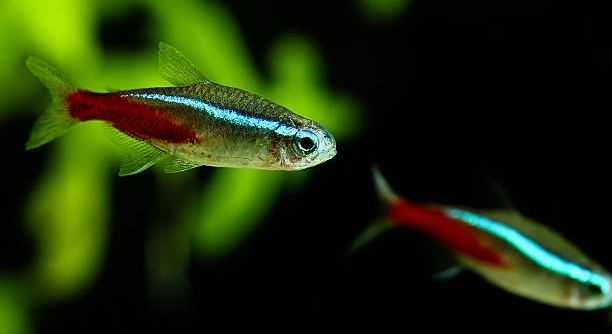
Is your neon tetra ignoring food and spending more time hiding in the corner of the tank than swimming with others?
The most common reason your neon tetra is losing its appetite is due to stress caused by poor water conditions, sudden changes in the environment, or incompatible tank mates. These stressors can quickly impact their feeding behavior.
Other possible causes include illness, low oxygen levels, and even boredom. Understanding each reason will help you take the right steps to keep your neon tetra healthy and active.
Poor Water Quality
Water quality plays a huge role in your neon tetra’s appetite. If the tank water is dirty or unbalanced, your fish can become stressed or sick. High ammonia, nitrites, or an incorrect pH level can quickly impact their health. Neon tetras are sensitive and need clean, stable conditions to stay well. Regular water changes, a good filter, and proper testing help maintain a safe environment. Temperature should also stay between 72°F and 78°F. If levels shift too often or suddenly, your tetra may stop eating. Watch for signs like clamped fins, strange swimming, or color fading. These may point to poor water conditions. Fixing this early can help restore their appetite and prevent more serious problems.
Test your tank water weekly using a reliable kit. If anything is off, act right away to bring it back to safe levels. Stability helps your fish feel secure enough to eat.
Once water quality improves, most tetras return to normal behavior. However, appetite may take a few days to recover fully. Keep feeding times calm and offer only small amounts of food at first. Stick to a consistent routine. If appetite doesn’t return, rule out other causes like illness or stress from tank mates.
Illness or Parasites
Loss of appetite is often the first sign that your neon tetra may be sick. Internal parasites, bacterial infections, or fungus can all affect feeding habits.
Parasites like nematodes or protozoa may live inside your tetra’s digestive tract, causing discomfort and making it hard for them to eat. Infections can also weaken their immune system, leading to other symptoms like bloating, discoloration, or irregular swimming. Keep an eye out for white spots, swelling, or frayed fins. These are all signs that something is wrong. Quarantine any new fish before adding them to your main tank, and never skip water changes. If you suspect illness, treat the tank with proper medication after consulting a vet or specialist. Feeding medicated food may also help, but only if your tetra is still eating a little. Remove any leftover food right away to avoid fouling the water further. Be patient, and don’t overfeed during recovery.
Incompatible Tank Mates
Aggressive or overly active fish can cause stress for neon tetras. This stress may lead to loss of appetite, hiding, or erratic swimming. Even peaceful fish that swim too fast can overwhelm tetras and make feeding times difficult.
Neon tetras do best in calm, peaceful tanks with similarly sized fish. Larger or more territorial species may chase or nip at them, especially during feeding. If a tetra feels unsafe, it will likely avoid eating. Always research before adding new fish. Watch your tank closely for bullying or signs of distress, like torn fins or sudden hiding. If needed, separate aggressive fish into a different tank or rearrange the layout to provide more hiding spots. Reducing stress helps tetras feel comfortable enough to eat again. Keep their space peaceful and quiet.
Feeding time should feel safe. Use slow-sinking food that gives tetras a chance to eat without competition. Spread food around the tank if other fish are too fast or greedy. This helps reduce stress and allows all your tetras to get their share. If needed, feed in smaller portions more often so they don’t miss out. A stress-free tank environment can go a long way in restoring normal feeding behavior.
Low Oxygen Levels
When oxygen is too low, neon tetras may breathe heavily, stay near the surface, or avoid eating. Warm water holds less oxygen, and overcrowded tanks can make things worse.
To fix this, increase surface agitation with an air stone or adjust your filter’s output. This helps oxygen enter the water more easily. You can also reduce the number of fish or rearrange plants and decorations to improve water flow. Keep the tank temperature within a safe range, and make sure your filter is running well. Oxygen is important for digestion and general energy, so once levels improve, appetite often follows. Watch for any signs of breathing issues, especially during hot weather or after power outages.
Try not to overcrowd the tank, as too many fish can lower oxygen quickly. Avoid overfeeding, since leftover food breaks down and uses up oxygen during decomposition. If your tetra is showing signs of low energy, pair oxygen fixes with other care steps to help them bounce back.
Boredom or Lack of Stimulation
A plain or repetitive tank setup can affect your tetra’s interest in its environment, including feeding time. Without stimulation, they may become less active and show reduced interest in food, especially if the diet never changes.
Try adding plants, hiding spots, or gentle tank decorations to keep things interesting. Switching up their food occasionally can also help renew their appetite.
Recent Changes in the Tank
Moving decorations, changing tank mates, or cleaning the tank too thoroughly can upset your neon tetra’s routine. These changes may seem minor, but they can cause enough stress to affect eating habits.
Give your fish time to adjust by keeping other variables steady for a while. Avoid making too many changes at once, and watch their behavior closely. If appetite doesn’t return within a few days, consider other causes.
Overfeeding or Poor Diet
Feeding too often or using low-quality food can lead to bloating or disinterest in meals. Stick to small portions once or twice a day and rotate between flakes, micro-pellets, and frozen foods like brine shrimp to keep their diet balanced and engaging.
Aging or Natural Slowdown
Older neon tetras often slow down and eat less over time. This is normal but should still be monitored to ensure it’s not illness.
FAQ
How long can a neon tetra go without eating?
A healthy neon tetra can go without food for about 3 to 5 days. Some may last up to a week, but that’s not ideal. If your fish skips a meal or two, it’s not a big concern. However, if it refuses food for more than three days, check for stress, illness, or poor water quality. Long periods without eating can weaken their immune system. Always monitor tank conditions and look for signs like color fading or unusual swimming. Make sure your fish feels safe and comfortable during feeding times.
Can stress really cause loss of appetite in fish?
Yes, stress is a major reason why fish stop eating. Neon tetras are sensitive to changes in their environment. Stress can come from sudden water changes, loud noises, aggressive tank mates, or even bright lighting. When stressed, fish often hide, breathe quickly, and avoid food. Reducing stress is key to helping them recover. Keep the tank quiet, the lights gentle, and avoid making too many changes all at once. Creating a calm space makes a big difference in helping your tetra feel well enough to eat again.
What type of food is best for neon tetras?
Neon tetras do well with a varied diet. High-quality micro-pellets, crushed flakes, and occasional frozen foods like daphnia or brine shrimp are great options. Feeding different types of food helps maintain interest and gives them balanced nutrition. Try rotating food types throughout the week. Avoid feeding large chunks or low-quality brands that can lead to bloating. Offer food in small portions once or twice a day, and remove leftovers to keep the water clean. Variety not only keeps meals exciting but also helps your tetras stay active and healthy.
Why is my neon tetra spitting out food?
This can happen for a few reasons. The food might be too large, too hard, or just not appealing. It can also be a sign of illness or poor water quality. Try offering smaller, softer foods like crushed flakes or thawed frozen food. Watch closely for other symptoms like hiding or slow swimming. If your tetra spits food often, test the water, check for signs of disease, and observe tank mate behavior. Sometimes it’s just a picky eater, but it’s worth ruling out more serious causes.
Do neon tetras need to be fed every day?
Yes, but with care. Feed them once or twice a day in small amounts they can finish in two minutes or less. Overfeeding can lead to bloating, uneaten food, and poor water conditions. Skipping one day each week is actually good for their digestion. It helps keep their systems balanced. Stick to a regular feeding schedule and keep things consistent. That routine helps tetras feel secure, which can encourage better eating habits overall.
How do I know if my tetra is just being picky or if something is wrong?
If your tetra skips a meal once in a while but looks healthy, swims normally, and has clear, bright colors, it might just be a picky eater or not hungry. But if it shows other signs like hiding more than usual, staying near the surface, or losing color, then something else may be going on. Trust your instincts—if something feels off, test the water and observe the tank. It’s always better to catch a problem early.
Should I isolate a tetra that isn’t eating?
Only if you suspect illness or if other fish are bullying it. Isolation can reduce stress and allow you to monitor eating more closely. Use a separate tank with similar water conditions. Keep it calm and clean, and try offering small, gentle foods. If appetite returns in isolation, the issue might be stress from tank mates. If not, it could point to illness. Don’t isolate unless necessary though—neon tetras are schooling fish and prefer to be with others.
Can lighting affect their appetite?
Yes, lighting plays a role. Bright or sudden lighting changes can stress neon tetras and affect their feeding. Stick to a consistent light schedule—about 8 to 10 hours a day is enough. Use dimmer lighting if possible, or include plants and decorations to create shaded spots. This helps them feel safe and can encourage eating. Lighting that mimics a natural day and night cycle supports healthy behavior, including regular feeding.
Why is only one of my tetras not eating?
If just one fish is affected, it could be lower in the social order, sick, or getting bullied. Watch how the group interacts. If the fish is being chased away during feeding, try spreading food across the tank. You can also offer food at different times or isolate the fish temporarily. Check for other symptoms too—sometimes illness starts subtly. If it continues to avoid food and seems weak or pale, consider getting advice from a fish care specialist.
Final Thoughts
Loss of appetite in neon tetras can be caused by many different things. Some of the most common reasons include stress, poor water quality, illness, or changes in the tank. Even small changes that may not seem like a big deal to us—like moving a decoration or adding a new fish—can have a big effect on your tetra. These fish are small and sensitive, so anything that makes them feel unsafe or uncomfortable may cause them to stop eating. Paying close attention to how your fish are acting, especially during feeding time, can help you catch these problems early.
Making a few small changes can often help your tetra start eating again. First, make sure your tank is clean, the water levels are safe, and the temperature is steady. If everything looks good, try changing their food or offering it at a quieter time of day. Adding hiding places and reducing bright lights or loud sounds can also make a big difference. It’s important to give your fish time to adjust after changes. Some tetras may just need a little time and space to feel comfortable enough to eat again. Others may need extra help, like isolation or medication, especially if they are sick or injured.
Caring for neon tetras takes patience and attention to detail. They may be small, but they have clear ways of showing when something isn’t right. A change in appetite is often the first sign. By watching closely, keeping their environment calm and stable, and offering a balanced diet, you can help your tetras stay healthy and happy. Always test your water regularly and avoid overfeeding. If one fish still doesn’t eat, don’t ignore it—sometimes, early action can prevent a bigger issue. While it can be worrying when your tetra isn’t eating, with some small adjustments and careful care, most will bounce back and return to normal behavior.

Hello,
If you enjoy the content that we create, please consider saying a "Thank You!" by leaving a tip.
Every little bit helps us continue crafting quality advice that supports the health, happiness, and well-being of pets around the world, for pets of all shapes, sizes, and species.
We really appreciate the kindness and support that you show us!