
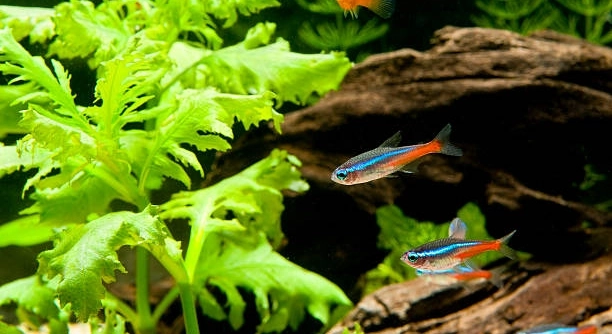
Neon Tetras are vibrant and popular fish in many aquariums. If your once-bright Neon Tetra is losing its color, it could be a sign of underlying issues that need attention. Let’s explore the causes and solutions.
Neon Tetras can lose their color due to factors like stress, poor water quality, or improper diet. A combination of these issues can weaken the fish, leading to a duller appearance. Addressing these causes will help restore vibrancy.
Understanding why your fish is losing color can be crucial in restoring its health. Let’s explore the factors behind this common issue and how you can fix it for a happier, more colorful fish.
Stress and Poor Tank Conditions
Stress is one of the most common reasons for a Neon Tetra losing its color. Fish can get stressed for several reasons, such as a sudden change in the environment, aggressive tank mates, or overcrowding. When stressed, a Neon Tetra’s immune system weakens, causing its bright colors to fade. This is usually accompanied by other signs like erratic swimming, hiding, or decreased appetite.
Stress can also come from poor tank conditions, like fluctuating water temperatures or improper pH levels. It’s important to maintain a stable environment for your fish. Make sure the water temperature is consistent and check for any aggressive tank mates that could be stressing your fish.
Regular water changes are key to preventing poor tank conditions. Keeping your tank clean will ensure that the water remains healthy, which helps to reduce stress and restore your Neon Tetra’s color. If your tank is too crowded, consider getting a larger aquarium or finding homes for excess fish.
Diet and Nutrition
A balanced diet plays a vital role in maintaining the color of your Neon Tetra. Without proper nutrition, your fish can become weak and lose their vibrant colors. A high-quality, varied diet that includes protein-rich foods and supplements is essential.
Neon Tetras thrive on a mix of high-quality flakes, pellets, and occasional live or frozen foods like daphnia or brine shrimp. A lack of essential nutrients can lead to a pale, unhealthy appearance. Poor diet can also make your fish more susceptible to diseases, which can further contribute to color loss.
It’s essential to provide your fish with a variety of foods. Ensure that you are feeding them the right amount—overfeeding can lead to water quality issues, which causes more stress. Additionally, a properly balanced diet ensures your Neon Tetra gets all the nutrients it needs for both health and color retention. Keep an eye on your fish’s feeding habits and adjust as necessary.
Water Quality Issues
Poor water quality is a major factor in the fading of a Neon Tetra’s color. Polluted water can cause stress and weaken the fish’s immune system. It’s important to monitor your tank’s water regularly for harmful substances like ammonia, nitrites, and nitrates.
Test the water every week to ensure the levels are safe for your fish. Keep ammonia and nitrites at 0 ppm and nitrates below 20 ppm. You can use water conditioners to help manage these levels, but regular water changes are also essential. Don’t forget to also check the pH and hardness of the water, as fluctuations can lead to further stress. A filter that works well is crucial in maintaining a healthy aquatic environment.
Poor water quality can cause more than just color loss. It can also lead to disease outbreaks and other health issues. Regular maintenance, including water changes and filter cleaning, is key to keeping the water clean and your fish vibrant.
Age and Genetics
As Neon Tetras age, their colors may naturally fade. This is part of the fish’s life cycle and can’t always be avoided. Older fish may lose some of the vibrant hues they had when they were younger.
Genetics also play a role in how brightly a fish maintains its color throughout its life. Some Neon Tetras are naturally less colorful due to genetic factors, which could make them more prone to fading. If you notice your fish losing color gradually over time, it might be simply due to aging or their genetic makeup.
However, even with aging, proper care like a balanced diet and clean water can help preserve their vibrancy. If you have a mix of older and younger fish, keep an eye on those aging fish, as they may require special attention to prevent other health issues that contribute to color loss.
Improper Tank Size
A tank that is too small can limit your Neon Tetra’s space to swim and cause stress. It can also lead to poor water conditions that affect their overall health. This is why choosing the right tank size is crucial for maintaining a healthy environment.
Neon Tetras need space to swim comfortably. A small tank causes overcrowding, which leads to stress, poor water circulation, and, ultimately, color loss. Ensure your aquarium is large enough for your fish to thrive. A 10-gallon tank is a good starting point for a small group of Neon Tetras.
If you notice your fish losing color, consider upgrading to a larger tank. A bigger tank not only reduces stress but also makes it easier to maintain water quality. Your fish will appreciate the extra space, and their colors will brighten as a result.
Illness or Disease
Infections or diseases can cause your Neon Tetra to lose its color. Symptoms of illness often include lethargy, loss of appetite, and faded colors. Pay close attention to any changes in behavior.
If your Neon Tetra has become lethargic or is swimming abnormally, it could be dealing with a disease. Diseases like neon tetra disease or parasites are common among freshwater fish and can severely affect their health and color. If caught early, many illnesses can be treated with medications designed for aquatic environments.
To prevent disease, maintain clean water, provide a balanced diet, and avoid overcrowding. If you suspect your fish is sick, it’s best to isolate it in a quarantine tank to prevent it from infecting others.
Poor Lighting
Inadequate or harsh lighting can impact your Neon Tetra’s color. Neon Tetras are used to softer, natural lighting, and bright, direct lights can cause stress and discoloration. Check if your aquarium light is too bright for your fish.
Fish need lighting that mimics their natural environment. Too much light can bleach out their vibrant colors, while too little can prevent them from fully showing their hues. Consider using a low-intensity LED light with a timer to create a day-night cycle, allowing your fish to rest.
FAQ
Why is my Neon Tetra turning pale?
A pale Neon Tetra can be a sign of stress, poor water quality, or a poor diet. When fish are stressed or their environment isn’t right, they may lose their bright colors. It’s important to address the root cause, whether it’s overcrowding, aggressive tank mates, or inadequate water conditions. Regular water changes, a balanced diet, and ensuring that the tank is large enough can all help restore color to your fish. Additionally, make sure there aren’t any diseases or parasites affecting your fish.
Can poor water quality cause Neon Tetras to lose color?
Yes, poor water quality is one of the leading causes of color loss in Neon Tetras. High levels of ammonia, nitrites, or nitrates can stress fish, making them lose their vibrant appearance. Keep your aquarium clean and regularly test the water for harmful chemicals. Make sure the pH, hardness, and temperature of the water are within safe ranges. Regular water changes and good filtration are crucial in maintaining a healthy environment for your fish.
How can I fix my Neon Tetra’s color loss?
To restore your Neon Tetra’s color, start by improving the tank environment. Make sure the water is clean, with ammonia and nitrite levels at zero. Check the water temperature and pH to ensure they are within the correct range. Provide your fish with a nutritious diet, and avoid overfeeding, which can lead to water quality issues. Stress can also cause color fading, so ensure the tank is large enough, and that your fish are not overcrowded or bullied by other fish.
Can my Neon Tetra’s color return?
Yes, with proper care, your Neon Tetra’s color can return. However, it may take some time. Improving the water quality, offering a proper diet, reducing stress, and addressing any health issues will all contribute to your fish regaining its vibrancy. If the color loss is due to aging, the color may not fully return, but younger or stressed fish typically regain their bright colors after some time in better conditions.
What type of food should I give my Neon Tetra?
Neon Tetras need a balanced diet that includes a mix of high-quality flake food, pellets, and live or frozen food like brine shrimp or daphnia. A varied diet helps maintain their health and vibrant color. Make sure the food you provide is appropriate for their size and dietary needs. Overfeeding should be avoided, as it can lead to water quality issues. A healthy diet will ensure your fish are getting the right nutrients for color retention and overall well-being.
Is my Neon Tetra sick if it’s losing color?
Not always, but it’s possible. If the color loss is accompanied by other symptoms like lethargy, abnormal swimming, or loss of appetite, your Neon Tetra might be ill. Common diseases like Neon Tetra disease or parasites can cause color fading. If you suspect your fish is sick, isolate it in a separate quarantine tank to prevent the spread of disease. Keep the water quality high, and consult a vet or aquatic specialist for advice on treatment if necessary.
Can Neon Tetras lose color due to old age?
Yes, older Neon Tetras may lose some of their color over time. As they age, their vibrant hues may fade, and this is a natural part of the aging process. While aging can cause some color loss, it’s still important to provide the fish with proper care, a good diet, and a clean tank. If your older fish are losing color but seem otherwise healthy, there may be nothing to worry about. However, if there are additional signs of stress or illness, further investigation is needed.
How can I reduce stress in my Neon Tetra?
Stress can be minimized by ensuring the tank is a calm and healthy environment. Make sure the aquarium is large enough for your fish and not overcrowded. Avoid aggressive tank mates that may bully or harass your Neon Tetra. Keep the water clean and maintain stable temperatures and pH levels. Limit sudden changes in the tank, such as lighting or water temperature, and provide hiding spots where your fish can retreat if they feel threatened. Reducing stress can help prevent color loss and improve overall health.
Does the size of the tank affect my Neon Tetra’s color?
Yes, the size of the tank plays a role in your Neon Tetra’s health and color. A tank that is too small can cause overcrowding, which leads to stress and poor water quality. A larger tank allows for better filtration and a healthier environment for your fish. A 10-gallon tank is a good size for a small group of Neon Tetras. Providing enough space for swimming and proper filtration will reduce stress and help your fish maintain their vibrant colors.
Can lighting affect my Neon Tetra’s color?
Yes, lighting can impact your Neon Tetra’s appearance. Too much light, especially harsh, direct lighting, can cause your fish to lose their color. On the other hand, insufficient light can prevent them from fully displaying their vibrant hues. It’s best to use low-intensity LED lights and provide a day-night cycle with a timer to simulate a natural environment. This will help your fish maintain their color and stay healthy.
Should I worry if my Neon Tetra’s color is fading?
If your Neon Tetra’s color is fading, it’s important to figure out the cause. Stress, poor water quality, diet, or illness can all lead to color loss. Once you address the cause—whether it’s improving water quality, offering a better diet, or reducing stress—your fish should start to regain its vibrant color. If the fading persists or is accompanied by other signs of illness, further investigation is needed. Regularly check the water, observe your fish’s behavior, and ensure the tank conditions are optimal.
Final Thoughts
If your Neon Tetra is losing its color, it’s important to understand the possible causes behind it. The most common reasons are stress, poor water quality, an unbalanced diet, or illness. Each of these factors can affect the fish’s health and appearance. It’s crucial to address these issues quickly to ensure your Neon Tetra remains healthy and vibrant. Taking steps to improve water quality, provide a proper diet, and reduce stress will give your fish the best chance to regain its color.
While it’s common for Neon Tetras to lose color due to aging, younger fish typically show a brighter hue. Aging does cause a gradual color loss, but proper care can still help preserve their vibrancy for a longer time. Regular tank maintenance, providing adequate space, and managing tank mates will also make a significant difference. Remember, creating a stable, healthy environment is key to ensuring your fish are as healthy as possible, which in turn supports their natural color.
If your Neon Tetra’s color loss continues even after making these adjustments, it may be a sign of a deeper issue, like a disease or an ongoing stressor. In such cases, isolating the affected fish in a quarantine tank can prevent the spread of illness and allow you to treat it properly. By maintaining good water quality, offering a balanced diet, and monitoring the overall health of your fish, you can help your Neon Tetra thrive and keep its vibrant colors for years to come.

Hello,
If you enjoy the content that we create, please consider saying a "Thank You!" by leaving a tip.
Every little bit helps us continue crafting quality advice that supports the health, happiness, and well-being of pets around the world, for pets of all shapes, sizes, and species.
We really appreciate the kindness and support that you show us!