
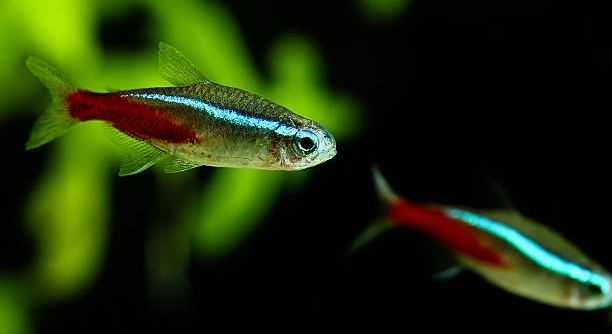
Is your neon tetra spending more time near the surface, leaving you feeling concerned and unsure about what’s going wrong in the tank?
Neon tetras often gasp at the surface due to low oxygen levels in the water, which can result from poor water quality, high temperatures, or overcrowding. These conditions reduce oxygen availability and stress the fish.
Knowing the root causes can help you create a safer environment and keep your neon tetra happy and healthy for the long term.
Low Oxygen Levels in the Tank
When your neon tetra gasps at the surface, low oxygen is often the reason. Warm water holds less oxygen, and if your tank is too crowded or lacks water movement, your fish may struggle to breathe properly. A weak filter or no airstone can make it worse. Plants that aren’t healthy might even consume more oxygen than they produce, especially at night. You may also notice your tetra acting sluggish or staying near the top all the time. These are signs you should check your tank’s temperature, oxygen levels, and water flow. Keeping your tank clean and well-filtered can help maintain the right balance. Try to keep your tank at 72–76°F and avoid overstocking. Making small adjustments to aeration or adding live plants can also support better oxygen exchange, giving your fish a more comfortable space. It doesn’t take much to make a difference once you spot the signs.
A lack of proper oxygenation can happen gradually, so it’s important to check on your setup often and make sure everything is running smoothly.
Your neon tetra will be more active and less stressed in an environment where the oxygen levels are stable. A simple air pump or sponge filter can make a big improvement.
Poor Water Quality
Dirty or unbalanced water can quickly lead to problems for your neon tetra.
Ammonia, nitrite, and nitrate levels build up if you don’t clean the tank regularly. These invisible changes in the water can stress your tetra and make breathing difficult. Waste from fish, uneaten food, and decaying plants can all throw off your water balance. Even if the water looks clear, toxins might still be present. Neon tetras are sensitive and need a stable, clean setup to thrive. Weekly water changes of about 25%, regular testing with a freshwater kit, and good filtration are all important. Make sure the filter is appropriate for your tank size, and don’t skip cleanings. If you’re using tap water, add a dechlorinator before pouring it in. Watching your fish’s behavior can also tell you a lot. If they start acting differently, it might be time to test the water. Clean, healthy water makes a big difference in keeping your tetra comfortable and healthy.
High Water Temperature
Warm water holds less oxygen, which can make it hard for your neon tetra to breathe. If the tank gets too hot, your fish may start gasping at the surface to try and get more air.
A heater malfunction or placing the tank too close to a window can raise the temperature quickly. Neon tetras prefer a range between 72–76°F. Anything above that may increase their stress. Warmer water also speeds up their metabolism, which means they use more oxygen than usual. When this happens, the oxygen can run out faster, especially at night. It’s a good idea to use a reliable thermometer and check it daily. If your room gets warm during the day, use a fan or move the tank to a cooler spot. Even slight adjustments can help prevent overheating and keep your tetra comfortable in their environment.
Fluctuating temperatures can also be harmful, even if the water cools down later. Constant changes put stress on your tetra’s body, and that makes it harder for them to adjust or breathe properly. Sudden heat waves or drafts can throw off the balance, so try to keep the tank in a space where the temperature stays steady. Investing in a good-quality heater with a thermostat helps avoid unexpected changes.
Lack of Surface Agitation
When the water’s surface is still, less oxygen can enter the tank. This often happens in setups without filters or air pumps. Without proper surface movement, neon tetras may head to the top, trying to breathe better.
A good way to improve this is by increasing surface agitation. This can be done by adjusting your filter’s outflow to ripple the surface or adding an air stone. These changes help oxygen mix into the water and improve gas exchange. Without them, your tetra may become sluggish and stay near the top for longer periods. If you’re unsure, watch how the water surface looks — if it’s too still, that’s a sign you need to act. Proper surface movement doesn’t require expensive equipment, and even small changes can have a noticeable impact. Your fish will be more active and less stressed once the oxygen levels rise through better circulation.
Overcrowding in the Tank
Too many fish in one tank can lower oxygen levels and raise waste levels. This makes it harder for your neon tetra to breathe and causes stress. Overcrowding also limits swimming space and increases competition for clean water.
Stick to one inch of fish per gallon as a general rule. For neon tetras, a group of six needs at least a 10-gallon tank with good filtration.
Illness or Parasites
Health problems can cause your neon tetra to gasp for air. Some diseases affect the gills, making it hard for them to breathe. Gill flukes, bacterial infections, or poor water quality weaken their immune system. You may also notice clamped fins, discoloration, or lethargy. Quarantining new fish helps prevent spreading sickness. If your tetra shows signs of illness, act fast. Use a test kit, observe behavior, and consider treatment options. Medication, water changes, and better water quality can support healing. A separate hospital tank can also help during treatment without stressing the rest of your fish.
Chemical Contamination
Household sprays, soaps, or untreated tap water can introduce toxins into your tank. These chemicals harm your tetra’s gills and reduce oxygen absorption, leading to gasping. Always wash hands before handling tank equipment and use a dechlorinator with tap water.
FAQ
Why is my neon tetra staying near the surface of the tank?
Your neon tetra might be staying near the surface because it’s struggling to breathe. This often happens due to low oxygen levels in the water, which can be caused by high temperatures, overcrowding, or poor water quality. If your tank has insufficient surface movement or a weak filter, it can also reduce oxygen exchange, forcing your fish to gasp at the top. Check your tank’s water quality, temperature, and aeration to resolve this issue.
How can I improve the oxygen levels in my tank?
To improve oxygen levels, ensure your tank has adequate water movement. Adding a filter with a strong outflow, a sponge filter, or an air pump can help oxygenate the water. Keep your tank temperature between 72–76°F, as warmer water holds less oxygen. Regular water changes also help keep oxygen levels stable by preventing toxic buildup.
Can high water temperature cause my neon tetra to gasp for air?
Yes, high water temperatures can reduce oxygen levels and make it harder for your neon tetra to breathe. Water temperature above 76°F causes oxygen to be less available, which can stress your fish. Neon tetras thrive in cooler temperatures, so maintaining a stable range of 72–76°F is ideal. Using a thermometer and checking the water temperature regularly can help you avoid overheating.
What is the best tank size for neon tetras?
Neon tetras are small fish, but they still need enough space to feel comfortable. A minimum of 10 gallons is recommended for a small group of neon tetras. Overcrowding can stress your fish and lower oxygen levels. It’s important to remember that for every inch of fish, you need about one gallon of water. A larger tank helps maintain better water quality and more stable oxygen levels.
How can I tell if my neon tetra is sick?
Sick neon tetras often show signs such as gasping for air at the surface, clamped fins, loss of color, sluggish movement, or abnormal swimming behavior. If your fish is staying at the surface or hiding more than usual, it could be a sign of illness or stress. Always test your water quality and watch for any changes in behavior. If symptoms persist, isolating the sick fish in a hospital tank can help prevent the spread of illness.
Can poor water quality cause my neon tetra to gasp for air?
Yes, poor water quality is a common cause of gasping. Ammonia, nitrites, and high nitrates can build up if the tank isn’t maintained properly, making it hard for your fish to breathe. Regular water changes, using a good filter, and testing water quality are essential to keeping your neon tetras healthy. If your fish are gasping, check the levels of ammonia, nitrites, and nitrates in the water.
Is it normal for neon tetras to swim at the surface?
Neon tetras are typically mid-level swimmers and prefer staying in the middle of the tank. If they are frequently at the surface, it’s usually a sign of stress or poor water conditions. They may swim at the surface to get more oxygen or because they are feeling unsafe. Check your tank for any issues with oxygen levels, temperature, or overcrowding.
Can adding more plants help with oxygen levels?
Yes, live plants can improve oxygen levels by absorbing carbon dioxide and releasing oxygen into the water. However, they can also consume oxygen at night when photosynthesis stops. To maintain balance, ensure you have a good mix of plants and proper filtration. Plants also help reduce stress by creating hiding spots, but don’t rely solely on them for oxygenation.
How often should I clean my tank to prevent oxygen issues?
Regular cleaning is essential to maintain healthy oxygen levels. Perform weekly water changes of about 25% and remove any excess debris, uneaten food, and waste. Cleaning the filter regularly ensures proper water flow and oxygen exchange. It’s also a good idea to vacuum the substrate during water changes to remove organic waste buildup that can deplete oxygen levels.
Can my neon tetra’s behavior be affected by other fish in the tank?
Yes, other fish in the tank can stress your neon tetra, which may lead to gasping. Aggressive fish, overcrowding, or incompatible species can cause your tetras to hide or stay near the surface. If your neon tetra is being bullied, it might be harder for them to breathe properly. Make sure to choose tankmates that are peaceful and provide enough space for everyone.
What should I do if my neon tetra continues to gasp for air?
If your neon tetra continues to gasp for air, first check the water quality and temperature. Perform a water change if needed and ensure the tank is properly aerated. If you suspect illness, isolate the fish and monitor closely for any other symptoms. If the problem persists, consult an aquarium professional for advice on treatment.
Final Thoughts
If your neon tetra is gasping at the surface, it’s a sign that something is wrong in the tank. It’s important to address the problem as soon as possible to prevent further stress or health issues for your fish. Low oxygen levels, poor water quality, high water temperature, and overcrowding are all common reasons for this behavior. By maintaining a clean tank, ensuring good water movement, and keeping an eye on your tank’s temperature, you can create a better environment for your neon tetra. Regular maintenance and monitoring can prevent these issues from happening in the future.
It’s also important to remember that neon tetras are delicate fish that are sensitive to changes in their environment. Even small changes in water quality or temperature can affect their health. Always be mindful of how many fish you have in the tank and make sure the tank is large enough for everyone. The stress of overcrowding can be just as harmful as poor water conditions. Keeping a stable and clean environment will not only help with the oxygen levels but also make your neon tetras feel safe and secure, reducing unnecessary stress.
Lastly, while some issues can be fixed quickly, others may require a bit more time and effort. If you notice that your neon tetra is still gasping after making the necessary adjustments, it may be worth checking for illness or parasites. Sometimes, gasping at the surface can be linked to gill problems or other health issues, which may need special treatment. The more you understand your fish’s behavior and needs, the easier it becomes to maintain a healthy, thriving aquarium. Proper care, attention, and patience will ensure your neon tetra can live a long and happy life in its home.

Hello,
If you enjoy the content that we create, please consider saying a "Thank You!" by leaving a tip.
Every little bit helps us continue crafting quality advice that supports the health, happiness, and well-being of pets around the world, for pets of all shapes, sizes, and species.
We really appreciate the kindness and support that you show us!