
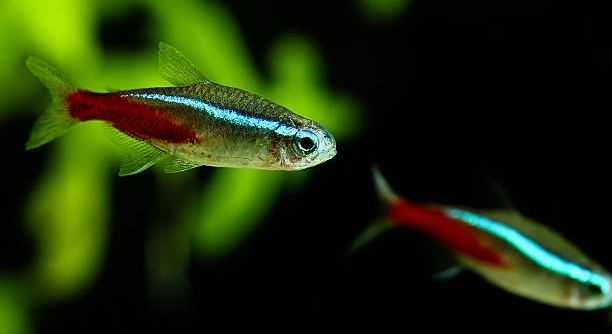
Neon Tetras are known for their peaceful swimming habits, but when they start swimming erratically, it can be concerning. Understanding why they may exhibit this unusual behavior is essential to maintaining their health and happiness in your aquarium.
Erratic swimming in Neon Tetras often points to stress, water quality issues, or an underlying health problem. Factors like overcrowding, temperature fluctuations, or the presence of aggressive tank mates can trigger this behavior, affecting their overall well-being.
There are various factors to consider when your Neon Tetras swim unusually. By understanding these causes, you can create a healthier environment and ensure their comfort. Keep reading to learn more about how to fix the issue.
Water Quality Issues
Poor water quality is one of the most common reasons your Neon Tetras may swim erratically. These small fish are sensitive to their environment, and poor water conditions can lead to stress. Unfiltered tanks, dirty water, or improper pH levels can cause them to swim in unusual patterns, struggle to breathe, or avoid other fish. Ammonia, nitrites, or nitrates from waste buildup can also irritate their gills, leading to erratic swimming. If you’re noticing this behavior, it’s a sign that your aquarium needs attention. Regular water changes and proper filtration are crucial to keeping your Tetras healthy.
To maintain a stable environment, ensure your tank is filtered and regularly cleaned. Test your water to make sure that the pH, ammonia, nitrites, and nitrates are all within the recommended range for Neon Tetras. A good filtration system will help maintain water clarity and reduce harmful waste buildup.
Neon Tetras prefer soft, slightly acidic water, with a temperature range of 72–78°F (22–26°C). If the water quality is compromised, it not only affects their swimming behavior but also their long-term health. Without proper water maintenance, Neon Tetras can experience stress, weakened immune systems, and even disease. Therefore, it’s important to monitor your tank and test the water regularly. Using a water conditioner and performing regular water changes will help keep harmful chemicals at bay. Make sure your filtration system is powerful enough for your tank size to prevent water issues.
Overcrowding in the Tank
Overcrowding can lead to erratic swimming in your Neon Tetras. When the tank has too many fish, there is less space for each one to move comfortably, which creates stress. This can trigger unusual swimming patterns as they try to navigate through limited space.
To prevent overcrowding, ensure you follow the recommended fish-to-gallon ratio for your tank. Avoid adding too many fish, as it can result in high stress levels. A balanced tank will keep your Tetras calm and swimming peacefully.
Crowding not only limits their swimming but can also cause a lack of oxygen in the water. As more fish are added, the oxygen levels in the tank decrease, and the fish will start to swim erratically or near the surface where oxygen levels are higher. Additionally, overcrowding increases waste buildup, which can further degrade water quality, making the problem worse. Consider the adult size of each fish and space accordingly. Neon Tetras, while small, still need room to swim and thrive. Keeping your tank’s population balanced will reduce stress and improve the overall health of your fish. A spacious tank encourages natural behavior and peaceful swimming, preventing erratic movements caused by discomfort.
Aggressive Tank Mates
Aggressive tank mates can make your Neon Tetras feel threatened, leading to erratic swimming. If other fish in your tank are bullying or chasing them, this will cause stress and discomfort. Tetras may dart around or hide, trying to avoid conflict.
To prevent aggression, ensure your tank mates are compatible with Neon Tetras. Avoid placing them with overly territorial or aggressive species, such as larger cichlids or fin-nippers. Tetras prefer peaceful community settings. If your fish show signs of aggression, consider moving them to a separate tank.
Aggressive fish can damage your Tetras physically, causing further stress and sometimes injury. This can disrupt their normal swimming patterns as they attempt to flee or hide. If you notice consistent bullying or chasing behavior, take action by rearranging the tank or providing hiding spots. Adding plants, rocks, or other decorations will give your Tetras areas to retreat to when they need a break. A peaceful tank environment is key to helping them feel secure and swim naturally.
Temperature Fluctuations
Temperature fluctuations can stress out your Neon Tetras, leading to abnormal swimming behavior. If the water temperature drops too low or spikes too high, they may swim frantically as they try to adjust.
Neon Tetras thrive in stable water temperatures between 72–78°F (22–26°C). Sudden temperature changes can shock their system, resulting in erratic movements or distress. A reliable heater will maintain the correct water temperature and help prevent these issues.
Temperature fluctuations can also weaken your Tetras’ immune system, making them more susceptible to illness. Fish will naturally exhibit erratic swimming as they struggle to adapt to uncomfortable conditions. It’s important to regularly check the water temperature, especially during seasonal changes. If you use a heater, ensure it’s set to a consistent temperature and check it frequently. An aquarium thermometer can help you keep track and prevent extreme changes that could harm your fish.
Health Issues
Health issues like parasites, infections, or internal problems can cause Neon Tetras to swim erratically. When a fish is unwell, it may move in unusual patterns or appear lethargic. Pay attention to other signs of illness, such as discoloration or abnormal behavior.
If your Tetras are acting strangely, inspect them closely for signs of disease. Common symptoms include white spots, bloating, or damaged fins. Consult a veterinarian or an aquarium specialist to identify the problem. Treating these issues quickly can prevent further complications.
A weakened immune system or an untreated infection can lead to more severe health problems. Regularly checking your fish for signs of illness and maintaining a clean environment will help keep them healthy. If you spot any unusual behavior, it’s best to act fast, as early treatment can prevent the disease from spreading to other tank mates. Be sure to quarantine any affected fish to protect the others.
Water Chemistry
Water chemistry plays a big role in how your Neon Tetras behave. If the levels of pH, hardness, or other elements are off, it can make them swim erratically.
Test the water regularly to make sure that the pH is between 6.0 and 7.5 and the water hardness is soft to slightly hard. Proper water chemistry is essential for the comfort and health of your fish.
Stress from Changes
Sudden changes in the tank environment can stress out your Neon Tetras, leading to erratic swimming. Adding new fish, rearranging decorations, or even changing the water too quickly can disrupt their peaceful routine.
Fish need time to adjust to any changes. When possible, make changes gradually to avoid overwhelming your Tetras. Adjusting water conditions, adding new tank mates, or changing the layout slowly will help your fish stay calm and reduce stress.
FAQ
Why are my Neon Tetras swimming at the surface?
Neon Tetras swimming at the surface often indicates low oxygen levels in the water. If the tank is overcrowded or poorly filtered, oxygen may not be circulating properly, causing your fish to search for better air. Check the water flow and consider adding an air pump to increase oxygen levels. Another possible reason could be water temperature fluctuations. Fish tend to swim at the surface when they are uncomfortable with the water’s temperature. Make sure the water temperature remains stable between 72–78°F (22–26°C).
How do I know if my Neon Tetras are stressed?
Stressed Neon Tetras often show erratic swimming, including darting around the tank or hiding for extended periods. They may also appear less active or refuse to eat. Changes in their coloration, like fading or darkening of their usual bright colors, are also signs of stress. Pay attention to the environment to determine the cause. If you notice any of these signs, check for water quality issues, tank overcrowding, or aggressive tank mates. Once you address these, your Tetras should begin to calm down.
Can water temperature cause erratic swimming?
Yes, temperature fluctuations can cause erratic swimming behavior in Neon Tetras. When the water is too cold or too hot, your fish may swim frantically as they try to adjust. Neon Tetras are best kept in stable water temperatures between 72–78°F (22–26°C). If you notice sudden behavior changes, it’s a good idea to check the tank’s temperature and make sure your heater is functioning properly.
Do Neon Tetras need a filter to stay healthy?
Yes, Neon Tetras need a filter for their tank. A filter helps maintain water quality by removing waste, excess food, and toxins that can build up. Without proper filtration, harmful substances like ammonia and nitrites can cause stress or illness, leading to erratic swimming or other health problems. Be sure to clean the filter regularly and perform partial water changes every 1-2 weeks to keep your Tetras healthy and happy.
What should I do if my Neon Tetras are swimming in circles?
If your Neon Tetras are swimming in circles, it may be a sign of stress or an underlying health issue. Check the water quality, as poor conditions can lead to disoriented swimming. Also, ensure the tank is not overcrowded, as this can stress the fish. In some cases, a neurological issue or parasites could be the cause, and you should consider consulting an aquarium specialist. Ensure the tank temperature, pH, and water hardness are within the proper range.
Can Neon Tetras live with other fish?
Yes, Neon Tetras can live peacefully with many other species. They are community fish and thrive in peaceful tanks with other non-aggressive species. However, avoid placing them with fin-nippers or larger, more aggressive fish. Ideal tank mates include small, peaceful species like Corydoras catfish, guppies, and other tetras. The key is to maintain a peaceful and balanced environment to avoid stress and prevent erratic behavior.
How often should I change the water in my Neon Tetra tank?
Water changes are important to maintain the health of your Neon Tetras. Aim to change about 25-30% of the tank water every two weeks. In tanks with more fish or without a filter, more frequent water changes may be necessary. Always ensure the new water is treated for chlorine and matches the temperature and pH of the existing water to avoid stressing the fish.
Can Neon Tetras survive in cold water?
Neon Tetras are tropical fish and require warm water to stay healthy. They do best in temperatures between 72–78°F (22–26°C). If the water temperature drops significantly below this range, it can stress them and cause erratic swimming behavior. They are not suited for cold water tanks, so it’s important to provide a heater to keep the temperature stable.
What can I do to prevent my Neon Tetras from fighting?
Neon Tetras are generally peaceful fish, but they can become stressed if there are aggressive or territorial fish in the tank. To prevent fighting, ensure the tank has enough space for all the fish. Avoid placing them with aggressive species like larger cichlids or fish that may nip their fins. Providing plenty of plants and hiding spots also helps reduce stress and territorial behavior.
Why do my Neon Tetras swim upside down?
Swimming upside down or on their sides is abnormal behavior and often indicates a health problem. It could be caused by swim bladder issues, an internal parasite, or a bacterial infection. Check for other signs of illness, such as swelling or loss of appetite. If the problem persists, consult an aquarium specialist to determine the cause and begin treatment.
Final Thoughts
When Neon Tetras start swimming erratically, it’s important to take a closer look at their environment and overall health. These small, peaceful fish are sensitive to changes in water quality, tank mates, and temperature. Any disruption in these factors can lead to stress, which often results in unusual swimming patterns. Understanding the causes behind this behavior is key to resolving the issue and ensuring your fish are happy and healthy.
The first step in addressing erratic swimming is to check the water quality. Poor water conditions, including high levels of ammonia, nitrites, or fluctuating pH, can severely stress your Tetras. Regular water changes, proper filtration, and testing the water frequently will help maintain a safe and comfortable environment for your fish. If the water quality is in good shape, the next thing to consider is the temperature. Neon Tetras thrive in stable conditions, so sudden temperature changes can cause them to swim frantically or become sluggish. A reliable heater will help keep the temperature consistent within the recommended range.
In addition to water quality and temperature, other factors like overcrowding or aggressive tank mates can lead to erratic behavior. If your tank is too crowded, there won’t be enough space for your fish to swim freely, which can cause stress. Similarly, aggressive fish that chase or nip at your Tetras can make them feel unsafe. Providing plenty of hiding spots and ensuring compatible tank mates will help reduce stress. If you address these issues promptly, your Neon Tetras will return to their peaceful, graceful swimming habits.

Hello,
If you enjoy the content that we create, please consider saying a "Thank You!" by leaving a tip.
Every little bit helps us continue crafting quality advice that supports the health, happiness, and well-being of pets around the world, for pets of all shapes, sizes, and species.
We really appreciate the kindness and support that you show us!