
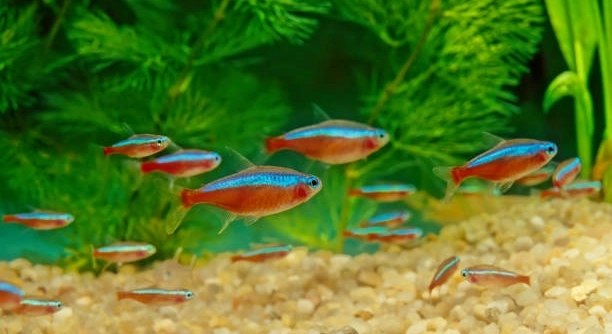
Neon Tetras are popular aquarium fish known for their bright colors. However, sometimes they may float at the surface of the water, which can be concerning for aquarium owners. Understanding the cause of this behavior is important.
Neon Tetras floating at the surface may indicate a variety of issues, such as water quality problems, improper temperature, or even health concerns like swim bladder disease. Proper care and regular tank maintenance are essential to prevent this behavior.
In the following sections, we’ll cover common reasons for this issue and offer helpful tips to keep your Neon Tetras happy and healthy.
Water Quality Issues
The quality of the water in your aquarium plays a huge role in your fish’s health. Neon Tetras are sensitive to changes in their environment, and poor water conditions can cause stress or even health problems. Common factors affecting water quality include ammonia, nitrites, and nitrates. High levels of these chemicals can irritate your fish and lead to abnormal behaviors, like floating at the surface. Keeping your water clean and balanced is key to maintaining a thriving tank.
A proper filtration system and regular water changes are crucial for keeping ammonia and nitrites in check. You should also monitor the pH, hardness, and temperature to ensure that they remain within the range suitable for Neon Tetras.
Using a water test kit regularly will help you spot any issues before they affect your fish. If the water quality is poor, your Neon Tetras may seek the surface, where oxygen levels are higher. This behavior can be a sign that they are struggling to breathe in the lower parts of the tank.
Temperature Fluctuations
Neon Tetras prefer stable water temperatures between 72°F and 78°F. If the water is too hot or too cold, it can stress them and make them more likely to swim near the surface.
Keeping your tank within the ideal temperature range is essential for their health. Sudden changes in temperature can shock the fish and lead to erratic swimming patterns or surface floating.
Swim Bladder Issues
Swim bladder problems are another common reason your Neon Tetra might float at the surface. The swim bladder is an organ that helps fish maintain buoyancy, and if it’s damaged or malfunctioning, the fish may struggle to stay at the correct depth in the water.
Swim bladder disease can be caused by injury, poor water conditions, or overfeeding. When a Neon Tetra has difficulty controlling its buoyancy, it might float at the surface or even swim upside down. This issue can be treated, but it’s important to identify the root cause and address it quickly to prevent further stress on the fish.
A key to preventing swim bladder issues is to avoid overfeeding. Make sure to feed only the right amount for your fish to consume in a few minutes. Overfeeding can lead to digestive problems, which may affect the swim bladder. If swim bladder disease is suspected, isolating the affected fish in a separate tank for treatment can help.
Inadequate Oxygen Levels
Neon Tetras are small fish that require sufficient oxygen to thrive. If your tank has low oxygen levels, your fish may swim near the surface where the oxygen concentration is higher.
Ensure your aquarium has proper aeration to keep oxygen levels stable. Adding an air stone or adjusting your filter’s flow can help improve circulation and oxygen exchange.
Overcrowding in the Tank
Overcrowding can lead to a variety of problems in your aquarium, including stress for your Neon Tetras. When fish are packed too tightly, they struggle to find enough space to swim comfortably. This stress can lead them to float at the surface.
If you notice that your Neon Tetras are floating at the surface, it might be time to reassess the tank’s stocking levels. Ideally, each fish needs a certain amount of space to thrive. If your tank is overstocked, it can lead to poor water quality, lack of oxygen, and behavioral issues.
Ensure you have the right number of fish for the size of your tank. A good rule of thumb is one inch of fish per gallon of water. Maintaining the proper stocking density will reduce stress and keep your Neon Tetras swimming happily at their usual depths.
Poor Diet
A poor or imbalanced diet can contribute to health problems in Neon Tetras. Overfeeding or feeding low-quality food can lead to digestive issues, which may affect their buoyancy.
Make sure to feed your Neon Tetras high-quality food designed for their specific needs.
FAQ
Why are my Neon Tetras always at the surface?
Neon Tetras may stay at the surface of the tank for various reasons. Common causes include poor water quality, low oxygen levels, swim bladder issues, or temperature fluctuations. You should first check the water quality and temperature to ensure they are within the correct range. If those are fine, consider checking for swim bladder issues or ensuring your tank is not overcrowded.
Can swim bladder disease be treated?
Yes, swim bladder disease can be treated. The treatment depends on the cause. If it’s caused by overfeeding, reduce food intake and consider fasting your fish for a day or two. If the problem is caused by injury or infection, you may need to isolate the affected fish and treat it with medicated food or aquarium salt. It’s important to treat the underlying cause to prevent recurrence.
How can I improve the oxygen levels in my tank?
To improve oxygen levels in your tank, make sure there’s proper water circulation. Adding an air stone or adjusting your filter’s output will help improve oxygen exchange. Regular water changes can also assist in maintaining oxygen levels, especially if the tank is heavily stocked. Avoid overfeeding, as decaying food can lower oxygen levels.
What temperature should my tank be for Neon Tetras?
Neon Tetras thrive in water temperatures between 72°F and 78°F. Water that’s too hot or too cold can stress the fish and lead to abnormal behavior like floating at the surface. Make sure to keep the tank in a consistent temperature range, as sudden fluctuations can also cause stress.
Can water quality affect my fish’s behavior?
Yes, poor water quality can greatly affect your Neon Tetras’ behavior. High levels of ammonia, nitrites, or nitrates can stress your fish and cause them to float at the surface or act erratically. Regular water changes and proper filtration will help maintain clean water and prevent these issues.
Is overcrowding a common issue for Neon Tetras?
Yes, overcrowding is a common issue that can stress Neon Tetras. When there are too many fish in the tank, they may struggle to find enough space, leading to stress and behavioral problems like floating at the surface. It’s important to follow proper stocking guidelines, ensuring there is enough space for each fish to swim comfortably.
Can I prevent swim bladder disease in my Neon Tetras?
To prevent swim bladder disease, avoid overfeeding your Neon Tetras. Only feed them the amount they can consume in a few minutes. Uneaten food can affect water quality and contribute to swim bladder issues. Also, maintain stable water conditions and avoid sudden temperature changes, which can stress your fish.
How often should I change the water in my tank?
Regular water changes are crucial for maintaining a healthy environment for your Neon Tetras. You should aim to change about 25-30% of the water every 1-2 weeks. More frequent changes may be necessary if the tank is overstocked or if you notice water quality issues. Always use a water conditioner to treat tap water before adding it to the tank.
Can a poor diet cause Neon Tetras to float at the surface?
Yes, a poor or imbalanced diet can lead to digestive problems in Neon Tetras, which may result in them floating at the surface. Make sure to feed them high-quality, varied food suited to their nutritional needs. Overfeeding can also cause digestive issues, so it’s essential to feed them only what they can consume in a few minutes.
How do I know if my Neon Tetra is sick?
Sick Neon Tetras may show signs like floating at the surface, loss of color, lethargy, or abnormal swimming behavior. They may also refuse food or develop visible spots, lesions, or swelling. If you notice any of these signs, it’s important to address the issue promptly by checking water conditions, reviewing their diet, and considering isolating the fish for treatment.
Final Thoughts
Neon Tetras are beautiful and popular fish that can bring a lot of joy to your aquarium. However, when they start floating at the surface, it can be concerning. Understanding the possible causes of this behavior is essential for addressing the problem. Factors such as water quality, temperature fluctuations, swim bladder issues, and overcrowding can all contribute to this behavior. By checking and improving these factors, you can help ensure that your Neon Tetras remain healthy and happy.
One of the most important steps to take when your Neon Tetras are floating at the surface is to check the water conditions. Ammonia, nitrites, and nitrates should be kept at safe levels to avoid stress on your fish. Regular water changes and proper filtration are key to maintaining a healthy environment. Additionally, ensuring that the water temperature stays within the ideal range for Neon Tetras will help prevent stress that may lead to surface floating. You should also avoid overcrowding the tank, as this can create poor living conditions that affect the health of your fish.
If the water conditions are ideal and your fish continue to float at the surface, then it may be worth considering health issues like swim bladder disease. While this can be treated, it’s essential to act quickly to prevent further complications. Providing a balanced diet and avoiding overfeeding is important in maintaining your fish’s health. Regular monitoring of both the environment and the fish will help you spot any potential issues early and address them before they become serious problems. By staying attentive to your tank’s conditions and your fish’s behavior, you can ensure your Neon Tetras thrive in their aquatic home.

Hello,
If you enjoy the content that we create, please consider saying a "Thank You!" by leaving a tip.
Every little bit helps us continue crafting quality advice that supports the health, happiness, and well-being of pets around the world, for pets of all shapes, sizes, and species.
We really appreciate the kindness and support that you show us!