
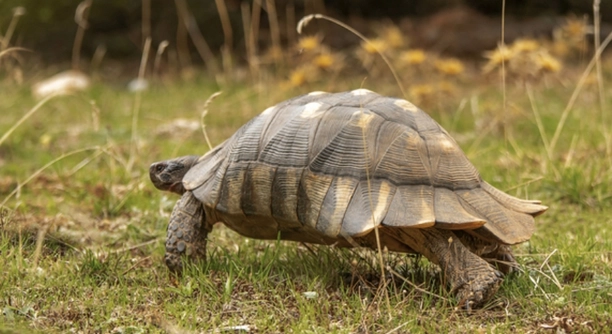
If your marginated tortoise is sleeping more than usual, it can be concerning. It may feel like something is wrong, but there are several factors that could explain the behavior. Understanding these reasons is key.
The main reason for your marginated tortoise sleeping more is environmental stress or health issues. Changes in temperature, diet, or habitat can lead to lethargy. Additionally, hibernation periods and sickness may also contribute to increased sleep.
Understanding these reasons will help you provide the best care for your tortoise and ensure it stays healthy.
Environmental Changes Affecting Your Tortoise’s Behavior
If you’ve recently made changes to your tortoise’s environment, this could be the reason for its increased sleep. Marginated tortoises are sensitive to shifts in temperature, humidity, or lighting. A sudden change in these conditions can disrupt their natural rhythm. Tortoises rely on specific environmental cues for their daily activities, including sleep patterns. If the temperature in the enclosure drops too low or fluctuates, your tortoise may become more lethargic, as its metabolism slows down.
Changes in the lighting schedule can also affect their sleep patterns. Tortoises thrive on a regular day-night cycle, so inconsistent lighting may confuse their internal clock. Without proper light and heat, they may retreat into a state of rest to conserve energy.
It’s essential to maintain a stable environment for your tortoise. Keep the habitat’s temperature within a proper range and use a reliable light source to create a consistent day-night cycle. This simple adjustment could help restore its natural activity levels.
Diet and Hydration
Diet plays a significant role in the overall health of your tortoise.
A lack of nutrients or dehydration can cause fatigue and sleeping more than usual. Make sure your tortoise receives a balanced diet of leafy greens, vegetables, and occasional fruits. You should also ensure that your tortoise has access to clean, fresh water at all times. Dehydration can cause sluggishness and prevent it from being active.
When the right nutrients are missing, it can lead to weakness and drowsiness. Tortoises need calcium and other vitamins to stay healthy. Without proper hydration and nutrition, they may sleep excessively to compensate for energy loss.
If your tortoise is eating well but still sleeping too much, it might be a sign of dehydration. To prevent this, maintain a consistent hydration schedule and offer a variety of nutritious food options.
Stress from Handling or Habitat Interactions
Stress from excessive handling or disturbances in the habitat can lead to more sleep. Marginated tortoises are naturally shy creatures and prefer a quiet, calm environment. Frequent handling can make them anxious, leading to fatigue as a coping mechanism.
When a tortoise is stressed, it may retreat into its shell for long periods. This withdrawal is a response to feeling unsafe. Stress can arise from loud noises, sudden movements, or the presence of other pets in the area. Keeping handling to a minimum and ensuring a peaceful space will help reduce stress levels and restore its energy.
A change in the habitat, such as introducing new items or altering the layout, may also contribute to stress. Ensure the space remains consistent and free from loud distractions. This stability will allow your tortoise to feel secure, minimizing the need to sleep excessively.
Illness or Health Issues
If your tortoise is sleeping too much, it could be dealing with an underlying health issue. Common health problems such as respiratory infections or parasites can cause lethargy and fatigue.
Respiratory infections are common in tortoises and can result in excessive sleeping, loss of appetite, or discharge from the nose or eyes. If your tortoise has any of these symptoms, it’s essential to seek a vet’s advice. Parasitic infections can also cause discomfort and make the tortoise more lethargic.
It’s important to monitor your tortoise for any unusual symptoms or behavior. If it continues to sleep more than usual and shows signs of illness, a vet visit is crucial for proper diagnosis and treatment. Early detection can prevent further complications and improve recovery time.
Age and Natural Sleep Patterns
As tortoises get older, their sleep patterns change. Older tortoises tend to sleep more as their energy levels decrease. This is a natural part of the aging process.
Older marginated tortoises may also slow down due to the physical wear on their bodies. Their activity decreases, and they prefer to rest more. If your tortoise is aging, it’s important to be patient and allow it time to rest.
Hibernation or Brumation
Marginated tortoises, like many other reptiles, have natural hibernation cycles. They tend to sleep more during colder months in preparation for hibernation or brumation.
If your tortoise is going into brumation, you may notice it sleeping more, even without any illness. During this period, their metabolism slows, and they reduce their food intake. It’s important to make sure your tortoise’s environment is suitable for this process. Temperature and humidity should be monitored closely to ensure it remains healthy through hibernation.
Overexertion
Marginated tortoises, if overly active, can also become exhausted and sleep more as a result. Overexertion may happen due to too much time outside the enclosure or excessive physical activity.
In these cases, the tortoise will rest to recover its energy. This can be a temporary reason for more sleep, but it’s important to monitor their daily activities. Ensure they have enough time to rest and that they aren’t pushed too far in terms of exercise.
FAQ
Why is my marginated tortoise sleeping so much?
Marginated tortoises can sleep more for several reasons, including environmental changes, stress, illness, age, or natural sleep cycles like brumation. If your tortoise is in a cooler environment, it might be preparing to hibernate or brumate, which can lead to extended sleep. If there’s no clear environmental cause, it could be a health issue. Always check for signs of illness, like respiratory problems or lack of appetite, and ensure its habitat is stable.
Can stress cause my tortoise to sleep more?
Yes, stress can cause a tortoise to sleep excessively. Marginated tortoises are sensitive to changes in their surroundings, loud noises, or even frequent handling. Stress leads to lethargy, and they may sleep more to cope. Minimizing stress by providing a calm environment and avoiding unnecessary handling will help reduce this behavior.
How do I know if my tortoise is ill or just sleeping more?
If your tortoise is sleeping more than usual and exhibits other symptoms like loss of appetite, nasal discharge, or difficulty breathing, it may be ill. Illness, especially respiratory infections or parasites, can cause lethargy. A visit to the vet is necessary if you notice any signs of illness. Early diagnosis and treatment can prevent further complications.
How can I help my tortoise wake up from hibernation?
If your tortoise is in brumation and you need to help it wake up, you can slowly increase the temperature in its enclosure. This mimics the natural warming process that occurs in the wild. Gradually raise the temperature to around 70°F and provide access to water and food once it becomes active. Be patient, as brumation can take several weeks.
What temperature should my tortoise’s habitat be?
The ideal temperature for a marginated tortoise is between 70°F and 85°F during the day. At night, it can drop to around 60°F to 65°F. If the temperature is too low, your tortoise may sleep more as it tries to conserve energy. Use a reliable thermometer to ensure the environment remains stable and comfortable for your tortoise.
Should I wake my tortoise if it’s sleeping too much?
If your tortoise is sleeping excessively but there are no signs of illness, it’s best to leave it alone. Tortoises will often sleep more during colder months or when they are stressed. However, if the sleeping behavior lasts for an extended period and is accompanied by signs of sickness, consult a vet.
Is it normal for a tortoise to sleep for long periods?
Yes, it is normal for tortoises, especially older ones or those preparing for hibernation, to sleep for long periods. During colder weather or if they’re not feeling well, they may reduce their activity level. Ensure your tortoise has a healthy diet, proper lighting, and temperature to maintain its natural sleep-wake cycle.
Can diet affect my tortoise’s sleep patterns?
A poor diet can lead to lethargy and cause your tortoise to sleep more than usual. Tortoises need a balanced diet of leafy greens, vegetables, and some fruits, along with fresh water. A lack of essential nutrients like calcium can result in weakness and increased sleep. Monitor its diet and ensure it’s receiving the proper nutrition.
Should I be concerned if my tortoise is sleeping more in winter?
It’s common for marginated tortoises to sleep more during winter. This is part of their natural brumation cycle. However, ensure that the temperature is not too low, as this can cause stress or illness. If your tortoise is eating less and not moving much, it could be preparing for brumation, but if you have concerns, check for signs of sickness and consult a vet.
How often should I handle my tortoise?
Tortoises do not enjoy frequent handling and can become stressed if handled too often. It’s best to limit handling to once a week unless necessary for health checks or cleaning. Allow your tortoise time to explore its habitat and rest. Excessive handling can lead to stress and result in more sleep or lethargy.
What should I do if my tortoise is not eating and sleeping a lot?
If your tortoise is not eating and is sleeping more than usual, it could indicate a health problem, like a respiratory infection or digestive issue. Check the temperature and humidity of its habitat and ensure its diet is appropriate. If there’s no improvement or if the tortoise seems weak, it’s best to take it to a vet for a thorough check-up.
How can I tell if my tortoise is dehydrated?
Dehydration can cause your tortoise to sleep excessively. Signs of dehydration include sunken eyes, dry skin, and a lack of appetite. To prevent dehydration, make sure your tortoise always has access to fresh water. You can also mist its habitat to maintain proper humidity levels. If dehydration persists, seek advice from a vet.
Can I adjust my tortoise’s sleep schedule?
It’s difficult to directly adjust a tortoise’s sleep schedule, as their behavior is largely driven by their natural cycles and environment. However, providing consistent light and temperature can help regulate their internal clock. If you want your tortoise to be more active during the day, avoid disturbing its environment or handling it too frequently.
Final Thoughts
Understanding why your marginated tortoise is sleeping more than usual is crucial to ensuring its health and well-being. It’s important to consider various factors such as age, environmental conditions, diet, and any potential signs of illness. A tortoise’s sleep patterns may change naturally, especially with older tortoises or those preparing for brumation. However, if the behavior becomes excessive and is accompanied by other symptoms, it may be time to consult a veterinarian to rule out any health concerns.
Maintaining a stable and comfortable environment is essential to keeping your tortoise healthy. Ensure that the temperature, humidity, and lighting conditions are appropriate for its needs. A consistent environment will help regulate its sleep-wake cycle and prevent unnecessary stress. Also, providing a well-balanced diet with adequate hydration is vital. An unhealthy diet or dehydration can lead to lethargy and longer sleep periods. It’s always important to observe your tortoise closely for any signs of health problems, as early detection can make a significant difference in its recovery.
If you are unsure whether your tortoise’s behavior is normal or indicative of a problem, don’t hesitate to seek professional advice. A veterinarian specializing in reptiles can offer guidance tailored to your tortoise’s specific needs. Keeping track of your tortoise’s sleep patterns, behavior, and overall health will ensure that you can address any concerns early on. While it is normal for marginated tortoises to sleep more at times, being proactive in maintaining their habitat and health will help keep them happy and thriving.

Hello,
If you enjoy the content that we create, please consider saying a "Thank You!" by leaving a tip.
Every little bit helps us continue crafting quality advice that supports the health, happiness, and well-being of pets around the world, for pets of all shapes, sizes, and species.
We really appreciate the kindness and support that you show us!