
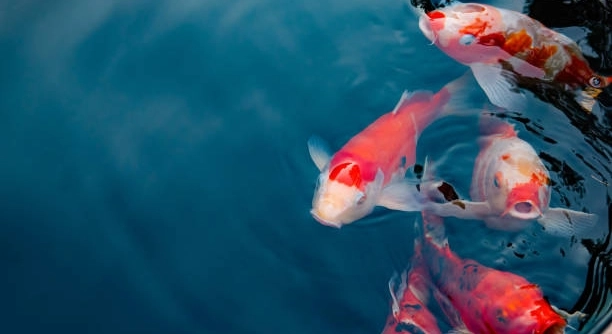
Are your koi swimming nervously or showing signs of restlessness? This behavior can be puzzling for koi owners who want to keep their fish healthy and calm. Understanding the reasons behind this can help maintain a peaceful pond environment.
Restlessness in koi fish is often caused by environmental stressors such as poor water quality, temperature fluctuations, overcrowding, or inadequate diet. Identifying and addressing these factors promptly is essential to ensure the well-being and comfort of your koi.
Knowing the common causes of koi restlessness allows you to take quick action and improve your pond’s conditions for happier, healthier fish.
Poor Water Quality and Its Effects on Koi
Koi need clean, well-oxygenated water to stay healthy and calm. When water quality drops, it can cause them stress, leading to restless swimming and unusual behavior. Common issues include high ammonia, nitrite, or nitrate levels, which come from waste buildup and decaying plants. Low oxygen levels also make koi uncomfortable, making them swim near the surface or gasp for air. Testing water regularly and doing partial water changes helps keep the environment safe. Using a good filtration system can reduce toxins and maintain stable water parameters. Avoid overcrowding, as too many fish produce more waste, making it harder to keep water clean. Keeping an eye on water clarity, smell, and the fish’s behavior can alert you early to problems. When water quality improves, koi usually become calmer and healthier, showing brighter colors and more natural movements.
Regular testing and maintenance are key to preventing water problems and ensuring your koi remain peaceful and active.
Keeping water clean is not just about looks; it directly impacts your koi’s health and behavior. Good filtration, regular water changes, and avoiding overfeeding can prevent toxic buildup. Even simple steps like removing debris and monitoring fish numbers can improve water quality drastically. If your koi are restless, checking these factors is a good first step. Proper water care supports their immune system and reduces disease risk, helping your pond stay a balanced and enjoyable place. Simple, consistent care goes a long way to making your koi feel comfortable and less stressed in their environment.
Temperature Changes and Koi Behavior
Koi are cold-blooded and sensitive to water temperature. Sudden or extreme changes can stress them, causing restless swimming or hiding.
Temperature shifts affect koi metabolism and activity levels. If water gets too cold or too hot, koi may become sluggish or agitated. Ideal temperature ranges from about 59°F to 77°F (15°C to 25°C). Outside this, koi struggle to regulate body functions, which leads to discomfort and restlessness. Rapid weather changes, shallow ponds, or poor shading can cause temperature fluctuations. Maintaining stable temperature with pond heaters in winter or shade in summer helps koi stay calm. Monitoring weather and pond conditions closely allows you to prepare and protect your fish. Understanding how temperature impacts koi behavior lets you create a more stable, healthy environment, reducing stress and restless activity.
Overcrowding in the Pond
Too many koi in one pond cause stress and restlessness. Overcrowding reduces swimming space and increases waste, making water quality worse.
Overcrowding limits koi’s natural movement and increases competition for food and oxygen. This stress can lead to erratic swimming and even aggression between fish. When there isn’t enough room, koi may bump into each other, causing injuries or infections. The extra waste from many fish overwhelms the filtration system, leading to higher toxin levels. It’s important to keep a proper fish-to-water ratio. For example, a general rule is one inch of fish per ten gallons of water. Giving your koi enough space and maintaining pond cleanliness will help them stay calm and healthy.
Adjusting the number of koi and improving filtration reduces stress and restlessness caused by overcrowding. Adequate space allows them to swim freely and interact naturally, which keeps their behavior peaceful.
Inadequate Diet and Its Impact
Feeding koi the wrong foods or overfeeding can upset their digestive system and cause discomfort. Poor diet often leads to restlessness.
Koi require a balanced diet rich in nutrients like protein, vitamins, and minerals to maintain energy and health. Feeding too much or offering low-quality food can result in poor digestion, bloating, or constipation. This discomfort can make koi swim irregularly or stay near the surface searching for food. It’s best to feed koi small amounts several times a day rather than one large meal. Seasonal changes also affect their feeding needs; koi eat less in cooler temperatures. Providing high-quality pellets designed for koi, along with occasional treats like vegetables or worms, supports their well-being. A proper diet helps koi stay calm, energetic, and less prone to health issues.
Stress from Predators
Predators like birds, raccoons, or cats can frighten koi, causing them to dart around restlessly. Even the sight of a shadow can trigger this behavior.
Frequent disturbances from predators increase koi stress levels, affecting their appetite and health. Providing hiding spots and pond covers helps koi feel safer.
Poor Oxygen Levels
Low oxygen in pond water makes koi gulp at the surface or swim anxiously. Oxygen drops due to overcrowding, high temperatures, or poor aeration.
Keeping the pond well-aerated with pumps, waterfalls, or fountains ensures oxygen stays at healthy levels. This reduces stress and restless behavior in your koi.
Disease and Parasites
Restlessness can indicate that koi are suffering from infections or parasites. These health problems cause discomfort and unusual swimming patterns.
Early detection and treatment are important. Quarantining new fish and maintaining good pond hygiene prevent the spread of disease and keep koi active and healthy.
Why is my koi swimming restlessly at the surface?
Koi swimming restlessly at the surface often show signs of low oxygen in the water. When oxygen levels drop, koi swim near the surface to breathe more easily. This can happen in hot weather, overcrowded ponds, or ponds without good aeration. It’s important to check your pond’s oxygen levels using a test kit and improve aeration if needed. Adding a fountain, waterfall, or air pump can help increase oxygen. Also, avoid overfeeding and clean out debris to keep oxygen high. If the koi continue to swim restlessly after improving oxygen, check water quality and temperature as well.
Can poor water quality cause koi to act restless?
Yes, poor water quality is a common cause of koi restlessness. High levels of ammonia, nitrites, and nitrates can irritate their gills and skin. This makes koi swim erratically or try to escape uncomfortable areas. Testing water regularly is crucial. Partial water changes and cleaning filters help remove harmful chemicals. Avoid overcrowding and overfeeding since both increase waste, lowering water quality. Clear, clean water with stable parameters keeps koi calm and healthy. If poor water quality is left unchecked, it may lead to illness or death.
How do temperature changes affect koi behavior?
Koi are sensitive to water temperature changes because they are cold-blooded. Rapid shifts can stress them, causing unusual swimming patterns or restlessness. Ideal water temperatures for koi range from 59°F to 77°F (15°C to 25°C). Water that’s too cold slows their metabolism, making them sluggish. Too warm and their oxygen needs increase, which can lead to frantic swimming if oxygen is low. To reduce temperature stress, provide shade during hot weather and use pond heaters in winter if needed. Monitoring temperature regularly helps keep koi comfortable and active.
What role does overcrowding play in koi restlessness?
Overcrowding increases stress in koi by reducing swimming space and raising waste levels. This stress often leads to restless behavior as fish compete for oxygen and food. Overcrowding also increases the chance of injury from bumping or aggression. Maintaining a proper fish-to-water ratio is important — usually one inch of fish per ten gallons of water. This balance helps keep the pond environment stable. If you notice restlessness, evaluate how many koi you have and consider removing some or increasing pond size. Good filtration is also essential in crowded ponds to manage waste and keep water quality high.
Can diet impact koi’s calmness?
Yes, an improper diet can cause koi to be restless. Overfeeding or giving low-quality food can upset their digestive systems, causing discomfort. This discomfort may lead to erratic swimming or increased activity as they search for more food. Feeding small, balanced meals designed for koi several times a day supports digestion and overall health. Seasonal changes affect appetite, so adjust feeding during colder months. Avoid feeding food that sinks immediately or pollutes the water. A healthy diet reduces stress, keeps koi calm, and helps prevent diseases linked to poor nutrition.
How do predators affect koi behavior?
Predators like herons, raccoons, or cats cause koi to feel threatened. The presence or even shadows of predators can make koi swim nervously or hide. This constant stress affects their eating habits and general health. Providing hiding places, such as plants, rocks, or underwater shelters, helps koi feel secure. Installing netting or motion-activated deterrents can protect the pond from predators. Reducing stress from predators will help koi swim more calmly and maintain better health.
What signs of disease might cause koi restlessness?
Diseases and parasites can cause koi to act restless due to discomfort or irritation. Symptoms include scratching against surfaces, flashing (quick darting), or swimming erratically. Infections like ich or fungal diseases can irritate the skin and gills. Early treatment is key to prevent worsening. Quarantine new fish before adding them to the pond, and maintain clean water to reduce infection risk. If restlessness is accompanied by visible spots, ulcers, or changes in appetite, consult a vet or koi specialist for diagnosis and treatment.
How can I reduce koi restlessness effectively?
Start by checking water quality, oxygen levels, and temperature. Fix any imbalances quickly. Ensure proper feeding with balanced food and avoid overfeeding. Maintain the right fish population to prevent overcrowding. Add plants or structures for hiding spots, and protect against predators. Regular pond cleaning and filtration keep the environment stable. If illness is suspected, act fast with quarantine and treatment. Consistent care and observation will greatly reduce koi restlessness and promote a peaceful pond.
Restlessness in koi fish can be caused by many different factors. It is important to remember that koi are sensitive creatures that rely on their environment to be stable and comfortable. Changes in water quality, temperature, overcrowding, diet, and the presence of predators all affect how koi behave. When koi swim nervously or show unusual movements, it is often a sign that something in their environment needs attention. By paying close attention to these factors, koi owners can help their fish feel more at ease and maintain better health.
Maintaining good water quality is one of the most critical steps in keeping koi calm. Regular testing of water parameters like ammonia, nitrites, and nitrates helps catch problems early before they become serious. Partial water changes and proper filtration keep the pond clean and balanced. It is also important to manage the number of fish in the pond to avoid overcrowding, which can quickly lower water quality and cause stress. Temperature control and adequate aeration play a major role in keeping koi comfortable throughout the year. Making small adjustments to pond care can make a big difference in how peaceful the koi appear.
Finally, paying attention to the koi’s diet and protecting them from predators supports their overall well-being. Feeding the right type and amount of food keeps koi healthy and prevents digestive issues that might cause restlessness. Adding hiding spots and taking steps to deter predators will help koi feel safer in their environment. Watching koi regularly for any signs of illness or unusual behavior allows for quick action when needed. With consistent care and observation, koi owners can create a calm, balanced pond where their fish thrive and enjoy a good quality of life.

Hello,
If you enjoy the content that we create, please consider saying a "Thank You!" by leaving a tip.
Every little bit helps us continue crafting quality advice that supports the health, happiness, and well-being of pets around the world, for pets of all shapes, sizes, and species.
We really appreciate the kindness and support that you show us!