
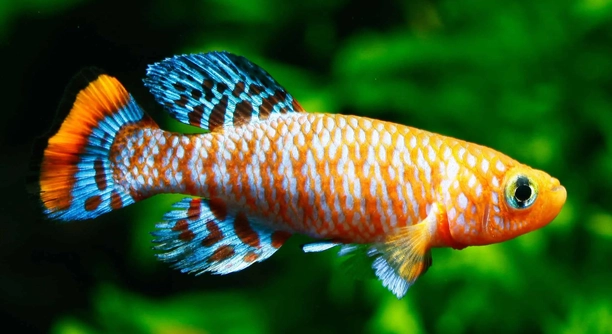
Is your killi fish tank cloudy even though you’ve been careful with water changes and feeding? It can be frustrating to see.
The most common reasons your killi fish tank is cloudy include bacterial blooms, overfeeding, poor filtration, disturbed substrate, and decaying organic matter. These issues often lead to imbalanced water conditions, affecting both visibility and your fish’s overall health.
Understanding what causes these cloudy conditions can help you maintain a clean, healthy tank and create a better environment for your killi fish.
1. Bacterial Bloom from New Tank Setup
When setting up a new killi fish tank, it’s common to see cloudy water during the first few days. This cloudiness usually comes from a bacterial bloom, which happens as the tank begins to cycle. Beneficial bacteria are still forming and multiplying to break down waste, so the water may appear milky. This is a normal part of the process and should clear up once the bacteria settle and the cycle stabilizes. Avoid adding too many fish at once, and give the tank time to mature before overloading it. Regular testing and patience will help.
Cloudy water in new tanks is usually temporary and resolves once the biological balance improves. Let nature take its course before adjusting things too quickly.
Give your tank at least a week or two to settle before making major changes. Keep feeding minimal during this period and avoid over-cleaning. Stability will help good bacteria thrive and keep your water clear.
2. Overfeeding and Leftover Food
Excess food often leads to water cloudiness in killi tanks. Uneaten bits sink, break down, and release waste into the water. This encourages bacterial growth and disrupts the tank’s clarity.
Feed only what your killi fish can eat within two to three minutes, once or twice a day. Remove any leftovers immediately to reduce excess waste. Floating pellets or flakes that go uneaten quickly break down and pollute the water. Overfeeding not only clouds the tank but can also impact your fish’s health. It’s better to underfeed slightly than to add too much. Use a feeding schedule, and watch your fish to see how much they actually consume. If you notice food sitting at the bottom after meals, you’re likely feeding too much. Smaller, consistent portions will help maintain water clarity and keep your killi fish active and healthy. A clean tank always starts with proper feeding habits.
3. Poor Filtration System
A weak or dirty filter can lead to cloudy water fast. Without proper flow and filtration, waste, debris, and uneaten food build up in the tank, affecting clarity and harming your killi fish’s health.
Check that your filter is rated for your tank size and type. If it’s too small or old, it won’t clean the water effectively. Rinse filter media in old tank water during water changes to keep beneficial bacteria intact. Avoid replacing all the media at once. Also, clean the intake tube and impeller regularly. If you notice reduced flow, it may be time to clean or upgrade. A reliable filter maintains circulation and supports the biological balance your tank needs. Good filtration not only keeps the water clear but also reduces the workload for you in the long run. Don’t overlook this essential part of your setup.
Cloudy water often signals that your filter needs attention. Even if it’s running, it might not be doing enough. Watch for signs like reduced flow, gunk buildup, or darkened filter pads. If your killi fish seem sluggish or the water smells bad, poor filtration could be the reason. Staying consistent with filter maintenance helps keep everything running smoothly.
4. Disturbed Substrate
Disturbing the substrate during cleaning or rearranging decorations can send fine particles into the water. These particles can stay suspended and make the tank look hazy, especially if the substrate is very light or silty.
When vacuuming gravel or adjusting plants, try to move slowly and gently. Fast motions kick up more debris and cloud the water. If your tank has sand or fine gravel, this becomes even more noticeable. Use a siphon with a smaller nozzle to control flow and avoid stirring things up too much. Let the filter run for a few hours afterward to help trap the particles. In some cases, placing filter floss inside the filter can help clear the water faster. Substrate dust is harmless but can be frustrating when you’re trying to maintain a clear tank. Careful movement and the right tools make a big difference in keeping your killi tank clean.
5. Decaying Plants and Organic Waste
Dead plant matter breaks down quickly and releases particles into the water. This can cloud the tank and affect water quality. Trim dying leaves regularly and remove any floating bits before they settle on the substrate.
Uneaten food, fish waste, and other debris can build up in corners and under decorations. These release ammonia and feed bacteria, causing cloudiness. Light vacuuming during water changes helps remove buildup and keep the tank clear.
6. Overcrowded Tank
Too many killi fish in one tank creates excess waste, overwhelming the filter and causing cloudy water. Each fish adds to the bioload, so space matters. A crowded tank also increases stress and lowers oxygen levels, which affects both water clarity and fish health. Reduce stocking if needed.
7. Infrequent Water Changes
Skipping water changes leads to waste buildup and cloudy conditions. Changing 20–30% of the water weekly helps remove dissolved waste and refresh the tank. Use a gravel vacuum to clean the substrate gently and keep debris under control. Regular care keeps the tank healthy and visibly cleaner.
FAQ
Why does my killi fish tank stay cloudy even after a water change?
Cloudiness that returns after a water change is often due to an imbalance in the tank. If the biological filter isn’t fully established or if there’s too much organic waste, the water can turn cloudy again quickly. Cleaning the filter too thoroughly, overfeeding, or stirring up the substrate during cleaning can also contribute. When beneficial bacteria are disrupted, the tank struggles to process waste properly. Keep up with partial water changes, avoid over-cleaning, and let the bacteria regrow to stabilize the system. Patience and consistency are key to preventing repeated cloudiness.
Is cloudy water harmful to killi fish?
Mild cloudiness caused by a bacterial bloom usually isn’t dangerous and can resolve on its own. However, persistent or murky water could signal deeper issues like high ammonia, nitrite, or decaying matter. These conditions can stress your killi fish, weaken their immune system, and even lead to illness. Monitor water parameters regularly and address any imbalances quickly. If your fish seem lethargic or aren’t eating, check the water quality first. Cloudy water is often a symptom rather than the problem itself, and resolving it helps protect your fish’s long-term health.
How long does a bacterial bloom last in a new tank?
In a newly cycled killi tank, a bacterial bloom typically lasts anywhere from a few days to two weeks. During this time, the beneficial bacteria are establishing themselves, and the cloudiness is part of the natural process. It’s best not to change water too often during this phase, as that can slow the cycle down. Avoid adding new fish or overfeeding. Let the tank settle naturally, and the bloom should clear as the nitrogen cycle becomes stable. If cloudiness continues past two weeks, it may be worth testing water quality and checking the filtration.
Can adding live plants help reduce cloudy water?
Yes, live plants can help keep the tank clear. They absorb nutrients like nitrates and compete with algae and bacteria that cloud the water. Healthy plant growth helps maintain a more stable environment, especially in planted tanks with moderate fish loads. Choose hardy, low-maintenance plants like java fern or anubias for your killi tank. These plants improve water quality and provide shelter for your fish. Just remember to trim dead leaves regularly and avoid overplanting if your tank is small. Plants support the overall balance and reduce the chances of water becoming cloudy.
Should I use chemical water clarifiers to fix cloudiness?
Chemical water clarifiers may offer temporary results by binding small particles together so the filter can trap them, but they don’t address the cause. Overuse can stress fish and may even affect the tank’s natural cycle. If you’re constantly relying on clarifiers, it’s better to check your feeding, filtration, and maintenance routine. Focus on long-term solutions like improving filter performance, adjusting your feeding schedule, and vacuuming debris during water changes. Clarifiers might help in emergencies, but they should never be your primary solution for maintaining clear water.
How do I know if my filter is working properly?
Signs that your filter is working include steady water flow, clean water output, and no buildup of debris on the surface or corners. If the filter is too weak, you might notice still water, reduced clarity, or a musty smell. A working filter should also produce gentle surface agitation, helping with oxygen exchange. If flow seems low, rinse the media in old tank water and check the intake for blockages. Filters should be cleaned regularly but not entirely replaced, so beneficial bacteria remain intact. A strong, steady filter helps prevent many common water problems.
Final Thoughts
Cloudy water in a killi fish tank is common and usually has a simple explanation. Most cases are linked to things like overfeeding, poor filtration, or the natural cycling process in a new tank. While it can be frustrating to see murky water, it’s often not something to panic about. With regular care and small adjustments, you can bring the tank back to a clear and balanced state. It helps to observe your tank daily and take note of any changes in water color, fish behavior, or smell. These small details can tell you a lot about what’s going on inside the tank.
Fixing cloudy water means looking at more than just the surface. It’s about building a stable environment for your fish. That includes consistent water changes, a properly sized filter, a light feeding schedule, and avoiding overcrowding. Make sure to clean debris without disrupting the good bacteria your tank depends on. If you use live plants, keep them trimmed and healthy. And if you ever need to adjust your routine, do it slowly. Sudden changes can make the situation worse. Cloudiness is often a sign that the tank needs a bit more balance, not a complete reset.
Caring for killi fish doesn’t have to be complicated. Once you understand how things like waste, food, and bacteria work together in a tank, it gets easier to keep everything clean and stable. The goal isn’t just clear water—it’s healthy water. That’s what keeps your fish active, colorful, and stress-free. Pay attention to your tank’s daily rhythm and take care of small problems early. With a calm and steady routine, you’ll have a tank that stays clear, looks beautiful, and gives your killi fish the space they need to thrive.

Hello,
If you enjoy the content that we create, please consider saying a "Thank You!" by leaving a tip.
Every little bit helps us continue crafting quality advice that supports the health, happiness, and well-being of pets around the world, for pets of all shapes, sizes, and species.
We really appreciate the kindness and support that you show us!