
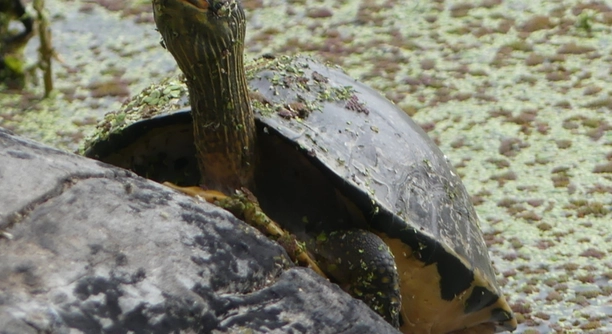
Your Indian Roofed Tortoise may be showing slow growth, and it’s important to understand why this is happening. Several factors could be contributing to its lack of proper growth, and it’s essential to address them early on.
Several reasons can prevent your Indian Roofed Tortoise from growing properly, including improper diet, inadequate lighting, insufficient space, stress, or health issues. Ensuring proper care by addressing these factors will help promote healthy growth and overall well-being.
By identifying the root causes, you can make changes that will ensure your tortoise grows at a healthy rate. Let’s explore the most common reasons and how to fix them.
Improper Diet and Nutrition
If your Indian Roofed Tortoise isn’t growing well, it could be due to an imbalanced diet. These tortoises need a variety of leafy greens, vegetables, and some fruit to grow at a healthy rate. It’s important to feed them foods rich in calcium and fiber, as well as those that mimic their natural diet. Overfeeding or feeding only one type of food can cause nutritional deficiencies, leading to stunted growth. A lack of calcium can also cause shell deformities, while too much protein can cause kidney problems.
To promote healthy growth, it’s best to include a variety of vegetables such as dandelion greens, collard greens, and mustard greens. Avoid feeding them too much fruit as it can lead to digestive problems and weight gain. Additionally, a calcium supplement might be needed to ensure strong bone development, especially for younger tortoises.
Monitoring their food intake is key. Keeping a balanced and varied diet will improve your tortoise’s growth, leading to a healthier, happier pet. Stick to the essentials, and avoid overfeeding or underfeeding.
Inadequate Lighting and Heat
If your tortoise’s habitat lacks proper lighting and heat, growth can be severely affected. Tortoises need UVB light to help their bodies process calcium, which is essential for shell and bone growth. Without it, they can become weak and develop deformities. Along with UVB, a basking light is necessary to create a temperature gradient in their environment, giving your tortoise a place to warm up.
Without the right lighting, your tortoise may not be able to properly absorb the nutrients it needs. If it is not getting enough heat or UVB light, its digestion and overall health will suffer, leading to slow or stunted growth. A proper light setup should include a UVB bulb that is replaced every six months, and a basking lamp to maintain a warm area. Ensure the temperature in the habitat ranges from 80-85°F in the warm side and 70-75°F on the cooler side.
Having the correct lighting and heat in your tortoise’s habitat is a fundamental step in helping it thrive. It’s not just about comfort but also essential for their overall development.
Stress and Overhandling
Stress can stunt growth in Indian Roofed Tortoises. Frequent handling or changes in their environment can cause anxiety, affecting their appetite and health. A stressed tortoise might hide more often or show little interest in food.
To reduce stress, create a stable habitat with minimal disruption. Tortoises prefer calm environments, so try not to handle them excessively. Too much interaction can cause them to feel unsafe, impacting their growth. When moving your tortoise, make sure it’s done gently and not too often, as this can lead to long-term stress.
Having a quiet, consistent environment helps your tortoise feel secure. This allows it to eat properly, sleep well, and grow at a healthy rate. Even subtle changes, like new pets or noisy environments, can be stressful. Keeping their world peaceful is vital for healthy growth.
Insufficient Space for Movement
If your tortoise is confined to a small enclosure, it may not grow properly. A cramped space limits its ability to exercise and explore, both of which are essential for its overall health and development. Tortoises need room to roam to stimulate their muscles and maintain a healthy weight.
Providing your tortoise with a larger enclosure gives it the freedom to walk, climb, and dig. A proper habitat will help them maintain a natural behavior pattern, which is key to their well-being. Ensure that the enclosure has enough space to include areas for basking, hiding, and grazing.
The ideal size for an adult Indian Roofed Tortoise is around 4×8 feet. If the space is too small, it will hinder their growth and could lead to health issues like obesity. Make sure to include various textures, like rocks and logs, to encourage exercise and mental stimulation. Proper space is not just for comfort but also for ensuring they thrive.
Illness or Health Problems
Health issues can slow down the growth of your tortoise. If it’s not growing as expected, there could be an underlying infection or illness affecting its appetite or energy levels. Common issues include respiratory infections, parasites, or metabolic bone disease.
A sick tortoise may show signs like lethargy, loss of appetite, or abnormal behavior. It’s crucial to visit a reptile vet to identify and treat any health problems. Left untreated, illnesses can severely affect your tortoise’s development, causing long-term damage. Regular vet check-ups and proper care can prevent many of these issues.
A vet can run tests to check for parasites or infections, providing the necessary treatment. They may also advise on supplements or dietary changes to support the tortoise’s recovery. Early detection and prompt care are essential to avoid growth issues caused by illness.
Inadequate Humidity Levels
Humidity is crucial for the health and growth of Indian Roofed Tortoises. If the humidity level in the enclosure is too low, it can lead to dehydration, skin shedding issues, and breathing difficulties. Proper humidity is vital for digestion and overall health.
To maintain the right humidity, use a hygrometer to monitor the enclosure. Ideal humidity for this species is between 50-70%. You can increase humidity by misting the enclosure regularly or using a humidifier. This helps keep their skin and respiratory system healthy, which is essential for growth.
Keeping humidity levels in check ensures your tortoise stays hydrated and can properly absorb nutrients from its food. This simple adjustment can prevent health issues and support proper growth. Regularly check the humidity and make sure it stays within the desired range for optimal health.
FAQ
What is the ideal temperature for an Indian Roofed Tortoise?
Indian Roofed Tortoises thrive in a temperature range between 80°F and 85°F on the warm side of the enclosure. On the cooler side, the temperature should be between 70°F and 75°F. These tortoises also need a basking spot where temperatures can reach around 90°F to 95°F. Providing a gradient of temperatures in the habitat allows your tortoise to regulate its body temperature as needed. It’s essential to have both heat and a cooler zone so they can move freely to adjust based on their needs.
How often should I feed my Indian Roofed Tortoise?
Feed your Indian Roofed Tortoise every other day, with the occasional break in between to mimic their natural feeding habits. A varied diet is essential, and you can include leafy greens, grasses, flowers, and some fruits in moderation. The amount should be enough for your tortoise to eat within 15-20 minutes, ensuring they are not overeating. Fresh water should be available at all times to keep them hydrated. Overfeeding can lead to obesity, which can slow growth.
How much UVB light does my tortoise need?
UVB light is crucial for your tortoise’s health. A UVB bulb should be used for 10 to 12 hours a day to ensure they get the necessary vitamin D3 for calcium absorption. The light should be placed close enough to the basking area, but not so close that it can burn the tortoise. Replace UVB bulbs every six months, even if they still appear to work. Over time, the UVB output diminishes, which can lead to deficiency and poor health.
Can I keep multiple tortoises together?
While Indian Roofed Tortoises can live with others, it’s not always advisable to keep multiple males in the same enclosure as they may become territorial and fight. If you plan on housing more than one, make sure the space is large enough to accommodate them, with multiple hiding spots and basking areas to reduce potential stress. Female tortoises can generally live together more peacefully, but you should still monitor their behavior. If there are signs of aggression or stress, separate them immediately.
How do I know if my tortoise is healthy?
A healthy Indian Roofed Tortoise should have clear, bright eyes and an active demeanor. It should be eating regularly and drinking water. Its shell should be firm and smooth, without cracks or soft spots. Check its skin for any signs of shedding or injury. If your tortoise is lethargic, losing appetite, or showing abnormal behavior, it may be a sign of illness. Regular visits to a reptile vet can help ensure its health is on track.
What are the signs of dehydration in a tortoise?
Signs of dehydration include sunken eyes, a dry or wrinkled appearance, and infrequent urination. A dehydrated tortoise may also appear lethargic and might refuse food. Ensure that your tortoise has access to clean water at all times. You can also soak your tortoise in shallow, lukewarm water for 20 to 30 minutes to help with hydration. Be sure not to overdo it, as soaking for too long can cause stress.
How can I make my tortoise’s shell healthier?
To ensure a healthy shell, provide your tortoise with a proper diet rich in calcium and vitamin D3. UVB light is also vital for proper calcium absorption, helping to prevent shell deformities. Avoid a high-protein diet as it can cause shell pyramiding, a condition where the shell grows unevenly. Regular checkups with a vet can help spot potential issues early and prevent permanent damage.
How long can my tortoise live?
Indian Roofed Tortoises can live for many years, often reaching 50 years or more with proper care. The key to a long, healthy life is a balanced diet, consistent habitat conditions, and regular veterinary check-ups. By providing a stable, enriching environment and meeting their basic needs, your tortoise can live a long and fulfilling life.
Can I give my tortoise fruit?
Fruits can be given to Indian Roofed Tortoises but should be offered in moderation. Too much fruit can upset their digestive system and lead to obesity. Choose fruits that are high in water content, like melon, and only offer them as an occasional treat. The primary diet should consist of dark leafy greens and other vegetables. Make sure to remove any uneaten fruit after a few hours to prevent it from spoiling.
Do Indian Roofed Tortoises need a lot of water?
Yes, water is essential for an Indian Roofed Tortoise’s health. While they don’t swim like aquatic turtles, they do need to soak regularly to stay hydrated. Providing a shallow dish of water for drinking and soaking is important. Soaking your tortoise every few days for 20-30 minutes in lukewarm water helps keep them hydrated and aids in digestion. Always ensure fresh water is available in the enclosure at all times.
What should I do if my tortoise is not eating?
If your Indian Roofed Tortoise is not eating, it could be due to several factors. Stress, improper temperature or lighting, and health issues can all cause a loss of appetite. Check if the environment is suitable, particularly the temperature and humidity levels. If the issue persists for more than a couple of days, consult a vet to rule out any underlying health problems. It’s essential to address the issue promptly to avoid further health complications.
Final Thoughts
Taking care of your Indian Roofed Tortoise requires attention to detail in several areas, such as diet, habitat, lighting, and overall health. The key to promoting proper growth is understanding and addressing the specific needs of your tortoise. By creating a balanced environment, offering a proper diet, and monitoring their well-being, you can help your tortoise grow at a healthy rate. If any of the common issues, like poor lighting or incorrect temperature, are affecting their growth, it’s important to make changes as soon as possible. The sooner you address these concerns, the better your tortoise will be able to thrive.
Remember, Indian Roofed Tortoises are long-lived animals, and their well-being should be prioritized for their entire lifespan. Even though slow growth may seem minor at first, it can lead to bigger health problems down the line if not addressed early. Paying attention to their daily needs—like proper UVB exposure, hydration, and a varied diet—can make all the difference in ensuring your tortoise grows and develops properly. This will not only keep them healthy but also reduce the risk of future issues related to nutrition, stress, or improper habitat conditions.
In addition to all of these physical factors, it’s essential to remain patient with your tortoise. Growth takes time, and some tortoises may naturally grow slower than others. However, if your tortoise is showing signs of stunted growth or health issues, it’s best to consult a reptile vet for guidance. With the right care, your Indian Roofed Tortoise can thrive, and you’ll be able to enjoy a long, healthy relationship with your pet. By staying proactive and committed to their needs, you ensure they lead a fulfilling life.

Hello,
If you enjoy the content that we create, please consider saying a "Thank You!" by leaving a tip.
Every little bit helps us continue crafting quality advice that supports the health, happiness, and well-being of pets around the world, for pets of all shapes, sizes, and species.
We really appreciate the kindness and support that you show us!