
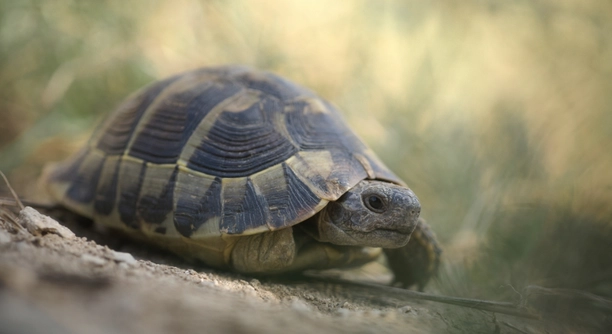
Hermann’s tortoises are known for their calm nature, but when they’re seen sleeping in their food bowl, it can raise concerns for their health and comfort. Understanding why this behavior happens is key to ensuring their well-being.
There are several reasons why a Hermann’s tortoise might sleep in its food bowl, including feeling insecure, being overly tired, or experiencing environmental stress. This behavior may also indicate digestive discomfort, improper habitat conditions, or an underlying health issue.
This behavior is often a sign that something may need adjusting in their habitat or diet. Addressing the issue will help maintain your tortoise’s health and comfort, ensuring it thrives in its environment.
Stress or Anxiety from Its Environment
A tortoise’s behavior can change significantly when it feels stressed or anxious in its environment. If your Hermann’s tortoise is not feeling secure, it may retreat to its food bowl as a safe spot. Tortoises are naturally shy creatures, and any disruptions in their environment can trigger stress. Changes in their habitat, like loud noises, new pets, or too much handling, can cause them to react by seeking comfort in familiar spaces. Sleeping in the food bowl, especially if it’s a place they associate with food, might be their way of coping.
A stressful environment can also lead to changes in your tortoise’s eating habits, such as not eating at all or overfeeding. If your pet is stressed, it’s important to adjust its environment to make it feel more comfortable.
To prevent further stress, try creating a quiet and calm space for your tortoise. Place it in a comfortable, low-traffic area of the house, and limit disruptions. Adding hiding spots like logs or plants can also help create a safe and secure area for them to rest.
Uncomfortable Temperature Conditions
Temperature plays a crucial role in a tortoise’s health and behavior. If the temperature in their enclosure is too low or too high, it can make them feel uncomfortable, leading them to spend excessive time in their food bowl. A warm food bowl might provide a temporary relief, encouraging them to sleep there. Tortoises are cold-blooded animals, and they rely on external heat sources to regulate their body temperature.
Maintaining a consistent temperature in their habitat is essential. Ensure there’s a basking area with appropriate heat (around 85-90°F) and a cooler area where they can retreat when needed. A thermometer placed in the enclosure will help you monitor the temperature to avoid extremes.
Tortoises that are exposed to improper temperatures for extended periods may become lethargic or stressed, which can lead to unusual behaviors like sleeping in their food bowl. If temperature regulation is neglected, it can cause long-term health problems. Keep an eye on the temperature and make necessary adjustments to create a more comfortable environment for your tortoise.
Digestive Issues or Illness
If your Hermann’s tortoise is experiencing digestive discomfort, it might seek the food bowl to rest, even after eating. Constipation or bloating can make them feel sluggish and uncomfortable, leading to abnormal behavior. In some cases, illness can also cause a lack of energy, making the tortoise seek warmth and comfort in familiar spots like their food bowl.
It’s important to monitor your tortoise’s eating habits and waste. A lack of defecation or irregular droppings might indicate constipation. Additionally, you may notice a decrease in appetite or changes in its feces, which could point to illness.
If you notice any of these symptoms, it’s essential to adjust its diet. Incorporating more fiber or providing access to water can help improve digestion. If the behavior persists or worsens, consulting a veterinarian is advisable to rule out any serious health issues.
Improper Lighting or UVB Exposure
Inadequate lighting, particularly a lack of UVB exposure, can negatively impact your tortoise’s health. UVB light is crucial for vitamin D3 production, which helps them absorb calcium and maintain bone health. Without proper lighting, tortoises can become lethargic or develop metabolic bone disease, leading them to seek warmth in unusual places like the food bowl.
To provide proper UVB lighting, use a bulb designed for reptiles. Ensure that the light is placed close enough to your tortoise to be effective but not so close that it causes overheating. UVB bulbs should be replaced regularly, as their effectiveness diminishes over time.
In addition to UVB lighting, the tortoise should also have access to natural sunlight when possible. Even short exposure to direct sunlight can support their overall health. Combining natural and artificial lighting in the proper amounts will help your tortoise maintain healthy activity levels and avoid discomfort.
Overfeeding or Improper Diet
Overfeeding can cause a tortoise to feel overly full, making it uncomfortable and tired. If your Hermann’s tortoise is regularly overfed, it may rest in its food bowl to help digest or simply from a sense of sluggishness. An improper diet can also lead to digestive issues, further encouraging this behavior.
A balanced diet is essential for maintaining proper health and energy levels in your tortoise. Provide a variety of leafy greens, vegetables, and occasional fruits. Avoid offering too much high-calcium or fatty food, as it can cause obesity and lethargy.
Insufficient Space or Poor Habitat Setup
If your tortoise feels cramped or lacks enough space, it might seek refuge in the food bowl as a place to rest. A proper habitat with room to roam is crucial for your pet’s physical and mental well-being. Tortoises need space to exercise, explore, and feel secure in their environment.
Without enough room, your Hermann’s tortoise may become stressed, leading to abnormal behaviors like sleeping in the food bowl. Ensure your tortoise’s enclosure is large enough to accommodate its size and needs. Adding hiding places and climbing areas can also make the space more suitable.
Inconsistent or Poor Water Access
Proper hydration is essential for a Hermann’s tortoise. If there is inconsistent access to water or a lack of fresh water, it can cause discomfort. Tortoises may seek the food bowl for moisture, or simply out of desperation for something familiar.
FAQ
Why is my Hermann’s tortoise sleeping in its food bowl?
If your Hermann’s tortoise is sleeping in its food bowl, it may be due to a few different factors, such as stress, temperature issues, or digestive discomfort. It could also be a sign of insecurity, where the tortoise feels safer in the food bowl than elsewhere in its habitat. Other possibilities include overfeeding or an improper diet, which can leave the tortoise feeling sluggish or lethargic. In rare cases, it could indicate an underlying health issue like constipation or an illness.
How do I know if my tortoise is stressed?
Signs of stress in a tortoise include a lack of appetite, lethargy, or hiding more often. If your tortoise is spending more time in its food bowl or exhibiting behaviors like pacing or erratic movements, it may be stressed. Environmental factors like loud noises, new pets, or temperature fluctuations can cause stress. Pay attention to any changes in behavior, and try to identify the possible causes.
What should I do if my tortoise is sleeping too much?
If your tortoise is sleeping more than usual, it could be a sign of discomfort, illness, or environmental issues. Check the temperature in the enclosure to ensure it’s within the recommended range (85-90°F for the basking area). If the environment is too cold or too hot, the tortoise may become lethargic. Additionally, check the diet for balance, as an improper diet can lead to a decrease in energy levels. If the behavior persists, consider a visit to the vet to rule out health issues.
Is my tortoise sick if it’s sleeping in the food bowl?
Not necessarily. While sleeping in the food bowl can be a sign of illness or discomfort, it’s often due to environmental factors like stress or poor habitat conditions. If the tortoise is eating regularly, moving around normally, and showing no signs of other health issues, it may simply be resting. However, if you notice a lack of appetite, abnormal droppings, or changes in behavior, it’s a good idea to consult a veterinarian for a checkup.
How can I make my tortoise feel more secure in its habitat?
To make your tortoise feel more secure, ensure it has plenty of hiding spots in its enclosure. Tortoises are naturally shy creatures and feel safer when they have a place to retreat to. You can add items like logs, rocks, or plants to create a more comfortable environment. Also, avoid placing the enclosure in high-traffic areas where the tortoise might feel constantly disturbed. Consistent lighting, temperature, and humidity are also key to providing a secure environment for your tortoise.
What’s the best diet for my Hermann’s tortoise?
A balanced diet is essential for your Hermann’s tortoise’s health. Offer a variety of leafy greens like dandelion greens, collard greens, and kale, along with vegetables such as squash and bell peppers. Occasionally, you can provide fruits like strawberries or apples as a treat. Avoid feeding your tortoise too much high-calcium food or fatty foods, as this can cause obesity and digestive issues. It’s also important to provide fresh water daily to keep your tortoise hydrated.
How do I know if my tortoise is dehydrated?
Signs of dehydration in a tortoise can include dry or wrinkled skin, lack of urination, and a noticeable decrease in activity. Dehydrated tortoises may also become lethargic and may seek out water or food bowls more frequently. To prevent dehydration, make sure your tortoise always has access to fresh water. You can also offer a shallow water dish in which your tortoise can soak to help with hydration.
What temperature should my tortoise’s enclosure be?
The temperature in your Hermann’s tortoise’s enclosure is important for its health and comfort. The basking area should be kept at around 85-90°F, while the cooler side of the enclosure should be between 70-75°F. Tortoises need a gradient of temperatures to regulate their body heat properly. You should also ensure that the enclosure has adequate lighting, including UVB light, which helps them metabolize calcium.
Can I feed my tortoise a variety of foods?
Yes, variety is important in a tortoise’s diet. Offering a range of leafy greens and vegetables helps ensure that your Hermann’s tortoise gets a balanced mix of nutrients. Some safe food options include dandelion greens, collard greens, and turnip greens. It’s best to avoid feeding your tortoise foods that are too high in oxalates (like spinach) or foods that can cause digestive problems, such as lettuce with a high water content.
How often should I feed my Hermann’s tortoise?
Hermann’s tortoises are typically fed every other day. However, this can vary depending on their age and size. Younger tortoises may need more frequent feedings, while older tortoises may require less. Always ensure that the food you provide is fresh and appropriate for their species. Pay attention to your tortoise’s appetite and adjust the feeding schedule accordingly.
Why is my tortoise not eating?
A lack of appetite in a tortoise can be caused by several factors, such as stress, temperature issues, or an improper diet. If the enclosure is too cold or too hot, it may reduce the tortoise’s interest in food. Illnesses like respiratory infections or digestive problems can also cause loss of appetite. If your tortoise is consistently refusing to eat, it’s important to address the habitat conditions and, if necessary, take it to a veterinarian for an examination.
Can my tortoise get too much sunlight?
Yes, tortoises can get too much direct sunlight, which can lead to overheating and dehydration. While it’s important for them to have access to UVB light for calcium absorption, prolonged exposure to intense sunlight without a way to cool down can be harmful. Ensure your tortoise has a shaded area to retreat to if it becomes too warm, and avoid keeping it outside for extended periods in extreme temperatures.
Final Thoughts
When it comes to your Hermann’s tortoise, understanding its behavior and environment is key to ensuring its well-being. Sleeping in the food bowl may seem unusual at first, but it is often a sign that your tortoise is feeling insecure or uncomfortable in its habitat. By paying attention to the temperature, diet, and overall care, you can address the root cause of this behavior and make your tortoise feel more secure. It’s important to observe any changes in its routine or health, as these can indicate if something is wrong.
A comfortable and safe environment is crucial for a tortoise’s health. If your tortoise seems stressed, consider factors like its habitat setup, the amount of hiding spaces, and whether there is any source of disturbance nearby. Tortoises are naturally shy animals that thrive in environments where they can feel secure. Offering a balance of heat, light, and space will help create a setting that reduces stress and keeps your tortoise happy and healthy. Additionally, always ensure that their diet is properly balanced and appropriate for their species to support their overall health.
Remember, if your tortoise’s behavior persists despite making changes to its environment, it may be time to consult with a veterinarian. Health issues, such as digestive problems or respiratory infections, can cause lethargy and sleeping in unusual places. A vet’s expertise will help you rule out any potential medical concerns and provide advice on improving your tortoise’s care. With the right care and attention, your Hermann’s tortoise will thrive and be a happy, active companion.

Hello,
If you enjoy the content that we create, please consider saying a "Thank You!" by leaving a tip.
Every little bit helps us continue crafting quality advice that supports the health, happiness, and well-being of pets around the world, for pets of all shapes, sizes, and species.
We really appreciate the kindness and support that you show us!