
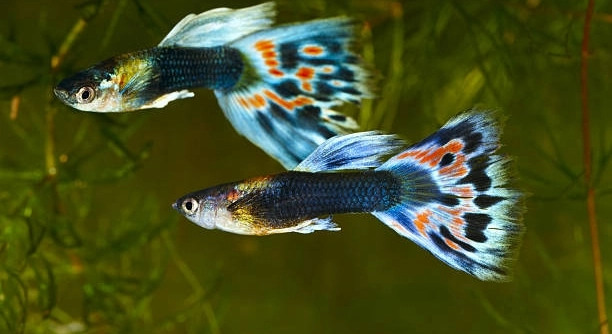
Is your guppy losing weight and you’re unsure why? Guppies are small, active fish, and noticing any changes in their health can be concerning. It’s important to identify what might be causing this to keep them healthy.
Several factors can contribute to your guppy losing weight. Poor diet, stress, water quality, and potential illnesses are the most common causes. Identifying and addressing these issues can help restore your guppy’s health and prevent further weight loss.
Understanding what causes your guppy to lose weight will help you address the problem early. Keep reading to learn about common reasons and how you can improve your guppy’s well-being.
Poor Diet
A poor diet is one of the most common reasons for your guppy losing weight. Guppies need a balanced diet to stay healthy and active. If you’re only feeding them flake food, it might not be providing all the necessary nutrients. They require a mix of high-quality flakes, pellets, and occasional live or frozen food like brine shrimp. Without this variety, your guppy may not be getting enough protein or vitamins, which can lead to weight loss.
If you’re unsure whether your guppy is eating enough, try offering different types of food. Observe how much they eat and if they seem disinterested in their meals. A lack of appetite or preference for one type of food over another might signal an issue with their diet.
By adding more variety to your guppy’s meals and ensuring you’re feeding them properly, you can help restore their health. Pay attention to their eating habits, and make sure they have a balanced mix to support their growth and energy levels.
Stress
Stress can cause weight loss in guppies as it weakens their immune system. Several factors can lead to stress, such as sudden changes in water temperature, poor water quality, or aggression from tank mates. When guppies are stressed, they often stop eating, which leads to weight loss over time.
Make sure your guppy’s environment is peaceful and consistent. Keep the water temperature steady, monitor the pH and ammonia levels, and avoid overcrowding in the tank. Additionally, make sure your guppy has enough hiding places to escape potential aggression from other fish. Reducing stress will help your guppy feel safe and improve their appetite, leading to healthier weight levels.
With a stress-free environment, your guppy can thrive and stay active. A calm, well-maintained tank promotes a healthy eating routine and overall well-being for your guppy.
Poor Water Quality
Dirty water is a major factor in your guppy’s weight loss. If the tank is not regularly cleaned, harmful substances like ammonia and nitrates build up. These toxins stress your guppy, reducing its appetite and energy levels. Clean water is crucial for their health and growth.
Test the water regularly to ensure levels are safe. Ammonia should be at 0 ppm, nitrites should also be at 0 ppm, and nitrates should be under 20 ppm. Perform water changes every week, and make sure the filter is working properly. A healthy environment encourages good eating habits and a stronger immune system.
Investing time in proper water care will help your guppy maintain a healthy weight. Regular maintenance reduces stress and promotes a healthy appetite. Without clean water, guppies struggle to thrive and may lose weight quickly.
Illness
Infections or parasites can cause significant weight loss in guppies. Illnesses often prevent guppies from eating or digesting food properly, leading to rapid weight loss. It’s crucial to watch for signs of sickness like faded colors, abnormal swimming patterns, or unusual spots on the body.
If you suspect an illness, remove the affected guppy from the main tank to avoid spreading it. Treat the condition with medications specifically designed for aquarium fish, following the instructions carefully. Also, ensure that your tank’s water conditions are ideal to help your guppy recover faster. You may need to adjust the water temperature or pH based on the illness being treated.
Prompt treatment can prevent further health complications and help your guppy regain its weight. Monitoring your guppy for signs of illness and providing the necessary care is essential for getting them back to full health.
Overcrowding
Overcrowding can lead to weight loss in guppies. When there are too many fish in a tank, resources like food and space become limited. This leads to stress and competition, which affects their eating habits and overall health.
Ensure that your tank is appropriately sized for the number of fish. Guppies need enough room to swim and feed without constant competition. If you have too many fish, consider relocating some to another tank or rehoming them to reduce the stress in the tank. This simple change can help improve your guppy’s weight and well-being.
Water Temperature
Water temperature plays a big role in your guppy’s health. If the water is too cold, your guppy’s metabolism slows down, making it harder for them to eat and digest food. This can lead to weight loss.
Maintain a stable water temperature between 72°F and 78°F. Use an aquarium heater if needed to keep the water at a consistent temperature. If the water is too warm, it could also stress your guppy, leading to health issues. Ensuring the right temperature helps your guppy feel more comfortable and eat properly, promoting better weight.
Tank Maintenance
Regular tank maintenance is vital for your guppy’s health. Over time, waste, uneaten food, and debris build up, affecting water quality and your fish’s well-being. Poor maintenance can lead to stress, which reduces appetite and leads to weight loss.
Clean the tank regularly, remove any uneaten food, and replace the water as needed. Check the filter and replace it when it gets dirty to ensure the water stays clean. A well-maintained tank provides a stable environment where your guppy can thrive and maintain a healthy weight.
FAQ
Why is my guppy losing weight despite eating?
Guppies can still lose weight even if they are eating, especially if they are under stress, have poor water quality, or are ill. Stress, overcrowding, or competition for food can cause them to eat less or not absorb nutrients properly. A lack of proper nutrition or illness could also be factors. Check their environment and ensure they are getting the right food and care.
How can I tell if my guppy is stressed?
Signs of stress in guppies include lethargy, hiding more than usual, swimming erratically, or aggressive behavior. If they stop eating or appear more skittish than usual, it’s a good indicator they may be stressed. Poor water conditions, sudden changes in the tank, or too many fish in one space can all cause stress. Ensuring a calm and stable environment can help reduce these symptoms.
Can poor water quality affect my guppy’s weight?
Yes, poor water quality can directly affect your guppy’s health and cause weight loss. High levels of ammonia, nitrites, or nitrates, or a lack of oxygen can stress your guppy and make it difficult for them to eat and digest food properly. Regular water changes and proper filtration are essential for maintaining a healthy environment.
How often should I feed my guppy?
You should feed your guppy once or twice a day, but avoid overfeeding. A small amount of food they can consume within a few minutes is ideal. Overfeeding can lead to poor water quality, and uneaten food can decompose, affecting the tank’s health. Keep feeding consistent but moderate to ensure they get enough nutrients.
Can I feed my guppy only flakes?
Feeding only flakes is not recommended for a balanced diet. While flakes can be part of their diet, they should also be given a variety of foods, such as pellets, live or frozen brine shrimp, or daphnia. This ensures they get the necessary nutrients, proteins, and vitamins to stay healthy.
How do I treat a sick guppy losing weight?
First, isolate the sick guppy in a quarantine tank to prevent the spread of potential diseases. Identify the symptoms—look for white spots, fins clamped tightly, or swelling—which could indicate an illness like ich or fin rot. Depending on the condition, you may need to treat them with specific medications or adjust water conditions (temperature, pH levels). Ensuring clean water and a stress-free environment will help speed up recovery.
Is temperature affecting my guppy’s weight?
Yes, water temperature plays a significant role in guppy health. If the water is too cold (below 72°F), your guppy’s metabolism slows, which can affect its eating habits and lead to weight loss. Conversely, temperatures over 78°F can cause stress, which may have a similar impact. Ensure your water temperature stays within the ideal range of 72°F to 78°F.
How can I reduce overcrowding in my tank?
If your tank is overcrowded, your guppy may not have enough space to swim or access food properly, leading to stress and weight loss. The general rule is to allow one inch of fish per gallon of water. If your tank is overcrowded, consider getting a larger tank or relocating some of the fish to another aquarium.
Can parasites cause my guppy to lose weight?
Yes, parasites can cause weight loss in guppies. External parasites like Ich or internal parasites such as worms can interfere with your guppy’s ability to absorb nutrients from food. Look for signs like unusual spots, swelling, or lethargy. Treating the tank with appropriate anti-parasitic medications is essential for recovery.
Should I change my guppy’s diet to help with weight loss?
If your guppy is losing weight, adjusting their diet might help. Add more protein-rich foods such as brine shrimp or bloodworms, and ensure you’re offering a varied diet that includes high-quality flakes, pellets, and occasional live or frozen food. A well-rounded diet supports better weight management and overall health.
How do I know if my guppy is eating enough?
Observe your guppy closely during feeding time. If they consistently leave food behind or seem uninterested in eating, it could indicate a problem. If they stop eating altogether or their behavior changes, it may signal stress or illness. Make sure the water conditions are optimal, and try varying the food to see if that helps.
Can a guppy recover from losing weight?
Yes, a guppy can recover from weight loss if the cause is addressed promptly. Whether it’s improving their diet, reducing stress, or treating illness, once the underlying issue is fixed, the guppy should regain its health and weight. Ensure a proper diet and clean water to promote healing and regrowth.
Final Thoughts
When your guppy starts losing weight, it’s important to address the issue as quickly as possible. Weight loss in guppies can be caused by several factors, including poor diet, stress, overcrowded tanks, or illness. Identifying the cause is the first step in restoring your guppy’s health. By paying attention to their behavior, diet, and water conditions, you can make changes that will help them regain their weight and overall well-being.
Making sure your guppy gets a proper diet is one of the most effective ways to prevent and fix weight loss. A varied diet, including high-quality flakes, pellets, and live or frozen food, ensures your guppy gets the necessary nutrients for growth and energy. It’s important to feed them the right amount, as overfeeding or underfeeding can both lead to health issues. Along with a healthy diet, ensuring your guppy’s tank is properly maintained—by monitoring water quality, temperature, and cleanliness—can prevent stress and illness that lead to weight loss.
Lastly, if the weight loss is caused by an illness, it’s essential to treat the condition quickly. Symptoms like lethargy, faded colors, or unusual swimming behavior could point to an underlying problem that needs medical attention. Removing the sick guppy from the main tank and isolating it in a quarantine tank will help prevent the spread of disease. With the right care and attention to their environment, your guppy can regain their health and weight in no time.

Hello,
If you enjoy the content that we create, please consider saying a "Thank You!" by leaving a tip.
Every little bit helps us continue crafting quality advice that supports the health, happiness, and well-being of pets around the world, for pets of all shapes, sizes, and species.
We really appreciate the kindness and support that you show us!