
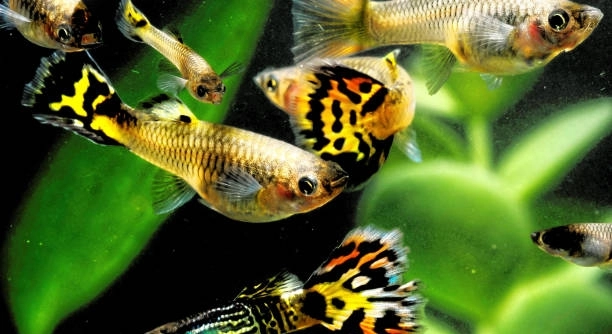
Guppies are known for their bright colors, but sometimes, these vibrant hues fade. Understanding why this happens can help improve their health and well-being. There are various reasons why your guppy might be losing its color.
Guppy color loss can be caused by several factors, such as stress, poor water quality, inadequate diet, or genetics. Stress from tank mates or environmental changes may lead to color fading, while a lack of proper nutrition can also result in duller hues.
Proper care can help restore your guppy’s natural color and prevent further issues.
Poor Water Quality
Water quality plays a crucial role in maintaining the health and appearance of guppies. When water conditions aren’t ideal, guppies can become stressed, causing them to lose their color. The main factors to monitor are ammonia, nitrites, and nitrates. High levels of these substances can lead to toxic conditions, which affect your fish’s health. Regular water changes are essential to keep the tank clean. Testing the water regularly with a water testing kit can help you detect any imbalances early on. The temperature of the water is another important factor. Guppies thrive in water that’s kept between 72°F and 82°F. Keeping your tank clean and maintaining stable water conditions will improve the overall health of your guppies, potentially restoring their colors.
To ensure your guppy stays vibrant, invest in a reliable filtration system and check water parameters weekly.
With consistent maintenance and water quality monitoring, you’ll help your guppy remain healthy and colorful. Don’t overlook the importance of proper water conditions. Regular changes and attention to water chemistry can make a significant difference in your fish’s appearance and well-being.
Inadequate Diet
The diet of your guppy can heavily influence its coloration. A poor or unbalanced diet can lead to fading colors. Guppies require a mix of proteins, vitamins, and minerals to stay healthy and vibrant. A diet based primarily on flakes may not provide all the nutrients they need. Supplementing their meals with live foods like brine shrimp or daphnia can help improve their overall health. You can also add vegetables like spinach or peas to their diet for added nutrients. A well-rounded diet supports not only their immune system but also helps maintain their vibrant colors. A variety of foods encourages healthy pigment production, ensuring your guppy maintains its bright hues.
Guppies need proper nutrition to keep their color vibrant and their health in check. Proper food is essential.
Stress from Tank Mates
Guppies can lose color when they’re stressed by aggressive tank mates. Fish that constantly chase or nip at your guppy will create an environment that reduces its overall health. Stress weakens the immune system, leading to dull colors. It’s essential to choose peaceful tank mates to maintain a calm environment.
When selecting tank mates for your guppy, consider other non-aggressive species that thrive in similar water conditions. Avoid putting them with fin-nipping fish or larger, more aggressive species. If a guppy feels threatened or is constantly hiding, its stress levels will increase, causing its colors to fade.
Provide enough space for each fish to swim freely. Overcrowding your tank can also increase stress levels, as it limits the space available for each fish. Proper tank size, peaceful tank mates, and adequate hiding spots will ensure that your guppy remains healthy and colorful.
Genetics
Genetics can play a major role in the color intensity of your guppy. Some guppies are genetically predisposed to lighter or duller colors, regardless of their environment. If your guppy comes from a line of pale fish, it may naturally lack the vibrancy of others.
Selective breeding has been used to create guppies with brighter colors, but this is not always guaranteed. While some guppies will retain their vibrant hues, others may lose them as they age or due to health changes. Unfortunately, there is little you can do to change a guppy’s genetic makeup, but good care can help maintain their color for longer.
If you want to improve the color of future guppies, consider breeding fish with stronger pigmentation. However, it’s important to remember that genetics can only do so much, and a guppy’s appearance can naturally change as it matures.
Water Temperature
Extreme changes in water temperature can cause stress and affect a guppy’s coloration. Guppies prefer stable temperatures, ideally between 72°F and 82°F. If the water is too cold or too hot, they may lose their vibrant colors.
Fluctuating temperatures are especially harmful, as they disrupt your guppy’s metabolism. A reliable heater is necessary to keep the tank within the proper range. Keep the temperature steady, avoiding sudden drops or spikes, which can weaken your guppy’s immune system. Stable water temperature helps maintain your guppy’s health and appearance.
Poor Lighting
Improper lighting can cause a guppy to lose its colors over time. Guppies need light to display their true potential, but excessive or insufficient light can cause stress or disrupt their circadian rhythm.
Too much light can cause algae to grow, creating a toxic environment. On the other hand, inadequate light reduces the ability of the guppy to show off its natural vibrancy. Maintaining a balance with proper lighting is essential. A timer that ensures a day-night cycle can help keep the environment comfortable for your guppy, supporting both its health and color.
Overcrowding
Overcrowding in a tank is another stressor that affects your guppy’s health. When too many fish are placed in a small space, the tank’s water quality deteriorates quickly. Guppies can become stressed, and stress leads to color fading.
Having too many fish also creates competition for resources like food and oxygen. This can make your guppy weak and less vibrant. It’s important to monitor the number of fish in your tank. Providing adequate space for each fish to swim freely will help reduce stress and maintain their colors.
FAQ
Why is my guppy losing its color?
Guppies can lose color for several reasons, including poor water quality, stress, inadequate diet, and genetic factors. Stressful tank conditions, such as aggressive tank mates or fluctuating temperatures, can contribute to color fading. If the water is dirty or imbalanced, it can also affect their vibrant hues. A diet lacking in nutrients might lead to duller colors, and guppies from certain genetic lines naturally have less color intensity.
How can I improve my guppy’s color?
To improve your guppy’s color, focus on providing clean water, stable temperatures, and a balanced diet. Regular water changes and a filtration system will help keep toxins in check. Make sure the water temperature stays between 72°F and 82°F. A varied diet, including live foods like brine shrimp, will support color vibrancy. Consider adding high-quality pellets and vegetables to their meals for a full range of nutrients. Reducing stress by choosing peaceful tank mates is also crucial.
Can water temperature affect my guppy’s color?
Yes, water temperature plays a significant role in maintaining your guppy’s color. If the water is too cold or too hot, it can cause stress, leading to color loss. Keeping the temperature between 72°F and 82°F is ideal for guppies. Fluctuations in temperature can weaken their immune system and make them more prone to color fading. A stable temperature, achieved with a reliable heater, ensures that your guppy remains healthy and colorful.
Does lighting affect guppy coloration?
Yes, lighting can impact your guppy’s colors. Proper lighting helps highlight their natural vibrancy. However, too much light can cause stress and promote algae growth, which negatively affects the tank’s water quality. On the other hand, insufficient light can lead to dull colors. Make sure your tank gets a balanced amount of light, ideally about 10-12 hours per day. Using a timer can help provide a regular day-night cycle, creating a stable environment for your guppy.
What should I feed my guppy to maintain its color?
A well-rounded diet is essential for maintaining vibrant colors. Feed your guppy high-quality fish flakes, pellets, and a variety of live foods like brine shrimp, daphnia, and bloodworms. Vegetables such as spinach or peas can also be added to their diet. A good balance of protein, vitamins, and minerals is necessary to support healthy pigment production. Feed them small portions throughout the day to ensure they get a steady supply of nutrients, which will help keep their colors bright.
Can stress cause my guppy to lose color?
Yes, stress is one of the leading causes of color loss in guppies. Stress can result from aggressive tank mates, overcrowding, or fluctuating water conditions. When guppies feel threatened, they often lose their bright colors as their bodies go into a stress response. To prevent this, ensure your tank has peaceful tank mates, provide adequate space, and maintain stable water conditions. Reducing stress will help your guppy remain healthy and vibrant.
Are some guppies naturally less colorful?
Yes, some guppies are genetically predisposed to being less colorful. Certain breeding lines produce guppies with muted colors, and even with proper care, these fish may not display the bright hues seen in other guppies. While a healthy environment and diet can help enhance their color to some extent, genetics play a significant role in how vibrant a guppy will be. If you want guppies with more color, consider selecting individuals from vibrant, selectively bred lines.
How often should I change my guppy’s water?
You should change 25-30% of your guppy’s tank water every week. Regular water changes are essential for maintaining water quality and preventing the buildup of toxins like ammonia and nitrites. If your tank is overstocked or has poor filtration, you may need to change the water more frequently. Clean water supports your guppy’s health and helps maintain its color. Ensure the new water matches the temperature and pH of the tank to avoid shocking your fish.
Can overfeeding affect my guppy’s color?
Yes, overfeeding can affect your guppy’s color. Overfeeding leads to poor water quality as excess food decomposes in the tank, causing an increase in ammonia levels. Poor water quality stresses guppies and can lead to color fading. Additionally, excessive food may cause digestive problems and lead to overall poor health. It’s essential to feed your guppy only as much as it can consume in a few minutes, and remove any uneaten food promptly to maintain a clean environment.
What can I do if my guppy’s color won’t improve?
If your guppy’s color isn’t improving despite proper care, you may need to evaluate its overall health and environment. Check water parameters regularly and ensure that the tank is not overcrowded. If the water quality is stable and your guppy is still dull, it could be related to genetic factors. In this case, maintaining a healthy diet and environment will help as much as possible, but some guppies may naturally have less vibrant colors. If other signs of illness are present, consult with a veterinarian specializing in fish health.
Final Thoughts
Guppies are vibrant and beautiful fish that can thrive in a well-maintained tank. However, it’s important to understand that their color can fade for various reasons, including poor water quality, stress, genetics, and improper diet. By addressing these factors, you can help your guppy maintain its natural beauty. Providing a stable environment with the right water temperature, peaceful tank mates, and regular water changes will go a long way in keeping your guppy healthy and colorful.
Feeding your guppy a balanced diet is also essential for maintaining its color. Guppies require a variety of foods, including high-quality fish flakes, live foods, and vegetables. This ensures they receive the nutrients needed to support vibrant pigmentation. Avoid overfeeding, as it can lead to poor water quality, which can, in turn, cause stress and color loss. A healthy diet, combined with the right environmental conditions, will help your guppy display its natural colors to the fullest.
Lastly, it’s important to remember that some guppies naturally have less intense color due to their genetics. While you can’t change their genetic makeup, you can still provide them with the best care possible to support their health. If you follow the right steps, including maintaining water quality, offering a balanced diet, and reducing stress, your guppy can live a long and healthy life, whether it’s a vibrant color or a more muted shade. Understanding these factors and making small adjustments to their environment can ensure your guppy stays happy and healthy for years to come.

Hello,
If you enjoy the content that we create, please consider saying a "Thank You!" by leaving a tip.
Every little bit helps us continue crafting quality advice that supports the health, happiness, and well-being of pets around the world, for pets of all shapes, sizes, and species.
We really appreciate the kindness and support that you show us!