
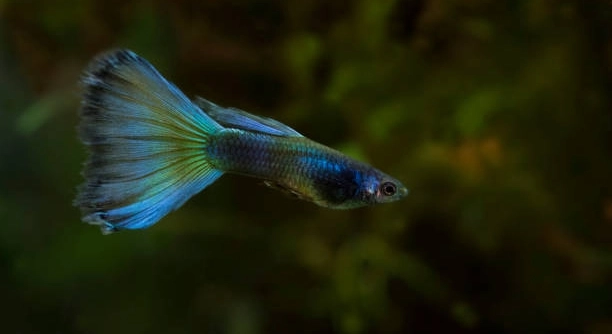
Sometimes, it can be concerning when your guppy spends most of its time hiding. You might wonder if something’s wrong or if they’re just being shy. Understanding your guppy’s behavior can help you keep them happy and healthy.
Guppies hide for various reasons, ranging from stress to health issues or even their natural instincts. It’s essential to observe the environment and make sure they feel safe, secure, and well-fed to avoid prolonged hiding.
There are several factors that could explain this behavior. From environmental stress to health concerns, it’s important to understand how your guppy’s surroundings might be affecting them. Keep reading to uncover the reasons behind this common issue.
Stress from the Environment
Guppies are sensitive to their environment, and any change can cause them stress. Factors like sudden temperature fluctuations, changes in water quality, or even new tank mates can make them feel unsafe. Stress can cause them to hide more often as a way of coping. Guppies are naturally shy, and even slight disturbances can make them retreat to a hiding spot. This is especially common in newly introduced fish, who may need time to adjust to their new surroundings.
If your guppy is hiding, it’s important to check the water temperature and quality regularly. Guppies prefer stable conditions, with a temperature range of 72–82°F and clean, well-filtered water. If your tank is too crowded, this can also contribute to stress. Make sure to maintain a balanced and peaceful environment to help your guppy feel more secure.
You may also want to consider adding plants or decorations to the tank that can offer hiding places. This gives your guppy the option to retreat when it feels the need to, while still allowing it to swim freely. Avoid overcrowding the tank to ensure each fish has enough space to thrive.
Health Issues
When a guppy is not feeling well, it may choose to hide. This is often a sign of illness or discomfort. Common health problems like parasites, infections, or injuries can cause a guppy to retreat into hiding spots more often. They might feel vulnerable or weak, making them seek shelter until they feel better.
If your guppy is hiding and also showing signs of illness, such as discoloration, bloating, or lack of appetite, it’s crucial to address the issue immediately. Regularly inspect your fish for any visible signs of disease or injury. Early detection can lead to more effective treatment.
Too Many Tank Mates
Guppies may hide when there are too many tank mates. Overcrowding can lead to competition for space and food. If your guppy feels threatened or unable to find a quiet spot, it may retreat into hiding. A peaceful environment is key for their well-being.
If there are too many fish in the tank, consider reducing the number or adding more hiding spots. Too many fish in a small space can create stress and lead to conflicts, especially with more aggressive species. When fish are crowded, guppies may become anxious and seek solitude. Always ensure there’s enough room for each fish to feel safe and comfortable.
Monitoring the fish behavior and ensuring they’re all compatible is essential. Some species might be more territorial, which can make your guppy feel stressed. Providing plenty of plants, rocks, and decorations can help reduce aggression and give each fish their own space to feel secure. A well-balanced tank setup will keep your guppy from hiding out of fear.
Inadequate Lighting
Guppies prefer a balanced light cycle, with periods of darkness and light. If the lighting is too bright or too dim, your guppy may choose to hide more often. Inconsistent lighting can confuse them and make them feel unsafe.
Having a proper lighting schedule helps regulate their natural behavior. Bright lights all the time can stress them out, while too little light can make them feel insecure. Use a timer to ensure that your guppy gets both light and dark periods throughout the day. Aim for about 10–12 hours of light each day, giving them time to rest in the dark.
It’s also important to use a light that is not too harsh. Consider using soft LED lights designed for aquariums. Harsh lighting can cause stress, making your guppy hide more frequently. The right lighting will encourage a healthier, more active guppy that feels comfortable in its environment.
Poor Water Quality
Guppies need clean water to stay healthy. Poor water quality can cause them to hide, as it stresses them out. High levels of ammonia, nitrites, or nitrates can make them feel unsafe, leading them to seek shelter away from the tank’s problems.
Regular water changes are important to maintain a healthy environment. Testing the water for ammonia, nitrites, and nitrates can help you identify any issues. If levels are high, perform a water change and make sure your filtration system is working properly. Keeping the water quality stable will reduce stress for your guppy.
Temperature Fluctuations
Guppies are sensitive to temperature changes. Rapid fluctuations in water temperature can cause them to hide, feeling uncomfortable in unstable conditions. They prefer a stable water temperature between 72-82°F. A temperature fluctuation of just a few degrees can make them anxious.
Investing in a reliable aquarium heater can help maintain a constant temperature. Regularly check the water temperature to ensure it stays within the ideal range. A stable, comfortable environment will help your guppy feel more secure and less likely to hide.
FAQ
Why is my guppy hiding all the time?
Guppies hide for several reasons, including stress, poor water quality, inadequate lighting, or health issues. They are naturally shy and may seek refuge in hiding spots when they feel threatened or unwell. To resolve this, check the water quality, temperature, and lighting, and ensure there are enough hiding places and space for your guppy.
How can I tell if my guppy is stressed?
Signs of stress in guppies include hiding more often, swimming erratically, loss of appetite, or unusual behaviors like rubbing against tank surfaces. Additionally, stress can lead to color fading or visible signs of injury. If you notice these signs, check the water quality, tank conditions, and compatibility with tank mates.
Can my guppy hide because of other fish?
Yes, other tank mates can make your guppy feel insecure. Aggressive or territorial fish may chase or bully your guppy, causing it to hide. If this is the case, consider rearranging the tank or separating the aggressive fish from your guppy to reduce stress and create a more peaceful environment.
Is it normal for a guppy to hide when introduced to a new tank?
Yes, it’s completely normal for a guppy to hide when first introduced to a new tank. Guppies need time to adjust to their new environment and tank mates. They may feel overwhelmed and seek shelter until they become familiar with their new surroundings. Allow your guppy time to settle in before making any changes.
What can I do to encourage my guppy to come out of hiding?
To encourage your guppy to come out of hiding, ensure the tank has a stable environment with clean water, proper lighting, and a comfortable temperature. Adding more plants, decorations, and hiding spots can also help your guppy feel more secure. Avoid sudden changes and try to minimize stress factors in the tank.
Can poor water quality make my guppy hide more often?
Yes, poor water quality is a major cause of stress for guppies. High ammonia, nitrites, or nitrates levels can make them feel unsafe and cause them to hide. Regular water changes and monitoring water parameters are essential to keeping your guppy healthy and preventing hiding due to poor water conditions.
How do I know if my guppy is sick and hiding because of it?
If your guppy is hiding and also showing signs of illness, such as loss of appetite, bloating, abnormal swimming, or visible lesions, it could be sick. Check for any signs of disease like fungal or bacterial infections. If you notice any of these symptoms, isolate the sick fish and treat the condition appropriately.
Can I add more guppies to my tank if one is hiding?
Before adding more guppies, you should first address the cause of the hiding. Adding more fish might increase stress if there isn’t enough space or if water conditions aren’t ideal. Ensure that your tank is large enough for the additional fish and that the environment is stable for all of them to thrive.
Should I use a quarantine tank for a guppy that hides?
Yes, a quarantine tank can be helpful if your guppy is hiding due to illness or injury. It allows you to isolate the fish, monitor its condition, and treat any potential health issues without affecting the rest of your aquarium. Quarantining a sick fish can also prevent disease from spreading to other fish in the main tank.
How often should I check my guppy’s water quality?
It’s important to check your guppy’s water quality regularly. Test the water for ammonia, nitrites, and nitrates weekly. In addition, monitor pH levels, temperature, and oxygen levels to ensure the environment stays stable. Frequent water testing helps catch potential issues early before they cause stress or health problems for your guppy.
Can temperature changes cause my guppy to hide?
Yes, temperature fluctuations can cause your guppy to hide. Guppies prefer a stable temperature between 72-82°F. Rapid changes in water temperature can stress them out and lead to hiding. Invest in a reliable aquarium heater and thermometer to maintain a consistent temperature, reducing the chances of stress due to temperature fluctuations.
How can I improve my guppy’s environment to reduce hiding?
To improve your guppy’s environment, maintain clean water, stable temperature, and proper lighting. Add decorations like plants and rocks that provide hiding spots without overcrowding the tank. Avoid overstocking the tank, as this can lead to stress. Make sure your tank mates are compatible and not overly aggressive.
Is it normal for guppies to hide after breeding?
Yes, it’s normal for guppies to hide after breeding. Female guppies, in particular, may feel stressed after giving birth. Hiding allows them to recover from the process. Providing them with plenty of hiding places in the tank will help them feel more secure and reduce stress after breeding.
Should I be concerned if my guppy is hiding during the day?
It’s normal for guppies to hide occasionally during the day, especially if they feel stressed or threatened. However, if your guppy is constantly hiding and showing no interest in food or swimming, it could be a sign of illness, poor water quality, or stress from tank mates. Check the conditions of the tank to rule out potential issues.
Can guppies hide when they’re not feeling well?
Yes, guppies often hide when they are sick or injured. Illnesses like parasites, fungal infections, or internal problems can cause them to retreat into hiding. If your guppy is hiding and showing signs of illness, it’s important to address the problem quickly. Isolate the sick fish and start treatment immediately to prevent the issue from worsening.
Final Thoughts
If your guppy is hiding, it’s important to understand the potential causes and address them as soon as possible. Guppies can be sensitive to their environment, and small changes can impact their behavior. Factors like water quality, temperature, tank mates, and stress can all contribute to hiding. By keeping a close eye on these elements and making sure everything is in balance, you can help create a comfortable environment for your guppy. Regular maintenance and observation are key to ensuring your fish stay healthy and happy.
One of the first things to check when your guppy is hiding is the water quality. Poor water conditions, like high ammonia or nitrite levels, can cause stress and lead to hiding behavior. Keeping the water clean, doing regular water changes, and ensuring proper filtration can help prevent this. Additionally, guppies need stable temperatures and proper lighting to feel secure. A sudden drop or increase in temperature can make them uncomfortable, and overly bright lights can stress them out. Adjusting these factors can encourage your guppy to feel more at ease.
Another important consideration is tank mates. Guppies are peaceful fish but may hide if they feel threatened by more aggressive species. It’s essential to create a harmonious tank environment, ensuring that all the fish get along. Providing plenty of hiding spots through plants and decorations can help your guppy feel safe. If you notice that your guppy continues to hide despite a stable environment, there may be underlying health issues. Illness or injury can also cause a guppy to seek shelter. In such cases, prompt treatment is crucial to help them recover. By paying attention to their needs and maintaining a healthy tank, you can ensure your guppy thrives.

Hello,
If you enjoy the content that we create, please consider saying a "Thank You!" by leaving a tip.
Every little bit helps us continue crafting quality advice that supports the health, happiness, and well-being of pets around the world, for pets of all shapes, sizes, and species.
We really appreciate the kindness and support that you show us!