
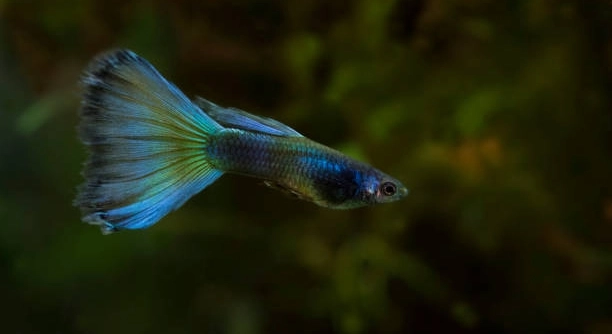
Guppies are known for their lively and active behavior, but when they start hiding, it can be concerning. Understanding why they retreat can help ensure their well-being and happiness in your aquarium.
There are several reasons why a guppy might hide all day. These include stress from water quality, changes in their environment, or health issues. Identifying the root cause and addressing it can help your guppy feel comfortable again.
Addressing these factors will not only improve your guppy’s behavior but also contribute to a healthier, more vibrant aquarium environment.
Poor Water Quality
Water quality is one of the most common reasons for guppies to hide. Guppies are sensitive to water conditions, including temperature, pH levels, ammonia, nitrites, and nitrates. If these factors are out of balance, your guppy might retreat to a corner or hide under decorations. This behavior is a natural response to stress caused by unfavorable water conditions. It’s important to regularly check water parameters and ensure your aquarium has proper filtration and maintenance. A sudden change in water temperature or an accumulation of toxins can also cause this issue.
You can easily test your aquarium’s water with a reliable water testing kit. By keeping these levels stable, your guppy will be less likely to hide.
Regular water changes, at least once a week, will help keep your guppy’s habitat clean and reduce stress. When your guppy feels safe in clean water, it will feel more comfortable swimming and exploring the tank. This simple step can lead to a noticeable change in behavior.
Health Problems
Health problems can also lead to guppies hiding. Illnesses such as parasites, infections, or internal issues make guppies less active. They may seek shelter to avoid moving or because they feel weak.
A sick guppy might show other signs like faded colors, clamped fins, or lethargy. If you notice these symptoms, separate your guppy to prevent spreading illness and start treatment immediately.
Stress From Tank Mates
Aggressive tank mates can cause significant stress to guppies. If your guppy feels threatened by other fish, it may hide to avoid confrontation. Fish like bettas, cichlids, or other territorial species are often responsible for this behavior. Guppies, being peaceful, can become overwhelmed by more dominant or active fish.
To help alleviate this, consider separating aggressive tank mates or providing plenty of hiding spots in the aquarium. Plants, caves, and decorations can help your guppy feel safe. A tank with diverse hiding options allows your guppy to retreat when feeling threatened.
Additionally, try to observe interactions between your fish. If certain fish consistently bother your guppy, relocating them to a separate tank could reduce stress. A peaceful environment is key for your guppy to thrive and interact confidently with other species.
Poor Diet
A poor diet can also lead to hiding behavior in guppies. If they aren’t getting the necessary nutrients, they may become lethargic or sick, causing them to retreat into hiding. Feeding your guppy a varied diet is essential to keep them healthy and active.
In addition to standard fish flakes, offer them live or frozen foods like brine shrimp, daphnia, or bloodworms. A nutrient-rich diet supports energy levels and improves the overall health of your guppy. Too much or too little food can also affect their behavior, so make sure to provide the right amounts and avoid overfeeding.
Temperature Fluctuations
Temperature changes can make your guppy uncomfortable, leading it to hide. Guppies are sensitive to sudden shifts in water temperature, which can cause stress and even illness. Keeping the water temperature stable between 72°F and 82°F is ideal for their well-being.
Invest in a reliable aquarium heater with a thermostat to avoid temperature fluctuations. Regularly monitor the water temperature to ensure it stays within the recommended range. If the temperature is too low or high, your guppy may retreat to a hiding spot to escape discomfort.
Changes in Environment
Changes to the environment can stress your guppy, causing it to hide. Adding or removing plants, decorations, or other fish can create an unsettling atmosphere. Guppies are creatures of habit, and any disruption to their environment can trigger this behavior.
It’s essential to make any changes gradually, allowing your guppy time to adjust. If possible, avoid rearranging the tank too frequently, as this can stress your fish. Creating a stable, predictable environment helps your guppy feel secure and reduces the likelihood of hiding.
Natural Behavior
Guppies may also hide as part of their natural behavior. They tend to seek refuge when they feel insecure or when they need rest. This is especially common in new guppies that haven’t fully acclimated to their new environment.
Over time, as your guppy becomes more comfortable, it will likely stop hiding and resume its usual activities. Ensure they have plenty of hiding spots available to reduce stress and help them settle in faster.
FAQ
Why is my guppy hiding all the time?
There are several reasons why your guppy might be hiding. Stress from poor water quality, aggressive tank mates, or a sudden change in the environment can cause this behavior. Guppies are sensitive to their surroundings, and when they feel threatened, they may retreat to a corner or behind decorations. Checking the water parameters and ensuring that the tank is peaceful with appropriate tank mates can help address this. Additionally, ensure your guppy’s diet is nutritious and balanced to prevent health issues that could contribute to hiding behavior.
How do I know if my guppy is sick?
A sick guppy might show signs such as faded colors, clamped fins, or an inability to swim normally. They may become lethargic and spend more time hiding. In some cases, you might notice physical signs like swelling, lesions, or abnormal growths. If your guppy appears ill, it’s important to quarantine them to prevent the spread of disease. Consult an aquarium professional or perform a water test to rule out environmental factors.
Can my guppy hide because of other fish in the tank?
Yes, guppies can become stressed if they are in a tank with more aggressive fish. Fish like bettas, cichlids, or other territorial species might intimidate your guppy, causing it to hide. It’s important to keep peaceful species together. If aggressive behavior is present, consider relocating the aggressive fish to a separate tank or rearranging the tank to give your guppy more space and hiding spots.
Is it normal for guppies to hide at night?
It is normal for guppies to hide at night, as they are naturally more active during the day. They may seek shelter in plants or decorations to rest and sleep. As long as the guppy is active during the day and healthy, hiding at night is typically not a cause for concern. However, if they are hiding all day, it could be a sign of stress or health issues.
What temperature should my guppy tank be?
Guppies prefer a water temperature range of 72°F to 82°F (22°C to 28°C). Keeping the tank at a stable temperature within this range is important for their health. If the temperature fluctuates too much, your guppy may become stressed and hide. Using a reliable aquarium heater can help maintain a consistent temperature. Be sure to monitor the temperature regularly to ensure it stays within the ideal range for your guppy.
How can I reduce stress for my guppy?
To reduce stress for your guppy, focus on maintaining clean water with proper filtration, stable temperatures, and a peaceful tank environment. Adding plants, caves, and decorations provides hiding spots and makes the tank feel more secure. Avoid sudden changes, such as rearranging the tank or introducing new fish too quickly. Regular water changes are essential for keeping toxins low and preventing stress-related hiding behavior.
Should I feed my guppy more if it’s hiding?
If your guppy is hiding, it’s important to check whether it’s related to a lack of food. However, overfeeding can cause water quality issues, so it’s best to feed your guppy small amounts of food once or twice a day. Make sure you’re offering a balanced diet with both flakes and live or frozen foods. If your guppy is hiding due to health issues, feeding it more may not resolve the problem, and you should check for any underlying health issues.
Can I add more fish to my tank to make my guppy feel better?
If your guppy is hiding due to loneliness or boredom, adding more peaceful tank mates can help. However, overcrowding can stress the fish, so make sure the tank is large enough to accommodate the new fish. Choose compatible species to avoid conflicts. If your guppy is hiding due to stress or health problems, adding more fish might not be the solution. Focus on resolving the root cause first before introducing new fish.
Why does my guppy hide in the corner?
If your guppy hides in a corner, it may feel unsafe or stressed. Check for environmental factors such as water quality, aggressive tank mates, or inadequate hiding spots. Adding plants or decorations can provide more hiding places for your guppy. If the issue persists, consider testing the water and observing the behavior of other fish in the tank.
How often should I check the water in my guppy tank?
You should check the water in your guppy tank at least once a week to ensure that parameters like pH, ammonia, nitrite, and nitrate levels are within the proper ranges. Regular water changes (10-15% per week) are important for maintaining healthy conditions. If you notice your guppy hiding more often, you may want to test the water immediately to rule out poor water quality as the cause.
Final Thoughts
Understanding why your guppy is hiding is crucial to ensuring its well-being. Guppies are active, social fish that generally prefer to swim around, interact with others, and explore their environment. If your guppy starts hiding frequently, it could indicate stress, discomfort, or health issues. The most common reasons for hiding include poor water quality, aggressive tank mates, or a change in the environment. It’s important to regularly check your tank’s water parameters and ensure that it is clean and stable. Stress can also be caused by the presence of dominant or aggressive fish, so keeping a peaceful tank environment is essential.
Diet is another factor that plays a key role in your guppy’s behavior. A poor diet can lead to poor health and lethargy, making your guppy less likely to be active and more likely to hide. Offering a varied and nutritious diet is vital to your guppy’s health and activity levels. If your fish is hiding, check if it is getting enough food and if the water conditions are optimal. Overfeeding or underfeeding can both result in health issues, so it’s important to strike the right balance.
Lastly, remember that every fish is different, and some guppies may naturally prefer more quiet, private spaces. If your guppy continues to hide despite a healthy environment, it could simply be a personality trait. However, if hiding is excessive and accompanied by other symptoms like color loss, abnormal swimming, or lethargy, it’s worth consulting a fish expert or a veterinarian. Monitoring the tank environment and ensuring your guppy is comfortable and well-fed will help create an ideal setting for your fish to thrive.

Hello,
If you enjoy the content that we create, please consider saying a "Thank You!" by leaving a tip.
Every little bit helps us continue crafting quality advice that supports the health, happiness, and well-being of pets around the world, for pets of all shapes, sizes, and species.
We really appreciate the kindness and support that you show us!