
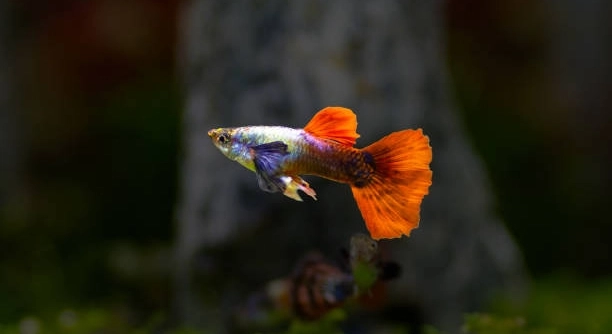
If you have noticed a curved spine in your guppy, you might be wondering what causes this issue. It can be a sign of a health concern that affects your fish’s well-being and requires attention.
The most common causes of a curved spine in guppies are poor water quality, genetics, malnutrition, and spinal deformities. These factors can contribute to skeletal issues, leading to visible changes in posture. Addressing these causes can improve the guppy’s condition.
Understanding the factors behind this condition can help you provide the best care for your guppy. Learn how to address these issues effectively.
Poor Water Quality and Its Impact on Your Guppy’s Spine
Water quality plays a significant role in the health of your guppy. If the water is not clean or properly balanced, it can lead to various health issues, including spinal deformities. High levels of ammonia, nitrites, or nitrates in the tank can stress your fish, weakening their immune system and affecting their development. Guppies require stable water conditions to thrive. Temperature, pH, and hardness are also factors to consider. Maintaining proper water parameters is essential for the well-being of your guppy.
Water changes and regular monitoring are necessary to ensure your guppy’s environment is safe. Using a reliable filtration system can help maintain water quality, reducing the risk of deformities.
To keep your guppy healthy, invest in a quality test kit to check water conditions regularly. Frequent water changes can prevent the buildup of harmful chemicals, which may impact their spine and overall health. Keeping the tank clean will improve their quality of life.
Genetic Factors Behind Spinal Curvature
In some cases, a guppy’s curved spine may be due to genetic factors. Certain strains of guppies are more prone to developing deformities, including spine issues. If you are breeding guppies, it is important to be aware of these potential genetic traits. Inbreeding can also increase the chances of passing on genetic problems.
Genetic abnormalities can be inherited from one or both parents, which may affect the offspring’s spinal development. While genetics can’t be changed, knowing about them can help you make better decisions when selecting fish for breeding.
If you notice signs of a curved spine in your guppy, it may be a result of these inherited factors. Although there is no cure, addressing environmental conditions can reduce the likelihood of further complications. Taking proper care and avoiding inbreeding is crucial to maintaining healthy guppy populations.
Malnutrition and Its Role in Spinal Issues
A lack of proper nutrition can cause significant problems for your guppy, including spinal deformities. Guppies need a well-balanced diet rich in vitamins, minerals, and proteins. Inadequate nutrition, particularly a lack of essential nutrients like calcium and vitamin D, can impair bone development, leading to abnormal spine growth.
Feeding your guppy a variety of high-quality foods such as flake food, live foods, and frozen options will help ensure they receive the necessary nutrients for strong bones and overall health. If your guppy’s diet lacks essential vitamins, it could result in skeletal issues over time.
Providing a proper diet is crucial for preventing nutritional deficiencies. Be sure to offer food rich in fiber and protein to support healthy development. It’s important to feed your guppy the right amount of food at appropriate intervals, ensuring they receive all the necessary nutrients for optimal growth.
Spinal Deformities in Guppies
Spinal deformities can occur in guppies for various reasons. These deformities may happen due to poor genetics or environmental factors, causing the spine to curve in unnatural ways. Sometimes, spinal deformities may not be noticeable immediately but develop over time, especially under stressful conditions.
One possible cause of spinal deformities is overcrowding. When guppies are kept in tanks that are too small or overpopulated, they may not have enough space to swim properly, which can affect their development. Lack of proper exercise and space can lead to physical deformities, including a curved spine.
Another contributing factor to spinal deformities is improper tank conditions. If your guppy lives in water that is too cold, too hot, or has irregular pH levels, it may affect their bone structure and growth. Ensuring your guppy has a clean and stable environment will help prevent these issues.
Overcrowding in the Tank
Overcrowding can cause stress and poor development in guppies. When too many fish are crammed into a small space, they struggle for food, oxygen, and proper swimming space, which can lead to skeletal issues. Proper tank size is essential to maintain a healthy environment.
Inadequate space affects guppies’ movement and growth. When confined to small areas, they are unable to exercise and develop properly, resulting in deformities like a curved spine. Ensuring the right tank size for the number of guppies you have is essential for their health.
Stress and Its Effects on Guppy Health
Stress plays a major role in the health of your guppy. Factors like poor water quality, sudden temperature changes, or overcrowding can cause stress, leading to weakened immune systems and health problems, including spinal deformities. When a guppy is stressed, their body’s ability to fight off infections and illnesses decreases.
This can lead to developmental issues, including spine curvature. Prolonged exposure to stress may also make guppies more susceptible to diseases, further exacerbating their health problems. To prevent stress, ensure that your guppy’s environment is stable, clean, and free of potential stressors like aggressive tank mates.
Parasites and Infections
Parasites and infections can severely impact your guppy’s health. Certain types of parasites, like worms or protozoa, can affect your guppy’s digestive system, while others may target their spine and skeletal structure. An infected guppy may develop visible deformities, including a curved spine.
Infected guppies often show symptoms like lethargy, loss of appetite, or abnormal swimming patterns. If your guppy displays any of these symptoms, it’s essential to address the issue immediately. Proper treatment, including the use of anti-parasitic medications or antibiotics, can help restore their health and prevent further damage to their spine.
FAQ
What causes a guppy to develop a curved spine?
A guppy’s spine may curve due to poor water quality, genetics, malnutrition, or spinal deformities. Stress, overcrowding, and improper tank conditions can also contribute to this issue. Environmental factors and diet play an essential role in preventing this problem.
How can I prevent my guppy from developing a curved spine?
To prevent a curved spine, maintain clean, stable water conditions with proper filtration. Ensure your guppy is getting a balanced diet with all the essential nutrients. Avoid overcrowding the tank, and provide plenty of space for your fish to swim and exercise.
Can a curved spine in guppies be fixed?
Once a guppy develops a curved spine, it is often irreversible. Treatment primarily focuses on improving the fish’s overall health, preventing further deformities, and ensuring a better quality of life. It is important to address the underlying cause to avoid worsening the condition.
How do I know if my guppy is stressed?
Signs of stress in guppies include erratic swimming, hiding, loss of appetite, and unusual behavior. Stress can result from poor water quality, overcrowding, sudden temperature changes, or aggressive tank mates. Regular observation and water testing are essential for identifying stress indicators early.
Does overcrowding affect my guppy’s health?
Yes, overcrowding can cause stress and health issues for your guppy. When there are too many fish in the tank, resources like oxygen and space become limited. This can result in improper development, weakened immune systems, and increased susceptibility to diseases and deformities.
Can malnutrition cause a guppy to have a curved spine?
Malnutrition, particularly a lack of essential nutrients such as calcium and vitamins, can lead to deformities like a curved spine. A poor diet impairs bone growth and general development. It is essential to provide a varied, nutrient-rich diet to support healthy development.
Is there a way to fix genetic spinal deformities in guppies?
Genetic spinal deformities cannot be fixed. However, preventing further deformities involves addressing environmental factors like water quality and avoiding inbreeding. If you are breeding guppies, be mindful of genetics and select healthy stock to reduce the risk of passing on these deformities.
How often should I change my guppy’s water to prevent spine issues?
Frequent water changes are crucial for maintaining a healthy environment. A 25-30% water change every week is recommended to ensure optimal water quality. Regular changes prevent the buildup of harmful chemicals and toxins that can stress your guppy and contribute to deformities.
What type of food should I feed my guppy to avoid spine problems?
Feed your guppy high-quality food, including flake foods, live foods, and frozen foods. A balanced diet rich in protein, vitamins, and minerals, such as calcium, will promote strong bones and healthy growth. Offer a variety of food types to ensure they receive a complete nutritional profile.
Can temperature fluctuations cause spinal problems in guppies?
Yes, temperature fluctuations can stress your guppy, affecting its overall health and possibly leading to spinal deformities. Guppies thrive in stable water temperatures, typically between 72°F and 82°F (22°C to 28°C). Sudden changes in temperature can impact their growth and immune function.
What are the signs that a guppy has a spinal deformity?
Signs of spinal deformities in guppies include a noticeable curve in the spine, abnormal swimming behavior, or a hunchback appearance. If you notice these symptoms, it is important to evaluate their environment and care routine to prevent further complications.
Can parasites cause a curved spine in guppies?
Yes, certain parasites can cause spinal deformities by affecting the fish’s bones and organs. Parasites like worms or protozoa can weaken a guppy’s health and lead to deformities. Regularly check for signs of illness or unusual behavior and treat infections promptly to protect your fish’s health.
Should I remove a guppy with a curved spine from the tank?
It is not always necessary to remove a guppy with a curved spine, as long as it is not suffering from other serious health issues. However, you should ensure that the tank environment is suitable and that the affected fish is not stressed by other tank mates. If the deformity causes difficulty in swimming or eating, isolating the fish may be necessary for its well-being.
Can poor filtration contribute to spine problems in guppies?
Yes, poor filtration can contribute to poor water quality, which may lead to stress and health problems, including spinal deformities. A reliable filtration system ensures that toxins, like ammonia and nitrates, are removed, providing your guppy with a healthier environment to grow.
How can I tell if my guppy’s spine issue is due to genetics or environment?
If multiple fish in the same tank show similar spine issues, environmental factors such as water quality, temperature, and overcrowding may be the cause. However, if only one fish exhibits the problem, genetic factors could be at play. A careful review of their care routine can help identify the cause.
Is it possible to breed guppies with a curved spine?
Breeding guppies with a curved spine is not recommended, as genetic deformities can be passed to the offspring. To maintain healthy guppy populations, it’s best to select fish that are free from spinal deformities and other genetic issues. Avoid inbreeding to reduce the risk of inherited problems.
How do I treat my guppy for infections that might cause a curved spine?
If your guppy has an infection causing spinal deformities, consult a vet or use appropriate anti-parasitic or antibiotic treatments. Ensure that the water quality is optimal to support the healing process. Isolate the infected fish to prevent the spread of disease to other tank mates.
Can guppies recover from spinal deformities?
While spinal deformities often cannot be fully corrected, guppies can still live healthy lives with proper care. The goal is to prevent further damage and improve the quality of life by providing stable water conditions, a nutritious diet, and a stress-free environment.
Final Thoughts
Guppies are resilient fish, but like all living creatures, they face challenges that can impact their health and development. A curved spine in guppies can be the result of a variety of factors, including environmental stress, genetics, malnutrition, or overcrowding. Recognizing the signs early and addressing the root cause is essential to improving their quality of life. Although some spinal deformities are permanent, the right care can help prevent further damage and ensure your guppy lives as comfortably as possible.
Maintaining a stable tank environment is key to preventing spinal issues in guppies. Regular water changes, proper filtration, and keeping the tank clean can minimize the risk of stress-related deformities. Additionally, providing a balanced diet with all the necessary nutrients promotes healthy bone and muscle development. Ensuring that your guppy has adequate space to swim and grow freely will also contribute to its overall health. Avoiding overcrowding and keeping the tank’s temperature stable can prevent many of the issues that cause deformities.
If you notice that your guppy has a curved spine, it’s important to assess its living conditions and make adjustments as needed. While some deformities may be irreversible, proper treatment and care can help manage the condition. Providing a stress-free environment, feeding nutritious food, and addressing any infections early will all help in improving the health of your guppy. With the right approach, even a guppy with a curved spine can lead a healthy and happy life, showing that good care can make all the difference.

Hello,
If you enjoy the content that we create, please consider saying a "Thank You!" by leaving a tip.
Every little bit helps us continue crafting quality advice that supports the health, happiness, and well-being of pets around the world, for pets of all shapes, sizes, and species.
We really appreciate the kindness and support that you show us!