
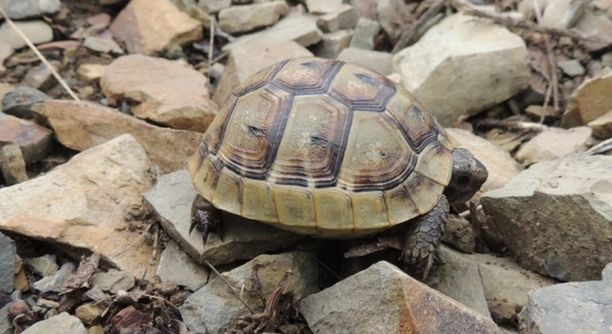
A Greek tortoise climbing walls may seem like an odd behavior, but it’s not uncommon. Understanding the possible reasons for this can help you address it effectively.
The main cause of climbing in Greek tortoises is stress or discomfort. Factors such as inadequate enclosure space, temperature fluctuations, or improper habitat setup can trigger this behavior. A proper environment is crucial for their well-being.
Addressing these environmental factors will help your tortoise feel comfortable and reduce wall-climbing behavior. Ensuring a suitable habitat is key to supporting their health and natural behavior.
Stress from Inadequate Space
A cramped enclosure can make your Greek tortoise feel trapped. If the tank is too small or overcrowded, the tortoise might climb the walls to find more space. Tortoises are naturally curious and need room to roam. Providing a larger enclosure or adding more hiding spots can make a big difference.
It’s essential to consider the size of your tortoise and adjust the space accordingly.
A proper habitat should allow your tortoise to explore, dig, and climb in a natural way. A spacious enclosure with enough substrate depth will make your tortoise feel more at ease, reducing stress. An adequate space will also provide room for the proper basking area and cool zones, making sure your tortoise can regulate its body temperature. If you notice wall climbing, check the space and consider upgrading to something larger. This adjustment can help alleviate anxiety and make your tortoise more comfortable.
Temperature Fluctuations
Greek tortoises thrive in consistent temperatures. Fluctuations can stress them out, leading to unusual behaviors like wall climbing.
It’s important to maintain a stable heat gradient within their enclosure to ensure comfort.
Your tortoise needs both warm and cooler areas in its habitat to regulate body temperature. If the temperatures aren’t consistent, your tortoise may become disoriented and climb in an attempt to escape the discomfort. Invest in a reliable thermometer to monitor and adjust the temperatures. You’ll likely see improvements once the heat is balanced and stable, reducing the likelihood of climbing.
Poor Lighting
Proper lighting is vital for your Greek tortoise’s health. If their enclosure lacks sufficient UVB light, they may feel stressed and begin climbing. UVB light helps with vitamin D3 production, essential for calcium absorption. Without it, tortoises can become lethargic and frustrated.
To prevent this, make sure you use a reliable UVB light source. It should be placed close enough to the tortoise for them to absorb the necessary UV rays. The light should be on for about 10-12 hours a day to mimic natural sunlight. If you notice wall climbing, check if the light is too dim or if it’s positioned incorrectly. Adjusting the lighting can help reduce unnecessary stress.
Your tortoise will likely show signs of improved behavior once the lighting is adjusted. Proper lighting not only helps prevent wall climbing but also keeps your tortoise healthy. A well-lit enclosure ensures your tortoise gets the necessary nutrients, reducing stress and encouraging natural behavior.
Wrong Substrate
Using the wrong substrate in your tortoise’s enclosure can lead to discomfort and climbing. A substrate that’s too rough or unsuitable can irritate their feet, making them restless and anxious. Soft, natural materials are the best choice.
Choose a substrate that mimics their natural environment. Materials like coconut coir, organic topsoil, or a mix of both provide comfort. These substrates are easier on your tortoise’s feet and allow them to dig and burrow, which is essential for their mental and physical well-being. Avoid using gravel or sand, as these materials can cause irritation.
By using the right substrate, your Greek tortoise will feel more at home and less likely to engage in climbing behavior. A comfortable enclosure with the proper materials will help your tortoise feel safe and secure, leading to a calmer, more content pet.
Lack of Enrichment
Your Greek tortoise may climb walls due to boredom. A lack of mental and physical stimulation can cause anxiety and stress, leading to climbing. They need objects to explore, hide in, and interact with.
Provide different objects, such as rocks, tunnels, and climbing structures. These enrich the environment and allow your tortoise to engage in natural behaviors. This can help reduce the instinct to climb walls in search of something to do. A little variety can go a long way in keeping your tortoise happy.
Adding enrichment also helps with their overall health and happiness. A stimulating environment will prevent them from focusing on climbing, offering them an outlet for natural curiosity and behavior.
Uncomfortable Humidity Levels
If the humidity in your tortoise’s enclosure is too high or too low, it can cause stress. Greek tortoises require specific humidity levels for optimal health.
Maintaining the right humidity range is essential for proper hydration and respiratory health. Too high a humidity level can cause respiratory problems, while too low can lead to dehydration. If the humidity is off, your tortoise may become anxious and attempt to escape by climbing.
Ensure that your enclosure has a hygrometer to monitor levels and adjust them as needed. A comfortable humidity level will help your tortoise feel at ease and reduce wall climbing behavior.
Unnatural Light/Dark Cycle
A disrupted light and dark cycle can cause stress for your Greek tortoise. They rely on consistent light patterns to regulate their biological rhythms.
If the light and dark periods are irregular, it can confuse their internal clock, leading to restless behavior. Greek tortoises need a consistent day-night cycle to mimic natural conditions. Lack of sleep or disturbed cycles can prompt them to climb, trying to find a more comfortable space.
Using a timer to regulate light and dark periods can help maintain a stable cycle for your tortoise. Consistency is key to ensuring they feel safe and calm.
FAQ
Why is my Greek tortoise climbing the walls?
Wall climbing in Greek tortoises often happens due to stress, boredom, or discomfort. If the enclosure is too small, poorly lit, or improperly heated, your tortoise might climb the walls to try and escape the stressful conditions. It’s essential to provide a larger, more stimulating environment with appropriate lighting and heating.
How do I stop my Greek tortoise from climbing?
To prevent wall climbing, ensure your tortoise has ample space to move around. Add hiding spots, climbing structures, and suitable substrates to make the environment more enriching. Maintaining proper temperature and humidity levels will also reduce stress.
Can a Greek tortoise live in a small enclosure?
A small enclosure can cause stress for your Greek tortoise, leading to behaviors like wall climbing. While small enclosures might work for a short time, it’s best to provide a larger space for your tortoise to roam. A minimum of 4 feet by 2 feet is recommended for a single adult.
Do Greek tortoises need a heat source?
Yes, Greek tortoises require a heat source to regulate their body temperature. They need both a basking spot with temperatures of around 90-95°F and a cooler area for them to retreat to. Providing a heat lamp and a proper gradient is crucial for their well-being.
Is UVB light necessary for my Greek tortoise?
UVB light is essential for Greek tortoises as it helps them produce vitamin D3, which is necessary for calcium absorption. Without UVB light, they may develop health issues like metabolic bone disease. Ensure the light is within 12 inches of the tortoise and is replaced regularly, as UVB strength diminishes over time.
How often should I clean my tortoise’s enclosure?
Cleaning your Greek tortoise’s enclosure is important for maintaining a healthy habitat. Spot clean daily by removing waste and uneaten food. A thorough cleaning should be done every 2-4 weeks, including changing the substrate and disinfecting the entire enclosure to prevent bacteria buildup.
Can Greek tortoises eat fruits?
Greek tortoises can eat fruits, but they should be given in moderation. Too much fruit can upset their digestive system due to high sugar content. Offer fruits like strawberries, apples, or melon occasionally as a treat. Focus on leafy greens, weeds, and grasses for their main diet.
What substrate is best for my Greek tortoise?
The best substrate for Greek tortoises includes coconut coir, organic topsoil, or a mix of both. These substrates are soft on their feet and allow for digging, which is a natural behavior. Avoid sand, gravel, or any material that might irritate their skin or cause impaction.
How much space do I need for a baby Greek tortoise?
For a baby Greek tortoise, a smaller enclosure is acceptable temporarily, but it should still provide enough room for them to move around. Aim for a 2-foot by 2-foot enclosure for the first year. As they grow, upgrade to a larger space to accommodate their activity level.
What should I feed my Greek tortoise?
Greek tortoises are herbivores, and their diet should consist mainly of leafy greens, grasses, and edible flowers. Some good options include dandelion greens, collard greens, and clover. Avoid feeding them high-oxalate vegetables or foods that are too high in protein. Fresh water should always be available.
How can I tell if my Greek tortoise is stressed?
Signs of stress in a Greek tortoise include erratic behavior like climbing the walls, hiding excessively, or becoming lethargic. They may also lose their appetite or become aggressive. Stress can result from poor environmental conditions like inadequate temperature, lighting, or space. Addressing these factors will help your tortoise feel secure.
Can I handle my Greek tortoise?
You can handle your Greek tortoise, but it’s essential to do so gently and not too frequently. Tortoises are not naturally inclined to enjoy handling, so excessive interaction may cause stress. When handling, be sure to support their body properly and avoid sudden movements.
What temperature should my Greek tortoise’s enclosure be?
Your Greek tortoise’s enclosure should have a gradient of temperatures. The basking area should be around 90-95°F, while the cooler side should be between 70-75°F. This allows your tortoise to regulate its body temperature by moving between the warm and cool areas.
How long do Greek tortoises live?
Greek tortoises can live for 50 years or more with proper care. They are long-lived pets, so it’s important to provide a stable and well-maintained environment throughout their lifetime. Regular health checks and a balanced diet will help them thrive for many years.
What can I do if my Greek tortoise isn’t eating?
If your Greek tortoise isn’t eating, check the environmental factors first. Stress from poor temperature, lighting, or humidity can cause a loss of appetite. Offering a variety of foods and checking for signs of illness can also help. If the issue persists, a vet visit may be necessary.
Final Thoughts
Understanding why your Greek tortoise climbs the walls is important for ensuring its well-being. Wall climbing can be a sign of stress or discomfort, so it’s crucial to identify and address the underlying causes. By providing a larger enclosure, adding enriching items like rocks or tunnels, and making sure the temperature and humidity are ideal, you can create a more comfortable space for your tortoise. A proper environment encourages natural behaviors and helps prevent the climbing behavior, allowing your tortoise to feel safe and at ease.
Regular care and attention are essential for maintaining your tortoise’s health and happiness. A balanced diet, the right amount of UVB light, and consistent temperature management are all vital. Keeping the enclosure clean and ensuring your tortoise has access to fresh water will also support its long-term health. Monitoring the stress levels and providing mental stimulation will prevent issues such as excessive climbing. By adjusting the environment to meet the needs of your Greek tortoise, you can improve its quality of life and reduce unnecessary stress.
A Greek tortoise can live a long, healthy life with the proper care. It’s essential to remember that these animals are creatures of habit, and any sudden changes in their environment can cause stress. It’s important to create a stable routine and ensure they are comfortable. While it may take time to address wall climbing, being patient and consistent with care will ultimately pay off. A well-maintained habitat will result in a happy, healthy tortoise that can enjoy its life without constantly trying to escape.

Hello,
If you enjoy the content that we create, please consider saying a "Thank You!" by leaving a tip.
Every little bit helps us continue crafting quality advice that supports the health, happiness, and well-being of pets around the world, for pets of all shapes, sizes, and species.
We really appreciate the kindness and support that you show us!