
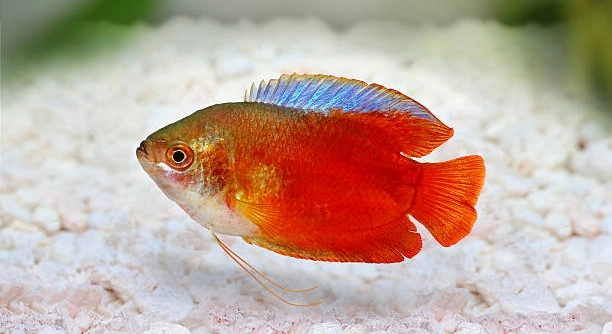
Gouramis are popular freshwater fish known for their vibrant colors and peaceful nature. Many aquarium owners enjoy watching their gouramis swim freely. However, sometimes these fish tend to stay hidden in a corner, which can be concerning for their caretakers.
A gourami remaining in a corner often indicates stress, illness, poor water conditions, or territorial behavior. Limited space, improper tank mates, or lack of hiding spots may also cause this behavior, affecting the fish’s comfort and well-being.
Understanding these reasons can help improve your gourami’s environment. This knowledge supports healthier fish and a more enjoyable aquarium experience overall.
Stress and Anxiety in Gouramis
Gouramis may stay in a corner due to stress or anxiety caused by changes in their environment. New tanks, sudden movements, loud noises, or aggressive tank mates can make them feel unsafe. Stress weakens their immune system and lowers activity levels. Providing a calm environment is essential. Adding plants and hiding spots can help reduce stress. Avoid tapping on the glass or sudden light changes. Regularly checking water temperature and quality also supports their well-being. It takes time for gouramis to adjust to new surroundings, so patience is necessary. When comfortable, they will explore more freely.
Stress can cause long-term health problems if not addressed quickly.
Ensuring stability in their tank environment helps gouramis feel secure. Keeping a consistent routine for feeding and cleaning fosters trust. Observing your gourami’s behavior daily allows early detection of issues. With a balanced, peaceful setup, gouramis will become more active and visible, avoiding corners.
Illness and Physical Health Issues
When gouramis hide in corners, illness might be the cause. Diseases such as bacterial infections, parasites, or swim bladder problems can affect their movement and energy. Sick fish often isolate themselves to recover. Early signs include lethargy, loss of appetite, and discoloration. Quarantining the affected fish and consulting a veterinarian or aquarium expert is important.
Proper treatment improves recovery chances.
Illness can quickly worsen if untreated. Maintaining clean water and a balanced diet strengthens their immune system. Stress reduction also aids healing. Observing for unusual behavior or physical changes helps in early diagnosis. Prompt action prevents the disease from spreading to other fish. Regular water testing and tank maintenance are key to preventing health problems. By keeping an eye on their health, you can ensure your gourami stays active and happy in the tank.
Tank Size and Space Limitations
A small tank can restrict a gourami’s movement and cause it to hide in a corner. Limited space increases stress and territorial behavior.
Gouramis need enough room to swim freely and establish territories. A cramped environment leads to discomfort and inactivity. Ideally, the tank should be at least 20 gallons for a single gourami, with extra space for companions. Overstocking causes poor water quality and aggression, which can push gouramis into hiding.
Increasing tank size or reducing the number of fish helps improve their activity and comfort. Adding plants and decorations creates natural hiding spots without overcrowding. Proper space supports healthier behavior and reduces stress, encouraging gouramis to explore rather than stay in one corner.
Tank Mates and Social Interaction
Incompatible tank mates can cause gouramis to retreat to corners for safety. Aggressive or overly active fish intimidate gouramis.
Peaceful companions like tetras or rasboras are better suited to live with gouramis. Avoid fin-nipping or territorial fish, which stress gouramis and limit their swimming space. Social interaction is important, but balance is necessary.
Introducing compatible fish gradually and observing their behavior can prevent conflicts. Sometimes gouramis prefer solitude and benefit from fewer tank mates. Adjusting tank companions based on your gourami’s response promotes a calmer, more secure environment. Ensuring harmony among fish reduces hiding and encourages natural swimming patterns.
Water Quality Issues
Poor water quality can make gouramis uncomfortable and cause them to hide. High ammonia or nitrite levels stress fish and harm their health.
Regular water changes and testing keep the environment safe. Proper filtration and avoiding overfeeding reduce waste buildup and maintain balanced water chemistry.
Lighting and Tank Environment
Bright or sudden lighting changes can frighten gouramis, prompting them to stay in shaded corners. Gentle, consistent lighting helps them feel secure.
Providing plants and soft decorations offers shelter and reduces light intensity. A natural setup improves their comfort and encourages exploration.
Lack of Hiding Spots
Gouramis need places to retreat for security. Without enough hiding spots, they may remain stuck in one corner, feeling exposed and vulnerable.
Adding plants, caves, or driftwood creates safe spaces. This encourages confidence and reduces stress, making gouramis more active and visible.
FAQ
Why does my gourami stay in the corner most of the time?
Gouramis stay in corners when they feel stressed, sick, or uncomfortable with their environment. It can be a sign of poor water quality, small tank size, aggressive tank mates, or insufficient hiding spots. They use corners to feel safer when something feels wrong.
How can I tell if my gourami is sick?
Signs of illness include lethargy, loss of appetite, faded colors, unusual swimming patterns, or spots on the body. If your gourami stays in one corner without eating or seems weak, it might be sick. Early treatment is important to prevent worsening.
What is the ideal tank size for a gourami?
A single gourami needs at least a 20-gallon tank to swim comfortably and establish territory. Larger tanks are better if you keep multiple fish, reducing stress and territorial aggression.
Can tank mates cause my gourami to hide?
Yes, aggressive or overly active fish can intimidate gouramis. Compatible, peaceful tank mates like tetras or rasboras help gouramis feel secure. Avoid fin-nippers or large territorial fish that cause stress.
How often should I change the water in my gourami tank?
Change about 20-30% of the water weekly to keep it clean and reduce harmful toxins. Regular water changes maintain good water quality, which keeps your gourami healthy and active.
Does lighting affect gourami behavior?
Yes, bright or sudden changes in lighting can frighten gouramis. Consistent, gentle lighting with shaded areas helps them feel safe and encourages natural behavior.
What kind of hiding spots do gouramis prefer?
Gouramis like plants, caves, or driftwood to hide behind. These spots provide security and reduce stress. Natural decorations also make the tank more comfortable and encourage exploration.
Can stress make a gourami sick?
Chronic stress weakens a gourami’s immune system, making it more vulnerable to disease. Reducing stress by improving tank conditions and avoiding aggressive tank mates helps maintain their health.
How can I reduce stress for my gourami?
Keep the tank clean, provide hiding spots, maintain stable water parameters, and choose peaceful tank mates. Avoid sudden movements and loud noises near the tank.
What should I feed my gourami?
Feed a varied diet including flakes, pellets, and occasional live or frozen foods like bloodworms or brine shrimp. A balanced diet supports health and activity.
Why does my gourami sometimes gasp at the surface?
Gouramis have a labyrinth organ allowing them to breathe air. Gasping at the surface is normal, but frequent gasping may indicate low oxygen or poor water quality. Check water parameters and improve aeration if needed.
Is it normal for gouramis to be shy?
Some gouramis are naturally shy and prefer hiding. Providing a calm, comfortable environment with plants helps them feel more secure and encourages them to come out.
Can overcrowding cause my gourami to hide?
Yes, too many fish in a tank increase stress and reduce swimming space. Overcrowding also worsens water quality, both of which can make gouramis retreat to corners.
How do I quarantine a sick gourami?
Set up a separate tank with clean water and stable conditions. Move the sick fish carefully and monitor it for recovery. Quarantine prevents disease spread and allows focused treatment.
What water temperature is best for gouramis?
Gouramis thrive in water between 75°F and 82°F (24°C to 28°C). Stable temperatures within this range reduce stress and promote healthy behavior.
How long does it take for a gourami to adjust to a new tank?
Adjustment varies but usually takes several days to a few weeks. During this time, gouramis may hide more as they get used to their surroundings. Patience and a stable environment help them settle.
Can changing the tank layout help a shy gourami?
Yes, rearranging plants and decorations can make the tank feel new and interesting. Adding more hiding spots or shaded areas encourages exploration and reduces hiding.
Are gouramis territorial?
Gouramis can be territorial, especially males. They may claim certain areas, causing them to stay in corners to defend their space. Providing enough room and hiding spots helps reduce conflicts.
What is swim bladder disease and can it cause hiding?
Swim bladder disease affects buoyancy, causing fish to float awkwardly or sink. Affected gouramis may stay in corners or near the bottom due to difficulty swimming. Treatment and proper diet often help recovery.
How often should I feed my gourami?
Feed small amounts 1-2 times daily. Overfeeding can pollute water and harm fish. Remove uneaten food to maintain water quality.
What should I do if my gourami does not improve?
If hiding and lethargy persist despite environmental improvements, consult a veterinarian or aquarium specialist. They can diagnose health issues and recommend treatments.
Final Thoughts
Gouramis staying in a corner is a common behavior that often signals discomfort or stress. This behavior usually means something in their environment needs attention. Factors like tank size, water quality, tank mates, lighting, and hiding places all play a role in how comfortable gouramis feel. By understanding these aspects, owners can create a more suitable habitat that encourages gouramis to swim freely and display natural behavior.
Maintaining good water quality is essential for gouramis’ health and comfort. Regular water testing and changes prevent harmful buildup of toxins that stress the fish. The tank size also matters; a spacious tank provides room to explore and reduces territorial disputes. Choosing peaceful tank mates and providing plenty of plants and hiding spots help gouramis feel safe. Proper lighting, neither too bright nor too sudden in changes, also supports their well-being. Addressing these conditions systematically improves their activity and reduces corner-hiding behavior.
Patience is important when helping gouramis adjust to their environment. Changes may take time to show results, as the fish need to get used to new conditions. Observing their behavior and making small adjustments as needed ensures they remain healthy and comfortable. By providing a stable and supportive environment, gouramis are more likely to become active and interactive, enhancing their overall quality of life. This approach benefits both the fish and the owner by creating a balanced and pleasant aquarium experience.

Hello,
If you enjoy the content that we create, please consider saying a "Thank You!" by leaving a tip.
Every little bit helps us continue crafting quality advice that supports the health, happiness, and well-being of pets around the world, for pets of all shapes, sizes, and species.
We really appreciate the kindness and support that you show us!