
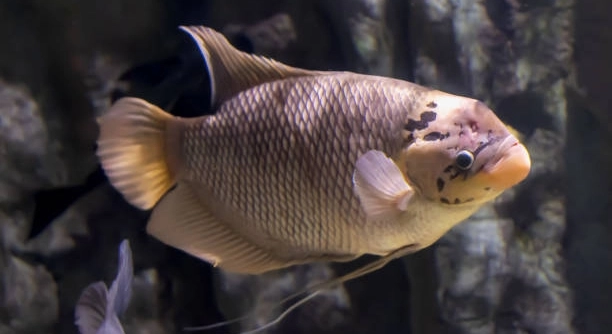
Have you noticed small white spots appearing on your gourami lately? These marks can be concerning for any fish owner. White spots may indicate stress, illness, or environmental problems affecting your pet’s health in subtle ways.
White spots on gouramis are most commonly caused by parasitic infections, poor water quality, or stress-related immune weakness. Prompt identification and treatment, including improving tank conditions and administering appropriate medications, are essential to prevent further health complications.
Understanding the causes and treatments of white spots will help you keep your gourami healthy and happy in its aquarium environment. Proper care ensures your fish thrives despite these common issues.
Poor Water Quality
Maintaining clean water is essential for gouramis, yet it’s easy to overlook. Dirty tanks lead to stress and weaken their immune systems, making them vulnerable to infections. Uneaten food, fish waste, and algae buildup can quickly change water chemistry. Ammonia, nitrite, and nitrate levels rise, creating a harmful environment. Temperature fluctuations or insufficient filtration can also harm your fish. Regular water changes, proper filtration, and testing water parameters are crucial. Even small mistakes in water maintenance can result in visible health issues like white spots. Many aquarists notice that their gourami’s behavior changes first, such as hiding or reduced appetite, before physical signs appear. Taking steps to stabilize water conditions prevents these issues. Simple adjustments like removing excess food, cleaning filters, and checking pH can make a significant difference. By addressing water quality proactively, you help your gourami recover faster and prevent recurring infections.
Poor water conditions directly stress gouramis and can lead to white spots forming on their scales.
Keeping your tank clean is more than aesthetics. Regular partial water changes, ideally twenty to thirty percent weekly, remove toxins before they accumulate. Testing for ammonia, nitrites, nitrates, and pH ensures a stable environment. Overfeeding is a common mistake that increases waste; feeding small portions prevents leftover food from rotting. Filters should be cleaned periodically but not replaced entirely at once, as this can disturb beneficial bacteria. Temperature control is also vital, as sudden drops or spikes weaken the immune system. Observing your gourami’s behavior, such as erratic swimming or lethargy, helps detect water-related stress early. Consistent maintenance combined with attentive observation significantly reduces the risk of infections. Ensuring proper water conditions not only clears existing white spots but also strengthens your gourami, making it more resilient to future health problems. Proper tank care provides a stable environment where your fish can thrive, look vibrant, and behave naturally.
Ich or Parasitic Infection
Ich, a common parasite, appears as tiny white dots on gouramis. These spots may spread quickly if untreated. Early detection is key to effective treatment.
Ich, caused by Ichthyophthirius multifiliis, attaches to the skin and gills, feeding on tissue and causing irritation. Infected gouramis often scratch against objects, show labored breathing, or become less active. High stress and poor water conditions make infection worse. Treatments include raising the water temperature gradually to speed the parasite’s life cycle and using over-the-counter medications designed for ich. Salt baths or medicated dips can help remove parasites from the skin. Quarantining affected fish prevents spreading to other tank mates. Recovery depends on consistent treatment and improving tank conditions simultaneously.
When dealing with ich, patience and consistency are crucial. Removing the parasite entirely can take weeks, but careful attention to water quality, temperature, and proper medication supports faster healing. Avoid overcrowding the tank, as stress contributes to vulnerability. Observing your gourami daily for improvements ensures treatment effectiveness. Supporting your fish’s immunity through clean water, balanced feeding, and reduced stress can prevent future outbreaks. By managing ich properly, your gourami can regain its natural coloration and activity levels, making the tank a healthier space for all its inhabitants.
Stress and Overcrowding
Stress weakens your gourami’s immune system, making it more prone to white spots. Overcrowded tanks or aggressive tank mates increase tension and reduce overall fish health.
Gouramis under constant stress may hide, refuse food, or swim erratically. Stress can result from too many fish in a small tank, incompatible species, or sudden changes in environment. Even minor fluctuations in temperature or lighting can trigger stress responses. A stressed fish is less able to fight off parasites, and infections like ich can appear faster. Observing your gourami’s behavior daily helps identify stress early. Reducing stress involves separating aggressive fish, limiting overcrowding, and maintaining consistent tank conditions, including stable water temperature and gentle filtration.
Maintaining proper space is essential. Each gourami should have enough room to swim freely, and decorations should offer hiding spots without overcrowding the tank. Avoid sudden changes in water parameters, such as rapid temperature shifts or pH swings. Consistent feeding schedules and calm tank maintenance routines reduce anxiety. Selecting compatible tank mates also prevents aggression-related stress. A stable, peaceful environment allows your gourami to stay healthy, recover from minor infections, and resist future white spot outbreaks more effectively.
Poor Diet and Nutrition
A lack of essential nutrients can weaken your gourami and make it prone to white spots.
Gouramis require a balanced diet with proteins, vitamins, and minerals. Feeding only flakes or pellets may not provide enough variety for optimal health. Occasional live or frozen foods like brine shrimp, bloodworms, and daphnia improve immune function. Vitamin supplements can also help prevent deficiencies that lead to weakened scales and skin, increasing susceptibility to parasites.
Poor nutrition impacts growth, coloration, and overall immunity. Fish with an unbalanced diet may develop pale or discolored spots and struggle to recover from infections. Regularly rotating foods and including high-quality protein sources ensures your gourami receives the necessary nutrients. Combining live foods with high-quality flakes or pellets promotes strong immune defenses, vibrant colors, and active behavior. A nutritious diet directly supports your gourami’s resistance to white spots, improves healing if infections occur, and enhances longevity. Proper feeding habits are a simple but powerful way to prevent health issues in your aquarium.
Sudden Temperature Changes
Sudden changes in water temperature stress gouramis and make them vulnerable to white spots. Even small drops or spikes can weaken their immune system, increasing the risk of infections.
Keeping the water temperature stable within the recommended range is essential. Using a reliable heater or thermometer prevents shocks and supports overall fish health.
Fungal Infections
Fungal infections can appear as white, cotton-like patches on gouramis. They often develop after an injury or when the immune system is compromised. Proper treatment includes antifungal medications and maintaining clean water. Removing infected fish from the main tank can prevent the spread of fungus.
Poor Tank Maintenance
Neglecting routine tank cleaning can quickly lead to white spots on gouramis. Uneaten food, debris, and dirty filters create harmful conditions that promote infections.
FAQ
What are the first signs of white spots on my gourami?
The earliest signs include small, white dots on the body or fins. Gouramis may also scratch against objects, swim unusually, or hide more than normal. Appetite loss and lethargy often appear alongside the spots, indicating stress or infection. Early detection helps treat the problem faster.
How can I treat ich at home?
Treatment involves raising the water temperature gradually to accelerate the parasite’s life cycle. Medications designed for ich can be added to the tank following the instructions. Salt baths or medicated dips may help remove parasites. Maintaining clean water and reducing stress improves recovery and prevents reinfection.
Can stress alone cause white spots?
Yes, stress weakens a gourami’s immune system, making it more susceptible to parasites like ich. Stress may result from overcrowding, aggressive tank mates, sudden temperature changes, or poor water conditions. Reducing stress is as important as treating the infection itself.
What role does diet play in preventing white spots?
A balanced diet strengthens the immune system, helping gouramis resist infections. Include high-quality flakes, pellets, and occasional live or frozen foods such as brine shrimp or bloodworms. Vitamin supplements can prevent deficiencies and support skin and scale health. Nutrient-rich diets improve healing and overall resilience.
How often should I clean my tank to prevent white spots?
Regular maintenance is essential. Partial water changes of 20–30% weekly help remove toxins. Clean filters periodically without disturbing beneficial bacteria. Remove uneaten food and debris daily. Keeping the tank environment stable reduces stress and lowers the chance of fungal, parasitic, or bacterial infections.
Is quarantine necessary for sick gouramis?
Quarantining infected fish is highly recommended. It prevents the spread of parasites or fungus to other tank mates. A separate quarantine tank allows targeted treatment, easier observation, and controlled water conditions. Monitor behavior and water parameters closely during recovery for faster healing.
Can white spots go away on their own?
White spots rarely disappear without intervention. Parasites like ich reproduce quickly and worsen if untreated. Improving water quality, addressing stress, and using appropriate medications are necessary. Prompt treatment prevents the infection from spreading and minimizes long-term damage to your gourami’s health.
How long does it take for a gourami to recover from white spots?
Recovery time depends on the cause and treatment. Parasite infections may take one to three weeks with consistent care. Fungal infections require medication and clean water, taking a similar amount of time. Maintaining stable water conditions, proper diet, and low stress speeds up recovery.
Are there any long-term effects from white spots?
If treated promptly, most gouramis recover fully with no lasting effects. Delayed treatment can result in scale damage, fin rot, or chronic stress. Ensuring proper care, diet, and tank conditions reduces the risk of recurring white spots and supports overall health.
Can I prevent white spots entirely?
While no method guarantees complete prevention, maintaining clean water, stable temperature, balanced nutrition, and a low-stress environment significantly reduces the risk. Regular observation and early intervention are key. Quarantining new fish before adding them to the tank also helps prevent outbreaks.
How can I tell if white spots are fungal or parasitic?
Fungal infections appear as cotton-like patches and usually grow slowly, often after injury. Parasites like ich present as small, white dots scattered across the body and fins and are accompanied by scratching or abnormal swimming. Correct identification ensures proper treatment.
What should I do if multiple fish have white spots?
Treat the entire tank or affected groups promptly. Raise the water temperature gradually and use medications suitable for the parasite or fungus. Remove debris, perform partial water changes, and observe all fish closely. Quarantining severely affected individuals may help prevent spreading and improve recovery chances.
Can white spots affect gourami behavior?
Yes, infected gouramis often become lethargic, hide frequently, or swim abnormally. Loss of appetite is common. These behavior changes indicate stress or illness, signaling the need for treatment and careful monitoring of water quality.
Are certain gourami species more prone to white spots?
All gouramis can develop white spots if conditions are poor or if they are stressed. However, species with longer fins or thinner scales may show symptoms faster. Maintaining optimal tank conditions benefits all gouramis equally and reduces susceptibility.
How do I avoid recurrence of white spots?
Consistent water maintenance, proper feeding, stress reduction, and careful introduction of new fish are essential. Monitor tank conditions regularly and address minor issues immediately. A healthy, stable environment strengthens your gourami’s immune system and prevents future infections.
This FAQ provides detailed guidance to help manage and prevent white spots, ensuring your gourami remains healthy and active in its tank.
Taking care of gouramis can be simple when you focus on the basics, but white spots are a clear sign that something is off. These spots usually appear because of stress, parasites, poor water quality, or nutrition issues. Observing your gourami daily helps you notice changes in behavior or appearance before problems get serious. Small signs like hiding more often, reduced appetite, or unusual swimming can be early indicators of health issues. By keeping an eye on these details, you can respond quickly and prevent more severe infections. Consistency is key, and even minor adjustments to water quality, diet, or tank setup can make a big difference in your gourami’s health.
Maintaining a clean tank and stable environment is the most effective way to reduce the risk of white spots. Regular water changes, proper filtration, and careful monitoring of temperature and pH keep your fish comfortable and healthy. Overcrowding and aggressive tank mates can cause stress, which lowers the immune system and allows parasites to take hold. Providing enough space, hiding spots, and a calm environment reduces tension and promotes natural behavior. A balanced diet is equally important. High-quality flakes, pellets, and occasional live or frozen foods provide the nutrients your gourami needs to resist infections and recover more quickly if problems arise. Attention to these everyday details strengthens your fish and keeps your tank healthier overall.
Treating white spots effectively requires patience and careful action. Parasites like ich can take a few weeks to eliminate completely, so following proper treatment protocols is essential. Medications, temperature adjustments, and quarantine measures work best when applied consistently, alongside maintaining clean water and reducing stress. Even fungal infections require careful observation and antifungal treatments to heal properly. Prevention is always better than cure, so maintaining a balanced diet, clean water, and a stress-free environment will reduce the chances of future outbreaks. Over time, consistent care builds strong, healthy gouramis that are more resilient and vibrant. By staying attentive and making thoughtful adjustments, you can ensure your fish thrives and enjoys a long, healthy life in your aquarium.

Hello,
If you enjoy the content that we create, please consider saying a "Thank You!" by leaving a tip.
Every little bit helps us continue crafting quality advice that supports the health, happiness, and well-being of pets around the world, for pets of all shapes, sizes, and species.
We really appreciate the kindness and support that you show us!