
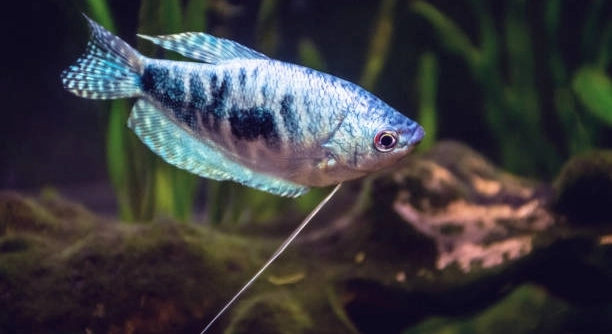
Are your gouramis often keeping to themselves in the aquarium while other fish swim freely? Many fish owners notice that these colorful creatures seem to prefer solitude. Observing their behavior can help you understand their unique habits.
Gouramis may avoid other fish due to territorial instincts, stress from overcrowding, or incompatible tank mates. Environmental factors such as water quality, hiding spaces, and dietary needs also influence their social behavior and overall willingness to interact.
Understanding these reasons can help you create a more comfortable environment for your gourami. Small adjustments often make a significant difference in their behavior.
Territorial Instincts
Gouramis are naturally territorial fish, especially males. They often claim certain areas of the tank as their own and may become stressed or defensive when other fish approach. This behavior is more noticeable in smaller tanks where space is limited, making it harder for fish to coexist peacefully. Providing enough hiding spots and clearly defined spaces can reduce tension. Observing their patterns will show you which areas they favor and how they react to intruders. Over time, you may notice that they patrol the same sections of the tank repeatedly, signaling ownership. Territorial behavior is a normal part of their biology and should be considered when planning tank arrangements. Adjusting plant placement or decorations can help them feel more secure. Being aware of these instincts allows you to manage interactions between fish effectively and maintain a calmer environment overall.
When gouramis have enough space, they tend to be calmer and more willing to coexist with other tank mates.
Creating boundaries with plants, rocks, and other structures helps them feel secure and reduces aggressive displays.
Stress from Overcrowding
Overcrowding can make gouramis anxious and withdrawn. When there are too many fish in the tank, they may hide or avoid interaction entirely. Stress from limited space can affect their health and appetite, leading to weaker immune systems and slower growth. Gouramis need room to swim freely and establish personal areas without constant intrusion. Tank size and population should be carefully considered, keeping in mind that each gourami requires space proportional to its size. Monitoring water conditions is also essential, as overcrowding can lead to poor water quality, which further stresses fish. Small adjustments, like reducing the number of tank mates or adding plants for separation, can make a noticeable difference. Watching how your gourami responds to these changes helps you understand their comfort levels and social tolerance.
Proper tank size and thoughtful stocking are essential to reduce stress and maintain healthy social behavior.
By ensuring each fish has its own space, providing visual barriers, and controlling population density, you can create a more balanced and peaceful aquarium environment.
Incompatible Tank Mates
Some fish simply do not get along with gouramis. Aggressive or overly active species can intimidate them, causing withdrawal. Slow-moving or timid gouramis may retreat to corners or hiding spots to avoid conflict. Choosing compatible tank mates is crucial for a peaceful aquarium.
Gouramis tend to avoid fish that chase, nip fins, or dominate feeding areas. Even species that seem calm can stress a gourami if they compete for territory or resources. Observing behavior before adding new fish helps prevent ongoing tension. Adjustments like rearranging decorations or separating aggressive individuals can reduce stress and encourage healthier interactions.
Compatibility also includes size considerations. Smaller fish may be seen as prey, while much larger fish can be intimidating. Matching temperaments and swimming habits ensures that gouramis feel safe and confident in their environment, improving both their behavior and overall health.
Water Quality and Conditions
Poor water quality can make gouramis retreat and hide. High ammonia, nitrite, or nitrate levels are stressful and potentially harmful. Regular water checks and maintenance are necessary to keep conditions stable and suitable for their health.
Gouramis are sensitive to sudden changes in temperature, pH, or hardness. Maintaining consistent water parameters reduces stress and encourages natural activity. Filtration and gentle water flow also play a role, as strong currents can overwhelm these fish. Observing signs of discomfort, like clamped fins or rapid breathing, indicates adjustments are needed.
Adding live plants and creating shaded areas can help gouramis feel secure in fluctuating conditions. Small, gradual changes in water parameters prevent shock and allow them to adapt comfortably. Consistent monitoring, proper filtration, and gradual maintenance routines create a healthier, calmer aquarium for all inhabitants.
Lack of Hiding Spaces
Gouramis feel exposed without sufficient hiding spots. Open areas make them anxious, leading to isolation. Plants, rocks, and decorations provide shelter and help them feel secure.
Adding caves or dense foliage allows gouramis to retreat when stressed. Hiding spaces reduce tension and encourage more confident movement in the tank.
Dietary Competition
Gouramis may avoid other fish during feeding times if they feel threatened. Aggressive feeders can dominate the food, leaving gouramis hesitant to eat. Ensuring they receive enough nutrition is essential for their health and energy levels.
Illness or Weakness
When gouramis are sick or weakened, they often isolate themselves. Avoiding other fish helps conserve energy and reduces exposure to potential threats, supporting recovery and minimizing stress.
Breeding Behavior
During breeding, gouramis may become territorial and avoid others. Males, in particular, focus on protecting nests, leading to temporary isolation from the rest of the tank.
FAQ
Why does my gourami hide all the time?
Gouramis hide frequently when they feel stressed, unsafe, or unwell. Lack of hiding spaces, aggressive tank mates, or sudden changes in water conditions can trigger this behavior. Providing plants, caves, and calm companions helps them feel secure and encourages more visible activity in the tank.
Can overcrowding cause my gourami to avoid other fish?
Yes, overcrowding is a common reason for withdrawal. When the tank is too small or densely stocked, gouramis may feel threatened and retreat. Giving them more space, rearranging decorations, or reducing the number of tank mates can ease stress and promote social interaction.
How do I know if my gourami is stressed?
Signs of stress include clamped fins, rapid breathing, hiding, loss of appetite, or unusual swimming patterns. Monitoring behavior daily allows you to spot early signs and make adjustments in tank conditions, diet, or social environment to reduce stress.
Are certain fish incompatible with gouramis?
Some species are naturally aggressive or overly active, making them poor companions for gouramis. Fast or territorial fish can intimidate or chase them. Choosing calm, similarly sized, and peaceful species ensures a balanced tank and reduces conflict.
Does water quality affect social behavior?
Absolutely. Poor water quality, sudden pH shifts, or temperature changes can make gouramis hide or become inactive. Regular testing, proper filtration, and gentle water flow create a stable environment that supports natural behavior and overall health.
Do gouramis need hiding spaces even in large tanks?
Yes, even in spacious tanks, gouramis benefit from shelters. Plants, rocks, and caves give them security and reduce stress. Hiding spaces also allow them to rest, recover if unwell, and feel confident exploring the tank at their own pace.
Can diet affect their willingness to interact?
If gouramis struggle to get enough food due to aggressive feeders, they may become withdrawn. Ensuring they receive proper nutrition and feeding them in areas where they feel safe helps maintain energy and reduces anxiety.
Do gouramis avoid other fish when sick?
Yes, sickness often triggers isolation. Gouramis naturally conserve energy and reduce exposure to threats when unwell. Observing signs like faded colors, slow swimming, or loss of appetite can indicate illness, prompting timely care and treatment.
Why do male gouramis isolate during breeding?
Males become territorial to protect nests and eggs. During this period, they may chase away or ignore other fish. Providing a separate breeding area or additional hiding spots helps minimize stress for both the breeding pair and tank mates.
Can environmental enrichment improve social behavior?
Adding plants, decorations, and gentle water flow creates a stimulating environment. This reduces boredom and stress, encouraging gouramis to explore and interact more confidently with other fish while maintaining personal space.
How can I help a shy gourami become more social?
Patience and small adjustments are key. Gradually rearranging the tank, providing hiding spaces, monitoring tank mates, and maintaining stable water conditions help shy gouramis gain confidence and become more active over time.
Is it normal for gouramis to spend most of their time alone?
Yes, some gouramis are naturally solitary or cautious, especially when new to a tank or recovering from stress. Observing their patterns and ensuring a comfortable environment allows them to thrive at their own pace.
Can tank layout influence interactions?
Tank layout plays a big role. Dense planting, vertical structures, and open swimming zones allow gouramis to claim territories, avoid aggression, and move freely. Thoughtful arrangement encourages natural behavior and reduces conflict among tank mates.
Do gouramis need visual barriers to feel secure?
Visual barriers like plants or rocks break up sightlines, reducing perceived threats. Gouramis feel safer and are less likely to hide constantly. These barriers also help in managing territorial disputes and give shy individuals private spaces.
How often should I check water parameters?
Regular monitoring is essential. Checking temperature, pH, ammonia, nitrite, and nitrate weekly helps prevent stress and health issues. Consistent water quality ensures gouramis remain active, confident, and willing to interact with other fish.
Can stress from other fish be permanent?
Chronic stress can affect behavior, immunity, and growth. Identifying and addressing sources of stress, such as aggressive tank mates or poor conditions, helps gouramis regain confidence and reduces long-term negative effects.
Do gouramis respond to tank rearrangements?
Yes, they may explore cautiously or hide temporarily after changes. Gradual adjustments and adding familiar hiding spots help them adapt while maintaining comfort and social interaction with other fish.
Are some gourami species more solitary than others?
Yes, some species are naturally more independent, while others are more social. Understanding species-specific behavior helps in tank planning and ensures compatible companions, creating a balanced and calm aquarium environment.
How can I reduce stress during feeding?
Feed in calm areas and avoid overcrowding. Using feeding rings or separate zones allows gouramis to eat without competition. Consistent schedules and proper portions also reduce anxiety and support healthier behavior.
Is it normal for gouramis to ignore other fish completely?
Yes, occasional avoidance is normal, especially if they feel threatened or tired. Ensuring a safe, well-structured tank with compatible companions supports healthier interactions over time.
Can lighting affect their behavior?
Bright or harsh lighting can make gouramis nervous. Providing shaded areas or adjustable lighting helps them feel secure, reducing hiding and encouraging normal swimming and social behavior.
Do gouramis form bonds with certain fish?
While not like mammals, gouramis may show comfort around specific tank mates. Stable companions, compatible temperaments, and shared territory can lead to more relaxed interactions and reduced stress.
Should I separate gouramis if they are constantly hiding?
Temporary separation can help if stress is high. Isolating aggressive or overly shy individuals allows them to recover. Reintroducing them gradually into a calm, structured tank encourages healthier social behavior without permanent isolation.
Can frequent water changes improve behavior?
Yes, regular water changes reduce toxins and maintain stable conditions. Cleaner water supports energy, appetite, and social interactions, allowing gouramis to feel secure and active in the tank.
What role does tank size play in social behavior?
Larger tanks reduce competition and provide space for territories. Adequate room allows gouramis to swim freely, claim preferred areas, and interact with other fish on their own terms. Proper tank size is essential for balanced, confident behavior.
Are gouramis naturally shy?
Many gouramis are cautious by nature. Shyness may decrease over time with consistent care, proper environment, and compatible tank mates. Understanding their personality helps manage expectations and create a comfortable habitat.
How can I encourage exploration without stress?
Provide gentle currents, hiding spots, and gradual introduction of new decorations. This encourages curiosity while allowing gouramis to retreat when needed, supporting confidence and normal social behavior.
Can temperature fluctuations cause isolation?
Yes, sudden changes in temperature can make gouramis lethargic and withdrawn. Stable temperatures within their preferred range reduce stress and promote active swimming and interaction with other tank mates.
Do gouramis recognize individual tank mates?
They can distinguish familiar companions over time. Consistent tank mates with predictable behavior reduce stress, encourage positive interactions, and help gouramis feel more secure within their environment.
Is it normal for gouramis to hide at the top of the tank?
Yes, seeking higher areas can indicate stress or a need for safety. Floating plants or shaded areas at the top provide security while allowing them to observe the tank calmly.
Can illness affect social behavior permanently?
If treated early, recovery is likely. Chronic or untreated illness may lead to long-term caution or hiding. Prompt attention ensures gouramis regain normal behavior and maintain confidence around other fish.
Does breeding affect their social habits long-term?
Breeding periods cause temporary isolation, mainly for males protecting nests. Afterward, most gouramis return to regular social patterns once the eggs or fry are safe, resuming interaction with tank mates naturally.
How important is routine for gouramis?
Routine helps reduce stress. Consistent feeding times, water checks, and minimal sudden changes create a predictable environment, allowing gouramis to feel secure and maintain natural behavior around other fish.
Can I improve interaction by adding more plants?
Yes, dense planting provides hiding spots, breaks up sightlines, and reduces perceived threats. Gouramis feel safer, become more confident, and interact more naturally with other fish when their environment includes sufficient cover.
How do I handle aggressive tank mates?
Separate aggressive individuals or create barriers. Rearranging tank layout and providing hiding spaces can reduce conflict. Gradual reintroduction in a controlled environment helps gouramis regain confidence and minimizes stress from dominant fish.
Is it normal for gouramis to swim alone even in a large tank?
Yes, some gouramis are naturally solitary. Large tanks provide space for both solo swimming and social interaction. Ensuring comfort and safety allows them to choose when and how to engage with other fish.
Can water hardness affect behavior?
Yes, unsuitable hardness levels can stress gouramis, causing withdrawal. Maintaining parameters within species-specific ranges supports natural swimming patterns, feeding, and interaction with other fish.
Does seasonal change affect gourami behavior?
Gradual temperature or daylight changes can influence activity and social patterns. Maintaining stable conditions and providing consistent care helps reduce stress during seasonal shifts.
Can introducing new fish cause long-term hiding?
Initial hiding is normal. Gouramis may take time to assess new tank mates. Ensuring enough space and hiding spots allows them to adapt without permanent withdrawal.
Are gouramis more active at certain times of day?
Yes, many gouramis are more active during morning or early evening. Adjusting feeding times and observing activity cycles helps ensure they remain comfortable and engaged.
Does overfeeding affect their interaction?
Overfeeding can create competition and stress. Providing appropriate portions reduces disputes, keeps the tank cleaner, and encourages natural behavior among gouramis and other fish.
Can water flow influence social behavior?
Strong currents may overwhelm gouramis, causing withdrawal. Gentle, consistent flow allows them to swim naturally and interact safely without stress.
How can I tell if a gourami is comfortable?
Signs of comfort include active swimming, exploring, feeding confidently, and occasional interaction with other fish. Relaxed fins and natural coloration also indicate well-being.
Do gouramis react to reflections or glass walls?
Yes, reflections can be misinterpreted as rivals. Providing plants and decorations to break up reflective surfaces helps reduce stress and encourages normal social behavior.
Can stress affect color in gouramis?
Yes, stressed gouramis often appear paler or dull. Stable conditions, compatible tank mates, and sufficient hiding spots help them regain vibrant coloration and confidence.
Is isolation always negative for gouramis?
Not always. Temporary solitude can reduce stress, allow recovery, or accommodate breeding behavior. Ensuring the environment is safe and enriched allows them to return to normal interaction naturally.
Can tank size changes affect social behavior?
Yes, moving to a smaller tank may trigger hiding, while larger tanks with proper layout can improve comfort, encourage exploration, and facilitate positive interactions with other fish.
Do gouramis need companions to thrive?
Not necessarily. Many gouramis are independent, but compatible tank mates and environmental enrichment improve mental stimulation, reduce boredom, and encourage natural social behavior.
How long does it take for gouramis to adjust to new conditions?
Adjustment depends on stress level, tank size, and species temperament. Gradual changes, hiding spaces, and stable water parameters help them adapt within days to weeks.
Can lighting and temperature be adjusted together safely?
Yes, gradual adjustment prevents shock. Providing shaded areas during temperature or lighting changes allows gouramis to acclimate while maintaining comfort and normal behavior.
Do gouramis react to human presence?
Many become curious or cautious. Regular, gentle interaction can help them feel secure, but sudden movements or tapping on the glass may cause stress and withdrawal.
Is it normal for gouramis to have favorite areas in the tank?
Yes, they often claim preferred zones for feeding, resting, or hiding. Observing these patterns helps in tank arrangement and maintaining comfortable spaces for all fish.
Can tank decorations influence social behavior?
Yes, thoughtful placement of plants, rocks, and caves reduces stress, encourages exploration, and helps gouramis manage territory and interactions effectively.
Do gouramis communicate through color or behavior?
Yes, changes in coloration, fin displays, and swimming patterns convey stress, dominance, or mating readiness. Understanding these cues helps manage social dynamics in the tank.
Can seasonal breeding affect interactions?
Yes, breeding periods often increase territorial behavior. Males may isolate themselves to protect nests, and females may retreat temporarily, affecting normal social patterns until eggs hatch.
Are there signs that a gourami is adjusting well?
Active swimming, regular feeding, bright coloration, and occasional interaction indicate successful adaptation. These behaviors suggest they feel secure and confident in the tank environment.
Does introducing hiding spots change their routine?
Yes, additional shelters encourage exploration and reduce constant hiding. Gouramis use these spaces to manage stress and maintain natural swimming patterns with minimal conflict.
How often should I rearrange the tank to support behavior?
Occasional, gradual rearrangements keep the environment stimulating without causing stress. Too frequent changes may confuse or frighten gouramis, leading to withdrawal.
Can multiple stress factors combine to worsen isolation?
Yes, overcrowding, poor water quality, incompatible fish, and lack of hiding spaces together increase stress. Addressing each factor individually promotes healthier behavior and reduces withdrawal.
Do gouramis prefer certain plants or decorations?
Dense foliage, floating plants, and caves are often preferred. These features provide cover, territorial boundaries, and comfort, encouraging confident swimming and natural interaction with other fish.
Is it normal for gouramis to avoid feeding areas sometimes?
Yes, they may retreat if intimidated by other fish. Feeding in multiple zones or providing separate portions reduces competition and encourages confident eating.
How can I tell if a gourami is lonely?
Loneliness is harder to identify than stress. Observing reduced activity, lack of interaction with compatible companions, or increased hiding may indicate the need for environmental enrichment or compatible tank mates.
Do gouramis respond differently to male and female companions?
Yes, males can be more territorial, especially during breeding. Females tend to be less aggressive, and understanding these dynamics helps manage tank harmony.
Can tank size affect breeding behavior?
Yes, larger tanks provide more territory for males to claim and reduce conflict, while smaller tanks may increase stress and limit natural breeding activities.
Are gouramis more active in planted tanks?
Yes, plants provide security and encourage exploration. Well-planted tanks reduce stress, help establish territories, and promote natural swimming patterns and social behavior.
Can adding a mirror help a shy gourami?
Temporary mirrors may stimulate activity, but long-term use can increase stress by causing aggression toward reflections. Careful observation is needed to prevent negative effects.
Do gouramis interact differently with new versus established tank mates?
Yes, initial caution is normal. Gradual introductions and plenty of hiding spots allow gouramis to assess newcomers and eventually engage in safe, natural interactions.
Can stress cause changes in appetite?
Yes, stressed gouramis may eat less or refuse food entirely. Stable conditions, calm tank mates, and proper feeding routines help restore appetite and normal behavior.
Do gouramis ever show curiosity toward other fish?
Yes, when comfortable, they may approach or observe other fish cautiously. This behavior indicates confidence and adaptation to their environment.
Can water temperature extremes make them hide more?
Yes, temperatures outside their preferred range cause lethargy and withdrawal. Maintaining stable, suitable water conditions encourages active swimming and interaction.
Is hiding behavior a sign of fear or comfort?
It can indicate both. Hiding is a natural coping mechanism for stress, illness, or security. Understanding context and observing other behaviors helps determine the reason behind hiding.
Do gouramis prefer certain tank zones?
Yes, they often favor areas with cover or calm water. These zones provide comfort, allow them to manage territory, and support healthy interaction with other fish.
Can poor lighting make them avoid other fish?
Yes, harsh or bright lighting increases stress and hiding. Adjustable or softer lighting creates a calmer environment and encourages confident behavior.
Are gouramis affected by tankmates’ size?
Yes, much larger or smaller fish can intimidate or be seen as prey. Matching sizes promotes safety and encourages positive interaction.
Can seasonal changes trigger isolation?
Yes, gradual changes in daylight or temperature can affect activity and social patterns. Stable conditions minimize stress and maintain normal behavior.
Do gouramis have individual personalities?
Yes, some are naturally bold while others are shy. Understanding individual temperaments helps tailor tank conditions, ensuring comfort and reducing hiding behavior.
Can stress from one factor amplify others?
Yes, multiple stressors like poor water quality, aggressive tank mates, and insufficient hiding spaces can combine, leading to prolonged isolation or anxiety.
Do gouramis respond to human interaction?
Many show curiosity or cautious behavior. Gentle, consistent interaction can help them feel secure, while sudden movements or tapping may increase stress.
How can I monitor long-term social behavior?
Keep notes on activity, feeding, hiding, and interactions. Observing trends over time helps identify stress, compatibility issues, or environmental improvements needed for a healthy tank.
Are gouramis more active in groups or alone?
Activity varies by species and personality. Some prefer solitude, while others benefit from compatible companions. Providing options allows them to choose comfort and social engagement naturally.
Can water chemistry affect social hierarchy?
Yes, unstable pH, hardness, or temperature can increase aggression or withdrawal. Maintaining proper water parameters supports balanced behavior and peaceful interactions.
Do gouramis hide more at night?
Many reduce activity at night. Hiding or resting in secure spots is natural. Providing safe zones ensures they sleep comfortably without stress.
Can changing the tank layout improve social behavior?
Yes, rearranging plants and decorations can create new territories, reduce aggression, and encourage exploration, improving confidence and interaction among gouramis and other fish.
Is it normal for gouramis to chase others occasionally?
Yes, especially during territorial disputes or breeding. Temporary chasing is normal but should not be constant or severe. Monitoring behavior ensures conflicts remain manageable.
Can tank lighting schedules affect mood and social activity?
Yes, consistent light cycles help regulate activity, feeding, and social patterns. Sudden changes can increase stress and hiding. Gradual adjustments support natural behavior.
Do gouramis recognize feeding times?
Yes, they quickly learn schedules and may become more active before feeding. Predictable routines reduce stress and encourage participation in social feeding without fear.
Can frequent observation cause stress?
Yes, constant tapping or sudden movements at the glass can frighten gouramis. Gentle observation and minimal disturbance help them feel safe while monitoring behavior.
Do gouramis show dominance without aggression?
Yes,
Gouramis are unique fish with personalities that can vary greatly from one individual to another. Understanding their behavior helps in creating a calm and comfortable tank environment. Many gouramis naturally prefer solitude or only limited interaction with other fish, which is often influenced by their instincts, health, and environment. Observing their daily patterns can reveal a lot about their comfort levels and social tolerance. Some may hide more often or swim alone, while others may explore and interact more freely. Recognizing these differences allows you to tailor the tank setup, feeding routine, and companionship to suit their needs, creating a healthier and more balanced aquarium.
Environmental factors play a major role in how gouramis behave. Water quality, temperature, pH levels, and overall tank conditions directly affect their willingness to interact with other fish. Poor water quality or sudden changes can cause stress, which often leads to hiding or isolation. Similarly, overcrowding and incompatible tank mates may increase anxiety and limit social behavior. Providing plenty of hiding spaces, arranging plants and decorations thoughtfully, and selecting compatible companions helps gouramis feel safe. Maintaining a stable environment not only reduces stress but also promotes normal activity, natural swimming patterns, and confident exploration. Gradual adjustments in tank conditions, careful monitoring, and attention to their behavior contribute to a more peaceful and secure habitat.
Health and diet are equally important for encouraging natural behavior. A well-fed gourami with proper nutrition is more likely to be active and engage with its surroundings. Illness or weakness often results in withdrawal and isolation, as fish conserve energy and avoid potential threats. Regular observation, proper feeding, and timely care for any signs of illness are essential to maintaining their well-being. Seasonal behaviors, such as breeding, may also influence social interactions, but these changes are usually temporary. Understanding these patterns helps in managing expectations and creating a supportive environment. By paying attention to their individual needs, environmental conditions, and health, you can ensure your gouramis remain comfortable, confident, and able to thrive in your aquarium.

Hello,
If you enjoy the content that we create, please consider saying a "Thank You!" by leaving a tip.
Every little bit helps us continue crafting quality advice that supports the health, happiness, and well-being of pets around the world, for pets of all shapes, sizes, and species.
We really appreciate the kindness and support that you show us!