
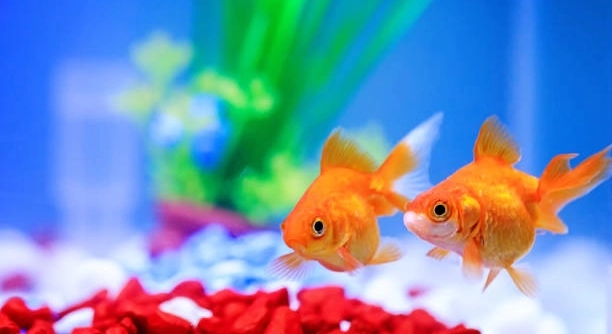
Goldfish are known for their vibrant colors and graceful swimming, but sometimes their fins may appear tattered. This issue is more common than you might think and can be caused by various factors affecting their health.
Tattered fins in goldfish are typically a result of poor water quality, physical injury, or stress. External factors such as tank mates, improper filtration, or even bacterial infections can also contribute to the condition, affecting their overall well-being.
Addressing these issues will help restore your goldfish’s health and ensure their fins are no longer damaged.
Poor Water Quality
Water quality plays a significant role in your goldfish’s overall health. If the water is too dirty or improperly balanced, it can cause stress and lead to fin damage. High ammonia levels, poor filtration, or infrequent water changes can harm your goldfish’s fins. Goldfish produce a lot of waste, which can quickly degrade water quality if not regularly monitored. You might notice your goldfish hiding, swimming erratically, or showing signs of damaged fins. Keeping the water clean by performing regular water changes and maintaining proper filtration can prevent such issues.
Regular water changes and testing water parameters such as pH, ammonia, and nitrate levels are crucial in keeping your goldfish healthy. It’s important to clean your tank, check filters, and use water conditioners to neutralize harmful chemicals. Keeping the water temperature stable also helps reduce stress, which is essential for your goldfish’s overall well-being.
Providing the right water conditions will allow your goldfish to thrive. Regular maintenance and proper filtration are necessary to ensure the water stays clean and healthy, minimizing the risk of fin damage.
Tank Mates
The wrong tank mates can cause stress and even physical injury to your goldfish. Aggressive species may nip at their fins or chase them, leading to damage. It’s crucial to choose peaceful fish that won’t provoke or harm your goldfish. Some species are naturally more aggressive, and combining them with goldfish can cause unnecessary stress, which may result in fin deterioration.
Before introducing new fish, research their temperament and compatibility with goldfish. Some common tank mates, such as bettas, can easily cause harm due to their territorial behavior. Properly observing how your goldfish interact with others is key to preventing damage. Consider keeping goldfish with other calm, non-aggressive species to maintain a peaceful environment.
Physical Injury
Physical injury can lead to tattered fins, especially if your goldfish has sharp objects or rough surfaces in the tank. Even playful interactions with other tank mates can result in fin damage. It’s essential to ensure that the tank setup is smooth and free of any potential hazards that could cause injury.
Check decorations and other tank accessories for sharp edges or rough spots. Goldfish are naturally curious and may rub against these surfaces, causing cuts or tears in their fins. If you have live plants, make sure they are soft and not prone to causing harm. Create a safe environment for your goldfish by regularly inspecting their surroundings and removing anything that could pose a threat.
Goldfish are prone to fin injuries, especially in environments where they can easily come into contact with sharp edges. By monitoring the tank setup closely and making necessary adjustments, you can minimize the risk of physical injury and support your goldfish’s health.
Stress
Stress is another major factor that can cause fin damage in goldfish. Stress can occur from various sources such as sudden changes in the tank, overcrowding, or temperature fluctuations. A stressed goldfish may exhibit unusual swimming patterns or appear to hide more often. This constant stress can weaken their immune system, making them more susceptible to injury.
Minimizing stress is crucial for goldfish health. Maintain a consistent routine when feeding and cleaning the tank, and avoid sudden changes in water temperature or tank placement. Overcrowding can also lead to increased stress, so ensure the tank provides enough space for each goldfish. A calm, stable environment allows your goldfish to feel secure and prevents unnecessary stress.
By addressing factors that cause stress, you can reduce the risk of fin damage and promote a healthy, happy environment for your goldfish.
Bacterial Infections
Bacterial infections can cause severe damage to your goldfish’s fins. These infections often result from poor water conditions, stress, or physical injury. A common symptom of bacterial infection is reddening or swelling along the fins, along with the peeling or fraying of fin tissue.
To treat bacterial infections, you can use antibiotics specifically designed for aquarium fish. Ensure the water is clean and free from toxins, as this will help the goldfish recover faster. If the infection is severe, isolating the affected goldfish in a separate tank may help prevent the spread of bacteria to other fish.
Good water hygiene and regular monitoring of your goldfish’s health are essential in preventing bacterial infections. Make sure to address any signs of infection immediately to avoid further damage to their fins.
Poor Diet
A poor diet can weaken your goldfish’s immune system, making them more susceptible to fin damage. Feeding them low-quality food or not providing a varied diet can lead to malnutrition, which affects their overall health. A balanced diet ensures they get the nutrients they need to stay healthy and maintain strong fins.
Goldfish require a mix of protein, vegetables, and specialized pellets to maintain their health. Foods rich in vitamins and minerals help to boost their immune system and prevent issues like fin rot. Overfeeding should also be avoided, as it can lead to poor water quality and stress.
By ensuring your goldfish receive a proper, balanced diet, you can significantly reduce the risk of fin damage and support their overall well-being.
Water Temperature
Water temperature plays a crucial role in your goldfish’s health. If the water is too warm or cold, it can stress your goldfish and cause fin damage. Goldfish thrive in cooler temperatures, typically between 65°F and 75°F. Any drastic change in temperature can lead to a weakened immune system, making them more prone to diseases.
Maintaining a stable water temperature is vital to keeping your goldfish happy and healthy. Use an aquarium heater if necessary to regulate the temperature, and avoid placing your tank in areas with fluctuating conditions, such as near windows or air conditioning units.
FAQ
Why are my goldfish’s fins looking tattered?
Tattered fins are usually caused by poor water quality, stress, injury, or infections. It could also be a sign of overcrowding or incompatible tank mates. If your goldfish is experiencing frequent fin damage, it’s important to check water parameters and address any potential sources of stress or harm.
How can I prevent my goldfish’s fins from getting tattered?
Regular water changes, maintaining stable water conditions, and providing proper tank setup are key to preventing fin damage. Avoid sharp objects in the tank and ensure your goldfish are housed with peaceful tank mates. Keep an eye on water quality and temperature to reduce stress.
Can I treat a bacterial infection in my goldfish’s fins?
Yes, bacterial infections can be treated with antibiotics made for aquarium fish. You can also isolate the infected goldfish in a separate tank to prevent the spread of the infection. Make sure to clean the tank thoroughly and maintain good water quality to aid recovery.
What causes stress in goldfish that leads to tattered fins?
Goldfish experience stress from various factors, including sudden changes in water temperature, overcrowding, or aggressive tank mates. Stress weakens their immune system, making them more susceptible to diseases and physical damage, including fin deterioration. Maintaining a stable, peaceful environment helps reduce stress.
How often should I change my goldfish tank water?
For optimal health, change 25-50% of the water in your goldfish tank every 1-2 weeks. Regular water changes prevent the buildup of harmful chemicals and toxins, ensuring your goldfish live in clean, healthy conditions. More frequent changes may be necessary if the tank is overcrowded.
What kind of food should I feed my goldfish to prevent fin damage?
A balanced diet is essential for maintaining healthy fins. Goldfish should be fed high-quality pellets or flakes, supplemented with vegetables like spinach or peas. Occasionally offering protein-rich foods like brine shrimp can also support their immune system. Avoid overfeeding, as it can cause water quality issues.
Are goldfish sensitive to temperature changes?
Yes, goldfish are sensitive to temperature fluctuations. They thrive in cooler water, ideally between 65°F and 75°F. A sudden change in temperature can stress your goldfish, weaken their immune system, and lead to fin damage. Use a heater to regulate the water temperature and avoid placing the tank near drafts or direct sunlight.
Can overcrowding affect my goldfish’s fins?
Overcrowding can cause stress, leading to weakened immune systems and increased risk of injury. Goldfish need space to swim and establish territory. A general rule is to provide at least 20 gallons of water per goldfish. Too many fish in a tank can lead to constant stress and damage to fins.
Should I use a filter in my goldfish tank?
Yes, a good filter is essential for maintaining water quality in a goldfish tank. Goldfish produce a lot of waste, and a filter helps remove debris, excess food, and harmful chemicals from the water. Make sure the filter is rated for the size of your tank and cleaned regularly.
What are the signs of a bacterial infection in goldfish?
Signs of a bacterial infection include reddening, swelling, or a ragged appearance on the fins. You may also notice a loss of appetite, lethargy, or abnormal swimming behavior. If you observe any of these symptoms, it’s essential to act quickly and address water quality and potential infections.
Can goldfish recover from fin damage?
Goldfish can recover from minor fin damage, provided they are in a stress-free, clean environment. In severe cases, if the damage is caused by infection or injury, treatment may be necessary. Offering high-quality food, stable water conditions, and a peaceful tank environment will support healing.
Is it safe to add new tank mates with my goldfish?
When adding new tank mates, ensure they are peaceful species that won’t stress or harm your goldfish. Aggressive fish can nip at fins and cause injury. Always research the compatibility of new tank mates with goldfish before introducing them to avoid issues with aggression or territorial disputes.
How do I treat physical injuries to my goldfish’s fins?
Physical injuries can be treated by ensuring your goldfish’s tank environment is safe and free from sharp objects. In some cases, applying aquarium salt to the water can help prevent infection. If the injury is severe, isolate the goldfish to prevent further harm and monitor closely for signs of infection.
Can a goldfish’s fins grow back after injury?
Yes, goldfish have the ability to regenerate their fins, but recovery depends on the extent of the injury. Small tears or cuts will usually heal on their own over time if the goldfish is in clean, stress-free water. If the injury is severe or infected, you may need to intervene with treatment.
What temperature is best for goldfish?
Goldfish prefer a stable temperature between 65°F and 75°F. Extreme temperatures can cause stress and weaken their immune systems, making them more vulnerable to diseases and fin damage. Maintaining a stable environment is essential to the overall health and well-being of your goldfish.
Can I use aquarium salt to help my goldfish’s fins?
Aquarium salt can help with minor injuries or infections. It can assist in reducing stress and promoting healing, but should be used cautiously. Always follow proper dosages, as excessive salt can harm your goldfish. It’s important to research salt treatment methods specific to your goldfish’s needs.
How do I know if my goldfish has fin rot?
Fin rot is characterized by frayed, ragged fins, often with a discolored, blackened or deteriorating appearance. If left untreated, the fins will continue to degrade. This condition is usually caused by poor water quality, stress, or bacterial infections. Prompt treatment is necessary to prevent further damage.
Can goldfish die from fin damage?
Severe fin damage, if left untreated, can lead to infection and other health issues that may ultimately result in death. However, minor fin damage can heal with proper care and attention to water quality, diet, and tank conditions. Address any issues as soon as they arise to prevent serious complications.
How can I tell if my goldfish is stressed?
Stressed goldfish may display unusual swimming behavior, like erratic movements or hiding more often. They may also stop eating or show signs of aggression. Maintaining a stable tank environment and minimizing changes in water parameters helps reduce stress and prevent damage to fins.
Final Thoughts
Goldfish are resilient creatures, but their fins can become damaged for various reasons. It’s essential to understand the common causes of fin damage, such as poor water quality, stress, bacterial infections, or even physical injuries. Ensuring a clean, stable environment is key to promoting your goldfish’s health and helping them recover. By regularly maintaining the tank, monitoring water parameters, and feeding a balanced diet, you can prevent many of these issues before they become serious.
If you notice your goldfish’s fins starting to look tattered or frayed, taking immediate action is crucial. Isolate any affected fish to avoid spreading infections, treat any bacterial issues with the appropriate antibiotics, and improve water quality to reduce stress. Consistent water changes, temperature regulation, and checking for any potential injuries are all critical steps in the recovery process. Many times, with prompt intervention, your goldfish can heal and regain their health.
Maintaining a healthy environment for your goldfish will not only keep their fins looking good but also support their overall well-being. Regular tank maintenance, proper feeding, and awareness of potential health issues will ensure that your goldfish can thrive. Always monitor their behavior and physical condition to catch any problems early, and act quickly if necessary. With the right care, your goldfish can enjoy a long, healthy life with vibrant, strong fins.

Hello,
If you enjoy the content that we create, please consider saying a "Thank You!" by leaving a tip.
Every little bit helps us continue crafting quality advice that supports the health, happiness, and well-being of pets around the world, for pets of all shapes, sizes, and species.
We really appreciate the kindness and support that you show us!