
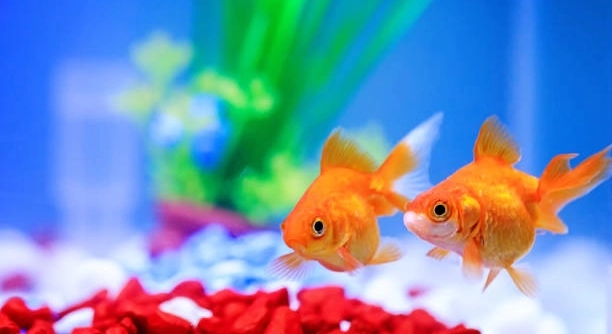
Goldfish tanks often develop bubbles, creating an odd appearance and sometimes raising concerns. These bubbles can be frustrating, but understanding the reasons behind them can help you address the issue and keep your fish happy.
Bubbles in a goldfish tank are commonly caused by surface agitation, water aeration, or excessive organics in the tank. This can include algae growth, overfeeding, or poor filtration. A careful observation of tank conditions can help identify the exact cause.
Addressing the source of these bubbles will not only improve your tank’s appearance but also ensure the well-being of your goldfish. Keep reading for tips on how to manage this common problem.
Overfeeding Your Goldfish
Overfeeding is one of the main causes of bubbles in a goldfish tank. When you feed your goldfish more than they can consume, the leftover food starts to decompose. This creates excess organic material in the water, which can lead to an increase in surface bubbles. Additionally, the decomposing food can cause the water to become cloudy, further complicating the issue. A common mistake is not paying attention to the amount of food being given, which can result in unnecessary waste in the tank.
When the food decomposes, it produces gas, which can bubble up to the surface of the water. This not only causes the unsightly bubbles but can also affect the quality of the water, stressing your goldfish. You should aim to feed your goldfish only what they can finish in a few minutes to prevent this problem.
To avoid overfeeding, keep track of the amount of food and feed your goldfish in small portions. If you see leftover food floating on the surface, it’s best to remove it. Regularly cleaning the tank and maintaining a good filtration system can also help minimize waste buildup and keep your tank healthy.
Poor Filtration System
A poor filtration system can lead to an accumulation of organic matter in your goldfish tank, causing the appearance of bubbles. When the filter is ineffective, it cannot remove waste and debris properly, leading to a buildup that can cause bubbles.
Your filter should be strong enough to keep the water clean and provide proper aeration. Goldfish produce a lot of waste, and a filter that isn’t up to the task will leave the water stagnant. This stagnant water leads to the formation of bubbles as decomposing organic matter creates excess gases.
If your filter isn’t working as it should, it’s essential to clean it regularly and replace any worn-out parts. In some cases, upgrading to a more powerful filter might be necessary. Make sure the filter size is appropriate for the tank size to ensure proper water circulation and avoid bubbles.
Excess Algae Growth
Algae can cause bubbles in your tank as it blooms and grows rapidly. When algae form, they produce oxygen, which rises to the surface in the form of bubbles. If the tank is getting too much light, this can trigger algae growth, leading to an increase in bubbles.
Algae thrive when there’s excess light or nutrients in the tank, which is why it’s important to limit light exposure. If algae are growing too quickly, you may notice bubbles appearing around the plants and on the surface of the water. This can happen more frequently in tanks with poor water circulation or excess organic waste.
To prevent algae growth, try to reduce the amount of time the tank is exposed to light each day. You can also clean the tank regularly, remove any visible algae, and ensure proper filtration. In some cases, you may need to consider using an algae treatment if the problem persists.
Low Water Temperature
Low water temperatures can contribute to bubbles forming in your goldfish tank. When the water is too cold, the gas exchange process in the water slows down. This results in a higher concentration of dissolved gases, which eventually form bubbles.
If the water temperature drops below what’s ideal for your goldfish, it can lead to excessive bubbling. Goldfish thrive in water temperatures between 65°F and 75°F (18°C to 24°C). When the water is colder, it affects the ability of gases like oxygen to dissolve properly, causing them to gather in the form of bubbles.
To prevent this issue, it’s important to monitor the water temperature regularly. Use a heater to maintain a stable and appropriate temperature in the tank. Keeping the water warm will help ensure that the gases stay dissolved and avoid bubble formation.
Surface Agitation
Surface agitation is another common reason for bubbles in your goldfish tank. When the water surface moves too much, it creates air bubbles that gather and float. A strong filter or air pump can cause this agitation.
The filter’s water output or air pump might create excessive movement on the water surface, which leads to bubble formation. If the surface is disturbed too much, the air trapped in the water rises as bubbles.
To solve this, try adjusting the flow rate or positioning of your filter or air pump. Reducing the water surface disturbance can help limit bubble buildup.
Overcrowded Tank
An overcrowded tank leads to a buildup of waste and poor water quality, which contributes to bubble formation. With too many fish, there is more waste, which creates gases that can rise to the surface.
Overcrowding puts stress on the filtration system, making it harder to keep the water clean. The organic waste decomposes and causes bubbles to form, while poor oxygen exchange further exacerbates the issue.
To fix this, reduce the number of fish in the tank to ensure a more manageable waste load. Make sure your tank is large enough for your goldfish to thrive comfortably.
Poor Water Quality
Poor water quality is a major contributor to bubbles forming in your goldfish tank. High ammonia or nitrate levels can cause bacterial blooms that produce bubbles in the water. These levels affect the oxygen content in the tank.
Regularly testing the water and performing water changes can help keep the levels in check. Poor water quality can also contribute to other health problems in your fish. Regular cleaning, maintaining proper filtration, and monitoring water parameters will improve the overall environment in your tank.
FAQ
Why are there bubbles on the surface of my goldfish tank?
Bubbles on the surface of your goldfish tank are usually caused by surface agitation or excess organic material. A filter or air pump might create too much movement in the water, causing bubbles to form. If the water quality is poor or if there’s overfeeding, decomposing food can also release gases, leading to more bubbles. Monitoring the filtration system, water temperature, and feeding habits can help reduce these bubbles.
Is it harmful for my goldfish if there are bubbles in the tank?
Bubbles themselves are not typically harmful to your goldfish, but they may be a sign of underlying issues in the tank. Excess bubbles often indicate poor water quality, overfeeding, or insufficient filtration, which can stress your goldfish. It’s important to address the source of the bubbles to ensure your fish remain healthy and the tank environment stays balanced.
How can I reduce the bubbles in my goldfish tank?
To reduce bubbles, start by adjusting the flow of your filter or air pump. If the bubbles are caused by surface agitation, reducing the flow can help. Regular cleaning of the tank and removing any leftover food will also prevent the buildup of organic waste that can lead to bubbles. Make sure the filter is working efficiently, and consider reducing the amount of light exposure to minimize algae growth.
Do I need to worry about algae causing bubbles in the tank?
Yes, algae growth can cause bubbles, especially when it blooms due to excess light or nutrients. Algae produce oxygen as they grow, and this oxygen is released as bubbles on the surface. To prevent this, limit the amount of light the tank receives, clean the tank regularly, and avoid overfeeding your goldfish. You may also need to clean algae off decorations and plants that might trap air bubbles.
Can low water temperature cause bubbles in the tank?
Yes, low water temperature can cause bubbles in your goldfish tank. When the water is too cold, gases in the water don’t dissolve as efficiently, leading to gas buildup that forms bubbles on the surface. To prevent this, keep the water temperature between 65°F and 75°F (18°C to 24°C). A reliable heater can help maintain a stable temperature, preventing gas buildup.
How often should I feed my goldfish to avoid excess bubbles?
You should feed your goldfish only what they can consume in a few minutes to avoid overfeeding, which can lead to excess waste in the water. Overfeeding contributes to bubbles due to decomposing food and waste. Feed your fish 1-2 times a day and remove any uneaten food promptly to maintain water quality and prevent bubbles from forming.
Can I fix bubbles caused by poor filtration?
Yes, you can fix bubbles caused by poor filtration by cleaning or replacing your filter. A weak or clogged filter can result in stagnant water and excess organic waste, which creates bubbles. Make sure your filter is the appropriate size for your tank and change the filter media regularly. A good filtration system helps reduce waste and maintains proper water circulation, preventing bubbles and ensuring the health of your goldfish.
What can I do if my goldfish tank is overcrowded and causing bubbles?
If your tank is overcrowded, it’s essential to reduce the number of fish to prevent excess waste and poor water quality, both of which can cause bubbles. Overcrowding puts stress on your filtration system and leads to more waste, which in turn creates gases that form bubbles. Consider transferring some of your goldfish to another tank or finding them a new home to balance the fish load and improve the water conditions.
Are bubbles in my tank a sign of poor water quality?
Yes, bubbles in your goldfish tank can be a sign of poor water quality. When waste accumulates and decomposes, it produces gases that rise to the surface in the form of bubbles. Ammonia, nitrites, and nitrates can also build up in poorly maintained water, affecting your fish’s health and causing bubbles to form. Regular water testing, water changes, and a good filtration system are essential for maintaining water quality and preventing bubble buildup.
Can bubbles in the tank be a result of my goldfish’s breathing?
While bubbles caused by your goldfish’s breathing are rare, it’s possible that bubbles form if your fish is stressed or having trouble breathing. If your goldfish is gasping for air at the surface or showing signs of illness, the bubbles may be a sign of low oxygen levels or poor water quality. Check the oxygen levels in the tank, maintain proper filtration, and ensure the water temperature is appropriate for your goldfish to reduce stress and improve their breathing.
Is it normal to have bubbles when setting up a new tank?
Yes, it’s normal to see bubbles when setting up a new tank. The process of adding water and adjusting the filter or aerator can cause temporary bubbles. Additionally, the water may still be settling, and the air in the tank can rise to the surface as small bubbles. However, these should subside once the tank is properly established, and filtration and aeration are set up correctly.
Why is there foam in my goldfish tank along with bubbles?
Foam and bubbles in your goldfish tank are usually a result of excess organic waste, including decomposing food and fish waste. Foam can also form if there are high levels of protein in the water, often from overfeeding. To fix this, make sure to feed your goldfish the right amount of food, clean the tank regularly, and maintain a proper filtration system to remove excess waste.
Final Thoughts
Bubbles in your goldfish tank can be caused by several factors, but most of them are related to the tank’s environment. Overfeeding, poor filtration, excess algae growth, and low water temperature can all lead to the formation of bubbles. While bubbles themselves aren’t harmful to your fish, they often signal that something needs attention in your tank, such as water quality or tank maintenance. Addressing these causes will help improve the overall health of your tank and make sure your goldfish live in a stable, comfortable environment.
It’s essential to monitor the tank’s water conditions regularly. Keep an eye on water temperature, pH levels, and ammonia, nitrate, and nitrite concentrations. Make sure your filter is functioning well, as it plays a key role in keeping the water clean. By making adjustments to your tank setup and keeping the environment stable, you can reduce or eliminate the bubbles, ensuring a healthier environment for your goldfish. Be mindful of feeding practices as well. Only give your fish as much food as they can eat in a few minutes to prevent waste buildup and maintain water quality.
Lastly, consistency is crucial when it comes to tank care. Regular water changes, cleaning, and proper fish care will help minimize many of the common causes of bubbles. While it may take some time to identify and address the exact source of the bubbles in your tank, understanding the various factors at play will give you the tools you need to fix the problem. With a bit of attention and care, your goldfish tank can stay clear of bubbles, and your fish can thrive in a clean, healthy environment.

Hello,
If you enjoy the content that we create, please consider saying a "Thank You!" by leaving a tip.
Every little bit helps us continue crafting quality advice that supports the health, happiness, and well-being of pets around the world, for pets of all shapes, sizes, and species.
We really appreciate the kindness and support that you show us!