
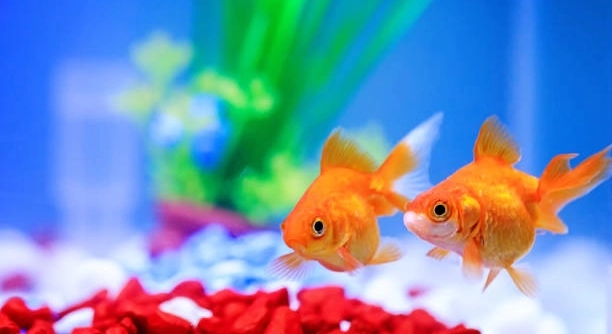
Ammonia spikes in a goldfish tank can be alarming, but understanding the root causes can help resolve the issue quickly. Many factors influence the balance of your tank’s water quality, and ammonia levels play a significant role in your goldfish’s health.
Ammonia spikes in goldfish tanks are primarily caused by poor filtration, overfeeding, or an insufficiently cycled tank. Ammonia accumulates when waste products, such as uneaten food and fish excretions, are not properly broken down by beneficial bacteria.
Keeping an eye on ammonia levels is crucial for the health of your goldfish. Identifying the exact cause of the spike can help prevent future problems and maintain a stable, healthy environment for your aquatic pets.
Overfeeding Your Goldfish
Overfeeding is one of the most common reasons for ammonia spikes in a goldfish tank. Goldfish are opportunistic feeders and will eat as much as you offer, which can lead to excess waste in the tank. Leftover food will decompose and break down into ammonia, which then builds up in the water. The problem worsens when the uneaten food isn’t removed promptly, giving bacteria the chance to break it down.
It’s easy to think that giving your goldfish more food will keep them happy, but the opposite is true. In fact, feeding them too much puts unnecessary strain on the filtration system and increases the chances of an ammonia spike.
To avoid this, feed your goldfish only what they can consume within a few minutes. A good rule of thumb is to give them small amounts of food multiple times a day. If you notice food left uneaten, it’s best to remove it right away. This ensures that waste doesn’t accumulate and water quality remains stable. Monitoring their feeding habits is essential to preventing ammonia build-up.
Insufficient Filtration
A filtration system that’s too weak or not working properly can lead to an ammonia buildup. The filter is responsible for removing waste and harmful chemicals, including ammonia, from the water. When the filter isn’t up to the task, the waste simply sits in the tank and eventually breaks down into ammonia.
Without adequate filtration, waste can accumulate, and beneficial bacteria that break down ammonia won’t thrive. This leads to an unhealthy environment for your goldfish. You should check your filter regularly to ensure it’s running efficiently. A filter that isn’t powerful enough for the size of the tank will also contribute to this issue.
To improve filtration, consider upgrading your filter or adding a second one. Cleaning and maintaining the filter regularly is just as important as choosing the right one. This reduces the likelihood of ammonia spikes and ensures your goldfish stay healthy. Keep in mind that proper filtration is key to managing water quality in any aquarium.
Inadequate Tank Cycling
If your tank isn’t properly cycled, it will struggle to break down ammonia. Cycling is the process that helps establish beneficial bacteria in the filter and substrate, which is crucial for converting harmful ammonia into safer substances. Without these bacteria, ammonia levels rise quickly, harming your fish.
New tanks are especially prone to ammonia spikes because they haven’t built up enough bacteria to process waste. It can take several weeks for the cycling process to complete, so be patient. During this time, it’s essential to test water regularly to monitor ammonia levels and adjust accordingly.
To speed up the cycling process, consider using bacteria supplements or adding established filter media from an already-cycled tank. This can introduce the necessary bacteria more quickly and help prevent ammonia from building up. Regular testing will also ensure the tank is cycling properly and will give you peace of mind while your goldfish adjust to their new environment.
Poor Tank Maintenance
A lack of proper tank maintenance can contribute to ammonia spikes. Regular water changes are key to removing waste and toxins that build up over time. If you neglect to clean the tank and filter, organic matter, such as fish waste, decaying plants, and uneaten food, will break down and release ammonia into the water.
Cleaning the tank on a schedule helps keep ammonia levels under control. It’s essential to vacuum the substrate, wipe down the glass, and clean the filter. Don’t overdo it, though, as cleaning too much can disrupt the balance of beneficial bacteria. Stick to a regular cleaning routine for the best results.
Additionally, make sure you’re using a water conditioner to remove chlorine and chloramine, which can harm the beneficial bacteria. A balance of proper maintenance, water changes, and careful cleaning can greatly reduce the chances of ammonia spikes in your goldfish tank. Regular upkeep ensures a healthy environment for your fish.
Overstocking the Tank
Adding too many goldfish or other tank mates can lead to ammonia spikes. Each fish produces waste, and when there are too many, the filtration system can’t keep up. This excess waste quickly breaks down into ammonia, contaminating the water.
Goldfish are known to produce a lot of waste, so it’s crucial to avoid overcrowding the tank. Keep in mind the size of the tank and the number of fish it can properly support. Overcrowding can lead to stressed fish and poor water quality, which in turn results in ammonia buildup.
If you’ve noticed ammonia spikes, consider reducing the number of fish in the tank or upgrading to a larger tank. A more spacious environment will help ensure your goldfish have enough room to swim, and it will ease the burden on your filtration system.
High Water Temperature
High water temperatures can cause ammonia to become more toxic. Warmer water holds less oxygen, which reduces the ability of beneficial bacteria to break down waste. As a result, ammonia levels may increase more quickly.
To keep ammonia under control, aim to maintain a stable temperature within the ideal range for goldfish. Goldfish thrive in cooler water temperatures, typically between 65-75°F (18-24°C). Monitoring the temperature and avoiding sudden fluctuations will help create a more stable environment for your fish.
Tap Water Issues
Tap water may contain chemicals like chlorine or chloramine, which can harm beneficial bacteria. These bacteria are essential for breaking down ammonia in your tank. If these bacteria are compromised, ammonia levels can rise, causing stress to your fish.
Make sure to treat your tap water with a water conditioner before adding it to the tank. This will neutralize harmful chemicals, allowing the beneficial bacteria to thrive and prevent ammonia spikes. Regularly testing the water will help you catch any potential issues before they become major problems.
FAQ
What are the signs of an ammonia spike in my goldfish tank?
An ammonia spike can show several signs in your goldfish tank. The most noticeable is a change in behavior. Goldfish may become lethargic, swim near the surface, or exhibit erratic movements. You might also notice their gills are red or inflamed, and they may start gasping for air. These are clear signs that ammonia levels are high, and the water quality needs attention. Keep an eye on your fish for any of these changes, and regularly test the water for ammonia to catch spikes early.
How do I test for ammonia in my goldfish tank?
Testing for ammonia is simple with an aquarium test kit. These kits typically use liquid reagents or test strips that change color when they come into contact with ammonia. Follow the instructions on the kit carefully. For liquid kits, add a few drops of reagent to a water sample from your tank, then compare the color change to the chart provided. Test strips are usually dipped into the water, and the color change will indicate the ammonia level. Testing the water regularly, especially after water changes or new additions to the tank, helps catch problems early.
What should I do if I find an ammonia spike in my tank?
If you find an ammonia spike in your tank, act quickly to address the problem. First, perform a partial water change of 25-50% to dilute the ammonia and improve water quality. Next, test the water for other toxins like nitrites and nitrates. If ammonia levels remain high, you can use an ammonia-removal product or a chemical filter media that helps absorb the ammonia. Keep monitoring the water quality over the next few days and continue with water changes as needed. Additionally, check your filtration system to ensure it’s functioning properly.
Can ammonia spikes harm my goldfish permanently?
Yes, ammonia spikes can cause permanent harm to your goldfish if not addressed quickly. Long-term exposure to high ammonia levels can damage their gills, liver, and kidneys. This can lead to respiratory distress, infections, and even death in severe cases. Even brief exposure to high ammonia can stress your fish, weakening their immune systems and making them more susceptible to disease. It’s important to act fast and lower ammonia levels as soon as you notice any issues.
How can I prevent ammonia spikes in my goldfish tank?
Preventing ammonia spikes requires good tank maintenance. Regular water changes of 25-30% every 1-2 weeks help remove waste and toxins. Make sure you’re not overfeeding, as uneaten food contributes to ammonia buildup. Ensure your filtration system is adequate for the size of your tank and is properly maintained. Regularly clean the substrate to remove fish waste, and check the filter media for buildup. Additionally, avoid overcrowding the tank by limiting the number of fish according to the tank’s size. Finally, always treat tap water with a conditioner before adding it to the tank to remove chlorine and chloramine, which can harm beneficial bacteria.
Is it safe to add new fish to a tank that has an ammonia spike?
It’s not recommended to add new fish to a tank with an ammonia spike. High ammonia levels can stress or even kill new fish, as their immune systems aren’t accustomed to poor water conditions. Wait until ammonia levels return to safe ranges before adding new fish. Perform water changes, adjust your filtration, and monitor the ammonia levels regularly before introducing any new tankmates.
What is the ideal ammonia level for a goldfish tank?
The ideal ammonia level for a goldfish tank is 0 ppm (parts per million). Any detectable amount of ammonia can be harmful, even in small amounts. It’s best to aim for a reading of zero, which indicates that your filtration system and biological bacteria are effectively processing waste. If your ammonia level is above 0 ppm, immediate action, such as water changes or using ammonia-removal products, is required to prevent stress on your fish.
How often should I clean my goldfish tank to prevent ammonia buildup?
You should clean your goldfish tank regularly to prevent ammonia buildup. This includes performing water changes of 25-30% every 1-2 weeks and vacuuming the substrate to remove fish waste and uneaten food. Clean the filter media when necessary, but avoid overcleaning, as this can disrupt the beneficial bacteria that process ammonia. Stick to a consistent cleaning schedule to ensure the tank stays healthy and ammonia levels remain low.
Are chemical ammonia removers safe for my goldfish?
Chemical ammonia removers can be useful in an emergency to lower ammonia levels, but they should be used with caution. Some products may only mask the problem temporarily without addressing the root cause, like poor filtration or overfeeding. It’s also important to follow the manufacturer’s instructions to avoid overdosing the water, as this could harm your fish. If you use an ammonia remover, continue to monitor water quality and address the underlying issue to prevent future ammonia spikes.
Can plants help reduce ammonia in a goldfish tank?
Yes, live plants can help reduce ammonia levels in your goldfish tank. Plants naturally absorb ammonia, nitrates, and other harmful substances as part of their growth process. They act as a natural filtration system and can help improve water quality. However, plants alone won’t be enough to manage ammonia levels in an overcrowded or poorly maintained tank. You should still ensure proper filtration, regular water changes, and avoid overfeeding to keep ammonia levels in check.
Why is my filter not removing ammonia?
If your filter isn’t removing ammonia, there could be several reasons. The filter may not be powerful enough for the size of your tank, or it could be clogged with debris, preventing proper filtration. Check to make sure your filter is functioning correctly and clean it regularly. If it’s undersized, consider upgrading to a more powerful filter or adding an additional one. Also, ensure your tank has enough beneficial bacteria to break down ammonia, as filters work in conjunction with these bacteria to process waste.
Final Thoughts
Ammonia spikes in a goldfish tank are a serious issue that can quickly harm your fish if not addressed. It’s important to understand the causes of ammonia buildup and take steps to prevent it. Poor filtration, overfeeding, overcrowding, and inadequate tank cycling are common factors that contribute to this problem. Regular tank maintenance, such as water changes, cleaning the substrate, and ensuring your filtration system is working properly, will go a long way in preventing ammonia spikes. Being proactive about these aspects will help maintain a stable environment for your goldfish.
Monitoring water quality is key to keeping your goldfish healthy. Testing the water for ammonia regularly will allow you to catch spikes early before they become a problem. If you notice any signs of stress in your fish, like lethargy or gasping for air, it’s a sign that you should test the water immediately. Taking quick action, such as performing a water change or improving filtration, can often resolve the issue before it becomes more serious. Regular maintenance and care will not only help keep ammonia levels under control but also improve the overall well-being of your fish.
While ammonia spikes are concerning, they are manageable with the right approach. Understanding the causes, keeping up with tank maintenance, and closely monitoring water quality will allow you to prevent ammonia buildup. A stable, clean tank environment benefits both you and your goldfish, providing a safe and healthy home for your fish.

Hello,
If you enjoy the content that we create, please consider saying a "Thank You!" by leaving a tip.
Every little bit helps us continue crafting quality advice that supports the health, happiness, and well-being of pets around the world, for pets of all shapes, sizes, and species.
We really appreciate the kindness and support that you show us!