
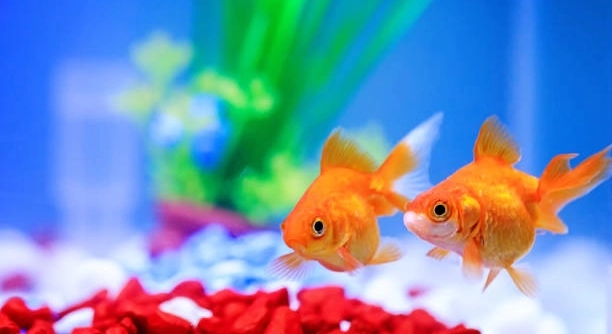
Goldfish are often regarded as calm and friendly pets, but sometimes they can appear fearful of their owners. Understanding the reasons behind this behavior can help improve your relationship with your aquatic companion.
The main reasons your goldfish may seem afraid of you are due to sudden movements, improper tank conditions, or negative associations with past interactions. Goldfish are sensitive creatures and their fear can stem from stress, unfamiliar environments, or perceived threats.
Taking the time to address these factors can create a more comfortable and trusting bond with your goldfish. Understanding their needs will lead to a happier and healthier pet.
Sudden Movements and Their Impact on Goldfish
Goldfish are sensitive to rapid movements around their tank. Quick gestures or sudden changes in their environment can startle them, causing fear. They associate these movements with potential threats, leading to stress. Over time, this fear may grow if their surroundings are unpredictable. A calm and steady approach will help your goldfish feel more secure.
When interacting with your goldfish, try to move slowly and gently. Avoid making loud noises or sudden splashes. The more predictable your actions are, the more comfortable they’ll feel. These small changes in behavior can make a big difference in how your goldfish reacts to you.
Gradually, your goldfish may start to trust you more, but it takes time. Regularly observing your fish without startling them can help build their confidence. Over time, they may approach the tank’s surface, recognizing you as a safe presence rather than a potential threat. This slow change in behavior signifies trust and a more relaxed environment.
Tank Conditions and Stress
The tank’s condition plays a major role in your goldfish’s stress levels. Poor water quality, temperature fluctuations, and cramped spaces can all contribute to their fear.
Goldfish require clean water and adequate space to swim. If these conditions are not met, they may become anxious and retreat from their owners. Keep the water clean and maintain a consistent temperature.
Overfeeding and Its Effects on Goldfish
Overfeeding your goldfish can cause discomfort and stress. Excess food pollutes the tank and leads to poor water quality, which makes them feel unsafe. Goldfish, unlike other pets, do not need to be fed constantly. Keep feeding to a moderate level to avoid this problem.
If you notice your goldfish becoming fearful or skittish, consider reducing their food intake. Overfeeding can cause them to feel sluggish, and the unclean water from uneaten food adds to their stress. A balanced feeding schedule will help maintain a clean environment and a calmer goldfish.
Feeding your goldfish once or twice a day, in small portions, will help maintain both their health and the water quality. When the tank is clean and they’re properly fed, your goldfish will feel more secure. Adjusting the feeding routine is a small step that can lead to significant improvements in their behavior.
Lack of Hiding Spots in the Tank
Goldfish need places to hide when they feel threatened. Without these hiding spots, they may become more anxious and wary of their surroundings. A lack of shelter makes them feel exposed and vulnerable.
Adding plants or decorations to the tank will create safe spaces for your goldfish to retreat to when they need a break from the constant stimulation. A well-decorated tank offers a secure environment for your goldfish to thrive in. The right setup will give your fish the comfort they need, reducing stress and fear.
A tank with no hiding spots can make your goldfish feel trapped. They’ll become more likely to avoid interacting with you. By adding just a few decorations or plants, you’re giving your goldfish the option to hide, rest, and feel less threatened.
Illness or Injury in Goldfish
If your goldfish is unwell or injured, it may become fearful or skittish. Illness causes discomfort, making your goldfish more sensitive to movement or touch. Keep an eye out for any unusual signs, such as lack of movement or odd swimming patterns.
When your goldfish shows signs of distress, it’s crucial to address the issue right away. Check for symptoms like faded color, bloated body, or abnormal behavior. Stress from illness or injury can make your goldfish more afraid of you, so prompt treatment is essential to help them recover and feel safe again.
Unfamiliar Surroundings or Changes
Goldfish are creatures of habit. Any significant changes in their environment can cause anxiety and fear. Moving the tank or adding new equipment can unsettle them, making them react cautiously. Keep their space as consistent as possible.
When making changes, try to minimize disruption. Gradual adjustments will help your goldfish adapt better. Sudden alterations in their surroundings can cause them to associate you with the threat of change, leading to more fear and avoidance. Small, steady steps in altering their space will keep them calm.
Inconsistent Interactions with Owners
Goldfish can become afraid if interactions with their owners are unpredictable. If you handle them too often or make sudden movements, they may not feel comfortable approaching you. Regular, calm interactions are key.
Consistency in how you engage with your goldfish will help them feel secure. Avoid rushing or overwhelming them with too much attention. Over time, your goldfish will begin to recognize you as a calming presence rather than something to be afraid of.
FAQ
Why is my goldfish hiding all the time?
Goldfish may hide if they feel stressed or unsafe. Factors like poor water quality, sudden movements around the tank, or overcrowding can cause them to seek shelter. If hiding becomes frequent, check the tank for any changes in water conditions or introduce hiding spots for your goldfish to feel more secure.
Can my goldfish be scared of me?
Yes, goldfish can become scared of their owners. They may be startled by sudden movements, loud noises, or if they’ve had negative experiences with handling in the past. Approach the tank calmly and consistently to build trust and reduce their fear.
What should I do if my goldfish is acting strangely?
If your goldfish is acting abnormally, first check the water conditions, including temperature, pH, and ammonia levels. Illness or injury can also cause strange behavior. Look for signs of distress like erratic swimming or changes in color, and consider consulting a veterinarian if symptoms persist.
How do I know if my goldfish is stressed?
Common signs of stress in goldfish include erratic swimming, hiding, rapid gill movement, or loss of appetite. Poor water quality, sudden temperature changes, or tank overcrowding can trigger stress. Regularly monitor their environment and maintain clean water to prevent stress from affecting their health.
Why is my goldfish swimming in circles?
Goldfish swimming in circles may be experiencing stress, illness, or a lack of space. This behavior can also indicate a problem with the water quality or a physical condition like swim bladder disease. Check the tank conditions and consider reducing stressors, such as improving water circulation or adding more space.
Should I be worried if my goldfish is not eating?
Goldfish may stop eating due to stress, poor water conditions, or illness. If your goldfish has not eaten for a few days, check for changes in the water or any signs of disease. Ensure the water temperature is appropriate and that they’re not being overwhelmed by too much food. If the problem persists, seek advice from a vet.
How often should I feed my goldfish?
Goldfish should be fed once or twice a day. Offering them small amounts of food ensures they can eat it all and prevents excess food from polluting the water. It’s better to feed them less than too much, as overfeeding can cause poor water quality and stress.
Can goldfish be kept with other fish?
Goldfish can generally be kept with other peaceful fish that have similar water temperature requirements. Avoid aggressive or large fish that might stress your goldfish. It’s also important to ensure that there’s enough space in the tank for all the fish to swim comfortably.
What is the ideal water temperature for goldfish?
Goldfish thrive in water temperatures between 65°F and 75°F (18°C to 24°C). Water that is too cold or too hot can cause stress, affecting their health and behavior. Make sure the tank temperature stays within this range for optimal comfort.
How can I make my goldfish feel more comfortable?
To make your goldfish feel more comfortable, provide a calm environment with clean water and consistent conditions. Add plants or decorations for hiding spots and reduce sudden movements around the tank. Avoid overfeeding and keep the tank free from overcrowding to reduce stress.
Why is my goldfish turning white?
If your goldfish is turning white, it could be a sign of a health issue such as stress, poor water quality, or an infection. Check the water parameters and consider isolating the affected fish in a quarantine tank to monitor their health. If the problem persists, consult a vet.
How do I prevent my goldfish from being afraid of me?
To prevent your goldfish from being afraid of you, approach them slowly and consistently. Avoid sudden movements or loud noises around the tank. Offer food at regular times and give them space to adjust to your presence. Over time, your goldfish will learn to trust you.
What is the best tank size for goldfish?
A goldfish requires a tank that offers plenty of swimming space. A single goldfish should have at least 20 gallons of water, with an additional 10 gallons for each additional fish. A larger tank helps reduce stress and ensures your goldfish can move around freely.
How do I deal with goldfish aggression?
Goldfish may become aggressive if they feel territorial or overcrowded. Ensure the tank is large enough to accommodate all the fish, and avoid keeping aggressive species with goldfish. If aggression persists, separate the aggressive fish from others to prevent stress and injury.
How long do goldfish live?
Goldfish can live for up to 10-15 years, sometimes longer, when kept in the right conditions. Maintaining clean water, offering a balanced diet, and preventing stress can help your goldfish reach their full lifespan. Regular tank maintenance is key to keeping them healthy for years.
Why does my goldfish keep swimming near the surface?
Goldfish that swim near the surface may be looking for oxygen, especially if the water is low in oxygen or has high ammonia levels. Ensure proper water circulation and avoid overcrowding. If the behavior continues, test the water quality and consider adding an air stone or filter to improve oxygen flow.
Can goldfish get lonely?
Goldfish do not need constant companionship, but they can benefit from having tank mates. If kept alone, they may become bored or less active. Adding a peaceful companion or increasing interaction with their owner can help provide some social stimulation.
Why does my goldfish seem afraid of the filter?
Goldfish may become scared of the filter if it creates a strong current or makes loud noises. Position the filter out of the direct swimming area or choose a filter with adjustable flow. Reducing the filter’s noise can also make your goldfish feel more secure.
How do I tell if my goldfish is healthy?
Healthy goldfish will have clear, bright eyes, smooth scales, and swim steadily. They should eat regularly and show normal swimming patterns. If you notice any changes in their appearance, swimming behavior, or eating habits, it may be time to check their water conditions or seek veterinary care.
Final Thoughts
Goldfish, like any other pet, require care and attention to thrive. Understanding why your goldfish might be afraid or stressed is the first step toward improving their well-being. Their behavior is often a reflection of their environment, health, and interactions with you. By maintaining a clean and stable tank, you create a comfortable home for them, which helps minimize fear and stress. Regularly checking water conditions and ensuring they have enough space to swim are key factors that support their overall health and comfort.
Patience is also important when building a trusting relationship with your goldfish. These fish may take time to adjust to their surroundings and to you. Sudden changes, like moving the tank or introducing new fish, can trigger fear or stress. Goldfish are creatures of habit, so the more consistent their environment, the more likely they are to feel secure. Avoid quick, abrupt movements around their tank, as this can startle them. With time and gentle care, your goldfish will grow accustomed to your presence and may even approach you without fear.
Ultimately, addressing any fears or anxieties your goldfish may have involves understanding their needs and providing a stable, calm environment. Whether it’s improving water quality, adjusting the tank setup, or simply being more mindful of how you interact with them, every step counts. Goldfish are sensitive creatures, but with the right care, they can lead long, happy lives. By creating a secure and nurturing space, you ensure that your goldfish not only feel safe but also form a healthy bond with their surroundings and with you.

Hello,
If you enjoy the content that we create, please consider saying a "Thank You!" by leaving a tip.
Every little bit helps us continue crafting quality advice that supports the health, happiness, and well-being of pets around the world, for pets of all shapes, sizes, and species.
We really appreciate the kindness and support that you show us!