
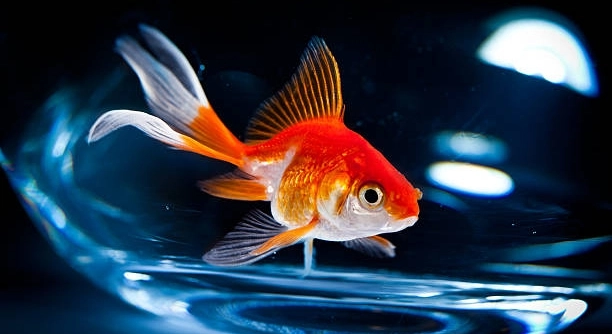
Goldfish are wonderful pets, but sometimes their swimming can seem off. If you’ve noticed your goldfish swimming erratically, it’s important to understand the potential causes behind this unusual behavior.
Erratic swimming in goldfish can be caused by various factors, including water quality, stress, or illness. Poor water conditions, such as high ammonia levels or incorrect pH, can irritate the fish, leading to abnormal swimming patterns.
Addressing these issues quickly can help restore your goldfish’s health and well-being. Understanding the root causes will allow you to take action and ensure a happier, healthier life for your pet goldfish.
Poor Water Quality
Water quality is one of the most common reasons for erratic swimming. If ammonia, nitrites, or nitrates build up in the tank, it can affect your goldfish’s behavior. These harmful substances can cause irritation and stress, leading to abnormal swimming patterns. Goldfish are sensitive to changes in water conditions, so even slight fluctuations can cause them to act erratically. It’s essential to maintain clean water by performing regular water changes and using a filter. Additionally, test the water frequently to ensure the levels are within the ideal range for goldfish.
Poor water quality doesn’t just affect swimming; it can lead to more serious health problems. Goldfish are susceptible to diseases like fin rot or swim bladder issues when exposed to harmful substances for extended periods. Keeping your tank clean and regularly monitoring the water can prevent many of these problems before they start. Consider investing in a high-quality water test kit and make adjustments as needed. A healthy environment leads to a happier, more active goldfish.
Stress Factors
Stress can also cause erratic swimming. Changes in the environment, such as loud noises or the presence of other aggressive fish, can trigger a stress response. Keeping your goldfish in a calm, quiet area away from disturbances is important for their well-being.
A stressed goldfish may swim in circles, hide in corners, or dart around the tank. Ensure your fish has enough space to move freely, and avoid overcrowding the tank.
Swim Bladder Disorder
Swim bladder disorder is another possible reason for erratic swimming. This condition affects the fish’s ability to control its buoyancy, causing it to swim sideways, upside down, or float at the surface. Swim bladder issues can be triggered by overfeeding, poor water quality, or injury.
A goldfish with swim bladder disorder may appear disoriented, struggling to stay upright. In many cases, overfeeding can lead to constipation, which puts pressure on the swim bladder. To prevent this, avoid feeding your goldfish excessive amounts of food, and opt for high-quality pellets or flakes. If your fish has this condition, fasting it for a day or two can sometimes help.
If the disorder is caused by poor water quality, the fish will likely improve after water changes and proper tank maintenance. In some cases, medical treatments may be required to correct the issue. Always monitor your fish closely for signs of improvement and adjust their care accordingly.
Tank Size
The size of your tank directly influences your goldfish’s swimming behavior. A cramped tank can lead to stress and erratic swimming as the fish struggles to navigate. Goldfish need plenty of room to swim freely, and a small tank may lead to frustration and discomfort.
A general guideline is to provide at least 20 gallons of water per adult goldfish. Keeping them in a tank that is too small can stunt their growth and make them more prone to health issues. A larger tank also helps maintain water quality, as it can accommodate more beneficial bacteria, leading to a more stable environment.
A well-maintained, appropriately sized tank provides your goldfish with the space it needs to thrive. Consider upgrading to a larger tank if you notice your fish swimming in circles or struggling to find enough space to move. The investment in a spacious tank will result in a healthier, happier goldfish.
Overfeeding
Overfeeding can lead to discomfort and erratic swimming in goldfish. When a goldfish consumes too much food, it can cause digestive problems, leading to bloating or swim bladder issues. Always monitor portion sizes and avoid feeding more than your goldfish can consume in a few minutes.
Excess food left uneaten in the tank can also contribute to water quality problems. As the uneaten food decomposes, it increases the ammonia levels in the water, which can irritate your goldfish. To avoid this, feed your goldfish small portions multiple times a day, and remove any uneaten food promptly.
Water Temperature
Water temperature plays a significant role in the health and behavior of goldfish. Extreme temperatures, either too hot or too cold, can cause stress and erratic swimming. Goldfish prefer water temperatures between 65°F and 75°F.
If the water is too warm, your goldfish might become sluggish and float at the surface, while cooler water can cause them to swim slower or exhibit erratic movements. Ensure your tank’s temperature remains stable to keep your fish comfortable. Using a reliable aquarium heater can help maintain the ideal water temperature, especially in colder environments.
Tank Mates
Tank mates can affect your goldfish’s swimming behavior. Aggressive fish or overly active companions may cause your goldfish to swim erratically due to stress. Always choose peaceful species that won’t compete aggressively for food or space.
FAQ
Why is my goldfish swimming upside down?
Swimming upside down is often a sign of swim bladder disorder. This condition can be caused by overfeeding, constipation, or poor water quality. To help your goldfish, try fasting it for a couple of days and make sure the water conditions are optimal. If the problem persists, it might be best to consult with a vet or consider treatments specifically for swim bladder issues.
How do I fix my goldfish’s erratic swimming?
Erratic swimming can be caused by several factors such as poor water quality, stress, or a physical injury. Start by testing the water for ammonia, nitrites, and pH levels to ensure they are within the ideal range. Also, observe your goldfish for signs of illness or injury. If the behavior doesn’t improve, consider adjusting the tank environment, reducing stress, or addressing any swim bladder issues.
Can goldfish recover from swim bladder problems?
Yes, many goldfish can recover from swim bladder problems with proper care. First, remove any uneaten food from the tank to prevent further issues. Next, fast the fish for a day or two to help alleviate constipation. If the problem is water quality-related, perform a water change and ensure the tank is properly filtered. In some cases, medical intervention may be necessary.
What causes goldfish to swim in circles?
Goldfish that swim in circles may be experiencing stress, water quality issues, or a lack of space. Check your tank for overcrowding, poor filtration, or any other environmental stressors that could be affecting your fish. If everything seems normal, it might be a sign of swim bladder issues or neurological problems that require further observation.
Why does my goldfish swim frantically?
Frantic swimming is typically a response to stress or discomfort. This can be caused by things like overcrowded tanks, poor water quality, aggressive tank mates, or sudden changes in their environment. To address this, try adjusting the tank size, keeping the water clean, and making sure the fish has a calm and secure space to swim.
Is my goldfish sick if it stops swimming?
If your goldfish has stopped swimming or is swimming very slowly, it could be a sign of illness or poor water conditions. Check the water quality first and ensure that it is within the optimal range. If the conditions are fine, look for signs of disease, such as changes in color, fins, or body shape, and consult a vet if needed.
How often should I clean my goldfish tank?
Goldfish tanks should be cleaned regularly to maintain healthy water quality. You should perform partial water changes (about 25-30%) every 1-2 weeks to remove waste and prevent toxins from building up. Also, clean the filter and scrub the sides of the tank to prevent algae buildup.
What is the ideal water temperature for goldfish?
Goldfish thrive in temperatures between 65°F and 75°F. Temperatures that are too hot can cause stress and sluggish behavior, while cold water can make the fish lethargic or cause erratic swimming. Make sure your tank’s temperature remains stable and use a heater if necessary to maintain the optimal range.
Can I keep goldfish with other fish?
Goldfish can be kept with other fish, but it’s important to choose species that are compatible in terms of temperament and environmental needs. Avoid keeping goldfish with aggressive or overly active fish that could stress them out. Goldfish do best in calm environments with peaceful tank mates.
Why is my goldfish staying at the bottom of the tank?
Goldfish that stay at the bottom of the tank may be experiencing swim bladder issues, poor water quality, or stress. If the fish is healthy otherwise, check the water conditions, as poor oxygen levels or high levels of ammonia can cause this behavior. If the fish is still eating, this may not be an immediate concern, but if the behavior continues, further investigation is needed.
Final Thoughts
Understanding the reasons behind your goldfish’s erratic swimming behavior is essential to providing proper care. There are many factors that can influence how your goldfish behaves in the water, from poor water quality to physical health issues. It’s important to regularly monitor your tank’s environment, ensuring that the water is clean and that the fish has enough space to swim freely. This will help to avoid many common problems that affect goldfish swimming, like stress or swim bladder disorder.
Taking action quickly when you notice signs of erratic swimming is key to resolving the issue. Whether it’s adjusting the water temperature, changing the tank setup, or checking for possible illnesses, early intervention can often prevent the situation from worsening. Goldfish are hardy creatures, but they require consistent care and attention. Regular maintenance of the tank, including cleaning and water changes, can go a long way in promoting your fish’s health and comfort.
In some cases, it may be necessary to seek help from a veterinarian if the erratic swimming persists despite your efforts. Swim bladder issues, for example, can sometimes require more advanced treatment or medication. However, most swimming problems can be resolved through proper care and adjustments to the tank environment. Understanding your goldfish’s behavior and providing a stable, healthy habitat is the best way to ensure that your pet remains happy and active. With the right approach, your goldfish should be swimming smoothly again in no time.

Hello,
If you enjoy the content that we create, please consider saying a "Thank You!" by leaving a tip.
Every little bit helps us continue crafting quality advice that supports the health, happiness, and well-being of pets around the world, for pets of all shapes, sizes, and species.
We really appreciate the kindness and support that you show us!