
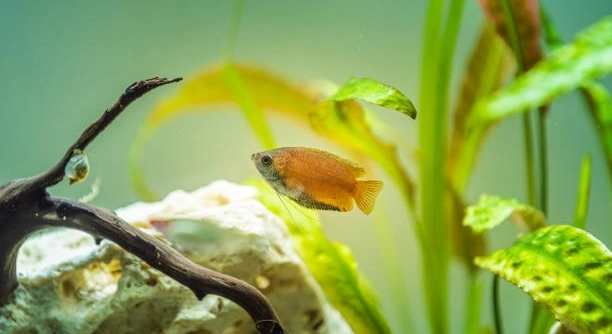
Are your giant gouramis looking dull or faded compared to when you first brought them home? Many fish owners notice this change and wonder why their once-vibrant pets are losing their bright colors.
The primary reasons giant gouramis lose color include poor diet, inadequate lighting, stress, illness, aging, water quality issues, and lack of environmental stimulation. Addressing each factor through proper nutrition, tank maintenance, and care can help restore their natural coloration effectively.
Understanding the causes behind color loss can help you bring back the vibrancy your fish once had and maintain a healthier aquarium environment.
Poor Diet and Nutritional Deficiencies
A giant gourami’s diet plays a huge role in maintaining its vibrant colors. If your fish is only eating one type of food, it may not be getting all the nutrients it needs. Foods lacking in carotenoids, vitamins, and minerals can cause the skin and scales to fade over time. Live or frozen foods like brine shrimp, bloodworms, and daphnia can add important nutrients. Vegetables such as spinach and peas also help provide essential vitamins. Overfeeding pellets or low-quality flakes may lead to obesity and reduce their natural coloration. Feeding smaller portions multiple times a day can improve digestion and overall health. Observing your fish’s eating habits is important; a decrease in appetite can also signal a problem. Maintaining a balanced diet ensures that your giant gourami not only grows properly but also keeps its bright and healthy appearance, which is a sign of good overall well-being.
A balanced diet rich in vitamins and natural pigments is essential to restore and maintain your gourami’s color.
Regularly rotating food types and adding fresh supplements can noticeably improve your fish’s color and vitality over a few weeks. Consistency in feeding and variety is key for long-term health and appearance.
Poor Lighting Conditions
Inadequate lighting can make a giant gourami’s colors look dull and washed out. Without proper light, the pigments in their skin do not develop fully, leaving them pale and muted. Lighting also affects their daily rhythm and activity levels, which indirectly influences coloration.
Providing 8 to 10 hours of moderate, consistent light each day can help maintain natural colors. Natural sunlight should be limited to avoid algae growth and overheating.
Quality aquarium lights designed for tropical fish are ideal, as they enhance the pigments naturally present in gouramis. Position the light to cover the entire tank evenly, ensuring that all fish receive the same benefit. Changing light bulbs or upgrading to LED systems can make a noticeable difference. Too much light can stress the fish, while too little can cause colors to fade quickly. Observing your fish under different lighting can help determine the optimal setup. Balanced lighting combined with proper diet and tank conditions strengthens their immune system, keeps them active, and preserves the striking colors that make giant gouramis so appealing to watch.
Stress and Overcrowding
Stress is a major factor in fading colors. Giant gouramis kept with aggressive fish or in overcrowded tanks often lose their vibrancy. Sudden changes in water or environment can also trigger stress responses that affect pigmentation.
Chronic stress weakens their immune system, making them more prone to illness. Overcrowding limits swimming space, causes constant competition for food, and creates tension that keeps them on edge. Even minor disturbances, like frequent tapping on the glass, can add to stress. Creating a calm environment with proper hiding spots and gentle tankmates allows them to feel secure. Reducing stress improves appetite, energy, and natural coloration. Consistent care, peaceful tank conditions, and maintaining a stable routine are essential for helping your gourami regain its bright and healthy appearance over time.
Providing ample space, stable water conditions, and compatible tankmates directly helps your fish regain confidence, activity, and natural color.
Regular monitoring of behavior and adjusting tank setup when stress signs appear ensures that your gouramis remain healthy and colorful. Encouraging natural activity through gentle interaction and minimal disruption supports their well-being.
Poor Water Quality
Dirty water affects coloration quickly. Ammonia, nitrite, and nitrate levels must be checked frequently. High toxins dull colors and can cause health problems.
Maintaining clean, stable water is critical. Frequent partial water changes and proper filtration reduce harmful chemicals. Testing water regularly ensures levels remain safe. Temperature fluctuations should be avoided, as they increase stress and reduce pigment vibrancy. Avoid overcrowding, which strains water quality and the fish’s health. Introducing live plants can help stabilize the tank and provide hiding spaces. Monitoring pH, hardness, and temperature keeps the environment suitable for giant gouramis. Healthy water supports proper metabolism, digestion, and natural coloration, allowing their bright scales to shine. Regular maintenance and observation prevent slow fading and keep your gouramis active and visually appealing.
Illness and Parasites
Illnesses and parasites can cause sudden color loss. Watch for unusual spots, frayed fins, or lethargy. Early detection is key to prevent further health decline and restore natural pigmentation.
Prompt treatment with appropriate medication can help your giant gourami recover. Quarantining sick fish prevents spreading disease.
Aging
As giant gouramis age, their colors may naturally fade. Older fish often show duller scales, even with proper care and diet. Aging is a normal process that affects pigmentation gradually over time.
Regular monitoring and maintaining optimal tank conditions help older gouramis stay healthy. Gentle handling and consistent feeding routines support their well-being.
Lack of Environmental Stimulation
A bare or uninteresting tank can affect your fish’s appearance. Without plants, hiding spots, and visual enrichment, gouramis may lose some vibrancy in their scales.
Providing decorations, plants, and structures encourages activity and helps maintain brighter coloration. A stimulating environment supports both mental and physical health.
How can I tell if my giant gourami is stressed?
Stress in giant gouramis often shows through behavior changes. They may hide more, swim erratically, refuse food, or display faded colors. Fin clamping and rapid breathing are also signs. Observing your fish daily helps detect early stress, making adjustments easier.
What foods help restore color in giant gouramis?
Foods rich in carotenoids, like shrimp, krill, and spirulina, enhance pigmentation. Vegetables such as spinach and peas provide vitamins for overall health. Offering a varied diet including live, frozen, and high-quality pellet foods ensures your gourami gets essential nutrients to regain vibrancy.
How often should I change the water to maintain color?
Partial water changes of 20-30% weekly are ideal. Regular changes remove waste and toxins, preventing stress and color loss. Consistent water quality reduces illness risk, supports metabolism, and helps the fish maintain its natural bright colors over time.
Can lighting affect my gourami’s coloration?
Yes, proper lighting improves pigmentation. Eight to ten hours of consistent, moderate light daily supports natural color development. Avoid direct sunlight, which can overheat the tank or encourage algae. Using aquarium lights designed for tropical fish brings out bright, natural hues.
Do tankmates impact my giant gourami’s color?
Aggressive or overly active tankmates can stress gouramis, causing dull colors. Peaceful species and sufficient swimming space minimize stress. Observing interactions and separating fish if needed helps maintain their health and pigmentation, ensuring your gourami remains vibrant and active.
Why is my gourami’s color fading even though the water is clean?
Other factors like diet, stress, aging, or illness may be responsible. Even in clean water, a lack of nutrients, incompatible tankmates, or chronic stress can lead to faded colors. Evaluating all aspects of care is essential to restore natural pigmentation.
Are supplements necessary for color restoration?
Supplements can help if the diet is insufficient in vitamins and pigments. Adding spirulina, carotenoid-rich powders, or vitamin-enriched flakes supports natural coloration. Use supplements cautiously and follow recommended dosages to avoid overfeeding or digestive issues.
How long does it take for my gourami to regain color?
Restoration depends on the cause. With improved diet, stable water, and reduced stress, noticeable color changes can appear within weeks. Full recovery may take several months. Patience and consistent care are key to seeing lasting results in your gourami’s appearance.
Can disease permanently affect color?
Severe or prolonged illness can leave lasting damage to scales and skin. Early detection and treatment are crucial. Maintaining water quality, proper nutrition, and monitoring for symptoms reduces long-term effects and supports full recovery of natural coloration.
What environmental changes help maintain bright colors?
Adding live plants, hiding spots, and varied tank decorations encourages activity and reduces stress. A stimulating environment supports both mental and physical health, keeping your gourami active, confident, and visually vibrant over time.
Is aging reversible for color loss?
Aging naturally dulls colors, and this process cannot be reversed. However, maintaining optimal water quality, diet, and enrichment slows fading. Older fish can still display health and moderate vibrancy with proper care and attention to their environment.
How can I prevent future color loss?
Consistent care is essential: provide a balanced diet, maintain water quality, reduce stress, ensure proper lighting, and enrich the tank environment. Regular observation allows early detection of problems. Combining these practices supports vibrant coloration and long-term health for your giant gourami.
This FAQ section provides practical answers to the most common issues affecting gourami coloration, ensuring owners can address problems directly and maintain a healthy, vibrant fish.
Maintaining your giant gourami’s bright colors requires attention to several key factors. Diet is one of the most important. A varied, nutrient-rich diet ensures your fish gets the vitamins, minerals, and pigments necessary for healthy skin and scales. Relying on a single type of food can quickly lead to fading colors, so mixing high-quality flakes or pellets with live or frozen foods like shrimp, bloodworms, and daphnia is beneficial. Vegetables such as peas, spinach, and zucchini also provide essential nutrients. Feeding smaller portions multiple times a day instead of one large meal can help digestion and improve overall health. Consistency in feeding and monitoring their appetite allows you to notice problems early and take action before the fish’s health or color declines. A proper diet alone can restore noticeable color over time, but it works best when combined with other good care practices.
Water quality and tank conditions play a critical role in a giant gourami’s coloration. Even a well-fed fish can appear dull if the water is not maintained properly. Regular partial water changes remove toxins like ammonia and nitrites, keeping the tank safe and clean. Using a reliable filter and testing water parameters, including pH, hardness, and temperature, helps maintain stability. Overcrowding and incompatible tankmates increase stress and reduce vibrancy, so providing adequate space and peaceful companions is essential. Lighting also affects pigmentation; eight to ten hours of consistent, moderate light each day helps bring out natural colors without stressing the fish. Incorporating plants and hiding spots not only improves water quality but also gives the fish a sense of security and environmental stimulation, which helps maintain brightness and health.
Stress, illness, and aging are additional factors that influence your gourami’s color. Stress can come from sudden changes in water, aggressive tankmates, or excessive disturbances. Keeping a calm, stable environment with consistent feeding and minimal disruption is important. Illness and parasites can quickly dull a fish’s appearance, so monitoring for unusual behavior, spots, or fin damage and treating promptly is necessary. Aging naturally causes colors to fade, but maintaining optimal care slows the process. Even older fish can maintain moderate vibrancy when their diet, environment, and health are properly managed. By addressing these combined factors, you can support your giant gourami’s overall well-being and enjoy the bright, healthy colors that reflect proper care and attention over time.

Hello,
If you enjoy the content that we create, please consider saying a "Thank You!" by leaving a tip.
Every little bit helps us continue crafting quality advice that supports the health, happiness, and well-being of pets around the world, for pets of all shapes, sizes, and species.
We really appreciate the kindness and support that you show us!