
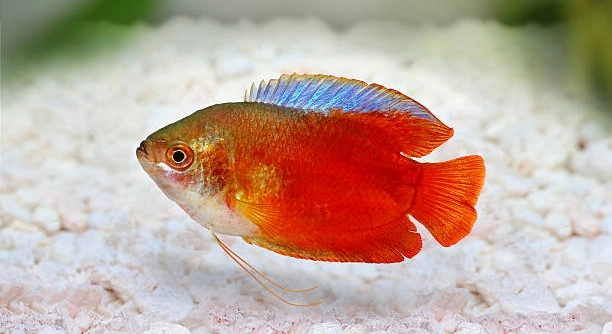
Giant gouramis are fascinating fish, admired for their size and calm presence in home aquariums. Owners often notice changes in their behavior, especially when their breathing appears faster or more labored than usual.
Heavy breathing in giant gouramis is often caused by environmental stress, poor water quality, infections, or inadequate oxygen levels. Identifying the exact reason requires close observation of water conditions, diet, and physical signs to ensure proper care and treatment.
Understanding these factors will help you take timely action to support your fish’s health and prevent minor issues from becoming serious problems.
Poor Water Quality
Poor water quality is one of the most common reasons giant gouramis breathe heavily. When ammonia, nitrite, or nitrate levels rise, it creates stress and makes it hard for fish to absorb oxygen efficiently. Uneaten food, decaying plants, and overcrowding can worsen water conditions quickly. Regular testing and maintenance are essential. Cleaning filters, performing partial water changes, and removing debris from the tank help maintain a stable and healthy environment. Sudden changes in pH or temperature also affect breathing patterns, causing rapid or labored gill movements. A well-balanced, clean tank ensures your giant gourami can thrive without struggling to get oxygen. Even minor fluctuations can cause noticeable stress, so consistency is key. Observing water clarity, smell, and the behavior of all tank inhabitants provides clues about water health. Keeping the environment stable supports your fish’s long-term well-being and reduces heavy breathing.
Maintaining clean water prevents stress, disease, and breathing issues, giving your giant gourami a safe and comfortable habitat.
Monitoring water regularly and addressing imbalances immediately reduces risk and keeps your fish active, calm, and healthy.
Oxygen Deficiency
Low oxygen levels can lead to heavy breathing in giant gouramis. This happens when tanks are overcrowded, water circulation is poor, or plants consume too much oxygen at night.
Oxygen deficiency slows metabolism and causes gasping at the surface. Increasing aeration, using air pumps, and adding live plants that release oxygen during the day help improve oxygen levels. Proper tank size and reduced crowding allow each fish enough space to breathe comfortably. Temperature also affects oxygen availability; warmer water holds less oxygen, making it essential to monitor heater settings. Observing your fish regularly can help identify early signs of low oxygen before serious health problems develop. Correcting circulation issues and ensuring adequate oxygenation supports normal breathing and overall vitality. Healthy fish are more active, show better appetite, and display natural colors, all of which reflect a well-oxygenated tank. Consistent care, combined with attention to tank conditions, can prevent oxygen-related stress.
Stress from Tank Mates
Aggressive or overly active tank mates can stress giant gouramis, causing heavy breathing. Conflicts, chasing, or competition for food increase anxiety and impact overall health.
Stress reduces immunity and makes fish more vulnerable to disease. Giant gouramis are generally peaceful but can feel threatened in a crowded or poorly arranged tank. Providing hiding spots, separating aggressive fish, and maintaining a calm environment helps reduce stress levels. Avoid adding species known for fin nipping or constant chasing, as this directly affects breathing and activity. A stable social environment allows your gourami to eat, rest, and swim comfortably without unnecessary strain, which improves breathing patterns. Regular observation of interactions helps prevent long-term stress and related health issues.
Overcrowding amplifies tension and oxygen competition. Ensuring enough space and maintaining compatible tank mates keeps your giant gourami relaxed and prevents heavy breathing caused by environmental stress.
Proper arrangement and monitoring of tank dynamics support calmer behavior, improved health, and a more stable tank ecosystem for your fish.
Illness or Infection
Bacterial, fungal, or parasitic infections can cause heavy breathing in giant gouramis. Infections often affect gills, skin, or internal organs, making oxygen intake more difficult. Early detection and treatment are essential to prevent serious complications.
Symptoms may include lethargy, clamped fins, unusual spots, or changes in appetite. Quarantining affected fish, treating with appropriate medications, and maintaining optimal water conditions are critical steps. Stress and poor water quality often worsen infections, so addressing these factors simultaneously improves recovery. Observing your fish closely allows you to notice subtle changes in behavior or breathing before infections escalate. Timely intervention prevents long-term damage and helps restore normal respiratory function.
Maintaining a clean environment, balanced diet, and minimizing stressors reduces infection risk. Healthy fish breathe easily and show more vibrant activity, reflecting proper care and attention to both water quality and disease prevention.
Overfeeding
Overfeeding can lead to heavy breathing in giant gouramis. Excess food decomposes, reducing water quality and increasing ammonia, which stresses the fish.
A proper feeding routine with measured portions supports healthy digestion and prevents water contamination. Feeding once or twice a day and removing leftovers keeps the tank clean and the fish comfortable.
Temperature Fluctuations
Sudden changes in water temperature affect metabolism and oxygen absorption, causing rapid or labored breathing. Giant gouramis thrive in stable conditions between 24°C and 28°C. Maintaining a consistent heater setting and avoiding drafts or direct sunlight helps keep their environment balanced.
Gill Damage
Physical injury or irritation to gills can make breathing difficult. Sharp decorations, rough handling, or parasites can damage delicate gill tissue. Immediate attention and isolation of affected fish prevent further injury and allow recovery. Regular observation of gills ensures early detection of problems and protects normal respiration.
Why is my giant gourami breathing heavily even though the water looks clean?
Even if the water appears clear, harmful compounds like ammonia or nitrites can still be present. These chemicals are invisible to the naked eye but stress the fish, causing rapid gill movements. Regular water testing and partial water changes are essential to ensure the tank remains truly safe and healthy.
Can overfeeding cause heavy breathing in my giant gourami?
Yes, overfeeding leads to uneaten food decomposing in the tank. This decomposition produces toxins like ammonia, which reduce oxygen levels and irritate gills. Feeding measured portions once or twice daily, and removing leftovers, helps maintain water quality and keeps your fish breathing normally.
Could my giant gourami be stressed by other fish?
Absolutely. Aggressive or overly active tank mates increase stress, which can lead to heavy breathing. Chasing, fin nipping, or competition for food makes your gourami anxious. Creating hiding spots and ensuring compatible species in the tank helps reduce stress levels.
Is temperature affecting my giant gourami’s breathing?
Temperature fluctuations impact metabolism and oxygen availability in water. Sudden drops or rises can make breathing difficult. Maintaining a stable temperature between 24°C and 28°C and avoiding direct sunlight or drafts supports normal respiratory function and overall health.
Can diseases cause heavy breathing in giant gouramis?
Yes. Bacterial, fungal, and parasitic infections often target gills, skin, or internal organs. This makes it harder for your fish to absorb oxygen. Early detection through observation of lethargy, clamped fins, or unusual spots, combined with appropriate treatment, can restore normal breathing.
Do low oxygen levels make my gourami breathe faster?
Low oxygen in the tank forces your fish to gasp at the surface and breathe heavily. Causes include overcrowding, poor circulation, and plants consuming oxygen at night. Adding aeration, improving water movement, and maintaining proper stocking levels help keep oxygen levels sufficient.
Could gill damage be the reason for heavy breathing?
Yes, injuries to gills from sharp decorations, rough handling, or parasites make breathing difficult. Observing gill condition regularly and isolating affected fish prevents worsening issues and supports recovery. Healthy gills are essential for normal respiration and overall vitality.
Can water chemistry affect breathing even if everything else seems fine?
Water parameters like pH, hardness, and nitrates directly influence oxygen absorption. Even slight imbalances can stress your gourami. Testing and adjusting these parameters regularly ensures the water remains within a suitable range, supporting consistent breathing and long-term health.
Does overpopulation in the tank affect my giant gourami?
Overcrowding increases competition for oxygen and creates stress. Each fish needs enough space to move freely and access surface oxygen. Providing adequate tank size and limiting the number of inhabitants reduces heavy breathing and promotes calmer behavior.
How quickly should I act if I notice heavy breathing?
Immediate action is crucial. Check water quality, temperature, and tank mates first. Isolate sick or stressed fish if necessary, and treat infections promptly. The faster you address the underlying cause, the better the chance your giant gourami will return to normal breathing and remain healthy.
Are there preventive measures to avoid heavy breathing in the future?
Consistent maintenance, regular water testing, proper feeding, and careful selection of tank mates reduce the likelihood of breathing issues. Monitoring your fish’s behavior and environment helps catch problems early, keeping your giant gourami comfortable, active, and healthy.
This FAQ section covers the main causes and preventive strategies for heavy breathing in giant gouramis, providing practical steps to ensure their well-being.
Taking care of a giant gourami requires attention to several key aspects of its environment and daily care. Heavy breathing is a clear sign that something in the tank is not ideal for the fish, whether it is related to water quality, oxygen levels, diet, or stress from tank mates. Observing your gourami’s behavior regularly can provide early warning signs of issues before they become serious. Simple steps like testing water parameters, performing partial water changes, and maintaining a consistent temperature can prevent many common problems. Overfeeding, overcrowding, and sudden changes in water conditions are often the cause of stress, which directly affects breathing. Addressing these factors promptly ensures your fish can thrive in a stable and comfortable environment. Paying close attention to the tank setup and daily routines creates a safer habitat and reduces the risk of illness or distress in your gourami.
Health issues like infections or gill damage can also make your giant gourami breathe heavily. While these problems may seem alarming, they are often treatable if caught early. Keeping the tank clean, avoiding sharp decorations, and isolating any sick fish helps prevent the spread of disease. Monitoring for physical signs such as clamped fins, spots, or unusual behavior allows for timely intervention. A proper diet, free from overfeeding, supports the fish’s immune system and keeps energy levels steady, which can improve breathing and overall health. Ensuring that tank mates are compatible and non-aggressive reduces stress and prevents the fish from feeling threatened. Simple preventive care, along with consistent observation, goes a long way in maintaining the well-being of your gourami and avoiding prolonged breathing problems.
Ultimately, the health of a giant gourami depends on careful attention to its environment and daily needs. Heavy breathing is rarely an isolated issue and usually signals that something requires adjustment. By monitoring water quality, maintaining stable oxygen and temperature levels, and providing a calm, safe space, most causes of labored breathing can be avoided. Understanding the factors that affect your fish’s behavior allows you to act quickly when problems arise and ensures long-term well-being. Regular observation, proper tank maintenance, and thoughtful care create a supportive habitat where your gourami can remain active, healthy, and comfortable. With patience and consistency, addressing these issues becomes part of a routine that benefits both the fish and the overall aquarium environment, resulting in a thriving aquatic home.

Hello,
If you enjoy the content that we create, please consider saying a "Thank You!" by leaving a tip.
Every little bit helps us continue crafting quality advice that supports the health, happiness, and well-being of pets around the world, for pets of all shapes, sizes, and species.
We really appreciate the kindness and support that you show us!