
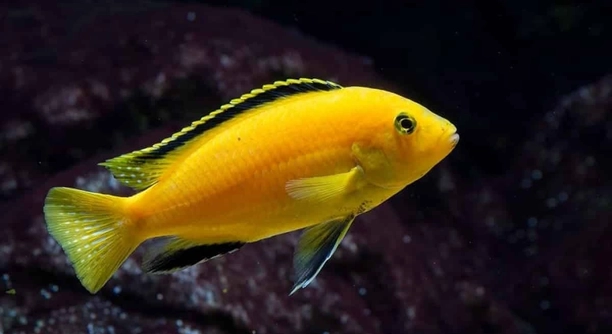
Are your electric yellow cichlids suddenly breathing faster than usual? This behavior can be alarming for any fish owner. Many factors, from water quality to stress, can make these vibrant fish struggle to get enough oxygen efficiently.
Rapid gill movement in electric yellow cichlids typically indicates stress or environmental issues. Common causes include poor water quality, high ammonia levels, low oxygen concentration, temperature fluctuations, or underlying illness, all of which can negatively impact fish respiration and overall health.
Recognizing the signs early can help prevent long-term harm. By understanding these triggers, you can maintain a safer, more comfortable environment for your cichlids.
Poor Water Quality
Electric yellow cichlids are sensitive to their environment, and poor water quality is a common reason for rapid breathing. High ammonia, nitrite, or nitrate levels can irritate their gills, making it hard for them to extract oxygen. Dirty filters, uneaten food, or overstocked tanks contribute to toxic buildup, affecting fish health. Even minor fluctuations in pH or hardness can cause stress. I’ve noticed that a simple water test can reveal these issues quickly, helping me adjust filtration or perform partial water changes. Maintaining a clean tank reduces the risk of gill irritation and promotes steady, calm breathing. Regular monitoring of water parameters is essential to keep these bright fish thriving. Treating the water and keeping the environment stable can prevent respiratory strain. Fish exposed to clean, balanced water show calmer behavior, smoother breathing, and better coloration.
Testing water weekly and keeping levels balanced ensures your cichlid stays healthy and comfortable.
Keeping water quality high not only prevents rapid breathing but also lowers the risk of infections. I learned that investing in a reliable water test kit and filter system saves time and stress. By changing 20-30% of water weekly and removing debris, the tank remains stable. Aeration can improve oxygen levels, which helps the fish breathe easier. Observing the fish daily also allows early detection of subtle changes in behavior or color. Overfeeding or leaving leftover food can spike ammonia quickly, so portion control is crucial. The temperature should remain steady, as sudden changes worsen stress. By focusing on these small adjustments, I noticed my cichlid’s breathing returned to normal, and its activity level improved. Clean water makes a tangible difference in fish health, creating a safe space for your electric yellow cichlid to thrive and display its vibrant colors without strain.
Stress from Tank Mates
Aggressive or incompatible tank mates can cause cichlids to breathe rapidly due to stress and constant alertness.
Conflicts over territory or food trigger high-stress levels, which increase respiration rate. I’ve seen shy cichlids hide constantly when housed with dominant fish, showing heavy gill movement. Providing adequate hiding spaces and monitoring interactions can reduce stress. Rearranging decorations occasionally helps lessen territorial disputes. Stress not only affects breathing but can weaken the immune system, making fish prone to illness. It’s important to select compatible species and observe their behavior daily. By reducing aggression in the tank, your electric yellow cichlid can relax, swim freely, and maintain normal breathing patterns. Proper spacing, plants, or rock formations allow fish to retreat when needed, creating a calmer environment. Additionally, avoiding overcrowding ensures each fish has enough room to claim its territory without conflict. Regular observation helps identify signs of bullying or tension, allowing timely intervention. A peaceful setup keeps both breathing rates and overall health in check.
Low Oxygen Levels
Insufficient oxygen in the tank can cause electric yellow cichlids to breathe quickly. Poor water circulation or overcrowding lowers available oxygen, forcing fish to work harder to get enough air. Aeration and regular water movement help maintain healthy oxygen levels.
I’ve found that adding an air stone or adjusting filter output can make a noticeable difference in fish breathing. Oxygen levels drop faster in warmer water, so keeping the temperature stable is crucial. Avoiding overstocking and ensuring proper surface agitation improves gas exchange. Observing your fish daily shows whether changes are effective. Rapid gill movement usually slows once oxygen levels stabilize.
Monitoring dissolved oxygen is important. Using an oxygen test kit and maintaining aeration ensures cichlids stay comfortable. I noticed that when I improved water flow, my cichlid became calmer, ate normally, and its breathing returned to a steady rhythm. Maintaining consistent conditions prevents long-term stress and supports overall health.
Illness or Infection
Gill diseases or internal infections often lead to fast breathing in electric yellow cichlids. Parasites, bacteria, or fungal infections can damage gill tissue, making oxygen intake difficult.
When I dealt with gill flukes, I noticed my cichlid staying near the water surface and moving less. Prompt diagnosis and treatment are essential to prevent deterioration. Quarantining affected fish and following medication instructions carefully improves recovery chances.
Common symptoms include lethargy, clamped fins, or unusual spots alongside rapid breathing. Keeping the tank clean and avoiding sudden temperature changes reduce the likelihood of infection. I also make sure to maintain a stress-free environment, as weakened fish are more prone to illness. Regular observation and early intervention allow recovery before severe damage occurs, helping my cichlid regain normal breathing and vibrant coloration.
High Water Temperature
Warm water holds less oxygen, causing cichlids to breathe faster. Sudden increases in temperature can stress fish and make respiration more difficult.
I keep a reliable heater and thermometer to maintain a stable temperature. Gradual adjustments prevent shock and help my cichlid stay calm and healthy.
Overfeeding
Excess food decomposes quickly, increasing ammonia and lowering oxygen levels. Overfeeding can make fish work harder to breathe and digest properly. I control portions carefully, removing leftovers to maintain a clean, balanced tank.
Stress from Handling
Frequent netting or moving the fish can trigger rapid breathing. Handling should be minimal and gentle to reduce stress and allow recovery.
Poor Tank Maintenance
Infrequent water changes and clogged filters contribute to toxins and low oxygen, making breathing difficult. Keeping a regular cleaning schedule ensures a healthier environment.
What causes my electric yellow cichlid to breathe rapidly?
Rapid breathing is usually linked to stress, poor water quality, or low oxygen levels. High ammonia, nitrites, or temperature fluctuations irritate the gills and make the fish work harder to get oxygen. I noticed that even small changes in the tank environment can affect breathing.
How can I tell if it’s a serious problem?
If rapid breathing continues for more than a few hours, or if the fish shows other signs like clamped fins, lethargy, or hiding, it’s often a sign of illness or severe stress. I learned that consistent monitoring helps catch problems early before they escalate.
Can water temperature affect breathing?
Yes. Warm water holds less oxygen, which makes cichlids breathe faster. Sudden temperature increases are particularly stressful. I always keep a thermometer in my tank and adjust heaters gradually. Stable temperatures keep fish calm and help maintain normal breathing patterns.
Does overcrowding impact respiration?
Overcrowding reduces oxygen availability and increases stress, causing rapid gill movement. I make sure my tank isn’t overstocked and provide enough space for each fish to move freely. This simple step has improved my cichlid’s comfort and breathing.
How often should I check water quality?
Weekly testing is ideal. Ammonia, nitrite, nitrate, and pH levels directly affect gill function. I’ve found that keeping a small test kit near my tank makes it easier to monitor water quality consistently and prevents sudden respiratory issues.
Can diet influence breathing?
Yes. Overfeeding increases waste, which raises ammonia and lowers oxygen, stressing the fish. I feed measured portions and remove leftovers promptly. Balanced nutrition helps cichlids stay healthy, energetic, and maintain steady breathing.
What role does tank maintenance play?
Regular water changes and filter cleaning are essential. I aim for partial water changes weekly and check filters for clogs. Clean tanks reduce toxins, maintain oxygen, and prevent stress-related rapid breathing. Poor maintenance is often the main reason fish show respiratory problems.
Could illness be causing fast breathing?
Diseases like gill flukes, bacterial infections, or parasites damage gills and make oxygen intake difficult. I quarantine new fish and observe closely for symptoms like spots, lethargy, or clamped fins. Early treatment with appropriate medication usually restores normal breathing.
How can I reduce stress from tank mates?
Aggressive or territorial fish can cause constant stress, leading to rapid breathing. I provide hiding spaces and choose compatible species. Rearranging decorations occasionally helps reduce territorial disputes. Observing interactions allows me to intervene before stress becomes harmful.
Are there signs my fish is recovering?
Yes. Slower, steady breathing, increased activity, and bright coloration indicate improvement. I’ve learned that consistent observation and maintaining stable water parameters make recovery faster and help prevent recurring stress or illness.
What immediate steps should I take if my fish is breathing fast?
Check water quality, temperature, and oxygen levels first. Adjust filtration or aeration if needed. Observe for aggression or illness. I usually perform a partial water change and ensure the tank environment is calm. Quick action often prevents further respiratory strain and promotes faster recovery.
Can adding plants help with oxygen levels?
Yes. Live plants produce oxygen during the day and can slightly improve water quality. I pair them with proper aeration and regular water movement, which creates a more comfortable environment for my cichlid and helps maintain normal breathing patterns.
Is handling the fish safe when breathing rapidly?
Handling should be minimized. Stress from nets or movement can worsen rapid breathing. I only handle fish when necessary, using gentle techniques, and return them quickly to the tank to allow recovery. Reducing handling keeps respiration steady and lowers stress.
How do I prevent rapid breathing long-term?
Maintain clean water, stable temperature, balanced feeding, and compatible tank mates. Regular observation and quick intervention for illness or stress are key. Over time, these habits have kept my cichlids breathing normally and staying healthy, showing vibrant colors and active behavior.
Are there tools to monitor breathing and stress?
Watching gill movement and activity is the simplest way. I also track water parameters with kits and note changes in behavior. Consistent monitoring helps me identify issues early and take corrective steps before serious problems develop.
What should I do if rapid breathing continues despite all precautions?
Persistent rapid breathing may indicate underlying illness. I isolate the fish in a quarantine tank and consult a veterinarian or trusted aquarium specialist. Professional guidance helps diagnose and treat conditions that aren’t easily fixed by environmental adjustments alone.
Caring for electric yellow cichlids requires attention to their environment, diet, and behavior. Rapid breathing is often one of the first signs that something in the tank is off. I have noticed that even small changes, like a minor rise in temperature or leftover food sitting on the bottom, can make a noticeable difference in how my cichlid breathes. Keeping water clean and stable is one of the simplest but most important steps. Regular testing for ammonia, nitrite, nitrate, and pH levels allows me to catch problems before they become serious. Partial water changes every week and a well-maintained filter make a big difference in preventing respiratory stress. Over time, maintaining a consistent routine has helped my cichlids stay calm, active, and show their bright, natural colors.
Stress is another major factor that affects breathing in these fish. Aggressive tank mates, overcrowding, or frequent handling can all cause my cichlids to breathe rapidly. I’ve learned that providing hiding spaces and giving fish enough room to establish territory helps them feel more secure. Rearranging tank decorations occasionally also reduces conflicts over territory. Minimizing handling and avoiding sudden disruptions keep stress low, which directly affects breathing. Even when water quality is perfect, stress can still cause heavy gill movement. Watching behavior closely and making adjustments based on observation has been a simple way for me to prevent long-term issues. Reducing stress improves immune function, helps prevent illness, and encourages natural activity, all of which support normal breathing patterns.
Illness and infections can also be behind rapid breathing. Gill parasites, bacterial infections, or fungal problems make it harder for cichlids to get oxygen efficiently. I have found that quarantining new fish before adding them to the main tank reduces the risk of introducing disease. Observing the fish for symptoms like clamped fins, spots, or unusual hiding behaviors allows me to act quickly. Early intervention with proper medication and adjustments to water conditions usually restores normal breathing. Combining good water quality, stress reduction, and attentive observation creates a healthy environment that keeps my electric yellow cichlids thriving. Maintaining these routines consistently ensures that rapid breathing is less likely to happen and that the fish can live comfortably for years.

Hello,
If you enjoy the content that we create, please consider saying a "Thank You!" by leaving a tip.
Every little bit helps us continue crafting quality advice that supports the health, happiness, and well-being of pets around the world, for pets of all shapes, sizes, and species.
We really appreciate the kindness and support that you show us!