
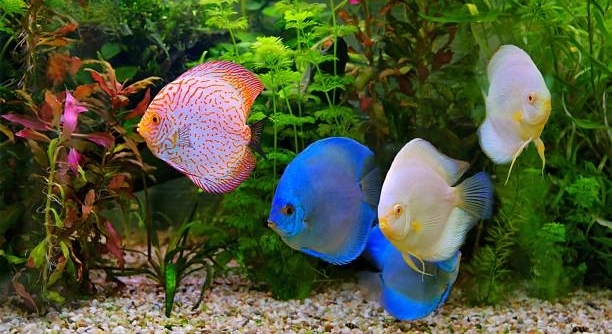
Is your discus fish refusing to eat despite your efforts to feed it? This common issue can be frustrating for fish owners who want to keep their pets healthy and happy. Understanding the causes helps in providing the right care for your discus.
Discus fish may stop eating due to stress, illness, poor water conditions, inappropriate diet, or changes in their environment. Identifying the root cause is crucial to restoring their appetite and ensuring their well-being.
Knowing these reasons will help you take effective steps to support your discus and improve its feeding habits over time.
Stress and Environment Changes
Discus fish are sensitive to their surroundings. Sudden changes in water temperature, new tank mates, or even rearranging decorations can cause them to stop eating. Stress weakens their immune system and disrupts normal behavior. If you recently introduced any changes, try to keep the tank calm and stable. Avoid loud noises and bright lights around the aquarium. Use a water conditioner and keep the water clean to reduce stress. A stable environment helps discus feel safe and more willing to eat. It’s important to observe your fish closely during any changes. They might hide or act sluggish when stressed. Giving them time to adjust is often all they need.
Stress is a common reason discus stop eating, especially after sudden environment changes.
Maintaining consistent water conditions and minimizing disruptions encourages your discus to regain its appetite. Try to keep the tank quiet and steady, and check water parameters regularly. If stress is reduced, your fish will feel more comfortable and start eating normally again.
Water Quality Issues
Poor water quality is one of the biggest problems for discus fish. High ammonia, nitrite, or nitrate levels can make them sick and lose their appetite. Uneven pH or hardness can also affect their health. Regular water testing is essential to catch problems early. Perform partial water changes to keep the water clean and safe. Using a good filter helps remove waste and toxins. Dirty water stresses discus and can lead to disease. If your fish stop eating and you notice cloudy water or bad smells, water quality might be the issue.
Testing water weekly ensures a healthy environment for your discus.
Proper water care supports your fish’s immune system and keeps them active. When water is clean and balanced, discus feel comfortable and eat well. Pay attention to the tank’s condition and make adjustments if needed. Regular cleaning and monitoring will prevent problems before they get worse. This helps maintain your discus fish’s health and appetite long-term.
Illness and Parasites
Illness or parasites can cause your discus fish to lose interest in food quickly. Symptoms like lethargy, spots, or clamped fins often show alongside appetite loss. Treating the illness early is important to avoid serious health problems.
Common diseases like ich or bacterial infections stress discus and affect their appetite. Parasites may irritate the fish internally or externally, making eating uncomfortable or painful. If you notice unusual behavior or physical signs, consider quarantining the fish and using appropriate medication. A healthy diet and clean environment support recovery, but medical treatment is often necessary. Monitoring your discus regularly helps catch problems early and prevents them from worsening.
Proper diagnosis and treatment can bring your discus back to normal eating habits. Veterinary advice or advice from experienced fish keepers may be needed to address specific illnesses effectively.
Poor Diet and Feeding Habits
Discus fish need a balanced diet tailored to their nutritional needs. Feeding only flakes or pellets might not provide enough variety, causing them to lose interest. Offering fresh or frozen foods like bloodworms, brine shrimp, or specially formulated discus pellets improves appetite and health.
Overfeeding or irregular feeding schedules can also lead to appetite problems. Too much food causes water pollution and digestive issues, while inconsistent feeding confuses the fish. Establish a routine, feed smaller amounts multiple times a day, and remove uneaten food promptly. This helps keep the tank clean and your discus interested in eating. Variety in food keeps your discus excited during mealtime and supports their overall well-being. Proper feeding habits are essential for a healthy, active fish.
Temperature Fluctuations
Discus fish prefer stable, warm water between 82°F and 86°F. Sudden temperature changes can cause stress and reduce their appetite.
Keeping the temperature steady with a reliable heater is important. Avoid placing the tank near windows or vents where temperature shifts happen frequently.
Tank Mates
Aggressive or overly active tank mates can intimidate discus fish, making them hide and refuse to eat. Choose peaceful species that won’t compete for food or space.
Providing enough hiding spots and visual barriers helps discus feel safe. A calm environment encourages natural feeding behavior and reduces stress.
Poor Lighting
Bright or inconsistent lighting can stress discus fish. Too much light might make them uncomfortable and less likely to eat.
Use soft, natural lighting and maintain a regular day-night cycle to mimic their natural environment. This helps your discus feel more relaxed and ready to feed.
FAQ
Why has my discus fish suddenly stopped eating?
There are many reasons your discus might stop eating suddenly. Stress from changes in water quality, temperature, or tank setup is common. Illness or parasites can also cause appetite loss. Sometimes, diet changes or aggressive tank mates may affect feeding habits. Identifying the cause quickly can help you fix the problem before it worsens. Check water conditions, observe your fish for signs of sickness, and make sure the diet is varied and suitable.
How long can a discus fish go without eating?
Discus fish can survive a few days without food, but going longer than a week without eating is dangerous. Prolonged fasting weakens their immune system and can lead to illness or death. If your discus stops eating for more than two days, it’s important to take action by checking the tank environment and health of the fish.
What should I feed my discus if it refuses regular food?
If your discus won’t eat flakes or pellets, try offering live or frozen foods like bloodworms, brine shrimp, or daphnia. These are more natural and often stimulate appetite. You can also soak pellets in garlic juice or add vitamin supplements to make the food more appealing. Feeding small amounts multiple times a day can encourage eating without overwhelming the fish.
Can stress cause my discus fish to stop eating?
Yes, stress is one of the main reasons discus stop eating. Stress can come from poor water quality, sudden changes in tank conditions, loud noises, or aggressive tank mates. Stress affects their immune system and normal behavior, making them hide or refuse food. Reducing stress by stabilizing the environment and providing hiding places can help improve appetite.
How do I know if my discus fish is sick?
Signs of sickness include clamped fins, lethargy, unusual swimming patterns, white spots, redness, or swelling. Loss of appetite often accompanies these symptoms. If you notice any of these signs, test water quality immediately and consider quarantining the fish. Early treatment with proper medication improves chances of recovery.
How often should I change the water to keep my discus healthy?
Regular water changes are crucial for discus health. Changing 20-30% of the water weekly helps keep ammonia, nitrite, and nitrate levels low. Clean water supports the immune system and reduces stress. Avoid large or sudden water changes, as discus prefer stable conditions.
Can temperature affect my discus fish’s eating habits?
Yes, discus need warm, stable water between 82°F and 86°F. Lower or fluctuating temperatures slow their metabolism and reduce appetite. Use a reliable heater and thermometer to maintain consistent temperatures. Avoid placing the tank near drafts or heat sources that cause fluctuations.
Are there any tank mates that may cause feeding issues for discus?
Aggressive or fast-moving fish can stress discus and compete for food. Avoid keeping discus with large cichlids, barbs, or overly active fish. Peaceful species like tetras or Corydoras are better companions. Providing plenty of hiding spots also helps discus feel safe while feeding.
What can I do if my discus refuses to eat even after fixing water and diet?
If your discus still won’t eat after improving water quality and offering varied food, it may be sick or stressed. Consider consulting a vet or experienced fish keeper. Quarantine the fish and try medicated treatments if needed. Sometimes slow recovery takes patience and careful monitoring.
How important is lighting for discus feeding behavior?
Lighting affects discus comfort and feeding habits. Bright or inconsistent lighting can cause stress and reduce appetite. Use soft lighting and maintain a regular light schedule, mimicking natural day and night cycles. This encourages normal behavior and feeding routines.
Discus fish are beautiful and delicate creatures that need special care. When they stop eating, it can be worrying. Many factors can cause this, like stress, poor water quality, illness, or diet problems. Understanding these reasons helps you take the right steps to help your fish. Keeping their tank stable and clean is very important. Discus fish are sensitive to sudden changes, so maintaining a calm and steady environment is the best way to keep them healthy.
Water quality plays a big role in your discus fish’s appetite. Regularly testing and changing the water helps keep harmful chemicals low. Clean water reduces stress and lowers the chance of illness. Temperature also matters because discus need warm water to stay active and eat well. When you feed your fish, make sure the food is nutritious and varied. Offering different types of food, like frozen or live options, can encourage your discus to eat, especially if they become picky or stressed.
If your discus still won’t eat after trying these steps, it may be sick or stressed. Watching for signs of illness like changes in color or behavior can help you catch problems early. Sometimes, medication or advice from a professional is needed. Patience is key because recovery can take time. By paying attention to your discus fish’s needs and keeping their environment healthy, you can help them get back to their normal eating habits and enjoy a long, healthy life.

Hello,
If you enjoy the content that we create, please consider saying a "Thank You!" by leaving a tip.
Every little bit helps us continue crafting quality advice that supports the health, happiness, and well-being of pets around the world, for pets of all shapes, sizes, and species.
We really appreciate the kindness and support that you show us!