
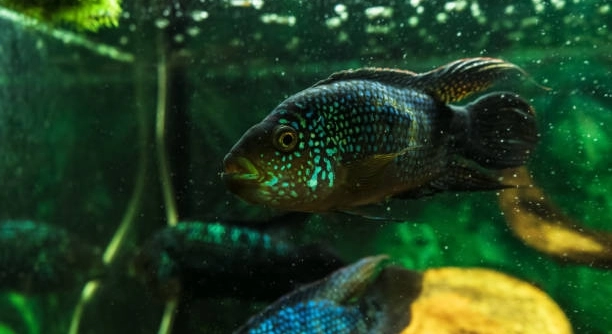
Do you ever notice your Dempsey fish ignoring its fry even though you expected it to protect them? Many hobbyists face this surprising behavior and wonder what could be causing their normally attentive fish to act differently.
The primary reason your Dempsey fish may not guard fry involves stress and environmental factors. Poor water conditions, inadequate hiding spots, or sudden changes in the tank can suppress natural parental instincts, resulting in reduced care and protection of the offspring.
Understanding these common reasons can help improve your fish’s behavior and increase fry survival. Knowing the factors at play sets the stage for better care strategies.
Tank Conditions Are Key
Dempsey fish are sensitive to their surroundings. If the water is too warm, too cold, or fluctuating, it can stress them out. Poor filtration or high ammonia and nitrate levels may also make them uneasy, reducing their natural instinct to protect fry. Even small changes, like moving decorations or rearranging plants, can make them feel insecure. When a fish feels threatened, guarding behavior often takes a backseat to self-preservation. Providing consistent, clean water and stable conditions allows your Dempsey to feel safe, encouraging proper parental care. Monitoring water parameters regularly is essential, as minor changes can go unnoticed but still affect behavior. Additionally, tank size matters; overcrowded tanks can increase aggression and stress, leaving fry vulnerable. Offering a structured environment with hiding spots for fry can also improve survival rates. Overall, attention to tank conditions directly supports your fish’s natural behaviors and increases the likelihood that fry will be protected.
Keeping water stable and providing hiding spots helps Dempseys feel secure and more likely to guard their fry effectively.
Stress from improper tank conditions can override instincts. Even if your Dempsey is normally protective, constant disturbances, overcrowding, or poor water quality can reduce attention to fry. Structured tank environments with plants or caves give fry safe spaces and reassure adult fish. Clean, stable water, proper temperature, and minimal sudden changes promote natural guarding behavior. By focusing on environmental stability, fry survival chances increase. Observing your fish regularly helps identify issues before fry are endangered. Simple adjustments like adding hiding spots or checking water chemistry can make a noticeable difference. This approach emphasizes prevention rather than reaction. Ensuring a balanced environment encourages Dempseys to exhibit the parental care they are capable of, which leads to healthier, more secure fry and a more predictable tank dynamic.
Overcrowding and Tank Mates
Too many fish in a tank can interfere with guarding behavior.
Dempsey fish need space to feel confident in protecting fry. Overcrowded tanks lead to stress, increased aggression, and distractions from the fry. Other fish may even harass fry, making the parent hesitant to guard. Limiting tank population and selecting compatible species ensures your Dempsey can focus on care without constant interference. Providing separate fry areas or using tank dividers can further protect young fish and give parents a sense of control. These measures reduce stress and encourage natural guarding behavior, directly impacting fry survival.
Diet and Nutrition
A poorly balanced diet can reduce a Dempsey’s energy and interest in guarding fry. Lack of essential nutrients makes them less attentive and less capable of defending their young.
High-quality protein and occasional live foods are important. Dempseys need a diet that supports their energy levels, especially when they have fry to care for. Feeding too little or giving only flakes may not provide enough nutrition for proper parental behavior. Proper feeding schedules and varied diets ensure fish remain strong and attentive. Healthy fish are more likely to exhibit natural guarding instincts, protecting fry efficiently.
Nutrition also affects hormonal balance, which is tied to breeding behavior. If a Dempsey lacks necessary vitamins and minerals, it may not feel motivated to guard fry. Adding live or frozen foods like brine shrimp, bloodworms, and occasional pellets boosts energy and encourages natural instincts. Overfeeding should be avoided, as it can lead to water issues that increase stress. Balanced nutrition and careful feeding promote overall health, directly influencing the fish’s ability to care for fry.
Breeding Experience
Inexperienced Dempseys may struggle with guarding fry effectively.
First-time breeders often lack confidence and may ignore or even harm fry unintentionally. Experience improves awareness, timing, and instinctive behaviors related to protecting young.
Repeated breeding cycles help fish learn proper care techniques. Older or more experienced Dempseys develop routines, recognize threats, and know when to protect fry. Inexperienced fish may abandon fry at the slightest disturbance or fail to recognize danger. Patience is essential, as repeated breeding allows fish to adapt. Providing a calm environment and minimal interference supports learning, helping them gradually become more attentive parents. Over time, experience combined with proper conditions encourages natural guarding behaviors and increases fry survival.
Water Temperature Fluctuations
Sudden changes in water temperature can stress Dempsey fish, making them less likely to guard fry. Even small swings can affect behavior and energy levels, reducing parental instincts.
Maintaining a stable temperature within the ideal range is essential. A consistent environment helps fish feel secure, encouraging natural protective behavior toward fry.
Parental Fatigue
Dempseys can become exhausted from continuous guarding, especially in large clutches. Overworked parents may stop paying attention, leaving fry unprotected.
Careful monitoring and occasionally separating fry in larger groups can prevent fatigue. Providing proper nutrition and rest opportunities allows parents to regain energy and maintain guarding behavior effectively.
Aggression Between Mates
Conflicts between male and female Dempseys can disrupt fry care. Arguments or chasing each other may leave fry unattended or at risk of injury.
Reducing tension by providing hiding spaces and monitoring interactions can protect fry. Peaceful coexistence improves parental attention and increases fry survival chances.
FAQ
Why isn’t my Dempsey guarding the fry at all?
Even healthy Dempseys may ignore fry if they feel stressed or unsafe. Common causes include poor water conditions, overcrowding, or sudden changes in the tank. First-time breeders may also lack instinct or confidence, leading to neglect. Ensuring stable conditions, proper nutrition, and enough hiding spaces for fry often encourages natural guarding behavior.
Can Dempseys become aggressive toward their fry?
Yes, sometimes adult Dempseys will eat or chase fry if stressed, inexperienced, or overworked. This is more common in tanks without proper hiding spots or in overcrowded conditions. Separating fry or providing structured tank areas reduces risk and helps parents focus on guarding rather than attacking.
How do I improve fry survival without separating parents?
Focus on reducing stress and creating a safe environment. Stable water parameters, minimal disturbances, and sufficient hiding spaces for fry help Dempseys maintain parental instincts. Feeding adults high-quality protein also ensures they have energy for protection. Observing fish behavior lets you intervene before fry are in danger.
Does diet affect parental behavior?
Absolutely. Dempseys need proper nutrition to maintain energy for guarding fry. Live or frozen foods like brine shrimp, bloodworms, and protein-rich pellets encourage alertness and natural instincts. Overfeeding or feeding low-quality food can reduce attention to fry, while balanced nutrition supports both health and protective behavior.
What tank size is best for fry protection?
Larger tanks reduce stress by giving parents space to guard fry without constant interference. Overcrowded tanks increase aggression and distraction, making it easier for fry to be overlooked. Providing separate zones or tank decorations also offers safety and helps parents manage their young more effectively.
How long should Dempseys guard fry?
Guarding typically lasts one to two weeks, depending on fry development and environmental conditions. Parents gradually reduce attention as fry become more independent. Monitoring behavior ensures that fry have safe spaces until they can survive on their own.
Can environmental changes stop guarding suddenly?
Yes. Even small shifts, like moving decorations, changing tankmates, or fluctuations in temperature, can trigger parents to abandon fry. Maintaining consistency and a calm environment is essential for continuous protection. Slow, gradual changes are less likely to disrupt guarding instincts.
Do both parents always guard fry?
Not necessarily. In some cases, one parent may be more attentive while the other focuses on defending territory or resting. Conflicts between mates can also affect guarding. Observing patterns and providing adequate space ensures both parents can contribute without stressing each other.
Is it normal for fry to hide constantly?
Yes, hiding is a natural response for survival, especially in the first few days. Dense plants, rocks, or artificial shelters give fry a chance to avoid predators, including overly protective or aggressive parents. Ensuring these areas exist improves survival rates.
When should I intervene and separate fry?
Intervention is needed if parents show signs of aggression, neglect, or exhaustion. Using breeding boxes, tank dividers, or separate fry tanks prevents loss and reduces stress for both fry and adults. Regular observation helps you know the right timing.
Can water quality alone affect guarding?
Absolutely. High ammonia, nitrite, or nitrate levels cause stress that reduces parental behavior. Consistent water testing and maintenance are key. Clean, stable water encourages natural instincts and protects both adults and fry.
How does experience influence parental care?
Experienced Dempseys are more confident and efficient in guarding fry. First-time breeders often make mistakes or abandon fry, while repeated cycles allow them to develop better instincts. Patience, calm environments, and supportive tank setups help inexperienced fish learn proper behavior.
What are signs that guarding is failing?
Signs include fry being left exposed, adults ignoring them, or aggression toward young. Fry hiding excessively, appearing weak, or disappearing may indicate a problem. Immediate observation and intervention, such as adding shelters or separating fry, can prevent losses.
How can I reduce stress for Dempseys with fry?
Maintain consistent water temperature, provide hiding spots, limit disturbances, and avoid sudden tank changes. Feeding adults properly and minimizing aggressive tankmates lowers stress and helps parents remain attentive. Calm conditions increase the likelihood that fry are protected naturally.
Are there specific tankmates that interfere with guarding?
Yes. Active, aggressive, or curious species can distract or stress Dempseys. Even peaceful fish can disturb fry if too numerous. Careful selection and monitoring ensure that tankmates do not compromise parental behavior or fry safety.
Can I predict which Dempsey will guard better?
Experience, temperament, and health are key indicators. Some Dempseys are naturally more attentive, while others may need better conditions or repeated breeding cycles to develop proper guarding instincts. Observing patterns over time helps identify reliable parents.
Does water temperature affect guarding behavior?
Yes, extreme temperatures or sudden shifts reduce activity and protective instincts. Keeping water stable within the recommended range promotes alertness and consistent parental care, increasing fry survival rates.
What is the best way to introduce fry to a tank safely?
If parents are attentive, fry can remain in the main tank with plenty of hiding spots. Otherwise, using breeding boxes or dividers allows them to grow safely while adults maintain normal behavior. Gradual acclimation to the main tank prevents stress and predation.
How long until fry can fend for themselves?
Fry typically become independent after two to three weeks, depending on growth and tank conditions. During this time, they rely on hiding spots and cautious movement. Consistent monitoring ensures they survive until fully capable of swimming and feeding on their own.
What signs show that a Dempsey is ready to guard fry?
Indicators include nest building, attentive hovering around eggs, and aggressive behavior toward intruders. Healthy fish with good nutrition and stable surroundings are more likely to display these behaviors consistently. Experience increases reliability over repeated breeding cycles.
Can separating fry affect future parental instincts?
Occasional separation does not harm instincts, but repeated removal may confuse inexperienced fish. Providing opportunities for natural guarding alongside safe spaces allows Dempseys to learn proper care without risking fry survival.
How can I balance multiple factors to improve guarding?
Stable water conditions, proper diet, suitable tank size, and minimizing stress collectively support natural parental behavior. Monitoring parents, providing hiding spots, and managing tankmates ensures fry are protected while allowing adults to remain healthy and attentive.
Dempsey fish are interesting and sometimes unpredictable when it comes to guarding fry. Many factors affect whether they will protect their young, including water conditions, tank setup, diet, and experience. Even healthy, strong fish may fail to guard fry if they feel stressed, overcrowded, or unsafe. Observing your fish closely helps identify when something is affecting their behavior. Stress can come from poor water quality, sudden changes in the tank, or even aggressive tankmates. Overcrowding is another common issue, as Dempseys need enough space to feel confident and alert while protecting fry. A calm and stable environment makes a big difference in encouraging natural parental instincts. By focusing on tank conditions and providing a safe space for fry, you create the best possible situation for your fish to care for their young.
Nutrition is another important factor that can influence guarding behavior. Dempseys need a diet rich in protein and essential nutrients to maintain energy and alertness. Feeding only flakes or low-quality food may reduce their interest in guarding fry. Live or frozen foods, such as brine shrimp and bloodworms, are helpful because they give the fish more energy and support natural instincts. Balanced feeding also helps maintain overall health, which directly impacts the ability to protect fry. Overfeeding, however, should be avoided because it can affect water quality and increase stress. Providing a diet that supports strength, energy, and hormonal balance encourages consistent guarding behavior. Healthy, well-fed parents are more likely to pay attention to fry, defend them, and respond appropriately to potential threats in the tank.
Experience plays a key role as well, especially for first-time breeders. Inexperienced Dempseys may ignore or even harm fry simply because they do not understand what to do. Over time, repeated breeding allows them to develop confidence and proper instincts. Even small adjustments in tank conditions, hiding spaces, and minimal disturbances can help parents learn to protect fry more effectively. Providing separate areas for fry or additional shelters can reduce stress and prevent accidental loss while parents gain experience. Monitoring behavior and making gradual improvements helps ensure fry survival. By combining stable tank conditions, proper nutrition, and opportunities for learning, you give your Dempseys the best chance to guard their young successfully and raise healthy fry.

Hello,
If you enjoy the content that we create, please consider saying a "Thank You!" by leaving a tip.
Every little bit helps us continue crafting quality advice that supports the health, happiness, and well-being of pets around the world, for pets of all shapes, sizes, and species.
We really appreciate the kindness and support that you show us!