
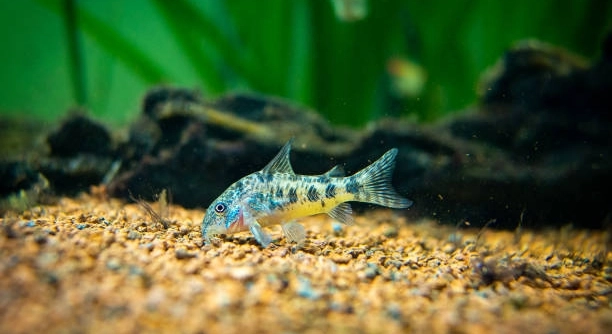
Corydoras catfish are popular aquarium fish known for their peaceful nature, but sometimes they may refuse to eat. Understanding the reasons behind this behavior can help improve their health and ensure they thrive in their environment.
There are several reasons your Corydoras catfish may not be eating, such as water quality issues, stress, incorrect tank mates, or an unsuitable diet. Addressing these factors can help restore your fish’s appetite and improve overall well-being.
By recognizing the common causes, you can take steps to help your Corydoras catfish return to a healthy feeding routine and prevent further issues.
Water Quality Issues
One of the most common reasons your Corydoras catfish may not be eating is poor water quality. Fish are highly sensitive to changes in their environment, and poor water conditions can lead to stress, making them lose their appetite. Regular water changes and proper filtration are key to maintaining a healthy tank. Testing water parameters such as ammonia, nitrites, and nitrates is essential to ensure they are at safe levels for your fish. Additionally, an improper pH or temperature range can contribute to stress, further discouraging feeding.
Poor water conditions can lead to several health problems for Corydoras catfish. It’s important to monitor these parameters and make adjustments accordingly. Fish that are constantly exposed to poor water quality are more likely to become lethargic and lose their appetite. Providing stable, clean water ensures your Corydoras feel safe and comfortable, which will encourage them to eat.
If your water quality checks out, and your catfish still refuses to eat, there may be other factors at play.
Stress and Overcrowding
Stress can prevent Corydoras catfish from eating. Stressors include loud noises, sudden movements, or overcrowding. If your aquarium has too many fish, the competition for food and space can cause your Corydoras to feel stressed, reducing their appetite.
Reducing stress in the tank can significantly improve your Corydoras catfish’s eating habits. Make sure they have enough space to swim freely, and avoid adding too many fish.
Incorrect Tank Mates
Tank mates can influence the eating behavior of Corydoras catfish. If they are housed with more aggressive or dominant species, they might feel intimidated and not eat. Corydoras catfish are peaceful and thrive in calm environments.
If your Corydoras are sharing their space with more aggressive fish, they may struggle to compete for food or feel constantly stressed. This stress can lead to a loss of appetite. It’s important to choose peaceful tank mates that won’t bully or outcompete your Corydoras. Fish like tetras, peaceful gouramis, or small rasboras are ideal companions.
When selecting tank mates, always consider their behavior and size. Larger or overly active fish may unintentionally scare your Corydoras away from the food. Monitoring how your fish interact with each other can help you understand if tank mate conflicts are causing the issue.
Feeding Issues
Sometimes, Corydoras catfish simply aren’t eating due to feeding issues. If the food you’re offering isn’t suitable or they struggle to find it, they may refuse to eat. Corydoras are bottom feeders and prefer sinking pellets or foods that settle at the bottom of the tank.
It’s crucial to offer a variety of foods tailored to your Corydoras’ needs. High-quality sinking pellets, live or frozen foods, and occasional treats like bloodworms or brine shrimp can entice your fish to eat. Avoid overfeeding as it can lead to uneaten food that pollutes the tank, creating poor water quality.
Watch how your Corydoras react to food during feeding time. If they ignore the food or seem to have trouble finding it, try changing their diet. Offering food that is placed near their preferred feeding zone can also help them feel more comfortable eating.
Illness or Injury
If your Corydoras catfish isn’t eating, it could be dealing with an illness or injury. Like any fish, they can experience a range of health problems that cause them to stop eating. Signs of illness may include faded colors or unusual swimming behavior.
Infections, parasites, or physical injuries can all impact a fish’s appetite. If your Corydoras is acting lethargic, has visible wounds, or is swimming abnormally, it’s essential to isolate it from other fish and treat the problem immediately. A proper diagnosis from a veterinarian specializing in fish can help determine the best course of action.
Properly treating any illnesses or injuries will help your Corydoras return to its normal feeding routine and restore its health.
Water Temperature Fluctuations
Temperature changes in the aquarium can discourage Corydoras catfish from eating. These fish prefer stable water temperatures, and sudden shifts can cause stress, affecting their appetite.
Maintaining a consistent temperature within the ideal range (72-78°F) is key to ensuring your fish feel comfortable. If the temperature fluctuates too much, Corydoras may stop eating or become sluggish. It’s important to use a reliable aquarium heater and thermometer to keep the water temperature steady.
Keeping the water temperature stable not only prevents stress but also promotes overall health, encouraging your Corydoras to feed regularly.
FAQ
Why isn’t my Corydoras catfish eating?
Several factors can cause Corydoras catfish to stop eating. Poor water quality, stress, unsuitable tank mates, improper diet, illness, and water temperature fluctuations can all affect their appetite. To address the issue, you need to assess these areas, make necessary changes, and ensure the environment is stress-free. Regular water tests and a stable environment will often resolve the problem.
How do I know if my Corydoras catfish is stressed?
Stress in Corydoras catfish can show in various ways, including hiding, lack of appetite, erratic swimming, or discolored skin. If your fish is swimming abnormally or seems lethargic, it could be a sign of stress. Often, stress comes from environmental factors, such as overcrowding or aggressive tank mates. Reducing stress factors and offering a calm environment can help your Corydoras feel more secure.
What is the best food for Corydoras catfish?
Corydoras catfish are bottom feeders and typically prefer sinking pellets, but they will also eat live, frozen, or freeze-dried foods like bloodworms, brine shrimp, or daphnia. Offering a varied diet will encourage eating. Make sure the food is appropriate for bottom feeders and easy to find in the tank. Overfeeding should be avoided, as it can affect water quality.
Can Corydoras catfish eat flakes?
While Corydoras catfish can eat flakes, they are not the ideal food for them. Flakes tend to float on the surface, and Corydoras are more comfortable eating from the bottom of the tank. Sinking pellets or specialized bottom feeder foods will better suit their natural feeding habits and ensure they get enough nutrition.
Can Corydoras catfish live with other fish?
Yes, Corydoras catfish are peaceful and can live with a variety of other fish. It’s important to choose compatible tank mates, such as peaceful tetras, rasboras, or small gouramis. Avoid aggressive or large fish that might bully the Corydoras or outcompete them for food. A well-balanced tank with plenty of hiding spots helps reduce stress and encourages healthy feeding.
What should I do if my Corydoras catfish has been injured?
If your Corydoras catfish has visible injuries, it’s important to separate it from other fish to prevent further stress and aggression. Clean the wound carefully and treat it with appropriate medication, such as aquarium salt or antibiotic treatments. Keep the injured fish in a calm environment and monitor its condition closely. Once it has healed, you can return it to the main tank.
How do I maintain proper water quality for my Corydoras catfish?
Maintaining water quality involves regular water changes, proper filtration, and monitoring water parameters like ammonia, nitrites, nitrates, and pH levels. Testing the water regularly helps ensure it’s within safe ranges for your fish. Keeping the tank clean and ensuring proper filtration will reduce harmful substances in the water, promoting a healthy environment for your Corydoras.
What is the ideal temperature for Corydoras catfish?
Corydoras catfish thrive in water temperatures between 72°F and 78°F (22°C – 25°C). It’s important to maintain a consistent temperature within this range using an aquarium heater. Fluctuating temperatures can cause stress and may affect their appetite and overall health. A reliable thermometer can help you monitor and adjust the temperature as needed.
Can Corydoras catfish get sick?
Yes, like all fish, Corydoras can become ill. Common illnesses include parasites, bacterial infections, and fungal diseases. Symptoms of illness might include a lack of appetite, unusual swimming behavior, faded colors, or visible lesions. If you suspect your Corydoras is sick, isolating it in a quarantine tank and providing appropriate treatment is essential.
How often should I feed my Corydoras catfish?
Corydoras catfish should be fed once or twice a day, but be careful not to overfeed. Excess food left in the tank can deteriorate water quality. A small amount of sinking pellets or live food is usually sufficient. Monitor your Corydoras’ eating habits and adjust feeding frequency if needed. A varied diet can help meet all their nutritional needs.
How can I prevent my Corydoras catfish from getting stressed?
To prevent stress, maintain a stable environment with good water quality, appropriate tank mates, and plenty of hiding places. Avoid sudden changes in the aquarium, such as moving decorations or introducing aggressive fish. A peaceful tank environment helps Corydoras catfish feel secure, reducing the chances of stress-related health issues.
Do Corydoras catfish need a lot of space?
Corydoras catfish don’t require a vast amount of space, but they do benefit from a tank with plenty of room to swim. A minimum of a 20-gallon tank is ideal for a small group. Providing enough space ensures they can move freely without overcrowding, which helps reduce stress and promotes good health.
Why is my Corydoras catfish not moving much?
If your Corydoras catfish isn’t moving much, it could be a sign of stress, illness, or poor water quality. Check the water parameters and look for any signs of injury or disease. If the water is fine and no other issues are visible, your Corydoras may simply need a little more time to settle.
How can I help my Corydoras catfish adjust to a new tank?
When introducing Corydoras catfish to a new tank, it’s important to acclimate them slowly by floating the bag in the tank for 15-20 minutes to adjust the temperature. Gradually mix small amounts of tank water into the bag to help them adjust to water conditions. This gradual process helps reduce shock and stress during the transition.
What kind of substrate is best for Corydoras catfish?
Corydoras catfish prefer a fine, smooth substrate like sand or small, rounded gravel. This allows them to sift through the substrate without injuring themselves. Avoid sharp gravel, as it can damage their barbels. A suitable substrate will make them feel comfortable and encourage their natural behavior of foraging at the bottom of the tank.
Can Corydoras catfish live with shrimp?
Yes, Corydoras catfish can live with shrimp, particularly smaller species like cherry shrimp or ghost shrimp. Both fish and shrimp are bottom dwellers, but as long as the shrimp are not too small to be eaten, they can coexist peacefully. Ensure there are plenty of hiding spots for the shrimp to retreat to if needed.
Final Thoughts
Corydoras catfish are generally hardy fish, but they can face various challenges that affect their eating habits. If your Corydoras isn’t eating, it’s crucial to identify the root cause. This could range from environmental factors like poor water quality or temperature fluctuations to stress from aggressive tank mates. Health issues such as parasites or injuries can also be a factor. By addressing these issues and creating a peaceful and stable tank environment, you can help your Corydoras feel more comfortable and encourage them to eat.
A healthy Corydoras catfish thrives in well-maintained tanks with clean water, stable temperatures, and appropriate tank mates. Regular water changes, monitoring water quality, and feeding them a balanced diet will go a long way in keeping them happy and healthy. Corydoras are peaceful bottom dwellers, so it’s essential to avoid overcrowding and aggressive fish that might stress them. Providing a substrate that’s easy on their sensitive barbels, like smooth sand or small gravel, helps them feel secure while foraging.
If your Corydoras catfish stops eating, don’t panic. Take a step back and assess the situation. Check the water quality, temperature, and other factors that could be stressing the fish. Offering the right food and ensuring your fish has a suitable environment will often resolve the issue. By making small adjustments and observing your fish, you can help your Corydoras recover and resume its normal feeding habits.

Hello,
If you enjoy the content that we create, please consider saying a "Thank You!" by leaving a tip.
Every little bit helps us continue crafting quality advice that supports the health, happiness, and well-being of pets around the world, for pets of all shapes, sizes, and species.
We really appreciate the kindness and support that you show us!