
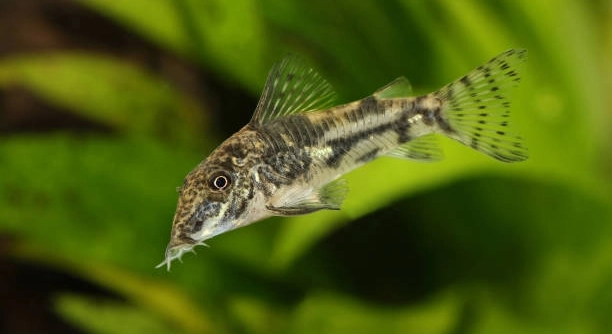
Corydoras catfish are often shy, especially in new environments. They tend to hide when they feel stressed or insecure, but this behavior can leave owners wondering what’s going on. Understanding their needs can help.
The most common reasons your Corydoras catfish may stay hidden include stress from water conditions, tank mates, or poor nutrition. Changes in light or temperature can also affect their comfort level, causing them to retreat. Ensuring stability and proper care can encourage them to come out.
With some attention to water quality and tank setup, your Corydoras can feel comfortable and confident to explore their surroundings again.
Stress from Water Conditions
Water quality plays a huge role in the behavior of Corydoras catfish. If your aquarium water is too acidic, too alkaline, or contains high levels of ammonia or nitrates, it can stress out your fish, causing them to stay hidden. These catfish are sensitive to changes in their environment, and poor water conditions can make them feel unsafe. It’s essential to regularly check the water parameters using an aquarium test kit. Ideal water conditions for Corydoras should have a slightly acidic to neutral pH, soft water, and a temperature between 72-79°F.
Stress from bad water quality can also weaken their immune system, making them more prone to disease. Ensure that the water is filtered properly and do regular water changes to maintain a clean environment. Using a gentle filter is key since these fish don’t like strong currents. Try adding a water conditioner to remove harmful substances and keep your fish happy.
Maintaining optimal water conditions will prevent stress, encouraging your Corydoras to feel more comfortable and active. This can help restore normal behavior.
Tank Mates and Compatibility
Corydoras catfish are peaceful and do best with tank mates that are calm and non-aggressive. Fish that are too boisterous can stress them out, causing them to hide. It’s important to choose tank mates that won’t intimidate or chase after them.
Aggressive fish, such as larger species or overly active fish, could make your Corydoras retreat into hiding for safety. If you notice your Corydoras hiding more often, assess whether their companions are a source of stress. Corydoras thrive in peaceful communities with gentle, compatible species.
Creating a calm tank environment with compatible fish will promote natural behavior. As a result, your Corydoras will feel safe enough to swim freely and explore the tank.
Poor Nutrition
If your Corydoras are not receiving a balanced diet, it can cause them to hide more frequently. These fish need a mix of quality foods like sinking pellets, frozen or live foods, and occasional vegetable matter. A lack of variety can affect their health and comfort.
A diet that lacks essential nutrients can leave your Corydoras feeling weak or stressed. If they’re not getting the right amount of protein, vitamins, or minerals, they may retreat to a hiding spot for protection. Be sure to feed a variety of foods to meet their nutritional needs and keep them healthy.
Regularly feeding your Corydoras ensures they have the energy they need to explore their environment. They’ll be more likely to feel safe and less stressed when they receive proper nourishment. A balanced diet will also improve their immune system, making them more resilient and active.
Environmental Changes
Corydoras catfish can be very sensitive to changes in their environment. Even minor alterations in their tank, like rearranging decorations or changing the filter, can cause stress and make them hide. Keeping a stable, familiar setup is important for their well-being.
If you recently introduced new decorations, changed the water temperature, or altered the lighting, your Corydoras may feel unsettled. Sudden changes can disrupt their comfort zone, leading to a period of hiding. It’s a good idea to avoid constant tank modifications, allowing your fish to acclimate to their environment.
When you change something in the tank, make sure to observe how your Corydoras react. They may take a little longer to adjust, but once they feel comfortable again, they’ll be back to their usual behavior. Keeping the environment stable will minimize stress.
Lighting Conditions
Corydoras prefer dim lighting and can feel stressed under bright lights. If your aquarium lighting is too intense, it may cause your catfish to hide, seeking darker, more secure areas. Consider using a low-intensity light or adding plants to provide shaded spots.
Bright lighting in the tank may not only stress your Corydoras but also make them feel exposed. To keep them comfortable, ensure the tank has areas where they can retreat from the light. This will mimic their natural habitat, where they typically stay in shaded areas and avoid direct sunlight.
Providing dim lighting and shaded areas helps reduce stress and gives your Corydoras the security they need to swim freely.
Overcrowding
Overcrowding your aquarium can lead to stress and competition for space, making your Corydoras hide. Ensure the tank has enough room for each fish to move around comfortably. Too many fish can disrupt the balance and cause anxiety.
When the tank is overcrowded, Corydoras may retreat to hidden spots to escape the chaos. They need room to swim and explore without feeling overwhelmed. The appropriate stocking level is essential for maintaining a calm and stress-free environment.
Water Temperature
Corydoras catfish thrive in stable water temperatures, typically between 72-79°F. A sudden drop or rise in temperature can cause stress, leading to hiding behavior. Keep the water temperature within this range and use a reliable heater to maintain consistency.
FAQ
Why is my Corydoras catfish always hiding?
Corydoras catfish tend to hide when they’re stressed. This can be due to several factors, such as poor water quality, incorrect tank mates, or unsuitable lighting. If your Corydoras feels threatened or unsafe in its environment, it may seek shelter in dark corners or under decorations. Stress can also be caused by changes in temperature, water parameters, or even overcrowding in the tank. To address this, make sure the water conditions are stable and that the fish have enough hiding spots to feel secure. Additionally, ensure that tank mates are peaceful and compatible.
How do I make my Corydoras feel safe?
To make your Corydoras feel safe, provide a well-maintained tank with appropriate water conditions. Regular water changes and testing for pH, ammonia, and nitrates will help ensure a healthy environment. Corydoras are bottom dwellers, so adding smooth rocks, plants, or caves can provide hiding spots. These fish feel more secure when they can retreat to areas where they can’t be easily seen. Also, keep the lighting dim to replicate their natural habitat, as bright lights can cause stress. A peaceful environment with compatible tank mates will also help them feel more relaxed.
What is the best water temperature for Corydoras catfish?
Corydoras catfish prefer a water temperature between 72°F and 79°F. Temperatures outside of this range can cause stress and discomfort, leading to hiding behavior. If the water is too cold or too hot, Corydoras will seek shelter to avoid the extremes. Make sure your tank has a reliable heater to maintain a stable temperature within this range. Fluctuating temperatures should be avoided, as they can make your Corydoras feel unsafe and lead to a weakened immune system.
Can I add Corydoras to a tank with other fish?
Yes, Corydoras are peaceful fish and can live harmoniously with many other species, especially those that aren’t aggressive. It’s important to choose tank mates that are calm and won’t compete for space or food. Avoid adding large or fast-moving fish, as they may stress out your Corydoras. Small, non-aggressive fish such as tetras, guppies, and peaceful barbs are good choices. Always observe the interactions between the fish, and make sure your Corydoras have plenty of hiding places to retreat if needed.
Why do Corydoras hide after a water change?
Corydoras may hide after a water change because the change in water parameters can cause them stress. Even small fluctuations in temperature, pH, or hardness can unsettle them, making them feel less secure. After a water change, it’s normal for Corydoras to retreat to a hiding spot as they adjust to the new conditions. To minimize stress, try to make gradual changes to the water, and ensure the water temperature matches the tank’s before adding it. Keeping a stable environment with minimal sudden changes is key to reducing hiding behavior.
How can I tell if my Corydoras is sick?
Corydoras are generally hardy fish, but they can still become ill if conditions are not ideal. Signs of illness include loss of appetite, lethargy, changes in behavior (like hiding more than usual), or visible physical symptoms like white spots, lesions, or swollen body parts. If you notice these signs, it’s important to assess the water quality first and correct any issues. Sick Corydoras may also appear to be gasping for air at the surface or rubbing against objects in the tank. If symptoms persist, it’s best to isolate the fish in a quarantine tank and seek advice from an aquatic vet.
Can Corydoras catfish survive without a filter?
While Corydoras catfish can survive in a tank without a filter for short periods, it’s not recommended in the long run. A filter helps maintain water quality by removing waste, excess food, and harmful toxins like ammonia and nitrates. Without a filter, the water can quickly become polluted, leading to stress and health problems for your fish. If you are setting up a tank without a filter, make sure to do regular water changes and monitor the water parameters closely to ensure the fish remain healthy.
What type of substrate is best for Corydoras catfish?
Corydoras prefer a soft, smooth substrate like fine sand or small, rounded gravel. Rough or sharp substrates can harm their sensitive barbels, leading to injury or infection. Fine sand is often the best option, as it allows Corydoras to forage naturally and comfortably without risk of damage. When choosing a substrate, avoid large rocks or pebbles that may injure your fish. Make sure to vacuum the substrate regularly to prevent the build-up of waste, which can harm water quality.
How often should I feed my Corydoras catfish?
Corydoras catfish are bottom feeders and should be fed a variety of foods. You can feed them once or twice a day, but be sure to avoid overfeeding. Overfeeding can lead to water pollution and poor water quality. Sinking pellets are ideal for Corydoras, as they allow the fish to forage naturally at the bottom of the tank. You can also offer live or frozen foods such as bloodworms or brine shrimp occasionally to add variety to their diet. Always remove uneaten food to maintain water quality.
Are Corydoras catfish good for beginners?
Yes, Corydoras catfish are considered good fish for beginners. They are hardy, easy to care for, and generally peaceful. Corydoras adapt well to a variety of water conditions, though they do best in stable environments with clean water. They also help maintain the tank by scavenging leftover food from the bottom. However, beginners should still ensure they provide appropriate water conditions, tank mates, and feeding habits. By maintaining a suitable environment, Corydoras can thrive and add beauty to your aquarium.
Final Thoughts
Corydoras catfish are generally peaceful and low-maintenance fish, making them a popular choice for many aquarium enthusiasts. However, it’s important to understand their needs in order to keep them happy and healthy. If your Corydoras are hiding, there could be a number of factors at play, such as stress, water quality issues, or unsuitable tank conditions. Paying attention to their environment and behavior can help you pinpoint and address the cause of the hiding.
A well-maintained aquarium with proper water quality is crucial for keeping your Corydoras active and comfortable. Ensure that the water is within the ideal temperature range, and regularly test the water parameters for ammonia, nitrate, and pH levels. Also, consider the lighting in your tank. Bright lights can cause stress, so dim lighting or plenty of hiding spots can help your Corydoras feel more secure. These small adjustments can go a long way in creating an environment where your fish feel safe and confident to come out of hiding.
By making small changes to your tank setup, you can help reduce hiding behavior and promote healthier, more active Corydoras. Keep an eye on their interactions with other fish to make sure they’re not being bullied. If you’ve checked all of these factors and your Corydoras are still hiding, it might be worth considering a visit to an aquatic vet to rule out any underlying health issues. Remember that these fish are generally hardy, and with proper care, they can thrive in your aquarium.

Hello,
If you enjoy the content that we create, please consider saying a "Thank You!" by leaving a tip.
Every little bit helps us continue crafting quality advice that supports the health, happiness, and well-being of pets around the world, for pets of all shapes, sizes, and species.
We really appreciate the kindness and support that you show us!