
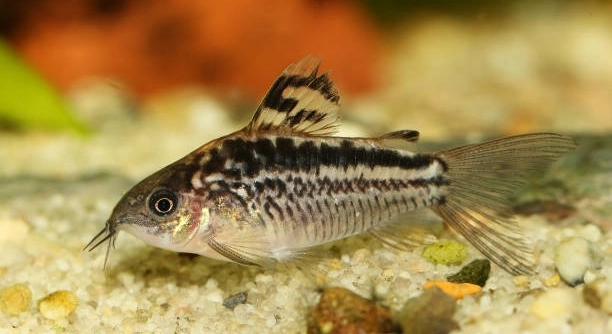
Corydoras catfish are active swimmers, and when they stop swimming, it can be a cause for concern. Understanding the reasons behind this behavior can help you address the issue and maintain a healthy tank environment.
Several factors can cause your Corydoras catfish to stop swimming. These include water quality issues, stress, illness, poor diet, and inadequate tank conditions. It’s important to carefully assess these areas to ensure the well-being of your fish.
Proper care and attention to your fish’s environment are essential for their health. Understanding the potential reasons for your Corydoras catfish’s behavior will help you make necessary adjustments for a happier, healthier pet.
Water Quality Issues
Water quality plays a significant role in your Corydoras catfish’s health. Poor water conditions, such as high ammonia, nitrites, or low oxygen levels, can cause stress and make your fish stop swimming. These changes in water quality can happen quickly, especially in an overcrowded tank or one that isn’t properly maintained. It’s crucial to monitor your aquarium’s parameters regularly to prevent any harmful shifts that may impact your catfish.
Even small changes in water quality can create a stressful environment for Corydoras. Maintaining proper filtration, performing regular water changes, and testing water parameters will ensure the environment stays safe and stable. Keep in mind that water temperature is just as important.
To avoid water quality problems, always ensure your tank’s water is clean and balanced. Testing kits are a great investment to catch any issues before they affect your fish. Regular maintenance is essential for keeping your Corydoras happy and active.
Stress from Tankmates
Tankmates play a big role in your Corydoras catfish’s behavior. If the fish is stressed by aggressive tankmates or overcrowding, it might stop swimming. Corydoras are peaceful fish and may become stressed when sharing space with overly active or territorial species.
A balanced community tank is key to maintaining a calm environment for your Corydoras. Ensure that your fish are compatible with each other and that your tank has enough space for everyone. Fish that chase or nip at others can cause enough stress to make a Corydoras stop swimming.
By choosing tankmates carefully, you can prevent unnecessary stress and promote a peaceful environment where your Corydoras catfish can swim freely.
Illness or Injury
Illness or injury can cause your Corydoras catfish to stop swimming. If your fish is sick, it might hide or become lethargic. Symptoms like bloating, discoloration, or visible wounds are signs of health issues that need immediate attention.
Common illnesses affecting Corydoras include bacterial infections, parasites, or fungal growth. If you notice abnormal behavior, such as a lack of movement, it’s important to check for signs of illness. Ensure your water conditions are ideal, as poor water quality can make illnesses worse. Quarantining affected fish helps prevent the spread of diseases.
If you suspect an illness, consult a vet who specializes in fish to get a proper diagnosis and treatment plan. Early intervention will improve your Corydoras’ chances of recovery. Keep an eye on any symptoms to ensure you address the issue promptly before it worsens.
Inadequate Diet
Your Corydoras catfish may stop swimming if it’s not getting the right nutrients. An improper diet, especially a lack of variety, can lead to malnutrition. Corydoras need a mix of protein-rich foods and plant matter to stay healthy and active.
Feeding your fish a varied diet helps ensure it gets all the essential nutrients. Offer sinking pellets, live or frozen foods like brine shrimp or bloodworms, and occasional vegetables. Avoid overfeeding, as uneaten food can pollute the water and affect your fish’s health. A balanced diet will support their overall well-being and encourage swimming.
Feeding your fish properly doesn’t just keep it active—it also helps boost its immune system and prevent illness. Inadequate nutrition can weaken your Corydoras, making it more prone to health problems. The right diet is essential for your fish to thrive in its environment.
Poor Tank Conditions
Your Corydoras catfish may stop swimming if its tank conditions aren’t suitable. Factors like high temperatures, poor filtration, or inadequate hiding spots can stress your fish and lead to inactivity. Keeping your tank environment healthy is key for maintaining your fish’s well-being.
Ensure your tank has proper filtration and is free of debris. Provide hiding spots and places to explore, as Corydoras are bottom-dwelling fish that like to feel secure. The water temperature should be within the appropriate range, and the tank should be large enough for your fish to swim freely.
Proper tank conditions will help your Corydoras feel more comfortable and active. Regularly test water parameters, such as pH and ammonia levels, to make sure they stay within the ideal range.
Temperature Stress
Corydoras catfish are sensitive to temperature fluctuations. If the water temperature is too high or low, your fish may stop swimming. They thrive in a stable, moderate temperature range of 72°F to 78°F (22°C to 26°C).
Temperature stress can weaken your Corydoras, making it less active. To avoid this, monitor your tank’s temperature regularly. Use a reliable heater to maintain a stable environment, especially during seasonal temperature changes. If your Corydoras is inactive, check the water temperature immediately.
If the temperature is out of range, gradually adjust it to bring it back to the optimal level. Sudden temperature changes can shock your fish, so it’s best to avoid quick shifts.
Overcrowding
Overcrowding your tank can cause your Corydoras catfish to stop swimming. When there’s not enough space, your fish might become stressed and inactive. They need room to move around comfortably and establish their own space.
A crowded tank can lead to poor water quality, which further contributes to stress. Keep an eye on the number of fish in your tank, ensuring there is enough space for each one. A general rule is to provide at least 1 gallon of water per inch of fish.
Proper stocking levels help prevent stress and promote healthy behavior, including active swimming. If your tank is overcrowded, consider upgrading to a larger one or finding new homes for some of your fish.
FAQ
Why is my Corydoras catfish hiding?
Corydoras catfish are naturally shy, and hiding is often a normal behavior. However, if they are hiding more than usual, it could indicate stress, illness, or poor water quality. Check the tank conditions to ensure they are within the appropriate range. Stress from aggressive tankmates or a lack of hiding spots can also contribute to this behavior. It’s important to create a calm, secure environment where your catfish can feel safe while also encouraging them to come out and explore.
How often should I feed my Corydoras catfish?
Feed your Corydoras catfish once or twice a day. Offer a small portion of food that they can consume in a few minutes. Overfeeding can lead to poor water quality and health issues. Vary their diet with sinking pellets, frozen or live food, and occasional vegetables. Be mindful not to leave uneaten food in the tank, as this can cause water contamination. A balanced diet will help keep your fish active and healthy.
Can water changes affect my Corydoras’ swimming behavior?
Yes, water changes can affect your Corydoras’ behavior. If the water is changed too quickly or the temperature fluctuates drastically, your fish may become stressed and stop swimming. It’s essential to do partial water changes of about 20-25% weekly, using water that matches the tank’s temperature. When performing a water change, ensure the water is treated to remove chlorine or chloramine, which can harm your fish. Gradual water changes help reduce stress and maintain a healthy environment.
Is my Corydoras catfish’s inactivity a sign of illness?
Inactivity can sometimes indicate illness, especially if the fish is also showing signs of distress, such as faded colors, bloating, or visible wounds. Corydoras are typically active, so sudden lethargy can signal problems with water quality, diet, or health. If your catfish stops swimming and appears sick, check the water parameters immediately and consider consulting a vet if symptoms persist. Ensuring a balanced diet and a clean tank can also prevent illness.
How can I tell if my Corydoras is stressed?
Stress in Corydoras catfish can manifest in different ways. Signs include hiding more than usual, lethargy, or erratic swimming behavior. They may also become more skittish, avoiding tankmates or darting around in a panic. Stress can stem from poor water conditions, aggressive tankmates, or overcrowding. To reduce stress, ensure that the tank environment is stable, clean, and properly sized. Offering hiding spots and tankmates that are calm can also help keep your Corydoras feeling safe.
Why isn’t my Corydoras eating?
If your Corydoras catfish isn’t eating, it could be due to illness, water quality issues, or stress. Corydoras are bottom-dwelling fish that rely on sinking food, so make sure you’re offering them food they can access. If the water quality is poor, they may not be interested in eating. Check for signs of illness, such as abnormal behavior or physical symptoms, and treat any health concerns promptly. Stress from overcrowding or aggressive tankmates can also cause a loss of appetite.
How can I improve my Corydoras catfish’s swimming behavior?
Improving your Corydoras’ swimming behavior starts with ensuring the tank environment is ideal. This includes maintaining proper water quality, temperature, and filtration. Make sure the tank isn’t overcrowded and that there are enough hiding spots to make your catfish feel secure. A balanced diet with sinking pellets and occasional live food will also encourage more active behavior. Reducing stress from aggressive tankmates and ensuring that the water is clean and oxygenated will help your Corydoras swim more freely.
Can Corydoras catfish live with other species?
Yes, Corydoras are peaceful fish that typically do well with other species, especially calm, non-aggressive tankmates. However, it’s essential to choose compatible fish that won’t stress or harm your Corydoras. Avoid keeping them with overly active or territorial species, as they might cause stress. Corydoras also do best in groups of at least 3-5, as they are social fish. A peaceful, community tank environment will help your Corydoras thrive.
What’s the best tank size for Corydoras catfish?
Corydoras catfish thrive in tanks of at least 20 gallons. A larger tank provides enough space for them to swim and explore, and it helps maintain stable water conditions. Overcrowding can lead to poor water quality and stress, so it’s important to provide enough space for each fish. For a group of Corydoras, consider a tank size of 30 gallons or more, especially if you plan to keep other species. A larger tank will allow for better filtration and help prevent water parameter fluctuations.
Do Corydoras catfish need a heater?
Yes, Corydoras catfish require a heater to maintain a stable water temperature. They thrive in a range of 72°F to 78°F (22°C to 26°C), and sudden temperature fluctuations can cause stress. A reliable aquarium heater will ensure the water stays within this optimal range, helping your fish stay healthy and active. It’s essential to use a thermometer to monitor the water temperature regularly, as overheating or chilling can both negatively impact your Corydoras.
Why is my Corydoras catfish swimming upside down?
Swimming upside down is not a normal behavior for Corydoras catfish and may indicate a health issue, such as a swim bladder problem. The swim bladder controls buoyancy, and if it becomes damaged or infected, it can cause the fish to have trouble maintaining its position in the water. If your Corydoras is consistently swimming upside down or struggling to stay level, it’s important to check for signs of illness and consult a vet for further treatment. Improving water quality and feeding a balanced diet may help prevent these issues.
Final Thoughts
Corydoras catfish are active and peaceful creatures, and it can be concerning when they stop swimming. The reasons behind this behavior can range from stress due to poor water quality to physical illness. By understanding the possible causes, you can help your fish return to its usual active self. Monitoring tank conditions closely, such as water temperature, filtration, and the presence of stressors, is key to ensuring that your Corydoras remain happy and healthy. Keeping your fish in a calm, secure environment will help prevent unnecessary stress and promote a more active lifestyle.
Proper care goes beyond just water quality. Corydoras are social fish, so it’s important to keep them in groups and provide enough space to avoid overcrowding. When they feel secure and comfortable, they are more likely to swim around and explore their environment. Along with maintaining the right tank size and water parameters, feeding your fish a balanced diet is essential for their health. Regular feeding with sinking pellets and occasional live foods will encourage them to stay active and help avoid health problems that can lead to inactivity.
Ultimately, observing your Corydoras catfish closely is the best way to understand their needs and behavior. If they stop swimming, it’s crucial to act quickly and address any underlying issues. This may involve adjusting the water temperature, changing the tank setup, or checking for illness. Regular maintenance and being proactive with care will go a long way in keeping your Corydoras catfish happy, healthy, and swimming freely.

Hello,
If you enjoy the content that we create, please consider saying a "Thank You!" by leaving a tip.
Every little bit helps us continue crafting quality advice that supports the health, happiness, and well-being of pets around the world, for pets of all shapes, sizes, and species.
We really appreciate the kindness and support that you show us!