
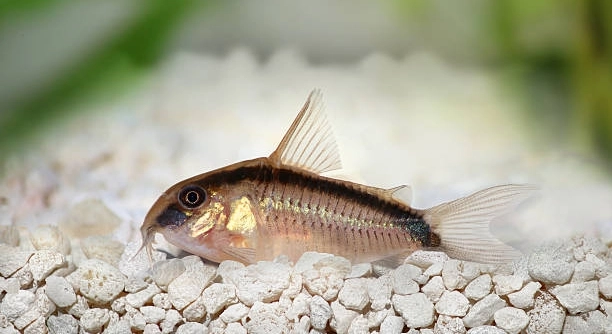
Corydoras catfish are popular in many aquariums, but they don’t always get along equally with every tank mate. Understanding their behavior and preferences can help create a more peaceful and thriving aquarium environment.
Corydoras catfish may seem to favor certain tank mates due to factors such as temperament, water conditions, and social dynamics. These fish tend to form bonds with species that offer calmness, similar environmental needs, or compatible activity levels.
Learning about how Corydoras interact with their tank mates will ensure you create the best environment for your fish. Understanding these dynamics can also prevent stress and improve your aquarium’s overall harmony.
Tank Size and Space Requirements
Corydoras catfish are small, peaceful creatures that thrive in aquariums with ample space. A cramped tank can cause stress, making your catfish more selective about tank mates. The size of the tank plays a significant role in how these fish interact with other species. In smaller tanks, Corydoras might be more territorial or even aggressive toward other fish. On the other hand, in larger tanks, they are more likely to feel comfortable and choose to coexist with other calm fish. It’s important to provide enough swimming space for these bottom dwellers, allowing them to avoid competition for space and food. When the tank is too crowded, Corydoras may retreat into hiding spots, avoiding interaction with others.
The ideal tank size for Corydoras is generally at least 20 gallons, especially when housing multiple fish. A larger tank allows them to form social bonds with compatible species without feeling overwhelmed.
In a spacious tank, these catfish can display their natural social behaviors. They enjoy being in groups, and with the right companions, they become more active and engaging. Having enough space means that all fish can spread out and find their place without feeling pressured, leading to more peaceful interactions.
Water Conditions
Water quality is another key factor in Corydoras’ interactions with other tank mates. These catfish are sensitive to changes in water parameters, and poor conditions can stress them out. When the water temperature, pH, and hardness are not suitable, Corydoras can become more selective in their tank mates, often avoiding more active or aggressive species.
Maintaining stable water conditions ensures that Corydoras feel secure enough to interact with peaceful fish. Keeping the water clean and within their preferred range will help reduce stress and allow them to thrive alongside other species.
Temperament of Tank Mates
Corydoras catfish tend to do best with other peaceful species. Fish that are too active or aggressive can make them feel threatened. Corydoras usually prefer to interact with fish that share their calm nature, which allows them to coexist happily without stress.
Fish like tetras, rasboras, and peaceful dwarf cichlids make excellent companions. These fish tend to have a gentle temperament and will not outcompete the Corydoras for food or space. Corydoras are bottom dwellers, so they prefer to stay out of the way of active swimmers, allowing them to coexist without disruption.
Avoid housing Corydoras with overly aggressive fish like cichlids or larger species that might see them as a threat. Aggressive fish can cause stress, which leads to health issues or disrupted social behaviors. The calmer the tank mates, the more comfortable Corydoras will feel in their environment.
Feeding Behavior and Diet Preferences
Corydoras catfish are bottom feeders, which means they often search for food near the substrate. They thrive on sinking pellets, algae wafers, and occasional live or frozen food. Tank mates that eat at different levels can reduce competition during feeding time.
If you have other fish that feed at the water’s surface or mid-level, Corydoras won’t feel pressured to fight for food. This separation allows them to peacefully feed on the substrate without interference. It’s essential to provide sinking food that will reach the bottom of the tank to ensure the catfish get their fair share.
Feeding behavior is important in determining compatibility because fish that eat the same type of food or compete for food can cause stress. When tank mates are well-matched in terms of feeding habits, Corydoras can avoid aggression and enjoy their meals in peace. A balanced feeding strategy ensures that everyone in the tank gets what they need.
Tank Decor and Hiding Spots
Corydoras are bottom dwellers and appreciate having plenty of hiding spots. Plants, rocks, and caves help them feel secure and reduce stress, allowing them to interact peacefully with other fish. Tanks with insufficient hiding spaces can lead to aggressive or anxious behavior.
If the tank has many places to hide, Corydoras are less likely to compete with other fish for space. This also helps them avoid aggressive fish by providing a retreat where they feel safe. A well-decorated tank promotes harmony and reduces stress-related behaviors, allowing for better interactions between species.
Adding plants and rocks allows Corydoras to move around freely and explore without feeling overwhelmed. Peaceful tank mates will also use these areas to hide and seek refuge, resulting in a more balanced and tranquil tank environment.
Tank Lighting
Lighting can impact Corydoras’ behavior. These fish are more comfortable in subdued lighting and may become stressed in tanks with bright or harsh lights. Too much light can make them retreat into hiding spots or become inactive.
Providing dim lighting or creating shaded areas with plants or decorations can help Corydoras feel more secure. They are naturally nocturnal and prefer low light levels, which makes it easier for them to interact with their tank mates without feeling exposed. Keep this in mind when setting up your aquarium’s lighting.
Water Flow and Filtration
Corydoras thrive in calm water with moderate flow. High water flow can make them uneasy, affecting their ability to interact with other fish. Strong currents may push them into hiding or cause stress-related health issues.
It’s important to provide filtration that maintains clean water without creating too much current. This will help Corydoras remain active and social while avoiding any harm from strong water flow. Fish that prefer slower-moving water will also benefit from these conditions, creating a more harmonious environment for all species.
FAQ
What are the best tank mates for Corydoras catfish?
Corydoras are peaceful bottom dwellers that do best with calm fish species. Good tank mates include small tetras, rasboras, peaceful livebearers, and dwarf cichlids. These species tend to share similar water preferences and are not aggressive, making them ideal companions for Corydoras. Avoid keeping Corydoras with aggressive fish like larger cichlids or barbs, which can outcompete them for space and food.
Can Corydoras live with shrimp?
Yes, Corydoras can generally live with shrimp, particularly species like cherry shrimp or ghost shrimp. They won’t pose a threat to each other as long as the shrimp are not small enough to become prey. Corydoras might even help keep the tank clean by scavenging leftover food, which benefits shrimp. However, it’s important to ensure there are enough hiding spots for the shrimp to escape if needed.
Are Corydoras catfish suitable for a community tank?
Corydoras are an excellent addition to community tanks due to their peaceful nature. They are bottom feeders and won’t compete with mid- or top-level swimmers for food or space. As long as the tank mates are peaceful and the water conditions are appropriate, Corydoras will do well in a community setting. Just ensure there is enough space for all fish and that the other species are not too large or aggressive.
Can Corydoras live with bettas?
Corydoras can live with bettas, but it depends on the temperament of the betta. Bettas can be territorial and aggressive, especially toward other males or fish with long fins. However, bettas tend to leave peaceful bottom dwellers like Corydoras alone, especially if they are in a spacious tank with plenty of hiding spots. If you plan to house them together, ensure the tank has enough space and hiding spots to allow the betta to feel secure.
How many Corydoras should be kept together?
Corydoras are social fish and should be kept in groups of at least 4 to 6 individuals. This allows them to display their natural behavior and reduces stress. Keeping them in a group also helps them feel more secure, as they are less likely to become territorial or isolated. A larger group can also help to promote active swimming and interactions, which contribute to their overall well-being.
Can Corydoras live with goldfish?
It’s not recommended to keep Corydoras with goldfish. While both species are peaceful, goldfish are often kept in colder water, which is not ideal for Corydoras. Corydoras prefer warmer water temperatures, typically between 72-78°F (22-26°C), while goldfish require cooler conditions. Additionally, goldfish can produce a lot of waste, which may affect the water quality, and they may inadvertently disturb Corydoras due to their larger size and more active swimming patterns.
Do Corydoras eat algae?
Corydoras are not algae eaters in the same way that some species like plecos or certain snails are. However, they will consume leftover food on the substrate, which can include small bits of algae. They primarily scavenge the bottom of the tank for uneaten food and detritus, helping to keep the tank clean. It’s still important to provide proper algae control methods, like algae-eating fish or manual cleaning, to maintain a balanced aquarium.
Are Corydoras catfish easy to care for?
Yes, Corydoras catfish are relatively easy to care for, making them an excellent choice for beginner aquarists. They are hardy and adaptable to a variety of water conditions as long as the tank is clean and well-maintained. Corydoras do best in stable environments with clean water, moderate flow, and a peaceful atmosphere. They do not require complex care, but it’s important to keep them in groups, maintain proper water quality, and avoid housing them with overly aggressive fish.
Why are my Corydoras hiding?
Corydoras are naturally shy fish, and they may hide if they feel stressed or threatened. Common reasons for hiding include poor water quality, aggressive tank mates, or inadequate hiding spots. If your Corydoras are hiding too much, it’s worth checking the water parameters and ensuring the tank is set up to make them feel secure. Providing more plants, rocks, and caves can also encourage them to come out more often and interact with their environment.
How long do Corydoras live?
Corydoras catfish can live for around 5 to 10 years in a well-maintained aquarium. Their lifespan depends on factors such as water quality, tank conditions, and diet. With proper care, they can live long, healthy lives and bring joy to your aquarium for many years. Regular maintenance and attention to their environment will help them thrive throughout their lifespan.
Do Corydoras need a special diet?
Corydoras don’t require a specialized diet, but they do need food that suits their bottom-feeding nature. They primarily eat sinking pellets, wafers, and occasional frozen or live foods like brine shrimp or bloodworms. They will also eat leftover food from other fish, but it’s important to ensure they receive a balanced diet. Overfeeding can lead to poor water quality, so it’s important to monitor their food intake and clean up uneaten food regularly.
Can Corydoras catfish live with other bottom-dwelling fish?
Corydoras can live with other bottom-dwelling fish, but it’s important to choose tank mates that are peaceful and won’t compete for the same food. Avoid aggressive bottom dwellers like larger catfish species or fish that are territorial. Good companions for Corydoras include other peaceful bottom feeders, such as loaches or smaller catfish species, provided there’s enough space and hiding spots for everyone.
Final Thoughts
Corydoras catfish are peaceful, social creatures that thrive in well-maintained aquariums with compatible tank mates. Understanding their needs and behaviors is key to providing them with a comfortable environment. These fish enjoy the company of calm, smaller species and can coexist peacefully in community tanks when given the proper space, water conditions, and decor. Their preference for moderate water flow, dim lighting, and abundant hiding spots helps reduce stress and promotes a harmonious environment for all tank inhabitants.
When choosing tank mates for Corydoras, it’s important to avoid aggressive or territorial fish, as they can cause unnecessary stress and disrupt the peaceful nature of the aquarium. Species like tetras, rasboras, and peaceful dwarf cichlids make ideal companions, while goldfish or large, aggressive fish are better avoided. Additionally, providing the right tank size and setup, including suitable water parameters and enough places to hide, will ensure that Corydoras can interact with their environment in a relaxed and natural manner. A well-maintained aquarium with proper filtration, balanced feeding, and regular water changes will benefit not only your Corydoras but all the species you house together.
Overall, Corydoras catfish are relatively easy to care for and make wonderful additions to many community tanks. Their social behavior, low-maintenance needs, and bottom-feeding habits help maintain a clean tank and promote a peaceful atmosphere. By paying attention to their unique requirements and choosing appropriate tank mates, you can create a thriving aquarium where Corydoras and other peaceful fish can coexist harmoniously for years to come.

Hello,
If you enjoy the content that we create, please consider saying a "Thank You!" by leaving a tip.
Every little bit helps us continue crafting quality advice that supports the health, happiness, and well-being of pets around the world, for pets of all shapes, sizes, and species.
We really appreciate the kindness and support that you show us!