
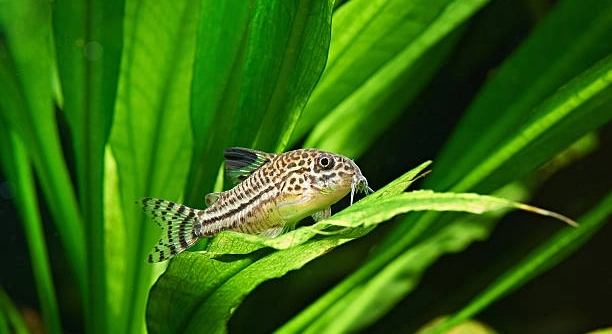
Corydoras catfish are well-known for their preference for hiding, often staying tucked away in the substrate or decorations of the aquarium. This behavior can seem puzzling for owners who expect their fish to be more active swimmers.
Corydoras catfish are naturally inclined to seek shelter due to their instincts as bottom dwellers. Their behavior stems from their need for safety, as they are prey to larger fish. Factors like environment, diet, and stress also contribute.
Understanding why your Corydoras hides more than it swims can help you create a healthier and more comfortable habitat for it. Proper adjustments can improve its well-being.
Understanding Corydoras Catfish Behavior
Corydoras catfish are not known for their swimming habits. Instead, they spend most of their time on the substrate, burrowing and hiding among decorations. This behavior is driven by their natural instincts to seek shelter. As bottom dwellers, they prefer environments where they can easily escape threats. In the wild, they often seek refuge from predators in the substrate. The confined space of an aquarium can make them feel safe and secure, leading to them spending most of their time hidden. This is entirely normal for them, but it can confuse aquarium owners who might expect more active swimming.
If you observe your Corydoras catfish spending more time hiding, it’s important to examine its surroundings. Make sure your aquarium provides plenty of hiding spaces and is not overcrowded. Adding plants or caves can offer additional comfort. The more sheltered the environment, the happier your Corydoras will likely be.
Although hiding is a natural response, it can also be triggered by stressors. Factors like poor water quality, inappropriate tank mates, or excessive noise might make your catfish more skittish. Corydoras are sensitive to their environment, and any sudden changes can lead to anxiety. Maintaining stable water parameters, such as temperature and pH levels, is crucial in keeping your fish comfortable. It is also important to choose tank mates that are calm and not overly aggressive. A peaceful environment will help your Corydoras catfish feel safe, reducing its need to hide as often.
Why Hiding Is a Natural Instinct
Corydoras are naturally cautious fish that prefer to avoid being in the open. In the wild, they are preyed upon by larger fish and birds. The act of hiding is an instinctive behavior meant to keep them safe.
For Corydoras catfish, hiding is more than just a reaction to stress—it’s a survival tactic. These fish are equipped with armored plates that protect them from predators, but they are still vulnerable. Their preference for staying hidden gives them a greater chance of survival in the wild, and this instinct carries over into their aquarium life. In nature, Corydoras tend to form schools and hide in groups, making them feel more secure. When kept alone or in a sparse environment, they may feel less confident, increasing their tendency to stay hidden.
A common misconception is that Corydoras need constant swimming space to be healthy, but this isn’t necessarily true. As long as they have enough space to explore and hide, they will thrive. To keep your Corydoras healthy and active, make sure their environment mimics their natural habitat as closely as possible. This includes having places to hide, as well as areas with gentle water flow. Adjusting their environment based on these needs can lead to a more comfortable, active fish.
Tank Size and Space Considerations
A tank that’s too small can make your Corydoras catfish feel cramped, leading them to hide more. When their space is limited, they lack enough room to move freely, and hiding becomes their only option. A larger tank allows them to feel more secure and less stressed.
The ideal tank size for Corydoras catfish is at least 20 gallons, especially if you plan to house more than one. A larger tank also provides ample hiding spaces, like caves and plants, which allow them to retreat and feel protected. With a spacious environment, Corydoras will spend more time exploring and less time hiding in fear.
In a cramped tank, Corydoras may become anxious due to the lack of security and swimming space. Overcrowding can increase stress levels, making your fish more likely to retreat to darker, more secure areas. Larger tanks reduce these risks by providing more room for movement and a greater variety of hiding spots. Creating a balanced environment will encourage your Corydoras to exhibit more natural behaviors.
Water Quality and Temperature
Poor water quality is a significant stress factor that can make Corydoras hide more often. They are sensitive to water conditions, and changes in temperature, pH, or ammonia levels can cause discomfort. Regular water testing ensures that your fish stay healthy and active.
Corydoras catfish thrive in clean, well-maintained water. Their preferred temperature range is between 72-78°F, and the water should be slightly acidic to neutral (pH 6.0-7.5). Keeping the water clean reduces the risk of illness and stress, which can lead to hiding. Regular water changes and filtration are crucial in maintaining optimal conditions for these sensitive fish.
Ammonia, nitrites, and nitrates can accumulate in a tank with poor filtration or irregular water changes, making the environment harmful. In such conditions, Corydoras may feel threatened and spend more time hiding. Investing in a quality filtration system and testing the water regularly ensures that your fish remain comfortable and their hiding behavior is minimized. A healthy tank promotes a more active and visible catfish.
Tank Mates and Compatibility
Corydoras are peaceful fish, and their behavior can be affected by aggressive tank mates. If they’re surrounded by overly active or aggressive fish, they may seek refuge in hiding spots to avoid confrontation. Ensuring compatibility with other fish is key to a relaxed environment.
Aggressive tank mates, like larger predatory fish or fin-nippers, can make Corydoras feel unsafe. When placed with calm, non-aggressive fish, Corydoras are more likely to swim around freely. They tend to enjoy being in a peaceful community tank with other gentle species. Always research your tank mates to ensure a harmonious environment.
Feeding Habits
Overfeeding can contribute to Corydoras hiding more often. They will often retreat to their hiding spots after feeding if the tank conditions are not ideal. Proper feeding schedules and portion sizes can encourage more natural behavior and prevent the need for excessive hiding.
Corydoras are opportunistic feeders, meaning they’ll eat whatever is available, but this can lead to overeating and stress. Overfeeding increases the amount of uneaten food, which can degrade water quality and make the tank less comfortable. It’s important to feed them in controlled portions and remove uneaten food promptly. A balanced diet and proper feeding routine can encourage more active behavior.
Stress and Environmental Factors
Stress plays a big role in Corydoras catfish behavior. Any sudden changes in their environment, such as water fluctuations or new additions to the tank, can cause them to hide more frequently. Reducing stress factors is essential for your catfish’s well-being.
Corydoras are very sensitive to changes in their environment. This could include new decorations, a change in water temperature, or even loud noises. It’s important to maintain a stable and predictable environment to prevent your fish from becoming stressed. Consistent conditions allow them to feel secure, minimizing the need to hide.
FAQ
Why does my Corydoras catfish hide all the time?
Corydoras catfish are naturally shy and bottom-dwelling fish, often seeking out hiding spots to feel safe. In the wild, they hide to avoid predators, and this instinct carries over in an aquarium setting. If your Corydoras spends most of its time hiding, it’s likely due to environmental factors such as tank size, water quality, or tank mates. If these elements are not ideal, your catfish may retreat into hiding more often. Ensuring a peaceful environment with plenty of hiding spaces and maintaining good water quality will help alleviate this behavior.
Can Corydoras catfish be kept with other fish?
Yes, Corydoras are peaceful fish and do well in community tanks with other non-aggressive species. However, it’s important to avoid keeping them with large or predatory fish, as they may feel threatened. Aggressive tank mates can stress out your Corydoras, causing them to hide more frequently. Ideal tank mates include other peaceful species like tetras, guppies, and peaceful barbs. Ensuring that your tank mates are compatible will help your Corydoras feel safe and reduce the need to hide.
How can I reduce stress in my Corydoras catfish?
Stress in Corydoras can result from sudden changes in their environment, poor water quality, or incompatible tank mates. To reduce stress, maintain a stable environment with consistent water parameters. This includes regular water changes, proper filtration, and keeping the water temperature within the ideal range (72-78°F). Avoid making frequent changes to the tank setup, and ensure your Corydoras are not exposed to aggressive or overly active fish. Providing plenty of hiding spots, such as caves or plants, can also help them feel more secure.
What is the ideal tank size for Corydoras catfish?
Corydoras catfish need a tank size of at least 20 gallons, especially if you plan to keep multiple fish. Larger tanks give them enough space to swim and explore, reducing the need to hide. A larger tank also allows for more hiding spots, such as plants and caves, which helps keep your catfish comfortable. When keeping Corydoras in a smaller tank, it’s important to monitor water quality carefully, as smaller tanks are more prone to fluctuations in water parameters.
Do Corydoras catfish need a lot of swimming space?
While Corydoras catfish are bottom dwellers, they do benefit from having enough swimming space. They are not active swimmers like other species, but they do like to explore and move around the bottom of the tank. A larger tank with enough room for them to move around will encourage more natural behavior. However, it’s more important to provide plenty of hiding spaces and cover, as Corydoras feel safer when they can retreat to these areas.
How often should I feed my Corydoras catfish?
Corydoras catfish should be fed small amounts of food once or twice a day. They are bottom feeders and will often scavenge for leftover food in the substrate. Overfeeding can lead to poor water quality, which can stress out your fish and encourage more hiding. It’s important to feed them only what they can consume in a few minutes to avoid excess food decaying in the tank. Regular feeding, without overdoing it, will ensure your Corydoras stay healthy and active.
Can Corydoras catfish live alone?
Corydoras are social fish and thrive in groups. While they can survive alone, they will feel much more comfortable and secure in groups of at least three or more. Keeping them in groups mimics their natural behavior in the wild, where they form schools for protection and companionship. A group of Corydoras will encourage more active behavior and reduce the amount of time they spend hiding. A solo Corydoras may become stressed or lonely and will likely hide more often.
What should I do if my Corydoras is hiding too much?
If your Corydoras is hiding too much, first check the tank conditions. Ensure the water temperature is within the ideal range and that the pH levels are appropriate. Also, consider the water quality—ammonia or nitrites can cause stress and make your catfish hide more frequently. Ensure that there are plenty of hiding spaces, but not too many dark, cramped corners that could be making your Corydoras feel overwhelmed. If tank mates are aggressive, consider moving them to a separate tank to reduce stress. Regular water changes and proper filtration will also keep the environment safe.
Are Corydoras catfish nocturnal?
Corydoras catfish are not strictly nocturnal, but they are more active during the evening and night. During the day, they tend to rest or hide, as they feel safer in the dark. However, they are not completely inactive in the daytime and may still scavenge or move around the bottom of the tank. If your Corydoras is hiding more during the day, it could be a sign of stress or discomfort. Ensuring the environment is suitable will help reduce hiding behavior during both day and night.
How do I know if my Corydoras is sick?
Sick Corydoras may exhibit signs such as reduced activity, loss of appetite, abnormal swimming behavior, or visible physical changes like discolored skin or fin damage. If your catfish is hiding more than usual and showing any of these symptoms, it could be a sign of illness. Poor water quality is often the cause of stress or illness in Corydoras. If you notice any abnormal behavior, check the water parameters immediately and consider isolating the sick fish in a quarantine tank to monitor its condition. Consulting a veterinarian or an experienced aquarist can help diagnose and treat any health issues.
Final Thoughts
Corydoras catfish are gentle, peaceful creatures that prefer to stay hidden rather than swim openly in the tank. Their behavior is influenced by various factors such as tank conditions, water quality, and the presence of aggressive tank mates. Understanding these elements can help create an environment where your Corydoras feel safe and comfortable. By paying attention to their needs, you can minimize the amount of time they spend hiding and encourage more active, natural behavior.
Ensuring a stable environment with appropriate tank mates is essential for the well-being of your Corydoras. These fish thrive in peaceful community tanks where they have plenty of space to move around and areas to hide when they need to feel secure. Avoiding aggressive or large fish that may stress them out is key. In addition, keeping the water temperature within the right range, maintaining good filtration, and performing regular water changes will help keep your fish healthy and reduce stress.
Ultimately, Corydoras catfish are not naturally inclined to be constantly active swimmers. It’s important to understand that their desire to hide is a natural instinct, and it doesn’t necessarily mean something is wrong. By creating a calm, clean, and well-maintained environment, you can ensure that your Corydoras thrive and feel safe in their habitat. With proper care and attention to their environment, they can become active and confident members of your aquarium.

Hello,
If you enjoy the content that we create, please consider saying a "Thank You!" by leaving a tip.
Every little bit helps us continue crafting quality advice that supports the health, happiness, and well-being of pets around the world, for pets of all shapes, sizes, and species.
We really appreciate the kindness and support that you show us!