
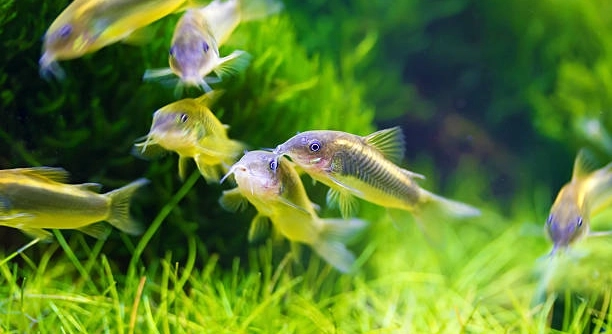
Corydoras catfish are popular aquarium fish known for their peaceful nature. However, if you notice them swimming oddly, it could be due to several factors that affect their behavior. Understanding these causes can help you maintain their well-being.
The most common reasons for Corydoras catfish swimming oddly include water quality issues, stress, illness, or injury. Poor water conditions, such as high ammonia levels, can cause them to behave abnormally. Additionally, tank mates or overfeeding may contribute to their unusual swimming patterns.
Understanding these causes will help you improve your catfish’s environment and ensure their long-term health and happiness in your aquarium.
Water Quality Issues
Water quality is the primary factor that can cause your Corydoras catfish to swim oddly. High levels of ammonia, nitrites, or nitrates can lead to stress and discomfort for your fish. These chemicals often build up in the tank if regular water changes aren’t performed. Corydoras are sensitive to poor water conditions, and when these toxic substances are present, they may exhibit unusual swimming behavior like swimming erratically or staying at the surface.
Testing your tank’s water regularly will help you monitor the levels of ammonia, nitrites, and nitrates. A simple water test kit can alert you to imbalances, allowing you to take corrective actions. Regular water changes of 25-30% every week can keep these levels under control. Adding a quality filtration system can also help remove harmful substances from the water, promoting a healthier environment for your fish.
Ensuring good water quality will improve your Corydoras’ health and behavior. This can be achieved through simple, routine maintenance and attention to water parameters.
Stress from Tank Mates
Tank mates can also impact your Corydoras’ swimming behavior. Some fish may be too aggressive or territorial, which can cause stress. Corydoras are peaceful and shy, preferring to stay close to the bottom of the tank. When they feel threatened by fast-moving or aggressive tank mates, they may begin to swim erratically or hide more often.
If you notice these behaviors, consider adjusting your aquarium’s setup. Create hiding spots using plants, caves, or rocks. Ensure your tank mates are peaceful species that won’t intimidate your Corydoras. This allows them to feel safe and reduces stress, which can help normalize their swimming patterns.
Illness or Infection
If your Corydoras are swimming abnormally, illness or infection could be the cause. Fish diseases like ich or fin rot can affect their behavior, leading them to swim erratically or remain motionless. Watch for other signs, such as discoloration or frayed fins.
When a Corydoras is unwell, it might isolate itself or move strangely in an attempt to escape discomfort. If you suspect illness, examine your fish for external symptoms like white spots, sores, or abnormal gill movement. It’s important to quarantine sick fish to prevent the spread of disease.
Promptly treating infections with appropriate medications is crucial. Ensure that the water quality is ideal during this time, as poor conditions can make recovery more difficult. Using aquarium salt can help with mild external wounds, but for more serious infections, a specialized treatment may be needed.
Overfeeding
Overfeeding can lead to strange swimming behaviors in Corydoras catfish. When there’s excess food in the tank, it can cause water quality issues, leading to an unhealthy environment. This, in turn, stresses the fish, affecting their swimming patterns.
Overfeeding also contributes to the accumulation of uneaten food, which deteriorates water quality. This creates a cycle of poor water conditions, making it harder for your fish to feel comfortable. To avoid overfeeding, feed your fish only what they can consume in a few minutes, and remove any uneaten food from the tank.
Keeping feeding times consistent and balanced will prevent the problems associated with overfeeding. This helps maintain a stable and healthy aquarium environment for your Corydoras catfish.
Injury or Trauma
Injuries or trauma can cause Corydoras to swim oddly. If they’ve been bumped or scraped, they may have difficulty moving. You might notice them swimming at an angle or avoiding certain areas of the tank. Look for signs of physical damage like cuts or bruises.
If you suspect injury, it’s important to closely monitor the fish and provide a stress-free environment. You can create hiding spots and ensure there are no sharp objects in the tank that could cause further harm. In some cases, fish might recover on their own, but more severe injuries may require treatment.
Water Temperature
Corydoras are sensitive to temperature changes. If the water is too warm or too cold, they may begin swimming in a disoriented or erratic manner. They prefer stable temperatures between 72-78°F (22-26°C). Sudden shifts in water temperature can stress them out.
Maintaining a consistent water temperature is essential. Use a reliable aquarium heater to regulate the temperature and a thermometer to monitor it regularly. Avoid placing the tank near windows or heaters, as these areas may cause temperature fluctuations. A stable environment will help your Corydoras swim comfortably.
Poor Tank Setup
A poorly designed tank can also lead to strange swimming patterns in Corydoras catfish. If there aren’t enough hiding spots or the substrate is too rough, they may feel stressed. Corydoras prefer to stay near the bottom of the tank, where they feel safest.
Consider adding smooth gravel or sand to the bottom of the tank. Ensure there are plenty of plants or decorations to create natural hiding spots. This gives your fish the space they need to feel secure. A tank setup tailored to their preferences will help reduce stress and encourage normal swimming behavior.
FAQ
Why is my Corydoras swimming upside down?
If your Corydoras is swimming upside down, it could be due to a swim bladder issue. This organ controls buoyancy, and when it’s compromised, your fish may struggle to maintain proper orientation. It can happen because of overfeeding, constipation, or an infection. If you suspect swim bladder disease, try fasting your fish for a few days to clear any blockage. If the issue persists, a more specialized treatment may be required.
What causes my Corydoras to swim in circles?
Swimming in circles can be a sign of stress, poor water conditions, or a swim bladder problem. When water quality is poor, fish may become disoriented or swim erratically. Make sure the water temperature, pH, ammonia, and nitrate levels are stable. Also, ensure there are no aggressive tank mates causing distress. If everything seems normal, it could be a symptom of illness, so monitor for other signs like discoloration or abnormal behavior.
Can Corydoras get stressed from too much light?
Yes, Corydoras catfish can become stressed from excessive light. These fish are naturally nocturnal and prefer dim or low lighting. Bright lights can cause them to feel exposed and anxious, leading to erratic swimming behavior. To reduce stress, ensure your aquarium lighting is on a timer, and use subdued lighting, especially during the evening hours.
Should I be worried if my Corydoras is swimming at the surface?
If your Corydoras is swimming at the surface more often than usual, it might be trying to get more oxygen. Poor water quality, especially low oxygen levels, can make fish head to the surface. Check the oxygenation in the tank by making sure the filter is working properly and the surface of the water is disturbed. Also, test the water parameters to ensure they’re within ideal ranges.
Why is my Corydoras swimming only near the bottom?
Corydoras are bottom-dwelling fish, so it’s entirely normal for them to spend most of their time at the bottom of the tank. However, if they are staying near the bottom but acting lethargic, this could indicate poor water quality or illness. Regular water testing and ensuring a comfortable tank environment can help encourage more balanced behavior.
How can I tell if my Corydoras is sick?
Sick Corydoras may display signs like lethargy, abnormal swimming patterns, faded colors, or unusual lesions on their bodies. Pay attention to their behavior: if they’re hiding more than usual, not eating, or moving sluggishly, it might be time to investigate. A sick Corydoras often isolates itself from others. If you notice these symptoms, isolate the affected fish to prevent the spread of illness and seek treatment.
What is the best way to prevent my Corydoras from swimming oddly?
Preventing odd swimming patterns starts with maintaining a stable and clean tank environment. Regular water changes, proper filtration, and checking water parameters will keep your fish healthy. Additionally, avoid overfeeding, provide a balanced diet, and choose tank mates carefully to ensure your Corydoras feel secure. A good tank setup with plenty of hiding spots will reduce stress and help your fish thrive.
Can Corydoras survive in low oxygen tanks?
Corydoras are sensitive to low oxygen levels, and they may struggle to thrive in a tank with insufficient oxygenation. To ensure your Corydoras are comfortable, maintain proper water circulation and surface movement to promote oxygen exchange. Using an air pump or a sponge filter can help boost oxygen levels and create a healthy environment for your fish.
Do Corydoras need a filter?
Yes, Corydoras require a filter to keep the water clean and free of harmful toxins. A good filtration system is essential to maintain water quality and prevent issues like high ammonia or nitrate levels. Be sure to choose a filter with gentle flow, as Corydoras prefer calm waters. Regularly clean and maintain the filter to ensure it functions properly.
Why is my Corydoras hiding all the time?
Hiding is common for Corydoras, especially when they feel threatened or stressed. If your Corydoras is hiding more than usual, it could be due to tank mate aggression, poor water quality, or an illness. Providing plenty of hiding spots in the tank can help them feel more secure. If the behavior persists, check the water conditions and observe for any signs of sickness.
How do I improve the swimming behavior of my Corydoras?
Improving swimming behavior starts with maintaining optimal water conditions. Regular water changes, proper filtration, and keeping tank temperature stable are key. Make sure there are enough hiding spots and that tank mates are non-aggressive. A proper diet with occasional fasting can also prevent swim bladder issues that lead to odd swimming.
Can Corydoras adapt to different tank conditions?
Corydoras are adaptable to a variety of tank conditions, but they prefer stable environments. They thrive in tanks with soft, slightly acidic to neutral water (pH 6.0-7.5). Sudden changes in water temperature, pH, or hardness can stress them. Maintaining consistency in their environment will help them adjust and swim happily.
Why is my Corydoras swimming backwards?
Swimming backwards is an unusual behavior and could be a sign of an underlying issue, such as swim bladder disorder or stress. Swim bladder issues can make it difficult for fish to swim normally, causing them to move awkwardly. Stress from poor water quality, tank mates, or overcrowding may also contribute to this abnormal swimming pattern.
How can I tell if my Corydoras is getting enough food?
Corydoras catfish are bottom feeders and prefer to scavenge for food. Ensure they’re receiving enough food by observing their eating habits. If they’re constantly searching the substrate for food, they may not be getting enough to eat. It’s important to provide sinking pellets or specially formulated food that reaches the bottom where they feed.
Final Thoughts
Corydoras catfish are generally hardy and easy to care for, but like any aquarium fish, they can experience changes in behavior that may seem concerning. Odd swimming patterns, like swimming upside down or in circles, often have simple explanations that can be resolved with minor adjustments. In most cases, issues like poor water quality, tank setup, or stress from tank mates can cause these behaviors. The key to addressing such problems is ensuring that the environment is clean, stable, and stress-free. Regular water testing, maintaining appropriate tank conditions, and providing a well-structured aquarium will help your Corydoras thrive.
While it can be alarming when your Corydoras starts swimming differently, it’s important to observe and take action calmly. Monitoring water quality and making necessary adjustments will go a long way. If your fish continues to show unusual behavior despite having a stable environment, a more in-depth examination of their health might be required. Always watch for signs of illness, as early intervention is crucial. If your fish seems to be struggling with swim bladder issues, addressing its diet or providing special treatment may help.
Overall, taking the time to learn more about Corydoras and their needs can help prevent future issues. Ensuring they have the right water conditions, proper tank mates, and an ideal environment will allow them to display their natural behavior. Remember, these fish are active, curious, and social, and with the right care, they can live a long, happy life in your aquarium. By understanding their needs and habits, you can easily keep them healthy and ensure they swim comfortably.

Hello,
If you enjoy the content that we create, please consider saying a "Thank You!" by leaving a tip.
Every little bit helps us continue crafting quality advice that supports the health, happiness, and well-being of pets around the world, for pets of all shapes, sizes, and species.
We really appreciate the kindness and support that you show us!