
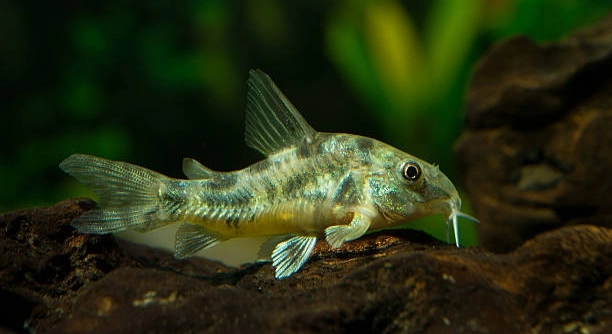
Corydoras catfish are often playful and active, but if you notice your fish swimming in the same spot, it may be a sign of something more. Understanding their behavior can help you ensure their well-being.
There are several possible reasons why your Corydoras catfish might swim in the same spot. These reasons can include factors like water quality, stress, or environmental changes. By addressing these issues, you can help improve their comfort and activity levels.
There are simple steps you can take to improve their environment and behavior. Understanding these reasons will help ensure your fish are healthy and thriving in their habitat.
Water Quality Issues
Poor water quality is one of the most common reasons Corydoras catfish may swim in one spot. These fish are sensitive to changes in their environment, especially when it comes to ammonia, nitrite, and nitrate levels. Even small imbalances can cause stress and make your catfish act unusually. If the water is dirty, it can lead to sluggish behavior or an unwillingness to explore their surroundings. Regular water changes and testing your tank’s water parameters are essential in preventing these issues.
Make sure you’re checking the water frequently to keep it clean and safe. It’s important to remember that Corydoras are sensitive creatures that need a stable and healthy environment.
Consider using a high-quality filter to maintain optimal water conditions. Also, avoid overcrowding the tank, as this can lead to poor water quality and stress for your fish. Frequent monitoring of water parameters will help maintain a stable and healthy environment, keeping your Corydoras active and healthy.
Stress from Tankmates
Sometimes, Corydoras catfish may stay in one place because of stress from other fish in the tank. This could be due to aggressive or territorial tankmates that make your catfish feel unsafe. Corydoras are peaceful fish and prefer calm, harmonious environments. When stressed, they tend to retreat to one spot and may not swim around as they usually do.
If you notice aggressive behavior from other fish, consider moving the more aggressive species or adding more hiding spaces for your Corydoras. Providing peaceful tankmates will help them feel more secure and reduce stress levels.
Creating a more balanced environment with compatible fish will encourage your Corydoras to swim around more freely. Tankmates that respect each other’s space will allow your catfish to roam comfortably. A peaceful tank promotes a healthier, happier aquarium environment for everyone.
Temperature Fluctuations
If the water temperature changes too quickly, Corydoras catfish can become stressed and start to swim in one spot. These fish are sensitive to temperature shifts and thrive in stable environments. A sudden drop or rise in water temperature can disrupt their behavior and cause them to retreat.
To avoid temperature fluctuations, invest in a reliable aquarium heater and thermometer. Corydoras do best in water temperatures between 72°F and 78°F. Keeping the tank in a room with consistent temperature and avoiding direct sunlight will also help maintain stability. A stable environment reduces stress and encourages your fish to swim more freely.
Adding a tank cover can also help prevent sudden temperature drops caused by air conditioning or drafts. Corydoras are more comfortable when their environment is consistent. By ensuring stable temperatures, you can improve their overall behavior and well-being.
Lack of Hiding Spots
Corydoras like to have places to hide and feel secure. If your aquarium doesn’t have enough hiding spots, they may stay in one spot because they feel exposed or threatened. These fish are naturally shy and need caves, plants, or decorations to hide when they need a break.
Adding rocks, plants, or small caves to your tank gives your Corydoras places to retreat. These hiding spots reduce stress and help them feel more secure. You can also provide more substrate for them to sift through, mimicking their natural environment. Corydoras enjoy exploring and foraging in their tank, so offering them enough hiding options encourages more movement.
Make sure to create a well-structured environment in the aquarium. Too many open areas or a bare tank can lead to your Corydoras feeling vulnerable. Proper decoration not only gives them a place to hide but also helps them stay active and comfortable.
Overfeeding
Overfeeding is another reason your Corydoras may stay in one spot. When they are given too much food, they may become sluggish and less active. Excess food can also lead to poor water quality, which will further stress the fish and contribute to their inactivity.
Make sure you’re feeding your Corydoras the right amount of food. Overfeeding can cause them to become lethargic as they become full and unmotivated to swim around. It’s always better to feed smaller amounts more frequently rather than giving them too much at once.
Use a feeding schedule and monitor how much food is left after each feeding to avoid excess. Adjust the portion size to ensure your fish eat it all and remain active. This helps maintain water quality and keeps your Corydoras healthy.
Poor Tank Lighting
Poor or inconsistent lighting in the tank can impact your Corydoras’ activity levels. Corydoras thrive with gentle, natural light, and they can become stressed if the lighting is too harsh or too dim. Inconsistent lighting can make them feel unsure about their environment, leading to inactive behavior.
Try adjusting the light settings to provide a more consistent cycle. Corydoras benefit from a day-night cycle, with lights on for about 8-10 hours per day. Avoid leaving the lights on all the time or keeping them too bright, as it can be overwhelming for your fish.
A dimly lit tank with soft, natural lighting allows your Corydoras to feel more comfortable. This helps reduce stress and encourages them to explore their surroundings, improving their overall well-being.
Water Flow
Corydoras catfish prefer gentle water movement. If the current in your aquarium is too strong, your fish may retreat to a spot where the flow is calmer. A powerful filter or pump can cause your Corydoras to feel stressed and stay in one place.
To solve this, you can adjust the filter to reduce the water flow or place it in a corner. You can also use a sponge filter, which creates less movement. Make sure there are areas in the tank with calmer water where your Corydoras can relax.
By maintaining gentle water movement, you create a more comfortable environment for your fish, which helps them stay active and explore the tank.
FAQ
Why is my Corydoras swimming in one spot all day?
Corydoras swimming in one spot for extended periods is usually a sign of stress or discomfort. Common causes include poor water quality, stress from tankmates, or lack of hiding spots. Check the water parameters and ensure that ammonia, nitrite, and nitrate levels are within safe ranges. Consider the behavior of other fish in the tank, as aggressive or territorial species might cause stress. Adding more hiding spots and improving water conditions can help your Corydoras feel safer and more comfortable.
How can I tell if my Corydoras is stressed?
A stressed Corydoras may display unusual behaviors such as staying in one spot, hiding more often, or swimming erratically. You might also notice that they are not feeding as actively as usual. Stress can be caused by factors like water quality issues, strong tank currents, or aggression from other fish. Keeping an eye on their overall behavior and the tank environment will help you identify the cause of stress and take action.
Can water temperature affect my Corydoras’ swimming habits?
Yes, Corydoras are sensitive to temperature changes. If the water temperature fluctuates too much or becomes too warm or cold, your fish may become lethargic or stressed. Corydoras prefer water temperatures between 72°F and 78°F (22°C to 26°C). A consistent temperature is key to keeping them healthy and active. Using a reliable aquarium heater and thermometer can help stabilize the water temperature.
How often should I feed my Corydoras?
Overfeeding can lead to lethargy and poor water quality, so it’s important to feed Corydoras the right amount. Generally, feed your fish small amounts once or twice a day, ensuring that all food is consumed within a few minutes. You can also observe if your fish leave food behind and adjust the portions accordingly. Regular feeding helps maintain good health and keeps your Corydoras active.
Can I have too many Corydoras in my tank?
Yes, overcrowding can negatively impact your Corydoras and other tank inhabitants. If there are too many fish, it can lead to poor water quality and increased stress, causing your Corydoras to swim less and hide more. Aim for a comfortable tank size with enough space for each fish to explore. The general rule is 1 inch of fish per gallon of water, but this can vary based on the species and tank setup.
Do Corydoras like to be in schools?
Corydoras are social fish and prefer to be kept in groups of at least 3-5 individuals. Keeping them in groups helps reduce stress and encourages natural behaviors like exploring and foraging. A group of Corydoras will often swim together, which can improve their overall activity and comfort. If kept alone, they might feel more vulnerable and retreat to one spot in the tank.
Why are my Corydoras staying at the bottom of the tank?
Corydoras are bottom-dwelling fish, so it’s natural for them to spend most of their time near the substrate. However, if they’re not moving around much or staying in one spot, it could be a sign of stress, illness, or poor water quality. Check the water conditions and ensure the tank is not overcrowded. If the behavior persists, consider adding more hiding spots and lowering the water flow.
Can too much light cause stress to my Corydoras?
Yes, Corydoras can be stressed by harsh or constant lighting. These fish prefer dimmer lighting, similar to the natural conditions of their native environment. Excessive light can cause them to retreat to darker areas of the tank, affecting their overall activity. Set the tank light to be on for 8-10 hours a day to mimic a natural day-night cycle and reduce stress.
What should I do if my Corydoras stops eating?
If your Corydoras stops eating, it may be a sign of stress, illness, or poor water quality. First, check the water parameters to ensure they are within the safe range. If the water is fine, look for any signs of illness or injury, such as abnormal swimming or visible wounds. You can also try offering different types of food, as Corydoras may become picky. If the issue continues, it’s best to consult a vet specializing in fish.
How can I improve the water quality for my Corydoras?
To improve water quality for your Corydoras, perform regular water changes (about 25-30% every week). Use a reliable filter to keep the water clean and maintain stable parameters. Test for ammonia, nitrites, and nitrates regularly. Adding live plants can also help filter the water naturally, creating a healthier environment for your fish. Make sure not to overfeed, as uneaten food can contribute to water pollution.
Final Thoughts
Corydoras catfish are wonderful fish to have in your aquarium. They are peaceful, active, and helpful in cleaning the tank by scavenging leftover food. However, when they begin to swim in the same spot, it can be concerning. Understanding the reasons behind this behavior is important for providing the best care. Factors such as water quality, stress from tankmates, and environmental conditions play a significant role in how active your Corydoras will be.
One of the most crucial aspects to focus on is maintaining a clean and stable tank environment. Poor water quality can cause stress and lead to inactivity in your fish. Regular water changes, testing the water parameters, and using a good filtration system can go a long way in ensuring that your Corydoras stay healthy and active. Also, be mindful of temperature fluctuations and water flow, as these can make your fish feel uneasy. A stable environment is key to their well-being and will help them thrive in your aquarium.
In addition to the water conditions, tankmates also play a role in your Corydoras’ behavior. Corydoras are peaceful and social fish that prefer a calm, non-threatening environment. Aggressive tankmates or overcrowding can cause them to become stressed and may lead to them staying in one spot. Providing plenty of hiding spots and using peaceful tankmates can make a big difference in your fish’s behavior. With the right care and attention, your Corydoras catfish can remain active, healthy, and happy in your tank for years to come.

Hello,
If you enjoy the content that we create, please consider saying a "Thank You!" by leaving a tip.
Every little bit helps us continue crafting quality advice that supports the health, happiness, and well-being of pets around the world, for pets of all shapes, sizes, and species.
We really appreciate the kindness and support that you show us!