
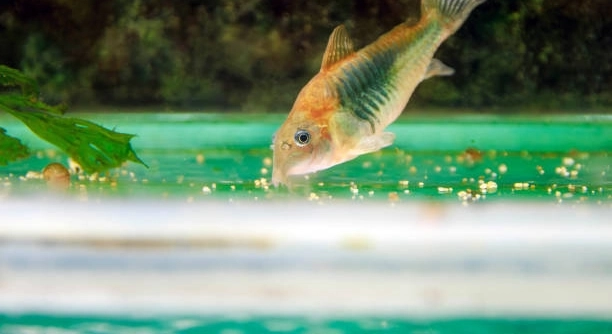
Corydoras catfish are often seen resting near heaters, which may seem odd. Understanding their behavior can help ensure their well-being. Several factors influence why these fish tend to seek warmth, and knowing these can improve their care.
The primary reason your Corydoras catfish may be resting near the heater is to regulate their body temperature. These fish are cold-water species, and maintaining the right temperature is crucial for their health. A warmer area helps them stay comfortable.
Understanding this behavior can help you create a more suitable environment for your catfish. Keeping an eye on their surroundings can make a difference in their comfort and health.
Temperature Regulation
Corydoras catfish, like many cold-water species, need to maintain a stable body temperature. Their natural habitat is in cooler waters, and if the aquarium temperature fluctuates too much, they may seek warmth from the heater. This helps regulate their body temperature, preventing stress and illness. The heater provides a stable zone where they can find comfort. Without this source of heat, your catfish may become lethargic or even develop health problems. It’s essential to monitor your aquarium’s temperature to make sure it stays within the recommended range, typically 72-78°F (22-26°C).
If you notice your Corydoras catfish resting near the heater, it may be a sign that they are trying to maintain optimal warmth. Ensuring a consistent temperature in the tank is key to their overall well-being.
It’s important to set up your aquarium with a reliable heater. A fluctuating temperature can be harmful, especially for species like Corydoras that are sensitive to changes. These catfish thrive in stable conditions, and a constant temperature helps promote better feeding and activity. Be mindful of your heater placement. It should provide warmth but not create an overheated area in the tank, which could stress the fish. Consider using a thermometer to regularly check the water temperature, ensuring it remains consistent.
Stress Management
Stress can cause Corydoras catfish to seek warmth. In some cases, they may go near the heater because they feel safer there.
Corydoras are often social, but stress can affect their behavior. Overcrowding, aggressive tankmates, or sudden changes in their environment can trigger them to rest near the heater. This is a way for them to feel more secure. Reducing stress in your tank by maintaining proper water quality and offering hiding spots can prevent such behavior.
Poor Water Quality
If the water quality in your tank is poor, your Corydoras catfish might move towards the heater. Contaminants or high ammonia levels make fish feel stressed and unwell, leading them to seek warmth.
Low oxygen levels or excess waste in the water can affect their health. Regular water changes and filter maintenance help improve water quality. Additionally, using an aquarium vacuum can remove debris from the substrate. Test the water regularly for pH, ammonia, nitrites, and nitrates to keep everything in balance. Proper water conditions make it easier for your fish to thrive and stay healthy.
Dirty or unfiltered water may cause Corydoras to rest near the heater, where the conditions feel more stable. Even though they may seek warmth, it’s essential to resolve water quality issues. If left unaddressed, poor water quality can lead to more serious health problems for your fish. Always be proactive about water maintenance to keep your Corydoras happy and active.
Illness or Injury
When Corydoras catfish feel unwell or suffer from an injury, they often seek the warmth of the heater for comfort. This behavior helps them feel less stressed during recovery.
Fish dealing with illness may reduce their activity, resting more often to conserve energy. If your catfish is injured or ill, ensure they have access to a warm and clean environment to help with their healing process. A stable water temperature aids their recovery by promoting better circulation and reducing the stress that illness causes. Keep an eye on any signs of distress, such as rapid breathing or lack of appetite, which could indicate further issues.
In cases of injury or illness, it’s essential to monitor your fish closely. Take note of any unusual behavior like reduced movement or hiding. While resting near the heater may provide some comfort, it’s crucial to address the root cause of the illness or injury. If symptoms persist, consider consulting an aquarium specialist to determine the best course of action. Proper care, a clean tank, and consistent water conditions will aid in faster recovery.
Overheating
If the heater is set too high, your Corydoras may rest near it to avoid the warmer areas of the tank. The catfish might try to find a temperature zone that feels comfortable but isn’t too hot.
Maintaining the proper temperature range is crucial. Corydoras catfish prefer a cooler environment, and excessive heat can cause stress and discomfort. Make sure the heater is set to maintain a consistent temperature, usually between 72°F and 78°F. Using a thermostat-controlled heater can prevent overheating.
Tank Size
A small tank can cause your Corydoras to spend more time near the heater, as they may feel crowded. Fish in cramped spaces can become stressed, seeking comfort by resting near a warm spot.
A larger tank offers more room for your Corydoras to swim freely. This helps reduce stress and allows them to choose their preferred environment. It’s important to provide enough space for each fish to have their territory, ensuring they feel secure and healthy. A larger tank with good filtration can also improve water quality.
FAQ
Why does my Corydoras catfish stay near the heater all the time?
Corydoras catfish often stay near the heater because they are trying to regulate their body temperature. These fish prefer cooler waters, but if the aquarium temperature fluctuates, they may seek warmth for comfort. If the water is too cold, they may rest near the heater to stay warm.
Is it harmful if my Corydoras catfish stays near the heater for long periods?
It can be harmful if your Corydoras catfish stays near the heater for too long. Constantly seeking warmth may indicate that the water temperature is not consistent. If the tank is too cold or too hot, it could stress your catfish and negatively affect their health.
What temperature should I keep my Corydoras catfish tank at?
The ideal temperature range for Corydoras catfish is between 72°F and 78°F (22°C and 26°C). Keeping the water within this range ensures they remain comfortable and healthy. Avoid rapid temperature changes, as this can stress the fish.
How can I tell if the water is too hot for my Corydoras catfish?
If the water is too hot, your Corydoras catfish may exhibit signs of stress, such as rapid breathing, reduced activity, or staying near the heater. They may also stop eating or start swimming erratically. Monitoring the water temperature with a thermometer will help prevent overheating.
Should I adjust my heater if my Corydoras catfish is staying near it?
Yes, if your Corydoras catfish is staying near the heater, it could be a sign that the water temperature needs adjustment. Check the heater settings and make sure the temperature is within the ideal range of 72°F to 78°F. A reliable thermostat will help maintain a consistent temperature.
Why is my Corydoras catfish staying near the heater even if the water temperature is fine?
If the water temperature is fine but your Corydoras catfish is still near the heater, it could be a sign of stress or discomfort. Other factors, such as poor water quality, overcrowding, or tank mates causing aggression, could be contributing to this behavior.
Can Corydoras catfish tolerate colder temperatures?
Corydoras catfish can tolerate temperatures slightly lower than their preferred range, but prolonged exposure to water that is too cold can weaken their immune system and make them more susceptible to illness. It’s important to keep the water temperature stable to avoid stressing the fish.
How often should I change the water in my Corydoras tank?
Water changes are essential for keeping your Corydoras catfish healthy. Aim to change 25-30% of the water every 1-2 weeks, depending on the size of the tank and the number of fish. Regular water changes help maintain water quality and prevent the buildup of harmful toxins.
How can I reduce stress in my Corydoras catfish?
To reduce stress in your Corydoras catfish, provide them with a spacious tank, good filtration, and hiding spots. Avoid overcrowding and ensure that the water quality is consistently high. Providing a calm environment with appropriate tankmates will help your catfish feel safe and secure.
Are Corydoras catfish social fish?
Yes, Corydoras catfish are social fish. They prefer to live in groups, and having several in the tank will make them feel more comfortable. A group of at least three to five catfish is recommended to prevent stress and encourage natural behavior.
Can I have other fish with my Corydoras catfish?
Corydoras catfish are peaceful and can generally coexist with many other types of fish. They do best with other calm species. Avoid aggressive or fin-nipping fish, as they may cause stress or injury to the Corydoras. Always consider the temperament and size of potential tankmates.
How do I know if my Corydoras catfish is sick?
Signs of illness in Corydoras catfish include loss of appetite, lethargy, changes in swimming behavior, and abnormal skin color. If your catfish is injured, shows signs of disease such as white spots, or exhibits erratic swimming patterns, it may require medical attention.
What should I do if my Corydoras catfish is injured?
If your Corydoras catfish is injured, remove it from any aggressive tankmates and provide a calm, clean environment. Make sure the water quality is optimal, and if needed, treat the fish for any visible injuries. Keeping the fish warm and comfortable will promote recovery.
Can I use a heater in my Corydoras tank during winter?
Yes, using a heater during winter is important to maintain a stable water temperature for your Corydoras catfish. Make sure to use a reliable heater with a thermostat to prevent sudden temperature changes, which can stress the fish. Keep the water within the 72°F to 78°F range.
How can I improve water quality for my Corydoras catfish?
To improve water quality, perform regular water changes, use an efficient filtration system, and vacuum the substrate to remove debris. Testing the water regularly for pH, ammonia, nitrites, and nitrates ensures that the environment remains safe for your Corydoras catfish.
Why does my Corydoras catfish keep swimming near the surface?
If your Corydoras catfish is swimming near the surface, it could be a sign of low oxygen levels or poor water quality. Make sure the tank has proper aeration and filtration. If the problem persists, check the water parameters and ensure they’re within the safe range for your fish.
Can Corydoras catfish live with live plants?
Yes, Corydoras catfish can live with live plants. They often enjoy exploring plants and hiding among them. Plants also help improve water quality by absorbing excess nutrients. Just be sure to choose plants that are hardy enough to handle the catfish’s activity in the substrate.
Why is my Corydoras catfish hiding all the time?
Hiding behavior in Corydoras catfish may indicate stress, illness, or the presence of aggressive tankmates. Make sure the environment is calm, the water quality is good, and there are no aggressive fish in the tank. Providing hiding spots can also help your catfish feel more secure.
Final Thoughts
Corydoras catfish are peaceful and hardy fish, making them a popular choice for aquariums. However, their behavior can sometimes be puzzling, especially when they seem to spend a lot of time near the heater. Understanding why your Corydoras may prefer this spot is key to ensuring their well-being. Whether it’s related to water temperature, tank size, or overall stress, addressing these factors can help create a more comfortable and healthy environment for your fish.
Ensuring that the temperature in your aquarium remains within the ideal range is one of the most important steps in maintaining a healthy tank. Corydoras catfish thrive in temperatures between 72°F and 78°F. If the water is too cold, they may seek warmth near the heater, while higher temperatures may stress them out. Consistently monitoring and adjusting the heater settings will help prevent temperature fluctuations that can impact the fish’s health. Proper tank maintenance, including regular water changes and filtration, will also help keep the environment clean and stress-free.
In addition to temperature control, the size and condition of the tank are essential for Corydoras catfish. A cramped tank can lead to stress, which may cause your fish to seek out the heater or other warm areas. It is important to provide enough space for your fish to swim comfortably, as well as hiding spots where they can rest and feel secure. If you notice that your Corydoras are frequently near the heater, it may be worth checking for signs of overcrowding or poor water quality. A well-maintained tank with proper temperature, space, and water quality is essential for the health and happiness of your Corydoras catfish.

Hello,
If you enjoy the content that we create, please consider saying a "Thank You!" by leaving a tip.
Every little bit helps us continue crafting quality advice that supports the health, happiness, and well-being of pets around the world, for pets of all shapes, sizes, and species.
We really appreciate the kindness and support that you show us!